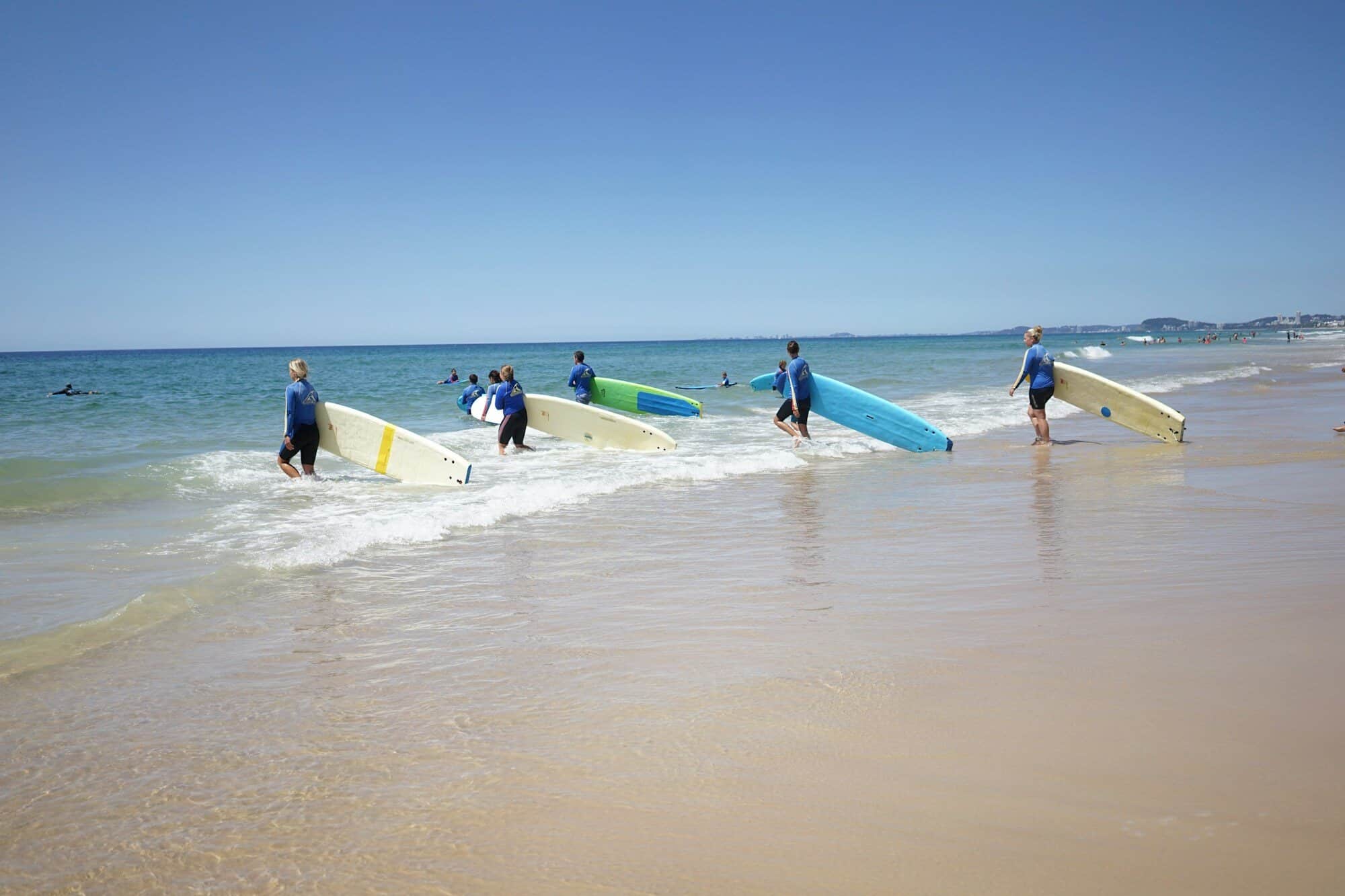
Choose a coach accredited by Surfing Australia, the national body for the sport, then book through the surf school or your hotel concierge. Most private lessons run for about two hours, timed to the tide, with board and wetsuit included. Noosa, Byron Bay, the Gold Coast and Sydney offer the widest choice.
Why a private lesson changes everything
Learning to surf in Australia is a rite of passage for many travelers. The beaches are beautiful, the water is often warm and the waves can be perfect for beginners. Yet the ocean is also powerful, and busy line-ups can feel intimidating. A private coach removes that uncertainty and turns a first surf into a joyful experience.
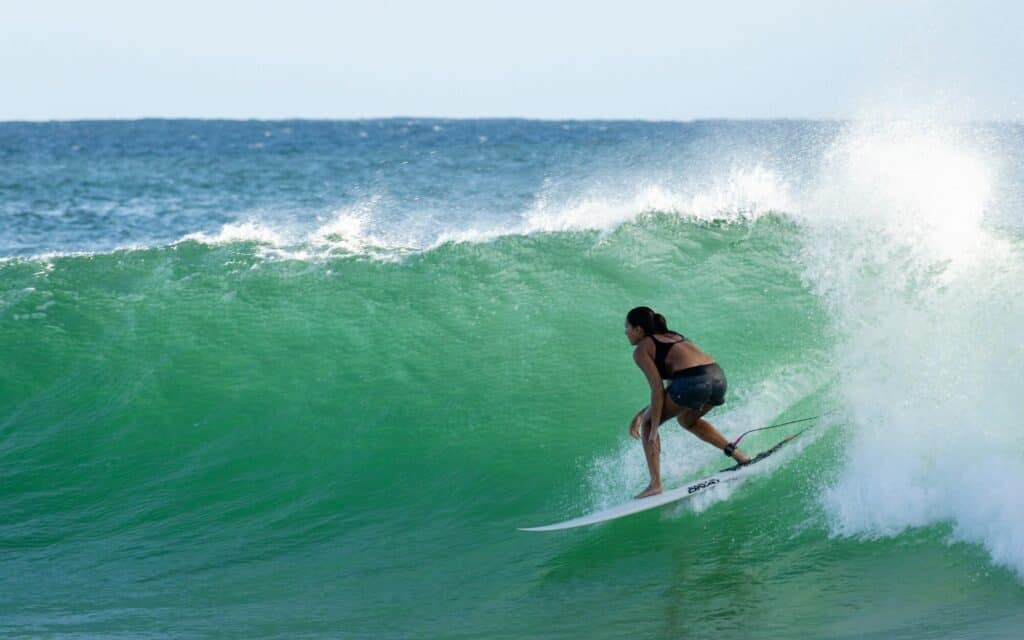
Private surf lessons Australia wide offer something group classes cannot. The coach watches only you, adjusts every detail and chooses waves that suit your level. As a result, most people stand up sooner and progress faster. Experienced surfers benefit just as much, with tailored feedback on technique and wave choice.
A private lesson also opens a door into Australian surf culture. Good coaches share local knowledge, beach etiquette and stories of the breaks they love. They know which café serves the best post-surf breakfast and where the dolphins feed at dawn. In other words, you learn the coast as well as the craft.
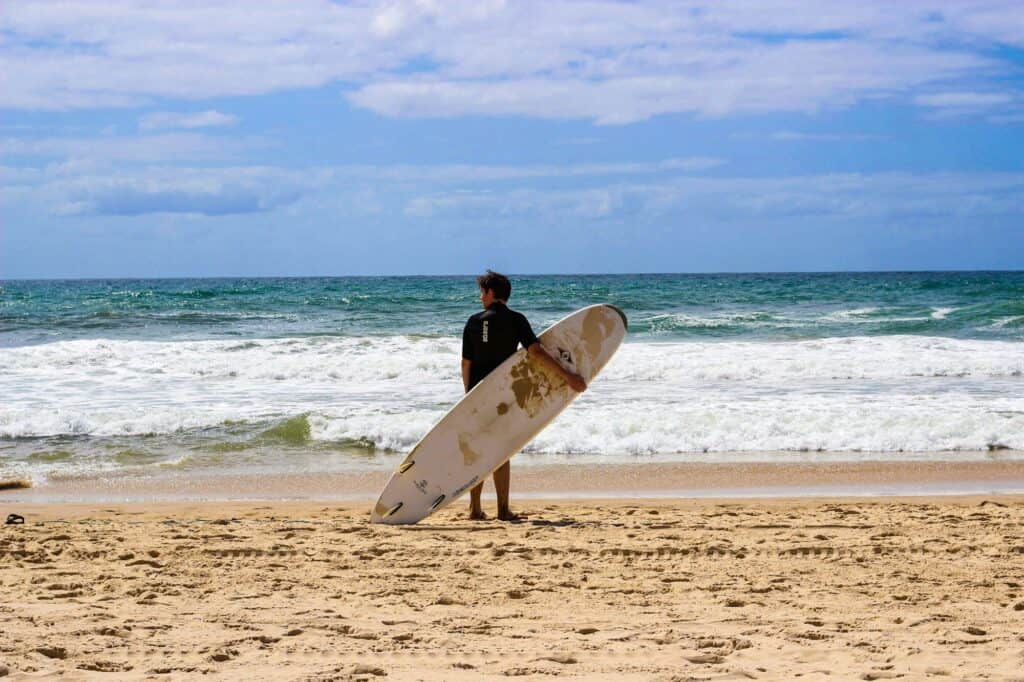
This guide explains how to choose a coach, what a session includes and where to book. It covers the best destinations, the right time of year and how to stay safe. It also suggests what to pack and how to keep improving after your lesson. By the end, you will know exactly how to plan your first, or next, surf session in Australia.
Many travelers worry that they are too old, too unfit or too nervous to learn. In fact, coaches teach people of every age and ability, from young children to retirees. The key is choosing the right beach, the right board and the right coach. With those in place, almost anyone can catch a wave.
Accreditation and how to choose a coach
The single most important step is choosing an accredited coach. In Australia, Surfing Australia is the national governing body for the sport. It trains and accredits surf coaches and affiliates surf schools around the country. Booking an accredited coach gives you confidence in safety, teaching quality and insurance.
Coaching accreditation follows a clear pathway. According to Surfing Australia, the Foundation Surf Coaching Course starts with online learning. It then adds 20 hours of practical experience at an affiliated surf school. Candidates must be at least 16 years old. A higher Progression course requires coaches to have held their Foundation accreditation for at least 12 months.
STRAAYA may earn a commission when you buy through these links, at no extra cost to you.
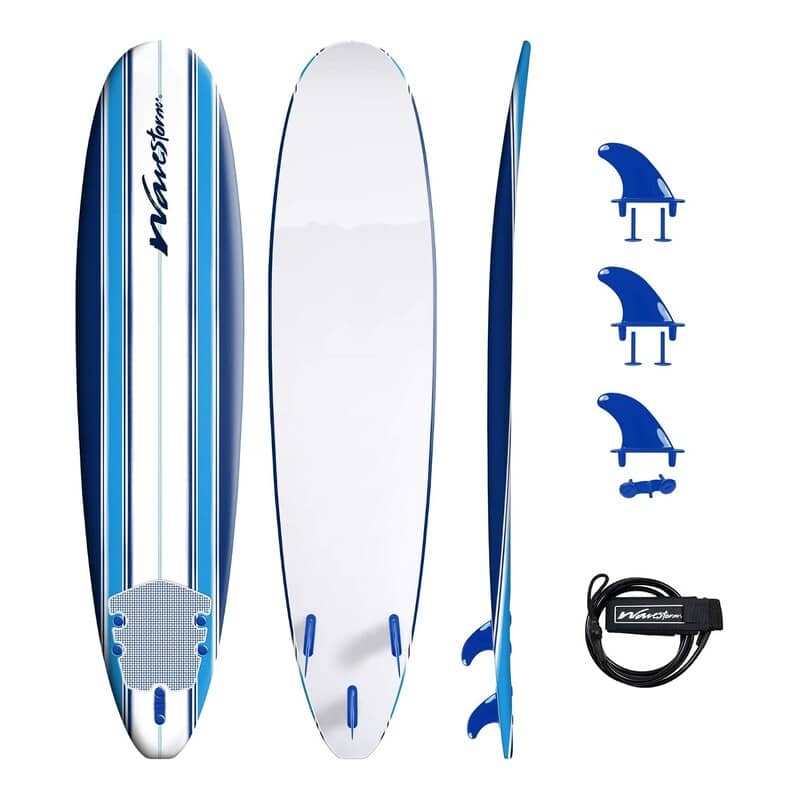
A stable foam longboard that forgives every early mistake.
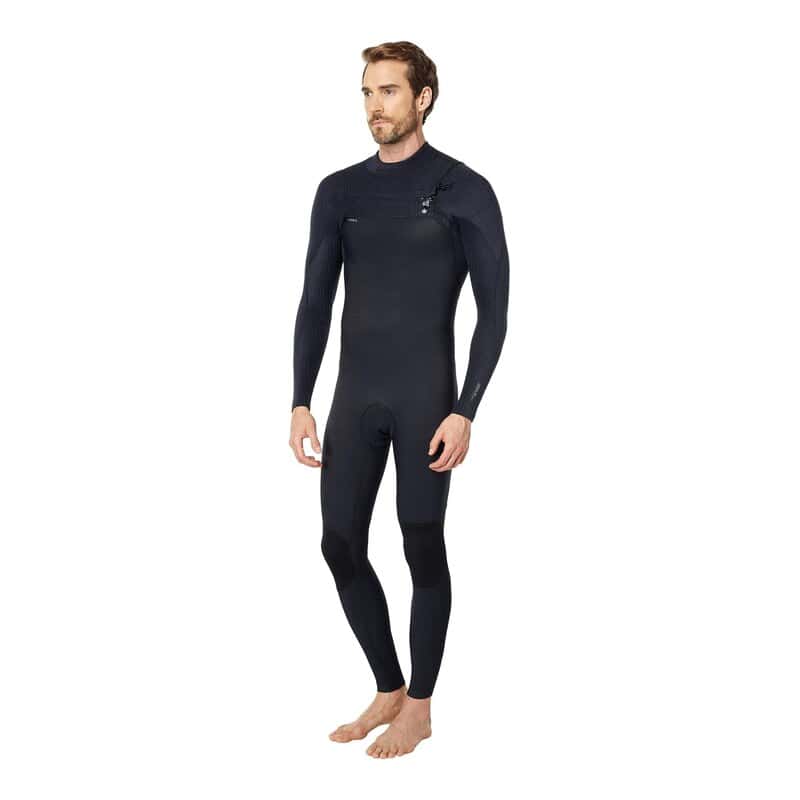
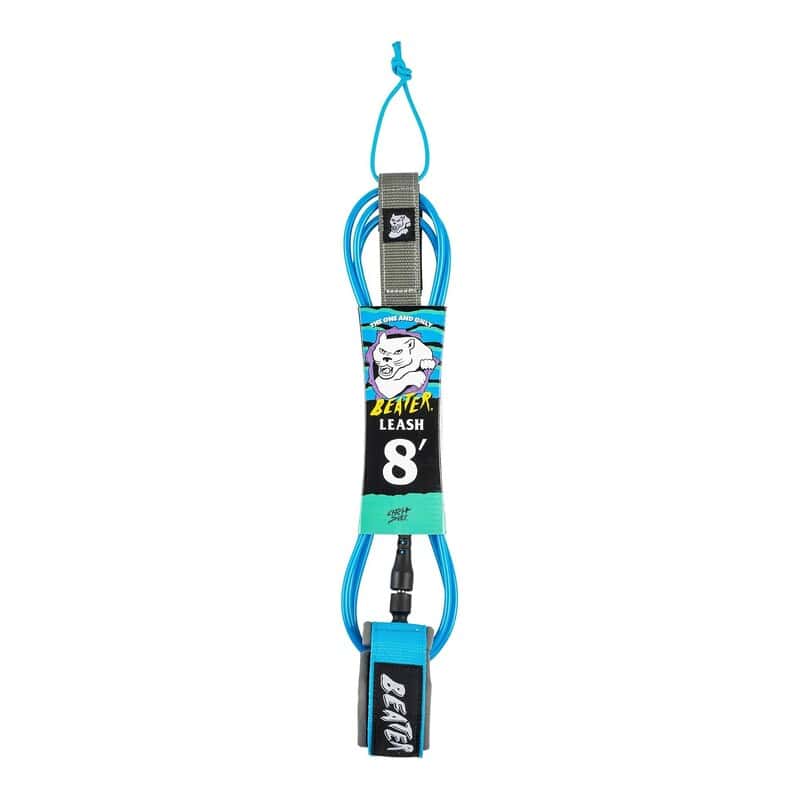
A good first board and suit make learning far easier. These pieces suit beginners who want quality from the start.
Beyond accreditation, look for experience and personality. Read reviews, ask how long the coach has worked at that beach and check their specialty. Some coaches focus on beginners and children, while others specialize in longboarding or performance surfing. A short conversation before booking usually reveals whether the fit feels right.
In addition, ask practical questions. Does the lesson include a board, wetsuit and rash vest? Will the coach be in the water with you or on the sand? How do they decide where to surf on the day? Clear answers show a professional who takes your experience seriously.
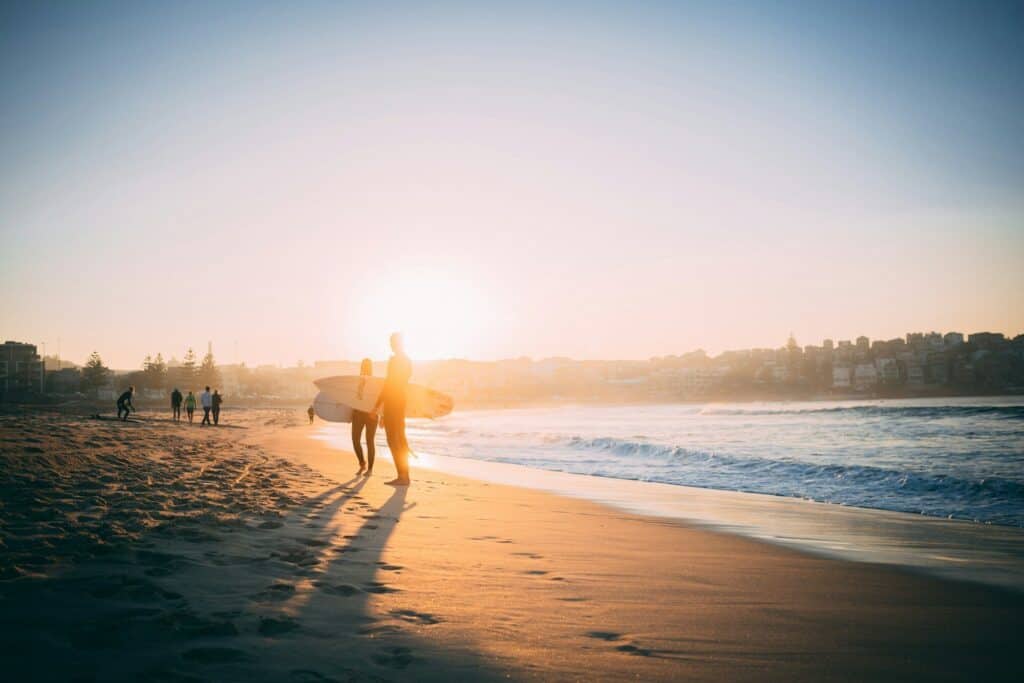
Price is another consideration, though it should not be the only one. Private lessons cost more than group classes, but the attention is far greater. Consequently, many visitors find that one private lesson teaches more than several group sessions. Think of it as an investment in confidence and safety.
Location matters too. A coach based at the beach you plan to surf knows its moods intimately. Therefore, they can predict how the banks, tides and winds will behave on the day. That local knowledge is impossible to replicate with a guidebook.
What a great coach looks for
A great coach reads you as carefully as the ocean. In the first minutes, they assess your fitness, confidence and swimming ability. Then they adjust the lesson to suit you, rather than following a fixed script. That personal attention is the real value of private surf lessons Australia wide.
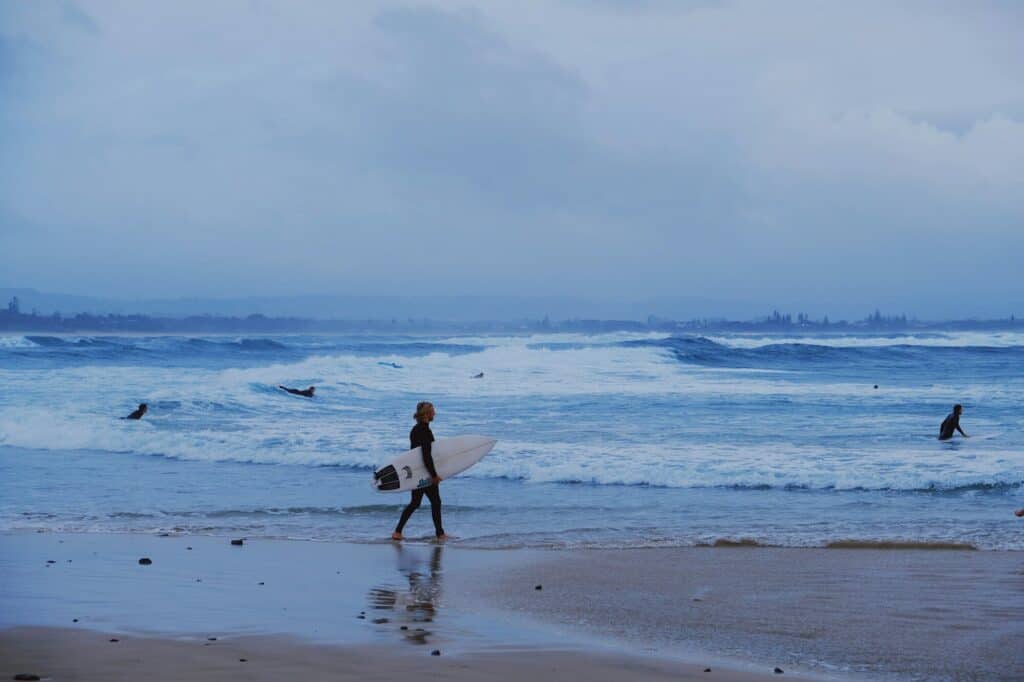
They also watch the small details. For example, foot placement, hand position and where you look all shape whether you stand up smoothly. A good coach spots these habits early and corrects them gently. Consequently, you avoid the mistakes that slow down self-taught surfers for years.
Encouragement matters as much as technique. Learning to surf involves plenty of falls, and confidence can dip quickly. The best coaches celebrate every small win and keep the mood light. By the end of the session, most students are smiling, tired and eager for more.
What a private session includes
In general, most private sessions last about two hours, though shorter and longer options exist. They usually begin on the sand with a safety briefing. The coach explains rips, currents and the day’s conditions, then shows you how to paddle, pop up and ride. This land lesson takes fifteen to twenty minutes.
You may also like


During this time, the coach also checks your swimming ability and comfort in the water. They may adjust the plan if conditions look different from the forecast. In addition, they will show you how to hold the board safely when walking through the shallows. These small skills make the water session smoother.
Next, you move into the water. At first, beginners start in waist-deep white water, where the waves are gentle and predictable. The coach positions you, watches each attempt and gives instant feedback. Many people stand up within the first hour, and some do so on their very first wave.
Intermediate and advanced surfers follow a different plan. The coach may paddle out with you to the line-up and work on wave selection, positioning and turns. Some coaches film the session and review the footage with you afterward. That video feedback often unlocks progress that years of solo surfing could not.
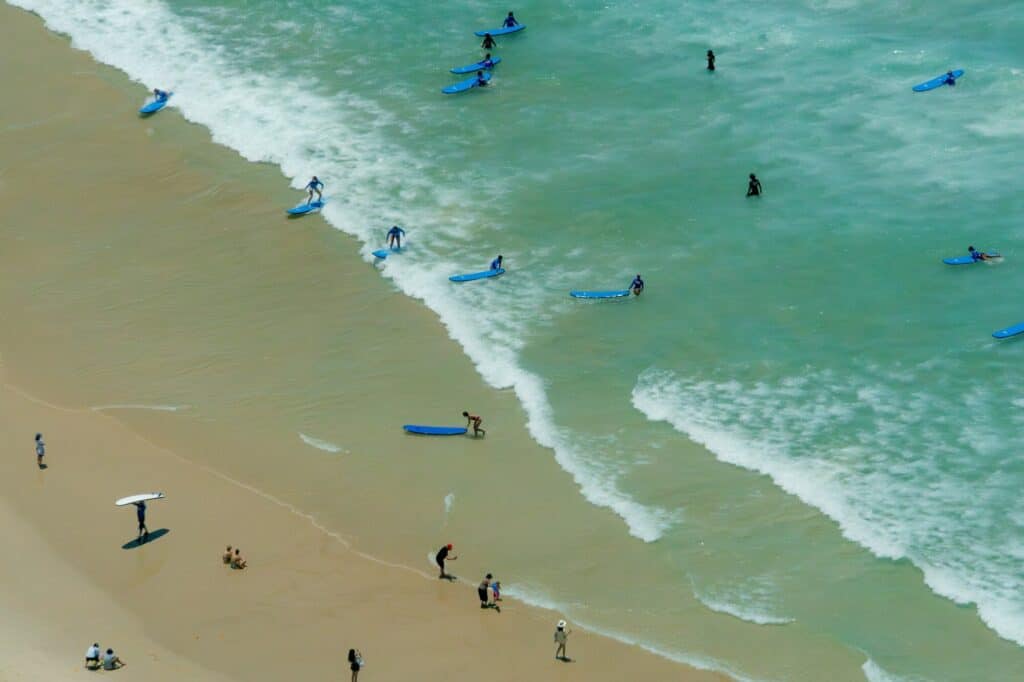
Fortunately, equipment is usually included. Beginners ride large, soft boards that are stable and safe. Wetsuits or rash vests protect against cold and sun. Your coach will also supply a leash and wax. As a result, you can arrive with just a swimsuit, towel and sunscreen.
| Session type | Typical length | Best for |
|---|---|---|
| Beginner private lesson | About 2 hours | First-time surfers |
| Family or small group | About 2 hours | Parents and children |
| Longboard coaching | 1 to 2 hours | Style and nose riding |
| Video analysis session | About 2 hours | Intermediate surfers |
| Guided surf tour | Half day | Experienced surfers |
| Multi-day package | 3 to 5 sessions | Fast progress |
Where to book private surf lessons in Australia
Australia’s east coast offers the widest range of private surf lessons. Warm water, gentle waves and excellent coaches make it ideal for beginners and families. The south and west coasts suit more experienced surfers looking for powerful waves. Wherever you go, choose a beach that matches your level and the season.
Each destination has its own character. Some offer long, gentle points, while others have open beach breaks that suit fast learners. Equally, the setting matters: national parks, city beaches and quiet villages all feel different. Think about the holiday you want as well as the waves.
Noosa
Noosa is perhaps the most beautiful place in Australia to learn. Its points peel slowly along a national park headland, and the water is often clear and warm. Longboard coaching is a specialty here. Our guide to surfing Noosa covers the breaks and best stays in detail.
Byron Bay
Byron Bay combines gentle beach breaks with a relaxed, creative atmosphere. Wategos and the inside of The Pass suit beginners, while experienced surfers can work on longboarding at the point. Many coaches here also offer yoga and wellness programs. See our guide to Byron Bay surfing for more.
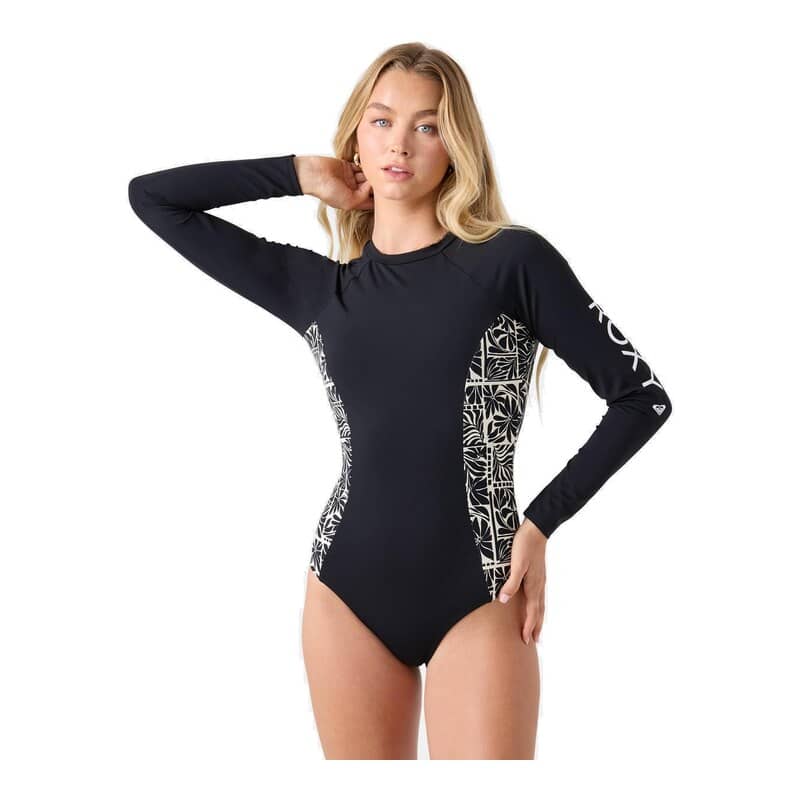
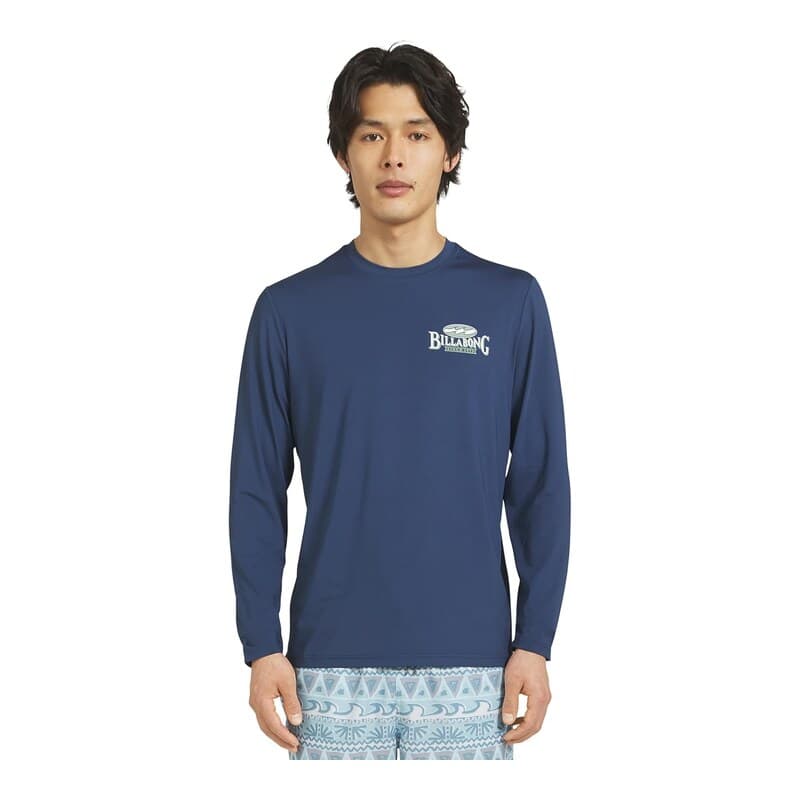

Reliable grip in warm Queensland and New South Wales water.
Long sleeves and good wax make a lesson more comfortable. These essentials suit any beach on the east coast.
The Gold Coast
The Gold Coast offers dozens of surf schools and coaches across its long beaches. Beginners learn at Currumbin Alley, Kirra on small days and the patrolled stretches near Surfers Paradise. Meanwhile, advanced surfers can book coaching sessions around the famous points. Our guide to Gold Coast surfing explains the breaks.
Sydney
Sydney lets you combine surf lessons with a city holiday. Bondi, Manly and the Northern Beaches all have accredited schools and private coaches. Lessons usually take place early in the day, leaving afternoons free for the harbor and galleries. Our guide to the Sydney surf beaches covers each area.
Choosing the right board for your level
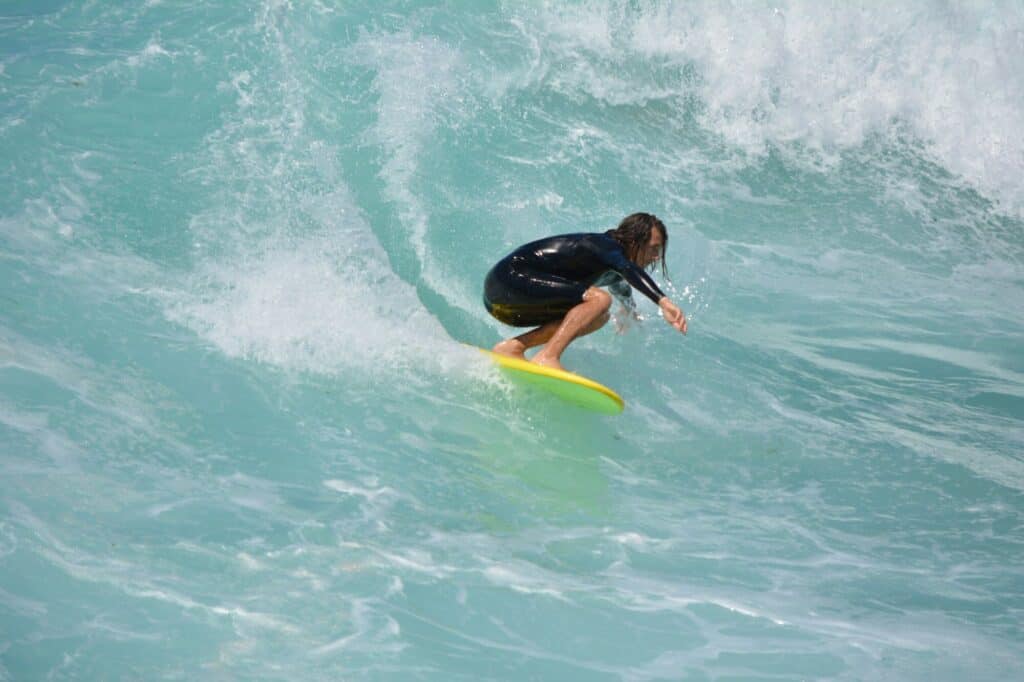
Above all, board choice can make or break a lesson. Beginners need volume and stability, which is why coaches use long, soft-topped boards. These boards catch waves easily and are forgiving when you fall. Moreover, their soft surfaces reduce the risk of bumps and bruises.
As your skills improve, your coach may suggest a shorter or narrower board. Intermediate surfers often move to a mid-length or a fiberglass longboard. Each step gives you more control, though it also demands better balance. A coach helps you decide when you are ready for that change.
Experienced surfers can ask for help choosing a board for local conditions. For instance, the long, gentle points of Noosa suit classic logs, while powerful reef breaks need something more responsive. Many coaches also have relationships with local shapers. That connection can lead to a custom board built for your style.
The best time of year for lessons
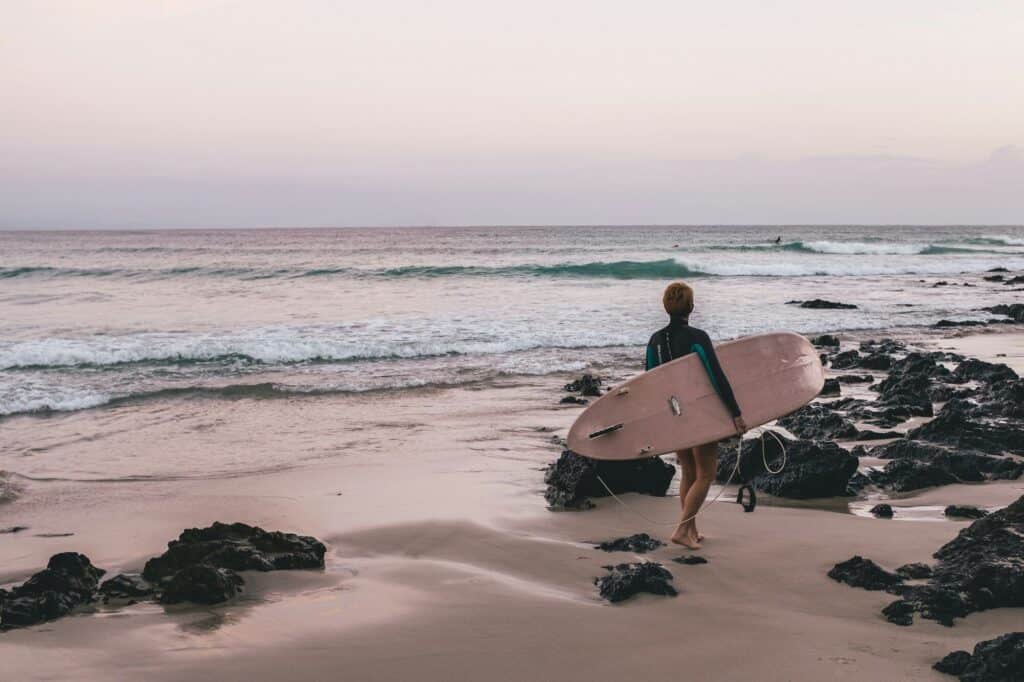
Private surf lessons Australia wide run year round, but the seasons shape the experience. On the east coast, summer and autumn bring warm water and generally gentle waves. Winter is cooler but often clean and sunny, with fewer crowds. Spring can be windier in the afternoons, so morning lessons work best.
In the south, water temperatures drop considerably in winter. Victoria and Western Australia suit learners best in summer and early autumn. Then the water is warmer and the swell is often smaller. Your coach will recommend the best time of day for each season. Early mornings usually bring the lightest winds.
Naturally, school holidays are the busiest periods for surf schools. Book well ahead if you are traveling in late December, January or around Easter. Outside those periods, you can often book a private lesson a day or two in advance. Hotels on popular surf coasts can usually arrange one at short notice.
Tide and wind also shape the best time for a lesson. Many beginner beaches work best on a mid tide, when the waves break gently over sand. Similarly, offshore morning winds keep the surface smooth. Your coach will plan the session around these factors to give you the best chance of success.
Safety in the water
Safety is the foundation of every good surf lesson. Your coach will choose a beach with suitable conditions and keep you within easy reach. They will explain how to recognize rips and what to do if you are caught in one. Most lessons also take place on patrolled beaches, close to the red and yellow flags.
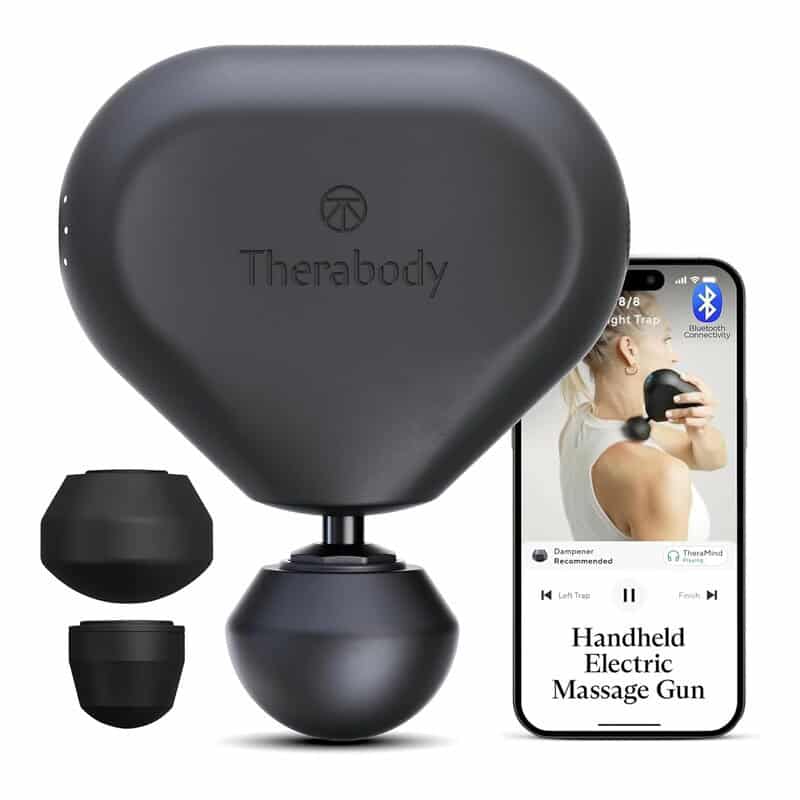
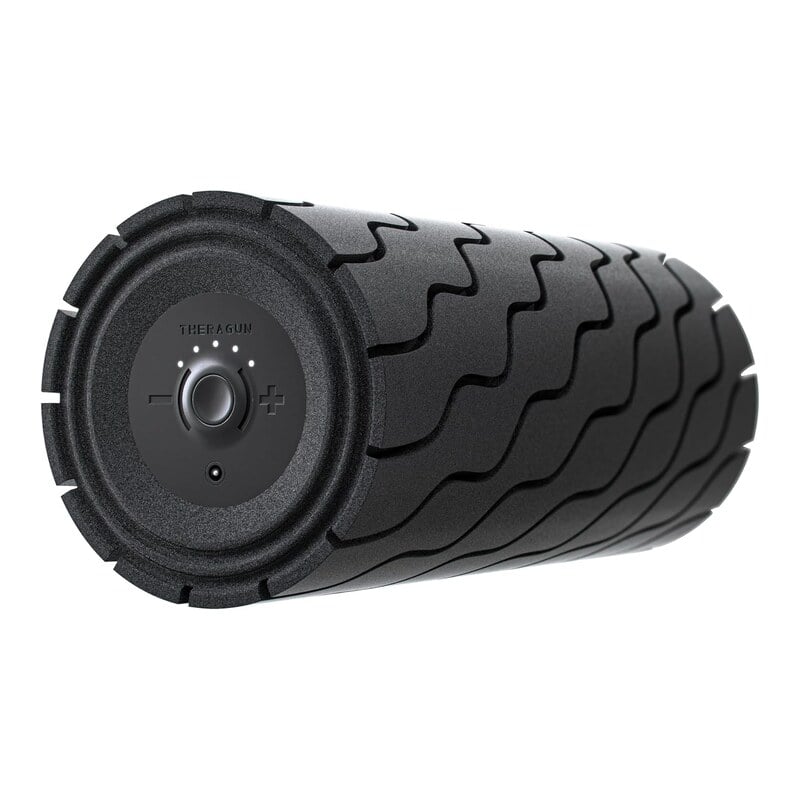
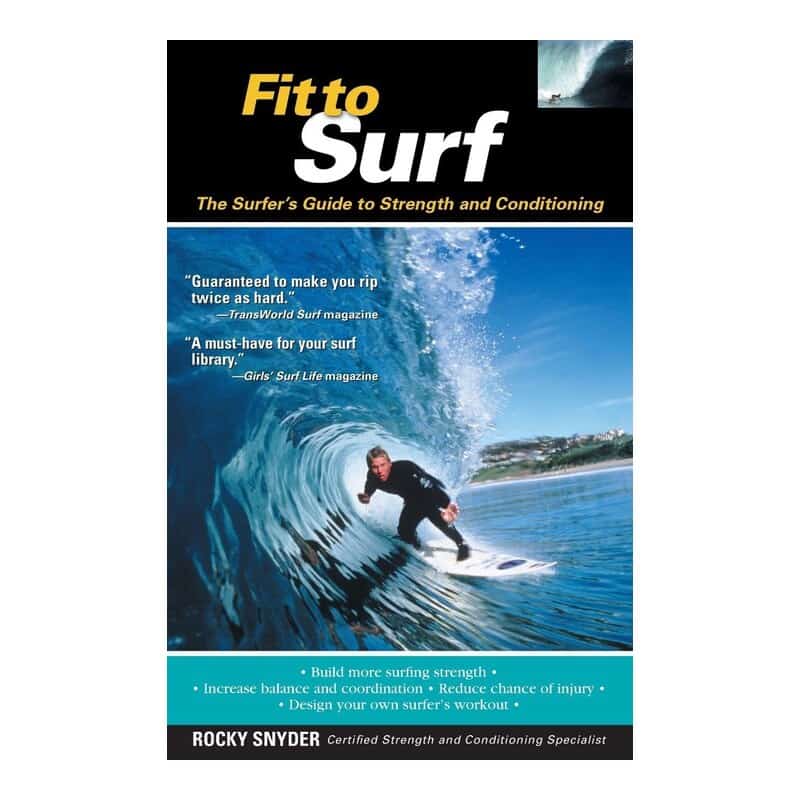
Recovery and conditioning make a real difference between sessions. These tools help you surf longer and recover faster.
Australia’s volunteer lifesavers add an extra layer of protection. In its 2023/24 annual report, Surf Life Saving Australia counted 198,916 members across 315 affiliated clubs. Many patrol the same beaches where surf schools operate. Learn more in our guide to surf lifesaving in Australia.
Meanwhile, sun safety matters as much as water safety. Wear a long-sleeved rash vest or wetsuit, a high-protection sunscreen and, out of the water, a hat. Drink plenty of water before and after your session. In addition, tell your coach about any health conditions or concerns before you start.
Learning surf etiquette
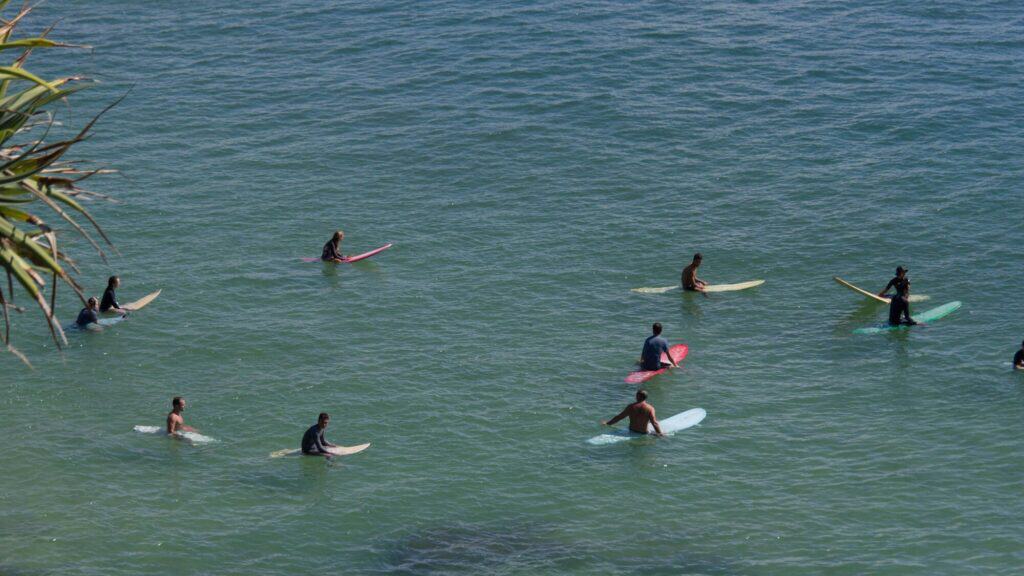
Etiquette is one of the most valuable lessons a coach can teach. The surfer closest to the peak has priority, so never drop in on someone already riding. Paddle wide around the line-up, not through it. Above all, keep control of your board, especially when other people are nearby.
Good coaches teach these customs from the first session. They explain why locals value respect and patience in the water. As a result, you return to the beach with confidence and good manners. That makes every future surf more enjoyable for you and for everyone around you.
Etiquette also includes respect for the environment. Take your rubbish home, avoid stepping on reef and stay on marked paths through the dunes. Many coaches weave these values into their lessons naturally. In that way, every new surfer learns to care for the coast from the start.
Surf coaching for women
Today, women make up a growing share of Australia’s surfing community. Many surf schools now offer women’s coaching sessions, retreats and clinics led by female coaches. These sessions create a supportive environment for learning. They also build friendships that often continue long after the lesson ends.
Australia has produced some of the greatest female surfers in history. Stephanie Gilmore and Layne Beachley inspired a generation to paddle out. Today, their influence shows in the number of women filling line-ups from Noosa to Bells Beach. Booking a women’s session connects you with that proud tradition.
You may also like

Private lessons for families and children
Private surf lessons Australia families book are often the highlight of a holiday. Many coaches specialize in teaching children, with patient instruction and plenty of encouragement. Group family sessions let parents and children learn together. Alternatively, children can join a junior class while parents book a private session nearby.
Typically, children start in very shallow water with soft boards. Coaches focus on fun, confidence and basic safety. Most children stand up quickly and want to keep going all day. Book a session early in the trip, so they have time to practice afterward.
Safety for children is especially important. Ask whether the coach holds current first aid qualifications and working with children checks. Reputable schools are happy to share this information. Surfing Australia also publishes guidance for parents on choosing a child-safe surf school or coach.
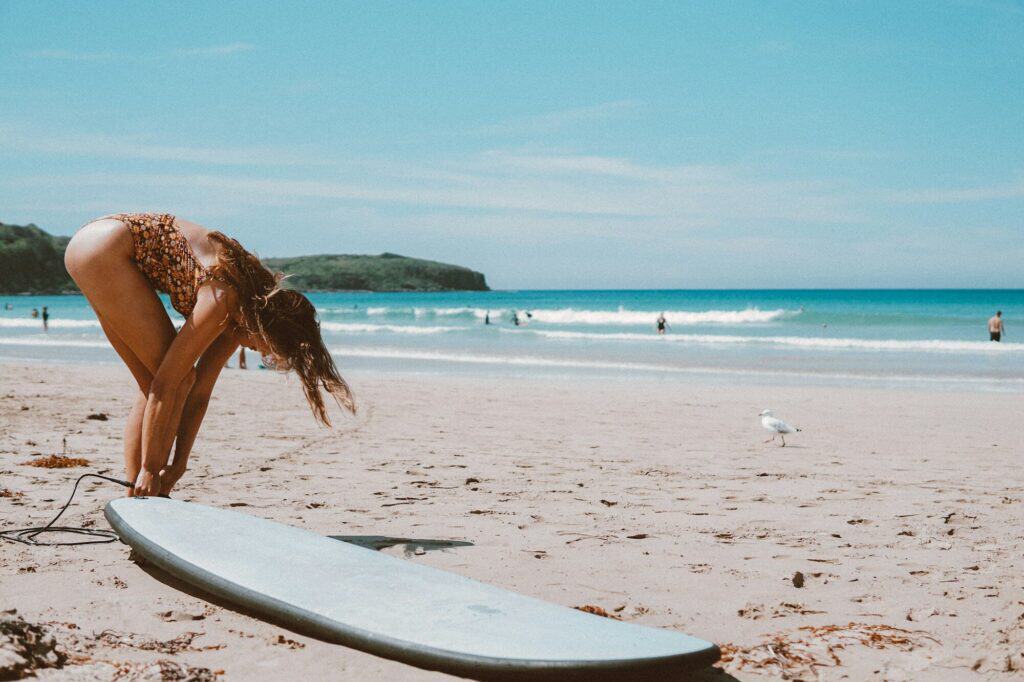
Group size matters for children as well. Smaller groups mean more attention and closer supervision. Therefore, many parents book a private or semi-private session for younger children. Older children often enjoy the social side of a small group class.
Advanced coaching and video analysis
Private surf lessons Australia offers are not only for beginners. Experienced surfers often book coaching to refine their turns, improve their wave choice or prepare for bigger waves. A coach can identify weaknesses that are invisible from inside your own session. In many cases, a single morning brings a breakthrough.
Video analysis is especially powerful. The coach films your waves from the beach or the water, then reviews the footage with you. Seeing your own body position makes corrections far easier to understand. Some coaches also compare your surfing with footage of professionals.
Advanced coaching can also prepare you for new challenges. For example, a coach might help you build the skills and confidence for bigger waves or reef breaks. Similarly, they can plan a progression toward surfing famous spots like Bells Beach or Margaret River. That structured approach keeps ambitious surfers safe.
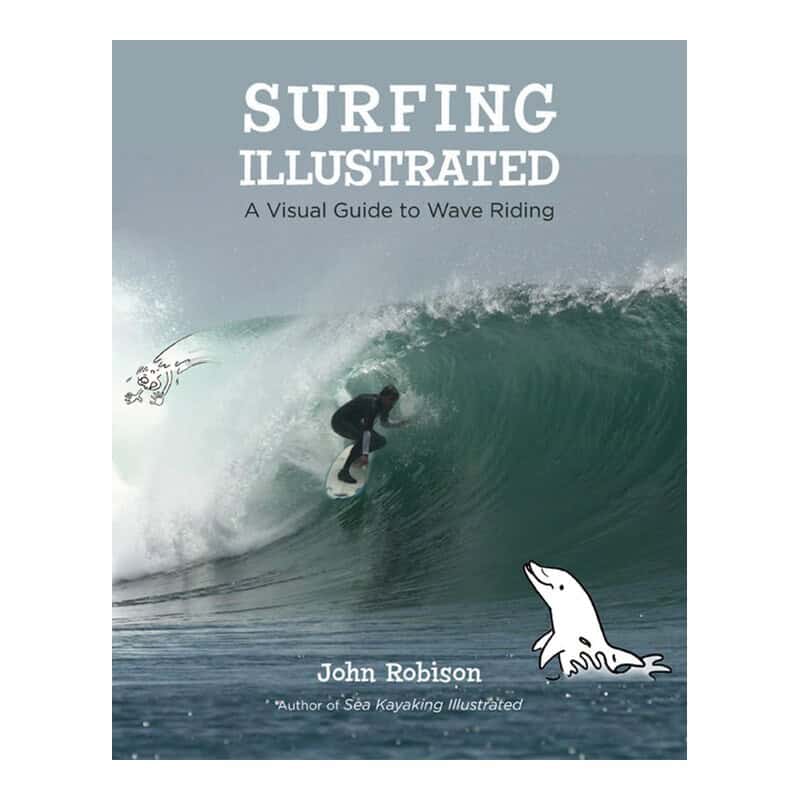
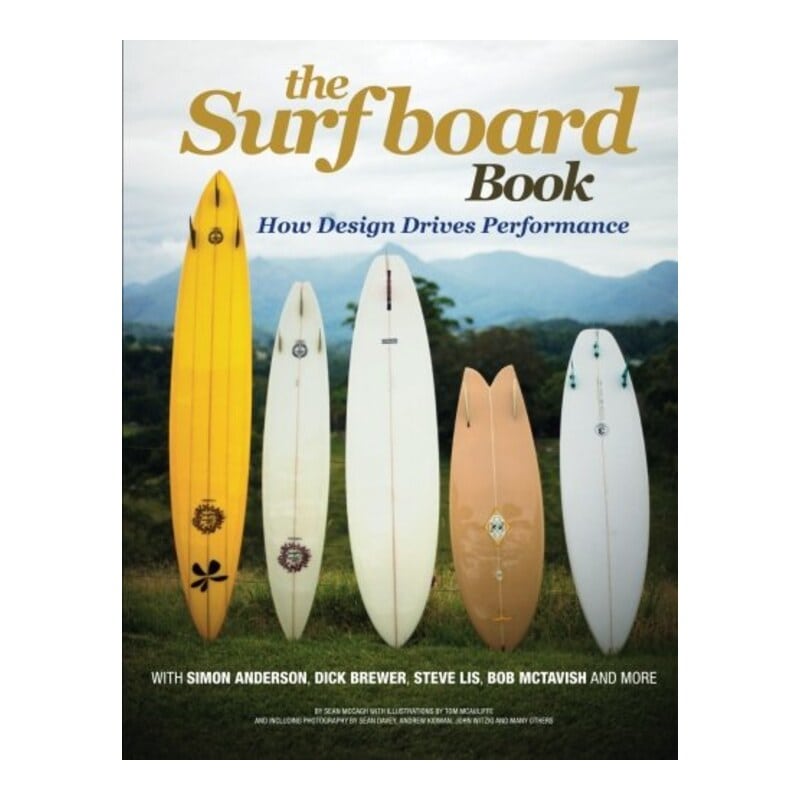
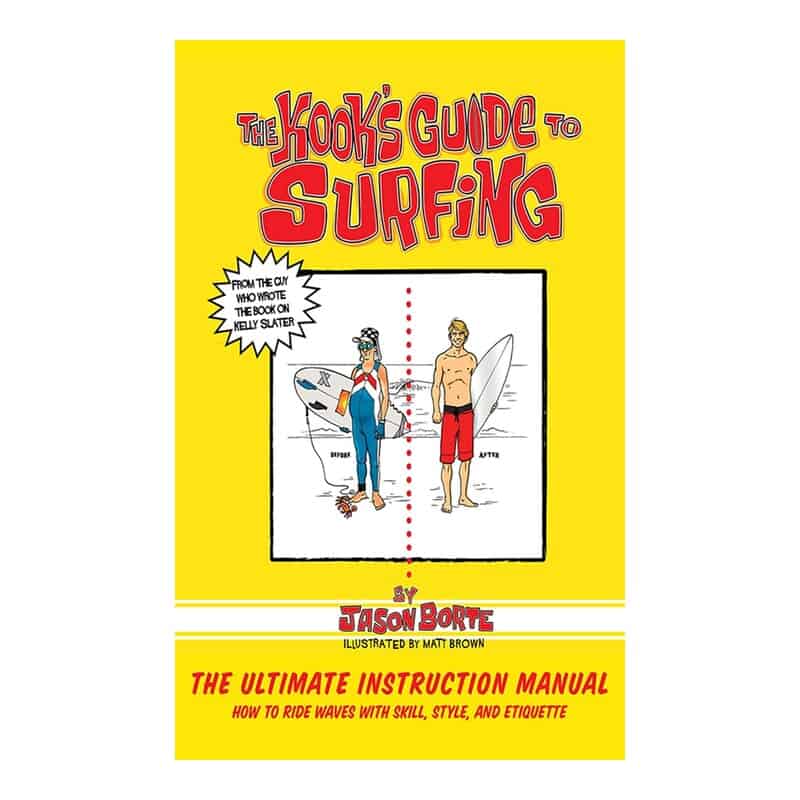
A good book keeps the learning going between sessions. These three explain technique, boards and the unwritten rules of the line-up.
Booking through luxury hotels
Many luxury hotels on Australia’s surf coasts arrange private lessons for guests. The concierge books a trusted local coach, often with pickup from the hotel at dawn. Some resorts include boards and wetsuits for guests, while others partner with nearby surf schools. This option suits travelers who want everything arranged seamlessly.
Equally, ask about multi-day packages. Three or four sessions over a week build skills far faster than a single lesson. Some coaches also offer guided surf tours to quieter breaks for experienced surfers. Combined with a beautiful stay, it makes a wonderful surf holiday.
Some luxury retreats go further, building whole programs around surfing. Guests might combine daily coaching with yoga, massage and nutritious meals. Others add sunset sails, wildlife cruises or hinterland tours on rest days. For many travelers, it is the most restorative way to learn a new skill.
Keeping up the progress
After a lesson, practice is the key to improvement. Rent a soft board for a few days and surf the same gentle beach where you learned. Watch other surfers, notice how they choose waves and copy what works. Then book a follow-up lesson to correct any habits early.
Fitness helps too, of course. Paddling strength, flexibility and balance all make surfing easier. Swimming, yoga and simple strength exercises can transform your progress between trips. Many surfers also use a foam roller or massage tool to recover after long sessions.

Finally, keep a simple surf journal. Note the beach, the conditions, what went well and what to work on next time. Over a few trips, patterns emerge that show your progress clearly. Many coaches love seeing these notes at the start of a follow-up session.
Above all, be patient with yourself. Progress in surfing comes in small steps, then sudden leaps. Consequently, a frustrating session is often followed by a breakthrough. Keep paddling out, and the waves will reward you.
Planning your surf lesson trip
Start by choosing a destination that matches your level and travel style. Noosa and Byron Bay suit beginners who want beauty and relaxation. The Gold Coast offers variety and city comforts. Sydney combines surfing with culture, food and the harbor.
After that, book an accredited coach a week or two ahead, especially in peak season. Pack sunscreen, a hat and a sense of humor, because everyone falls at first. Above all, enjoy the experience. For the wider story of the Australian coast, read our guide to Australian surf culture.
Remember that every great surfer started exactly where you are now. The first wave you ride standing up is a moment you will never forget. Moreover, the skills you learn in Australia will travel with you to beaches around the world. That is the real gift of a good lesson.
Take our short quiz and find the city, coast and pace of life that suits you best.
Take the quizQuestions worth asking
How much does a private surf lesson cost in Australia?
Prices for private surf lessons Australia wide vary by destination, season and coach. Expect a premium over group classes, and ask whether boards, wetsuits and pickup are included when you book.
How do I know if a surf coach is accredited?
Ask the coach or surf school directly. Surfing Australia trains and accredits coaches through its Foundation and Progression courses, and affiliates surf schools around the country.
How long is a private surf lesson?
Most private surf lessons Australia coaches offer last about two hours, including a safety briefing.
Where is the best place in Australia to learn to surf?
Noosa, Byron Bay, the Gold Coast and Sydney’s Bondi and Manly are excellent choices, with gentle waves and many accredited coaches.
Can children take private surf lessons?
Yes. Many coaches running private surf lessons Australia wide specialize in children, and family sessions let everyone learn together.
What should I bring to a surf lesson?
Bring a swimsuit, towel, sunscreen, water and a hat. Most coaches supply the board, wetsuit or rash vest, leash and wax.