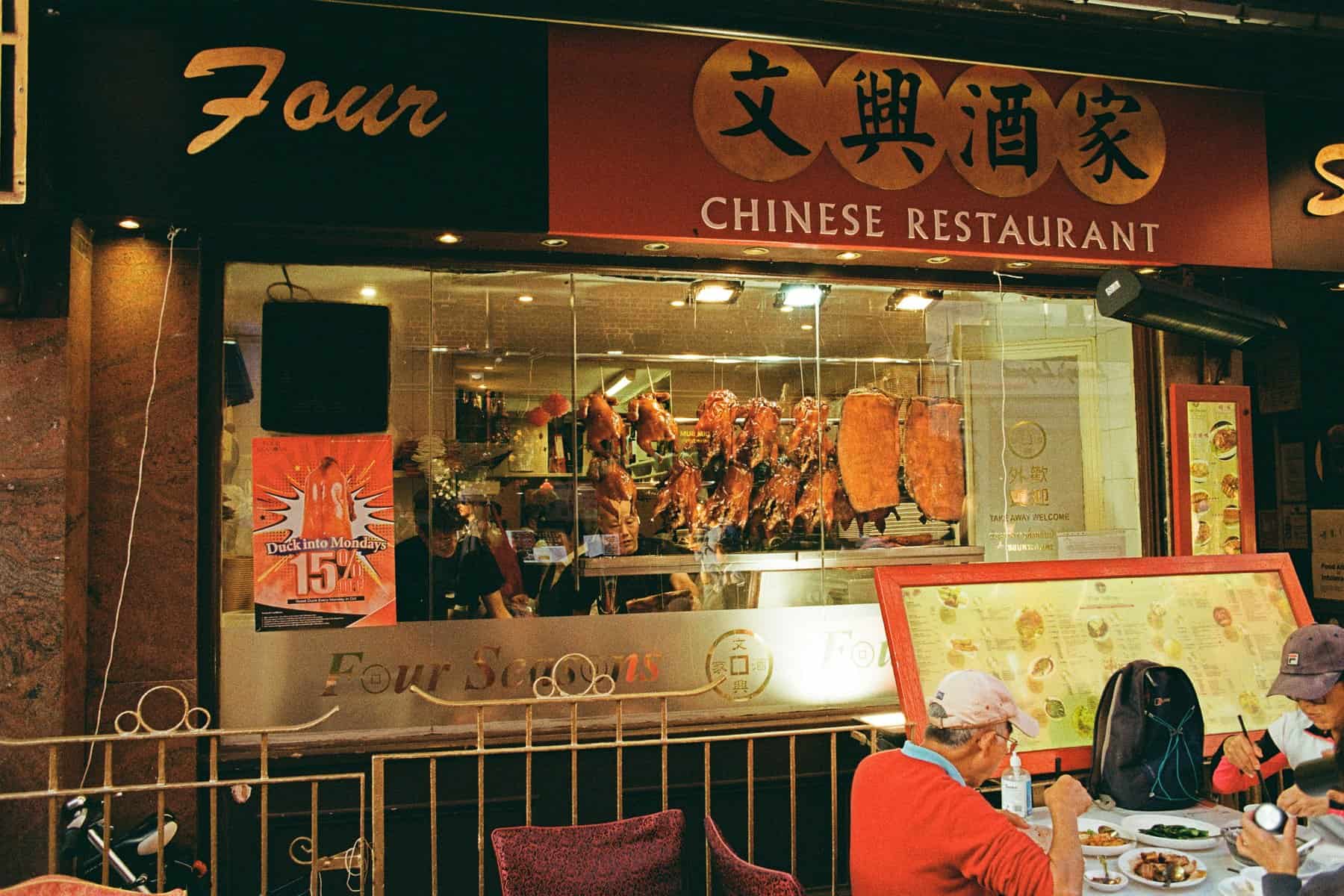
Australian fusion food is the cooking that happens when the country’s migrant kitchens meet its local produce and its fine-dining technique. It blends Vietnamese, Chinese, Japanese, Korean, Thai, Greek and Lebanese traditions with Australian seafood, lamb and native ingredients. Today it is less a trend than the main language of Australian dining, especially in Melbourne and Sydney.
Australian fusion food has stopped being a trend
Australian fusion food began as a novelty and became the norm. A generation ago, a menu that paired a Vietnamese herb with a local fish felt like a risk. Today the same pairing reads as simply Australian. Chefs no longer announce the blend, because the blend is the cuisine.
The shift makes sense when you look at who lives here. According to the Australian Bureau of Statistics, Mandarin is the most common language other than English spoken at home, at 2.7 per cent of people. The census release lists the full ranking. Arabic follows at 1.4 per cent, Vietnamese at 1.3 per cent and Cantonese at 1.2 per cent. Those households are also kitchens, and their cooking has shaped what every restaurateur serves.
For the luxury traveler, Australian fusion food is good news. The best tables here do not copy a single tradition. They borrow with respect, then cook with Australian produce at a level of craft that holds up anywhere in the world. If you want the wider story of how the cuisine matured, start with our guide to how Australian food became one of the world’s great cuisines.
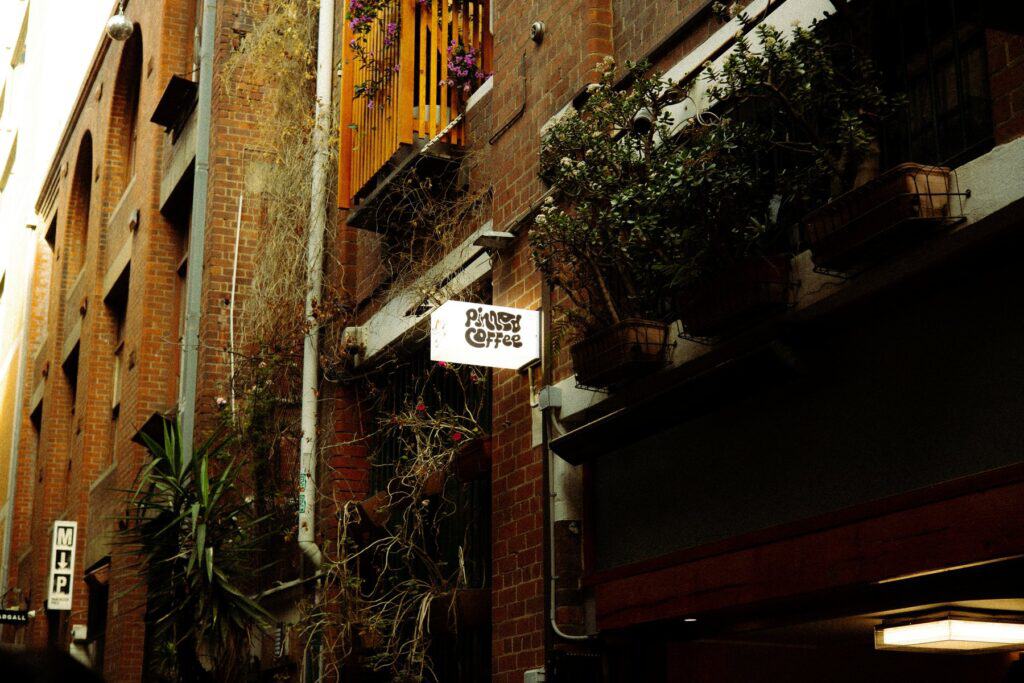
What fusion actually means here
The word can mislead. In Australia, Australian fusion food rarely means a gimmick such as sushi tacos. It means a chef who grew up with one cuisine at home and another at work, and who cooks both honestly. The result tastes of place. A Vietnamese broth might carry saltbush. Likewise, a Greek grill might finish with native pepperberry.
That is also why the cuisine feels unhurried. Nothing is forced. Each dish asks one question: does this taste better for the meeting of two traditions? When the answer is yes, the dish stays on the menu.
Chinese cooking came first
Every story of Australian fusion food starts with the Chinese. Chinese settlers arrived during the gold rushes of the 1850s, and they brought their kitchens with them. City of Melbourne describes Chinatown, established off the back of the Victorian goldrush, as the oldest Chinatown in the western world. Its lanes still hold dumpling rooms, banquet halls and tea merchants.
That long history gave Australian diners a deep, early fluency in Cantonese flavor. Today the Australian census records Chinese as the fifth-largest ancestry, at 5.5 per cent. In Victoria alone, Mandarin is spoken at home by 221,798 people. The audience for great Chinese cooking is large and demanding, and chefs have risen to meet it.
Flower Drum and the Cantonese standard
No restaurant carries that history better than Flower Drum. According to its own history page, Gilbert Lau opened the restaurant in 1975 in Chinatown on Little Bourke Street. It later moved to 17 Market Lane, its current home. Lau and his successors built a Cantonese dining room with the polish of a grand hotel.
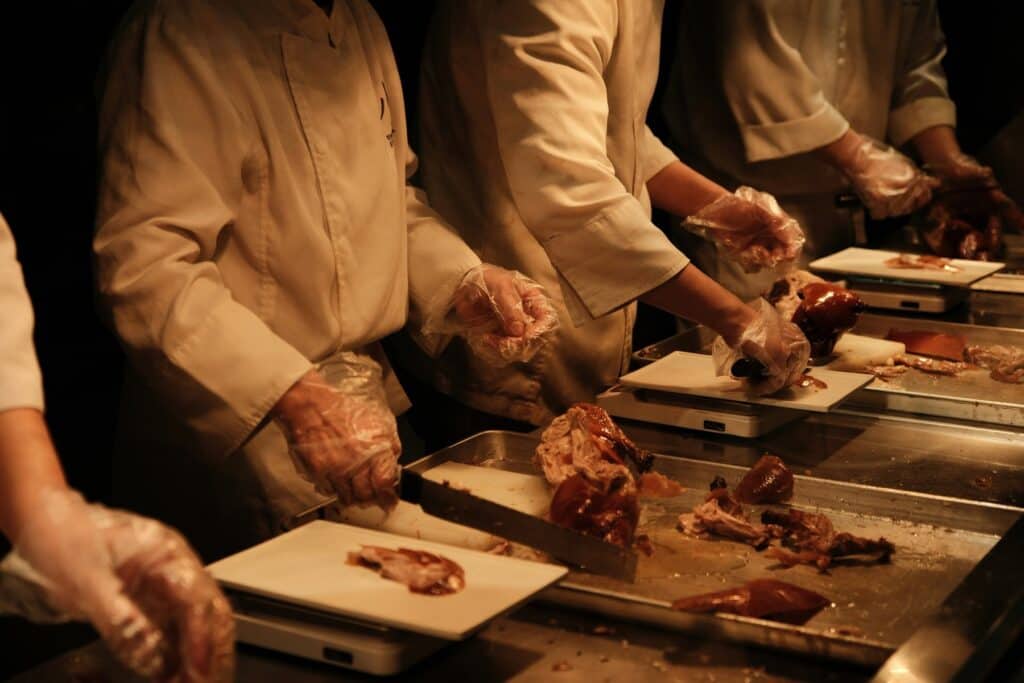
The 2026 Good Food Guide named it Restaurant of the Year in its 50th year. Flower Drum is not fusion in the strict sense. It is the benchmark that every Chinese-Australian kitchen is measured against. Go for the formality, the quiet service and the sense that a dinner here is an occasion. Ask your server what the kitchen is proudest of that evening, then order the roast duck course if it is offered.
Vietnamese flavor became the country’s favorite accent
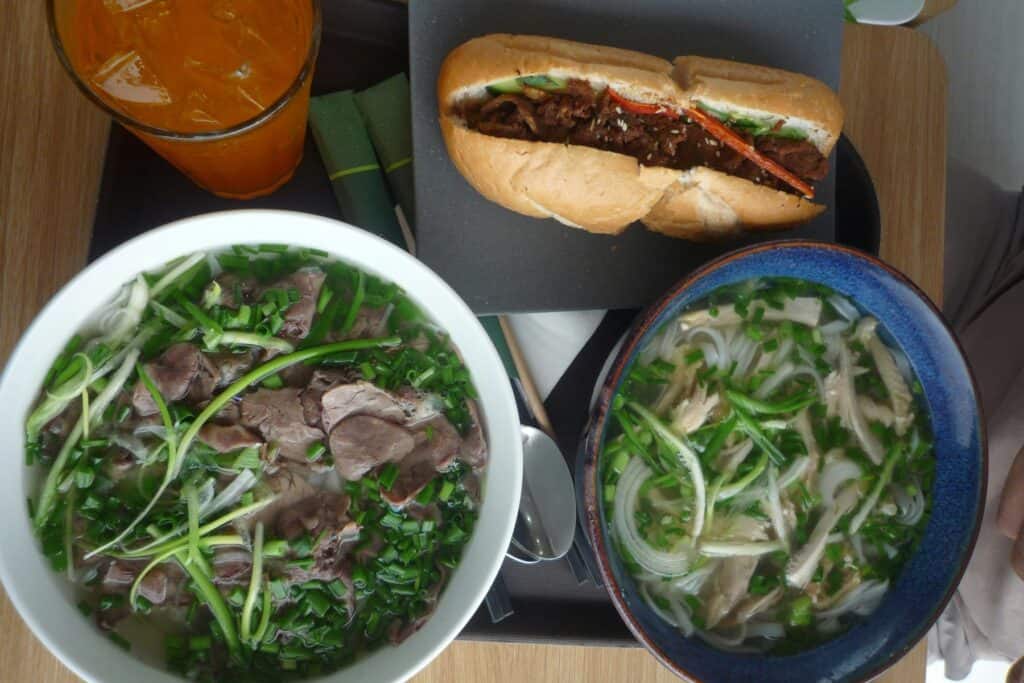
If one cuisine defines Australian fusion food in 2026, it is Vietnamese. The migration story is recent and powerful. Museums Victoria notes that only 382 Vietnam-born people were counted in Victoria in 1976. After refugee boat arrivals began, the number passed 12,000 by 1981. Small family businesses then reshaped shopping strips in suburbs such as Richmond and Springvale into dining destinations.
The children of those families trained in fine-dining kitchens and carried the flavors with them. Lemongrass, fish sauce, fresh herbs and pickled vegetables now appear on tasting menus from Sydney to Perth. Victoria alone has 118,801 people who speak Vietnamese at home, according to the 2021 census.
Thi Le and the Anchovy approach
Chef Thi Le is the clearest example. When Gourmet Traveller reviewed Anchovy in Richmond, it described a menu driven by south-east Asian flavors and cooked with modern Australian technique. Le had trained under Christine Manfield in Sydney and Andrew McConnell in Melbourne. Her early dishes included a Vietnamese blood pudding served in a cos leaf, and nam vang noodles tossed in yuzu kosho.
That mix is the template for what followed. The recognition has kept coming: the 2026 Good Food Guide named Thi Le its Chef of the Year, as Melbourne Food and Wine reported. What matters is the idea. A chef can cook her family’s flavors at fine-dining level, and Australian diners will follow. That confidence has opened the door for dozens of other cooks. Many now run small, personal dining rooms where the menu reads like a family album, and the service feels like an invitation into someone’s home.
When you book a Vietnamese-influenced table, ask which dish carries the longest memory for the chef. The answer often becomes the best plate of the night. It also tells you how far the cuisine has traveled in a single generation.
STRAAYA may earn a commission when you buy through these links, at no extra cost to you.

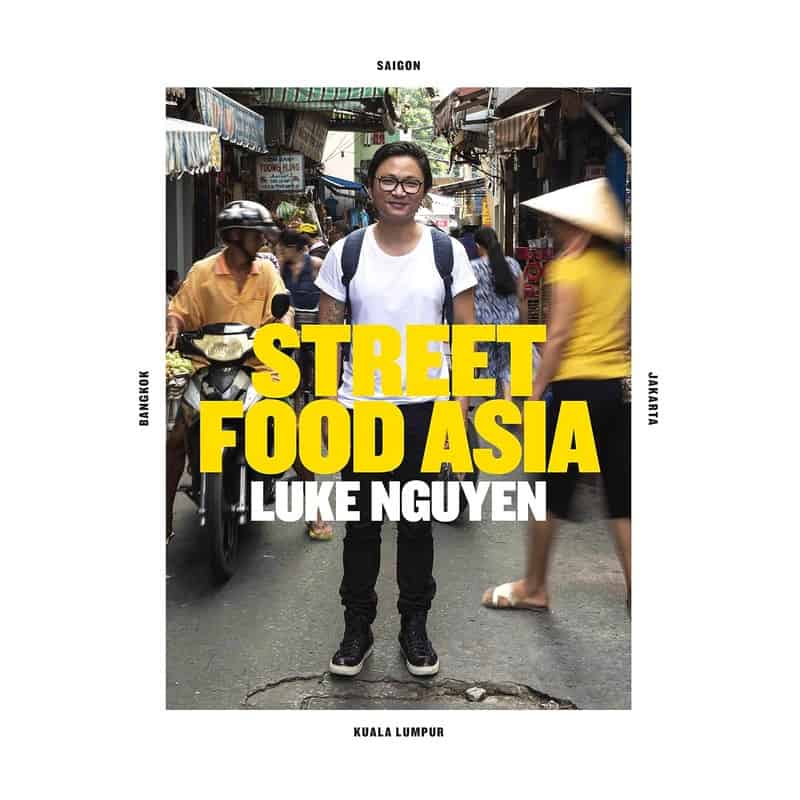
Rockpool’s founder on the Asian cooking that shaped him.
Japanese technique meets Australian seafood
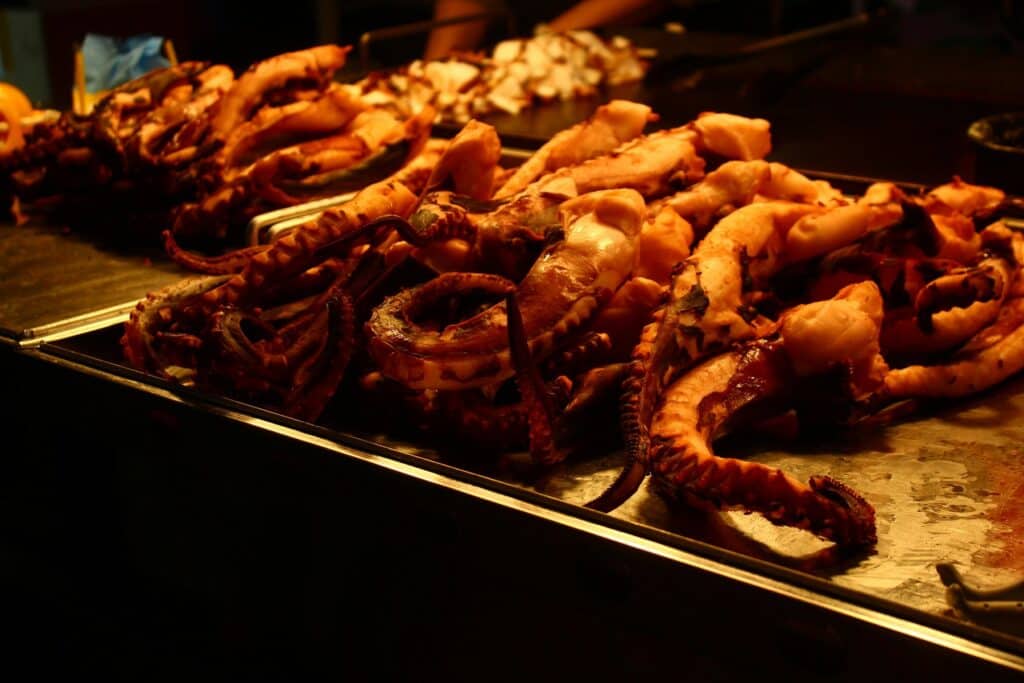
In Australian fusion food, Japanese cooking and local seafood suit each other. The cold, clean waters off Tasmania, South Australia and New South Wales produce abalone, kingfish, scallops and sea urchin of real quality. Japanese chefs and Australian chefs trained in Japan treat that catch with restraint. They slice it, cure it or grill it over charcoal, then add a single native note.
Sydney does this particularly well. A kingfish crudo may arrive with finger lime, which bursts like tiny citrus pearls. Likewise, a charcoal-grilled prawn might be brushed with a glaze that leans on miso, then finished with lemon myrtle. The technique is Japanese. Yet the produce and the finishing touch are Australian.
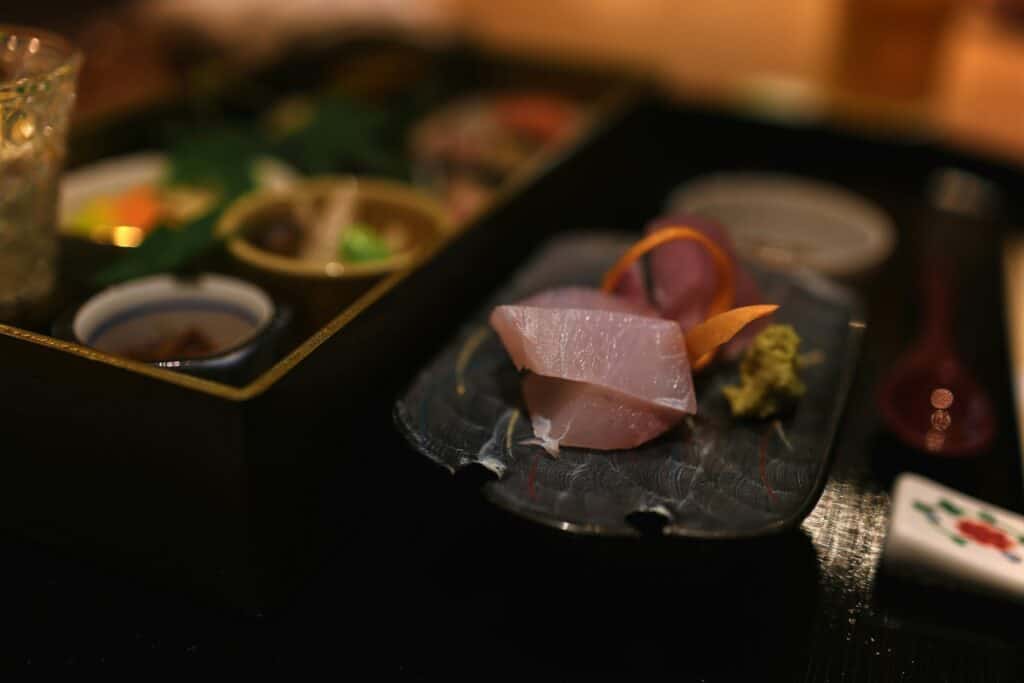
For travelers, the pleasure is in the counter. Many of the best Japanese-influenced rooms seat diners at a bar facing the chefs. You watch the knife work, taste each course within seconds of its making and ask questions between plates. Book early, and choose the omakase when the room offers one.
The counter experience
A counter changes how you eat. Courses arrive one at a time, and each is explained in a sentence. You learn what was caught that morning and which farm grew the vegetable. The cooks answer questions without fuss.
Prices vary widely, so check each restaurant’s current menu before you book. Dress smartly but simply. Arrive on time, since many counters seat everyone together and start as one.
Why the seafood matters
Australian seafood is the reason this pairing works at all. Our guide to Australian seafood worth traveling for covers the oysters, bugs and abalone in detail. Chefs who cook it with Japanese discipline are, in effect, honoring the catch.
Korean and Thai heat found a luxury home
Korean and Thai flavors entered Australian fusion food from the casual end of the market. Barbecue joints, noodle shops and street-food halls introduced chili, fermented paste and sharp lime to a wider crowd. Then the cooks who built those places began opening more ambitious dining rooms.
Korean cooking brought the idea of fermentation to the Australian table. Kimchi, gochujang and doenjang now sit alongside native ingredients in modern kitchens. A chef might ferment local cabbage in the Korean way, then serve it with lamb from a Tasmanian farm. The result is bold but never harsh.
Thai cooking brought balance. The cuisine’s interplay of sweet, sour, salty and hot has long shaped how Australian chefs build a dish. Even menus with no Thai influence on the surface often use its logic, adding acid to lift richness or heat to cut sweetness.
Heat, handled with care
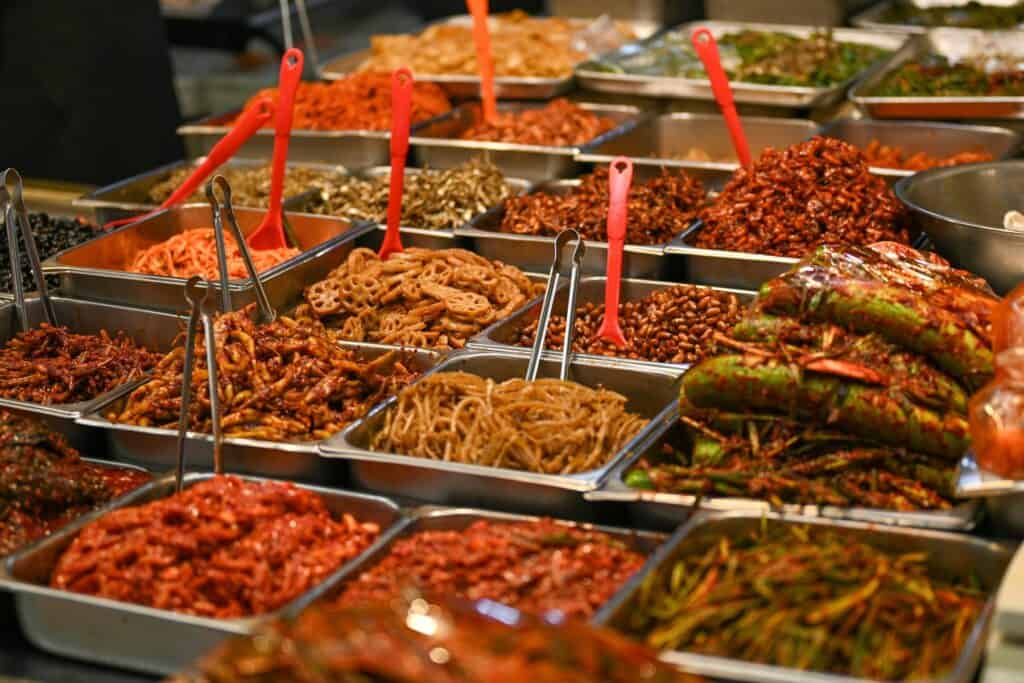
Luxury kitchens soften the edge without losing it. A chili paste is fermented longer, so its heat arrives slowly. Likewise, a broth is clarified until it shines, yet it still tastes of lemongrass and galangal. Texture matters too, with crisp shallots, toasted rice and torn herbs adding contrast to each spoonful.
This is where fusion becomes quietly impressive. The dish looks refined, but it still tastes like someone’s family kitchen. That honesty is what keeps diners coming back.
How to order at these tables
Share. Fusion menus, like most Australian fusion food, are built for the middle of the table, with plates arriving as they are ready. Order widely, ask the kitchen to pace the courses and save room for the dish that sounds strangest. It is usually the one the chef is proudest of.
Greek, Lebanese and Levantine cooking made the table generous
In Australian fusion food, Asian influence gets the headlines, but Mediterranean and Middle Eastern cooking quietly shaped the way Australians eat. Greek migrants built Melbourne’s reputation for the long, loud, shared meal. The census shows 107,158 people in Victoria speaking Greek at home, a figure that tells you how strong the tradition remains.
Lebanese cooking arrived in waves. According to Museums Victoria, fewer than 500 Victorians were born in Lebanon in 1954. Migration policy then shifted, and numbers rose again after the 1960s and the civil war of 1975. Lebanese families opened bakeries, grocers and restaurants, and Australians learned the pleasures of za’atar, labneh, sumac and slow-cooked lamb.
Where the Levant meets the coast
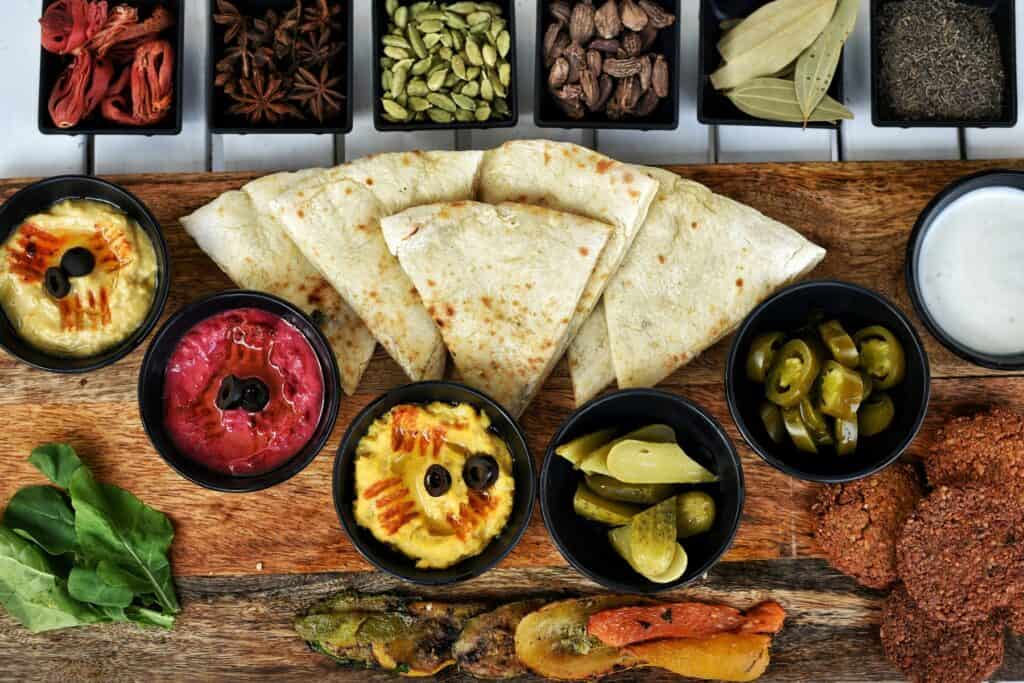
The Levantine influence now reaches fine dining. Chefs grill Australian lamb over charcoal and serve it with toum and pickled chilies. They cure local fish in sumac, or finish a salad of heirloom tomatoes with pomegranate and wild herbs. The generosity of a Lebanese table, with its mezze and its bread torn by hand, runs through the best of Australian fusion food.
If lamb is your interest, our guide to Australian lamb and the art of the barbecue goes deeper into the paddock-to-plate story.
Native ingredients are the signature
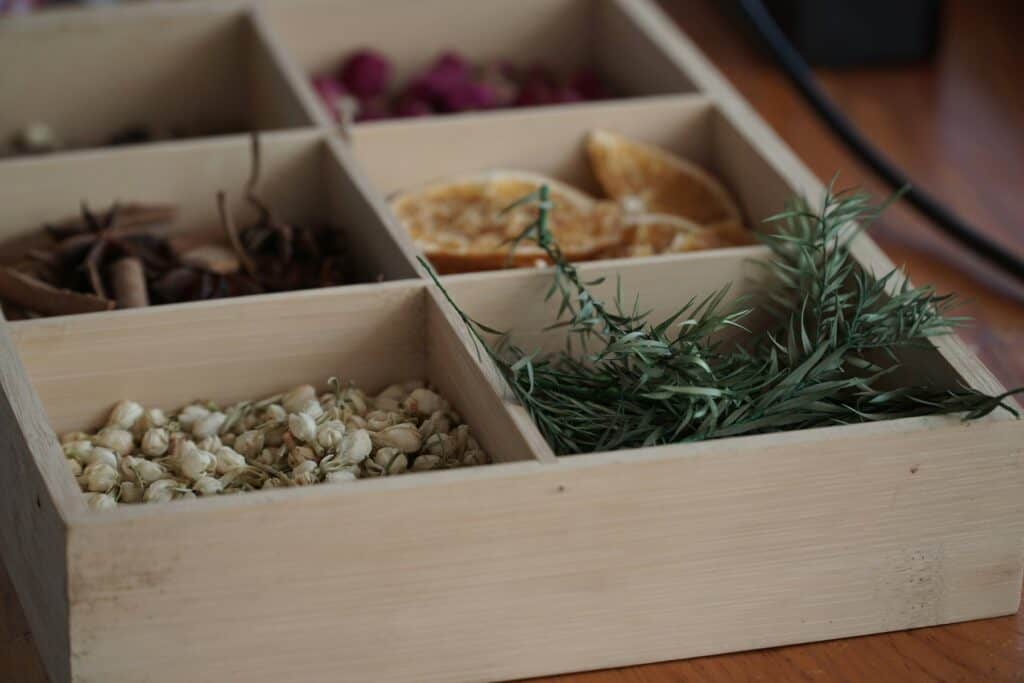
What separates Australian fusion food from fusion elsewhere is the pantry. Chefs reach for ingredients that grow nowhere else. Lemon myrtle brings a clean, floral lift. Finger lime offers citrus in tiny beads. Wattleseed tastes of roasted coffee and hazelnut. Saltbush seasons meat and fish with a gentle salinity, and pepperberry adds a slow, warming spice.
These ingredients carry thousands of years of Aboriginal and Torres Strait Islander knowledge. The best chefs know this and say so. They work with Indigenous growers and harvesters, pay them fairly and credit the people who held the knowledge first. That respect is part of what makes the cooking feel authentic rather than decorative.
A native note in a global dish
The pairings are often surprising. A Vietnamese-style salad may use warrigal greens in place of morning glory. Elsewhere a Korean-inspired short rib may be glazed with a native plum. Even a Cantonese steamed fish might finish with lemon myrtle oil instead of lemon. Each change is small, yet the dish becomes unmistakably Australian. Our full guide to native Australian ingredients and bush tucker explains each one and where to taste it.
Sydney’s fusion scene
Sydney cooks Australian fusion food with a sense of theater. Its harbor, its produce and its appetite for a big night out shape the style. Fusion here is often glossy, confident and designed for a table of friends.
Mr Wong shows the approach. The Merivale restaurant sits at 3 Bridge Lane in the city and opened in 2012. It serves a long menu of mostly Cantonese dishes, with Peking duck and mud crab among the most praised. Dim sum is the lunchtime draw. The room is large, loud and beautifully run, so it suits groups and celebrations better than a quiet date.
Elsewhere in the city, smaller rooms work at the edges of the style. Look for Japanese-influenced counters in the inner suburbs, Korean-Australian dining rooms in the north and Lebanese grills in the west. Sydney’s best fusion often lives outside the center, so ask a local chef where they eat on their night off.
Harbor-side bars and late tables
Sydney also does the late night well. Kitchens stay open past ten, and many bars serve real food rather than snacks. A glass of sparkling wine and a plate of dumplings can feel as grand as a formal dinner. Reserve a window seat when the room allows it, and arrive at sunset.
You may also like

Melbourne’s fusion scene
Melbourne cooks Australian fusion food with more restraint. Its laneways hide small rooms with short menus, and its chefs favor detail over drama. This is the city where the Vietnamese-Australian approach feels most at home, and where Cantonese fine dining holds its highest standard.
A good Melbourne evening might begin with a drink in a laneway bar, move to a Vietnamese-influenced dining room in Richmond or Collingwood, and end with Cantonese roast duck in the city. The pleasure lies in range. Few places in the world allow you to eat this widely, this well, within a few square miles.
Melbourne also rewards the traveler who plans around its seasons. Autumn brings mushrooms and game. Winter suits slow braises and rich broths. Spring and summer favor seafood, herbs and the long lunch. Check whether a dining room changes its menu with the season, and book accordingly.

Booking the right table
Book early for Flower Drum and other established rooms, since weekend seats fill well ahead. For newer restaurants, follow the chefs on social media and watch for opening announcements. Our guide to Australia’s best restaurants for 2026 lists the rooms at the very top of the national rankings.
The influences at a glance
Reading an Australian fusion food menu is easier with a map. Each dish usually carries two or three traditions at once, and the names on the page give clues. A word such as nam vang points to Vietnam. Likewise, a term like toum points to the Levant. Meanwhile, a mention of charcoal and sea salt often signals Japan or Greece.
The table below sets out the main strands of Australian fusion and what each one adds to the plate. Use it before you book, and again at the table. It helps you ask better questions of the staff, and it helps you choose with confidence. The dates are broad, since waves of migration overlapped.
| Influence | Arrived | What it adds |
|---|---|---|
| Cantonese | 1850s gold rush | Roast meats, banquet service, dim sum |
| Vietnamese | After 1975 | Fresh herbs, broths, bright acidity |
| Japanese | Postwar and recent | Raw fish, charcoal, restraint |
| Korean | Late 20th century | Fermentation, chili, barbecue |
| Thai | Late 20th century | Balance of sweet, sour, salty, hot |
| Greek | Postwar | Charcoal lamb, shared tables, olive oil |
| Lebanese | From the late 1800s | Za’atar, sumac, mezze, labneh |
| Native Australian | Always here | Lemon myrtle, finger lime, saltbush |
What to order and how to eat well
Start with the dish that is most plainly the kitchen’s own. A menu will often hint at it through a longer description or a local ingredient. That item usually reveals how the chef thinks.
Next, add one dish from the chef’s home tradition, one from the sea and one from the grill. Those three plates give you the full range of a fusion kitchen. Finish with a dessert that uses a native ingredient, such as wattleseed ice cream or lemon myrtle cream. It is the sweetest way to taste the country.
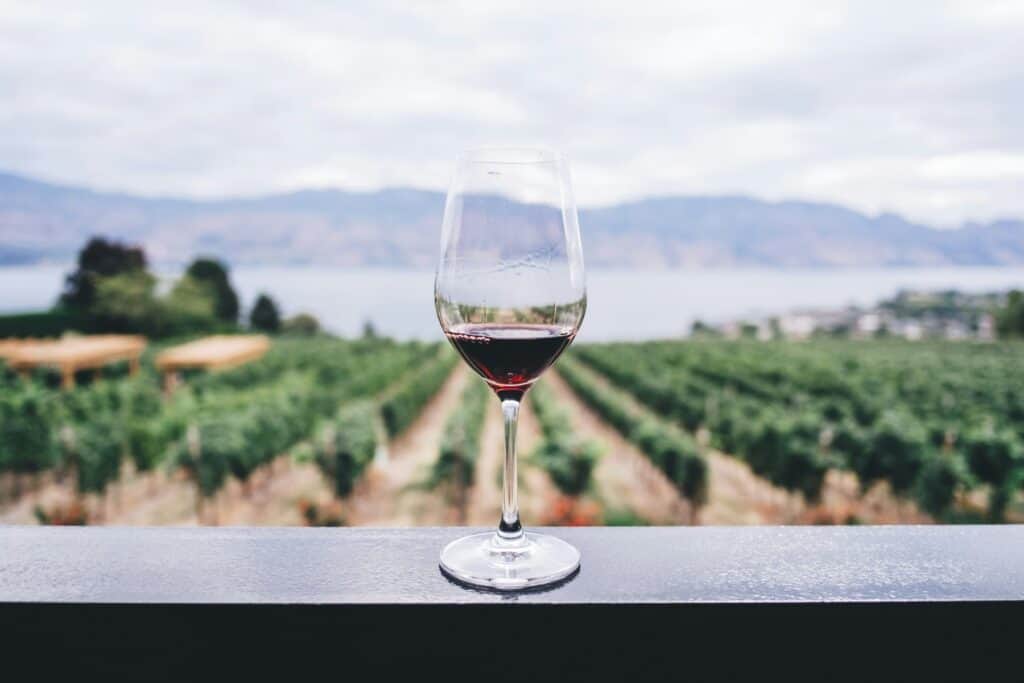
Pair the meal with local drinks. Australian Riesling suits Vietnamese and Cantonese food, because its acidity cuts through richness. Chilled lighter reds from Victoria work with duck and lamb. For wine regions worth a detour, read our guide to Australia’s world-class wine tasting experiences.
You may also like

Beyond the capital cities
Australian fusion food is not only an urban story. It depends on land, water and the people who work them. Regional Australia now supplies the produce that the best kitchens depend on, and many farms welcome visitors. You can taste the link at its source.
Adelaide and its wine regions are a strong example. Chefs there combine South Australian seafood and lamb with Asian and Mediterranean technique, often in rooms close to the vineyards. Our guide to Adelaide, where food and wine dreams come true shows how to plan it.
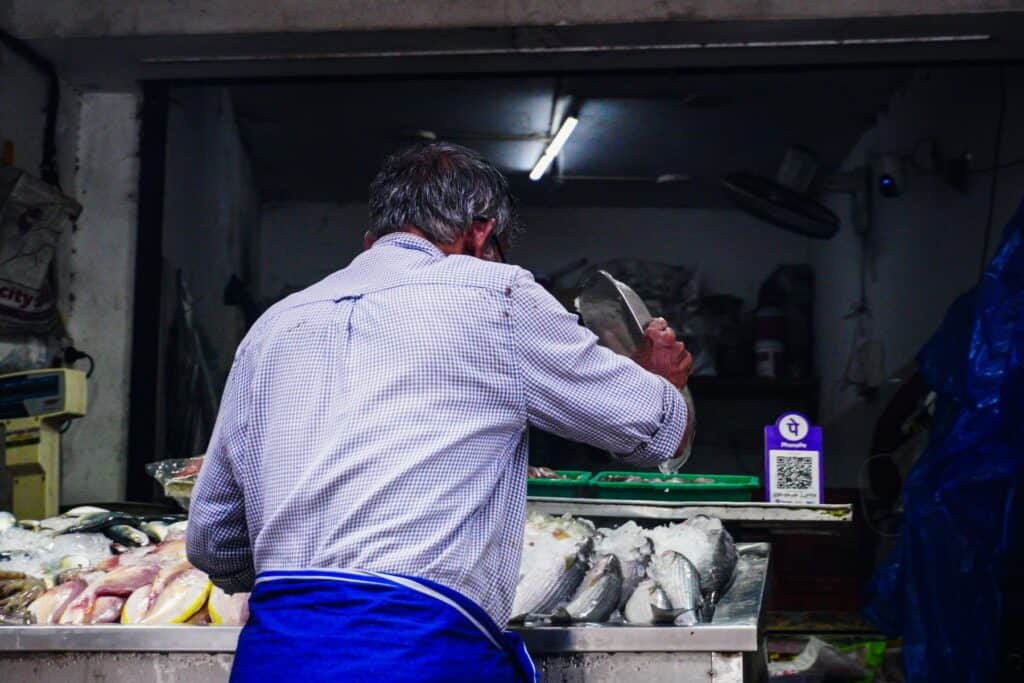
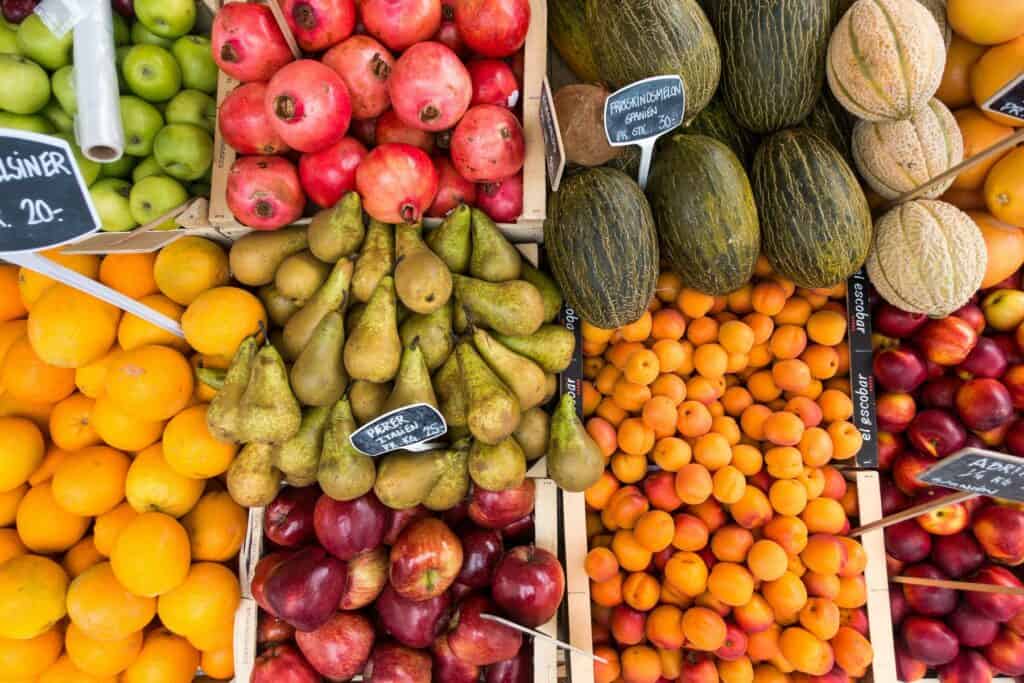
Markets deserve a morning too. A good market shows you the real pantry, from Vietnamese greengrocers to Lebanese bakeries and native-ingredient stalls. Our guide to the best local food markets in Australia will help you choose.
Regional farm gates now open to visitors as well. A morning spent picking herbs or meeting a fisher gives the evening meal a story. Ask the restaurant whether it can arrange a visit, since many chefs keep close ties with their growers. Those relationships are the quiet engine of the whole cuisine.
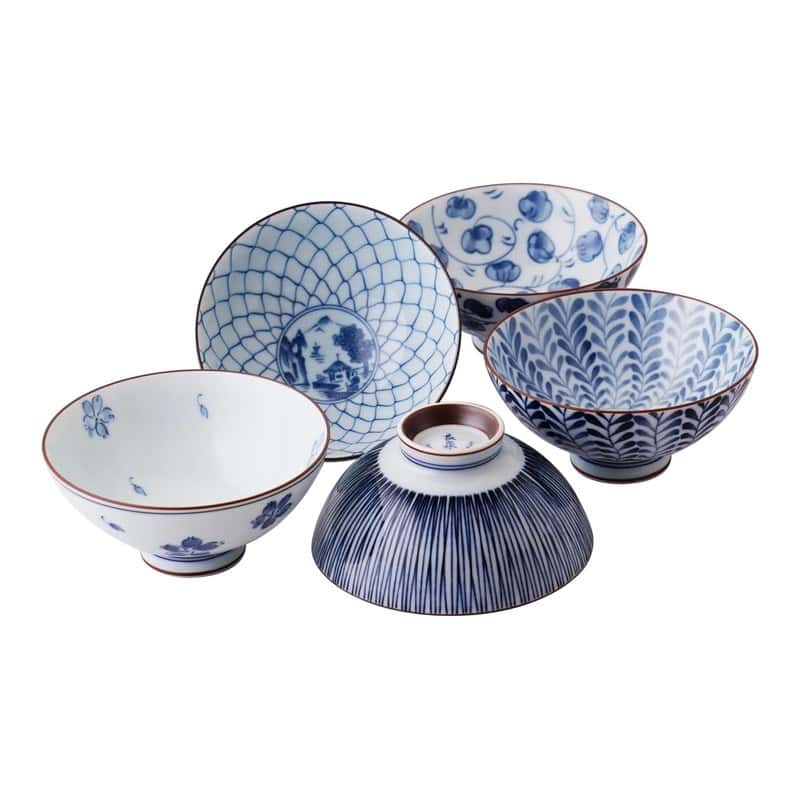
Hand-painted Japanese porcelain for rice and broths.

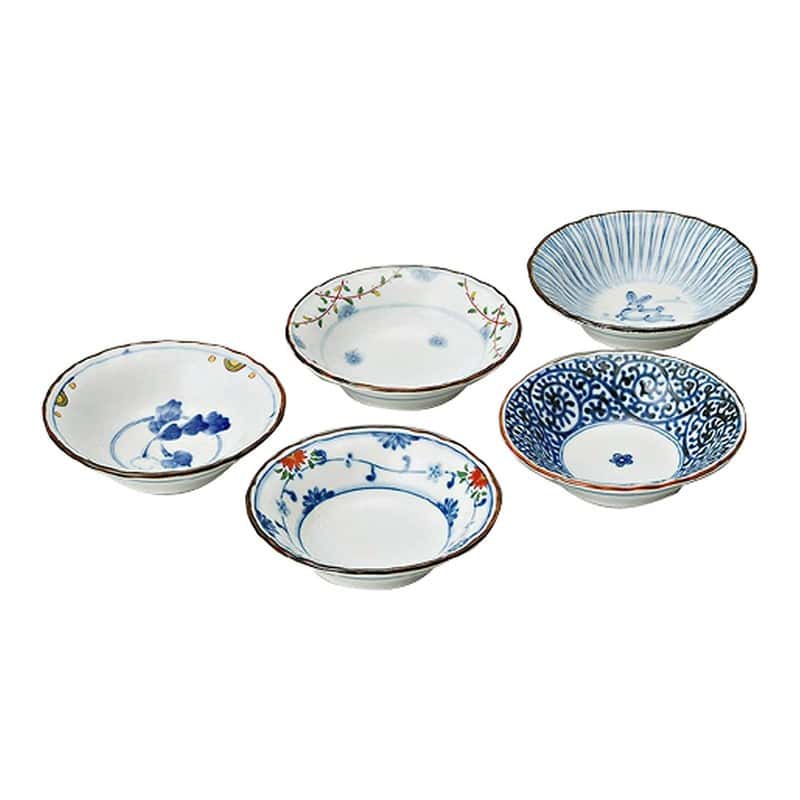
Five patterned plates for a table of small dishes.
Where fusion is heading next
Three shifts in Australian fusion food are clear. The first is a deeper respect for Indigenous knowledge. Chefs are moving past decoration and building lasting partnerships with native growers. The second is regional produce. More restaurants name the farm and the fisher on the menu, and more diners care.
The third is a confident, personal style. A younger generation of chefs, many from migrant families, cooks the food they grew up with at fine-dining level. They no longer feel the need to explain it. Their Australian fusion food is quieter, more precise and more rooted in memory than the loud fusion of earlier years.

Technique is also moving. Fire cooking, fermentation and long curing are all in fashion, and each links back to older traditions. A chef may smoke a fish over native wood, then serve it with a Korean-style paste. The method is ancient and the plate is new.
Sustainability will shape the next decade too. Australians care about the ocean and the land, and menus increasingly reflect it. Expect more local, seasonal and responsibly caught seafood, and less waste in the kitchen. That is a change worth tasting.
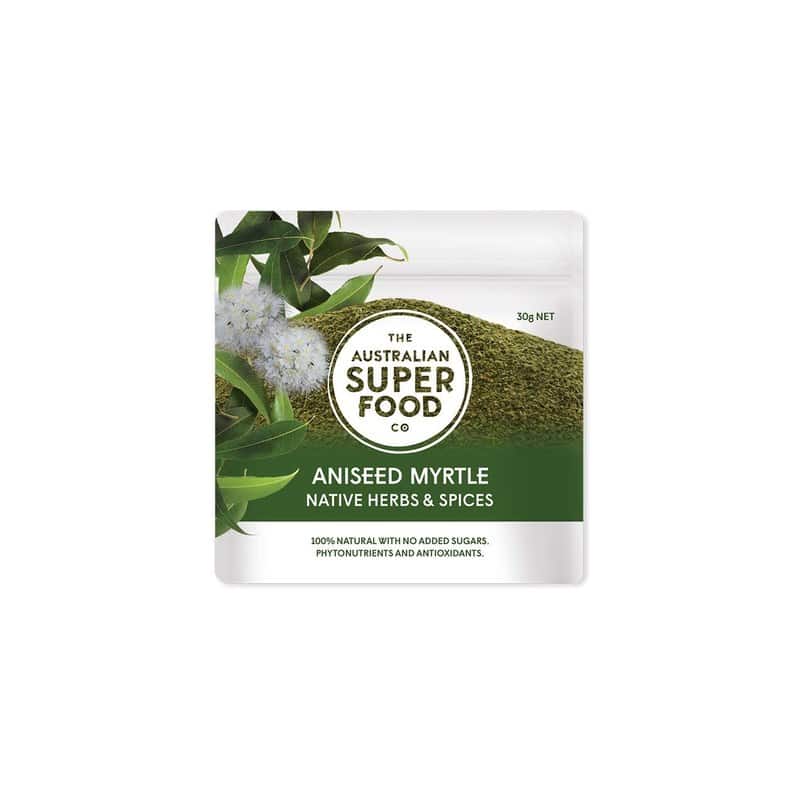
A licorice-bright native leaf for broths and fish.
Plan your own fusion trip
A good Australian fusion food itinerary pairs two cities. Spend three or four nights in Melbourne for Cantonese and Vietnamese-influenced dining, then fly to Sydney for the harbor and its bold, glossy rooms. Add a regional stop in Adelaide or Tasmania to taste the produce at its source.
Book the anchor dinners first, ideally eight to twelve weeks ahead, then leave space for a market morning and one unplanned lunch. Some of the best meals come from a chef’s recommendation.
Australian fusion food rewards curiosity. Eat widely, ask questions and trust the kitchen. For the full picture of the cuisine, return to our guide on how Australian food became one of the world’s great cuisines, and read about the history of modern Australian cuisine before you go.

Take our short quiz and find the city, coast and table that suit you best.
Take the quizQuestions worth asking
What is Australian fusion food?
Australian fusion food blends migrant cooking traditions, such as Chinese, Vietnamese, Greek and Lebanese, with Australian produce and fine-dining technique. It is now the dominant style in Melbourne and Sydney. The aim is flavor and craft, not novelty.
Which city has the best Australian fusion food?
Melbourne suits travelers who like restrained, detailed cooking, especially Vietnamese-influenced and Cantonese dining. Sydney suits those who want glossy, confident rooms with harbor views. Most travelers should visit both.
Is Flower Drum fusion food?
Flower Drum is a classic Cantonese restaurant, founded by Gilbert Lau in 1975 on Little Bourke Street and now at 17 Market Lane. It is the benchmark for Chinese-Australian fine dining rather than a fusion kitchen. Many fusion chefs measure their work against it.
How do native ingredients fit into fusion cooking?
Chefs use lemon myrtle, finger lime, wattleseed, saltbush and pepperberry to finish dishes from other traditions. A small native note makes a global dish taste Australian. The best kitchens work with Indigenous growers and credit them.
How far ahead should I book?
Book anchor dinners eight to twelve weeks ahead, particularly for weekends. Smaller counters often release seats a month at a time. Check each restaurant’s own booking page for current rules.
What drinks pair with fusion food?
Australian Riesling suits Cantonese and Vietnamese dishes, since its acidity cuts richness. Lighter Victorian reds work well with duck and lamb. Many restaurants offer a pairing menu that includes native-botanical cocktails.