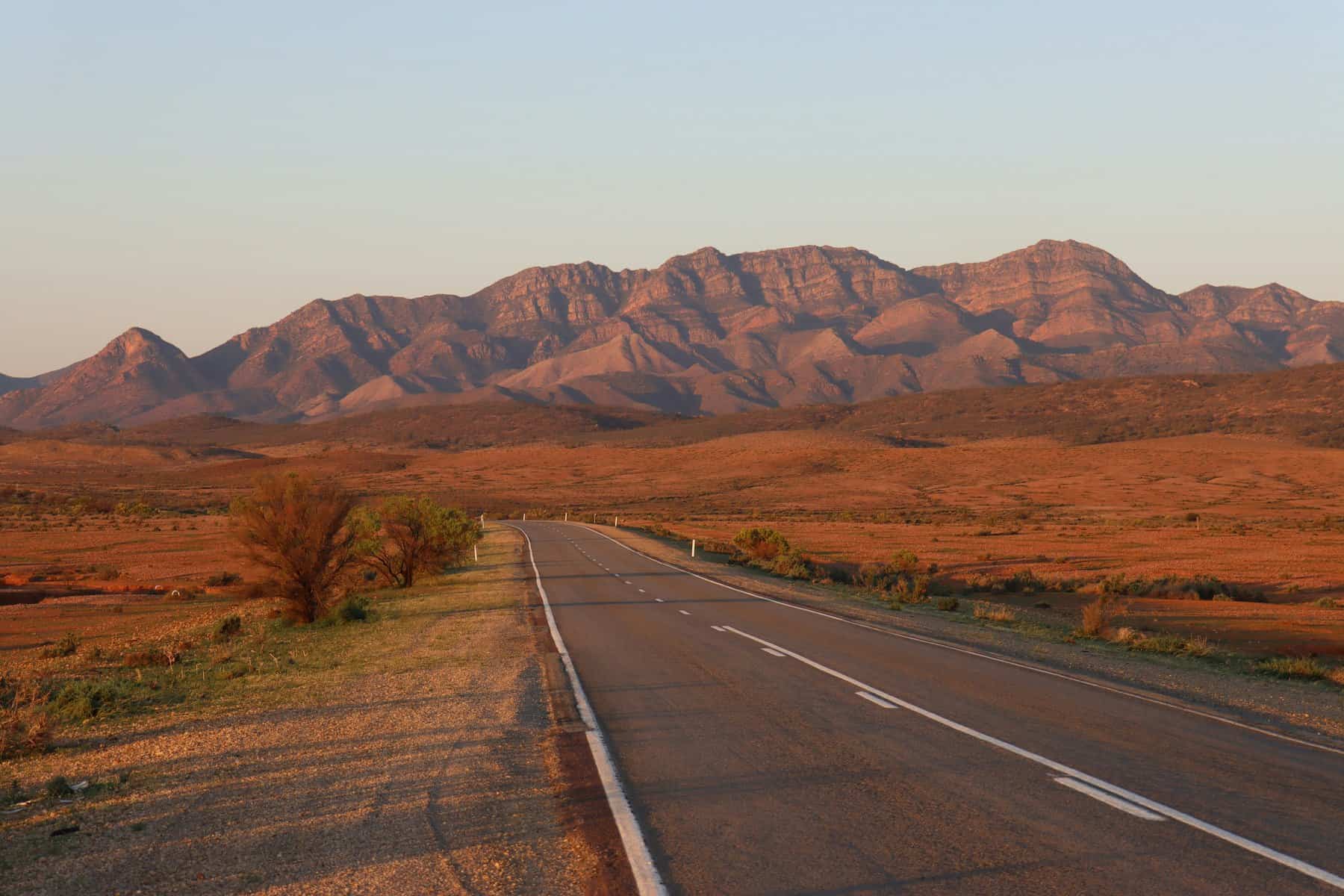
Australian lamb is grown on open pasture by a country that exports more sheepmeat than any other nation. The flavor is clean and sweet, and regional terroir, from coastal saltbush to cool Tasmanian grass, gives each paddock its own taste. Australian lamb also sits at the heart of the national barbecue, which makes it the easiest local dish to eat well.
Why Australian lamb is prized the world over
Australian lamb has a reputation that travels further than most of the country’s foods. Chefs in Los Angeles, Tokyo and Dubai buy it by name. Travelers who taste it at the source understand why within a single bite. The flavor is sweet, clean and gently mineral, never heavy.
Part of that reputation is simple scale. According to Meat & Livestock Australia, Australia remained the world’s largest exporter of sheepmeat in 2025. The same report found the United States had become the largest export market for Australian lamb by volume. American diners are already eating the country’s lamb, often without knowing it.
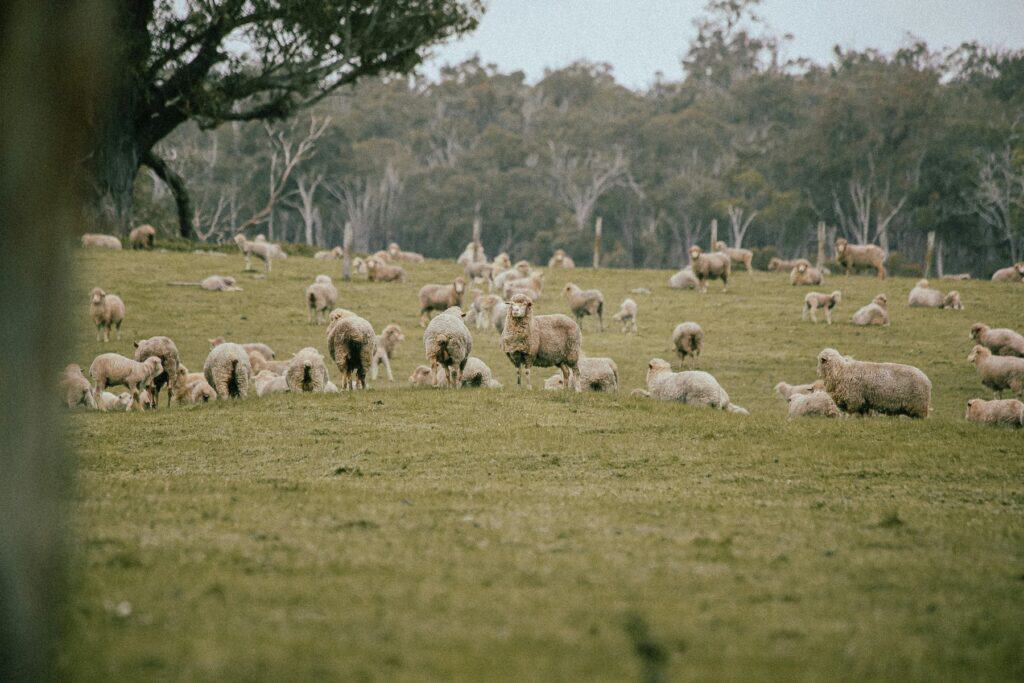
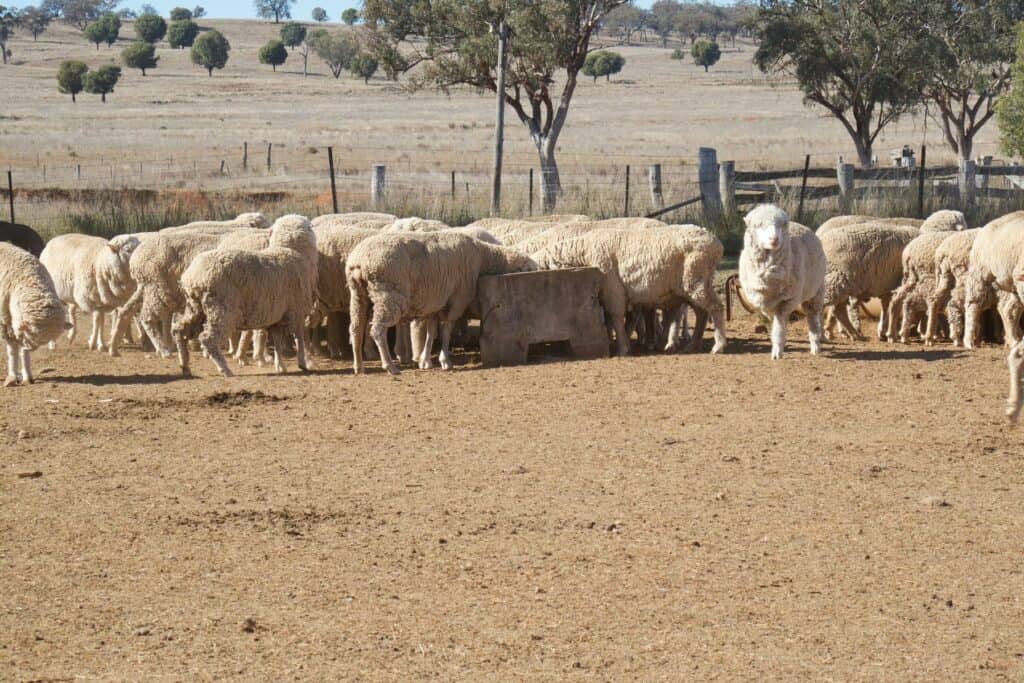
Scale alone does not explain the loyalty. Most flocks graze open pasture for much of their lives, across some of the most varied country on earth. Animals move over salt plains, coastal heath, cool tableland and red-soil ranges. The land shapes the meat in the same way a vineyard shapes wine.
This guide follows that idea from paddock to plate. It starts with saltbush, then moves to the backyard fire, the chefs and the farm stays. It also fits neatly inside the wider story told in our guide to how Australian food became one of the world’s great cuisines.
What makes Australian lamb taste the way it does
Flavor starts with diet and age. Lamb is meat from a young sheep, so it is tender and mild. Hogget comes from a sheep between one and two years old and tastes deeper. Mutton, from older animals, is richer again and has returned to the menus of serious cooks.
Breed matters too. Merino flocks are bred first for fine wool, so their meat tends to be lean. Crossbred and meat-breed flocks, such as Poll Dorset and White Suffolk crosses, carry more marbling. Many producers now blend bloodlines to chase a particular texture.
Feed is the quiet hero. Spring pasture, clover and native grasses all leave their mark. Grain finishing adds fat cover and a rounder flavor. Grass-finished lamb is leaner and more savory, with a faint herbal note.
For a luxury traveler, the practical lesson is to ask. Ask the chef or host which farm raised the lamb, what the animals ate and how old they were. The best kitchens will answer in detail. That conversation is half of the pleasure.
STRAAYA may earn a commission when you buy through these links, at no extra cost to you.
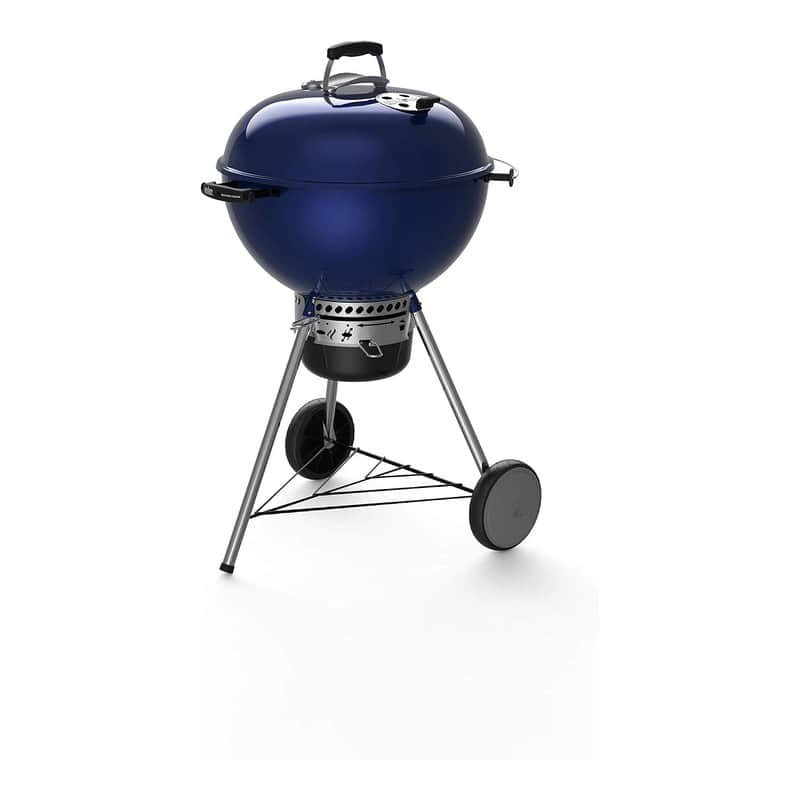
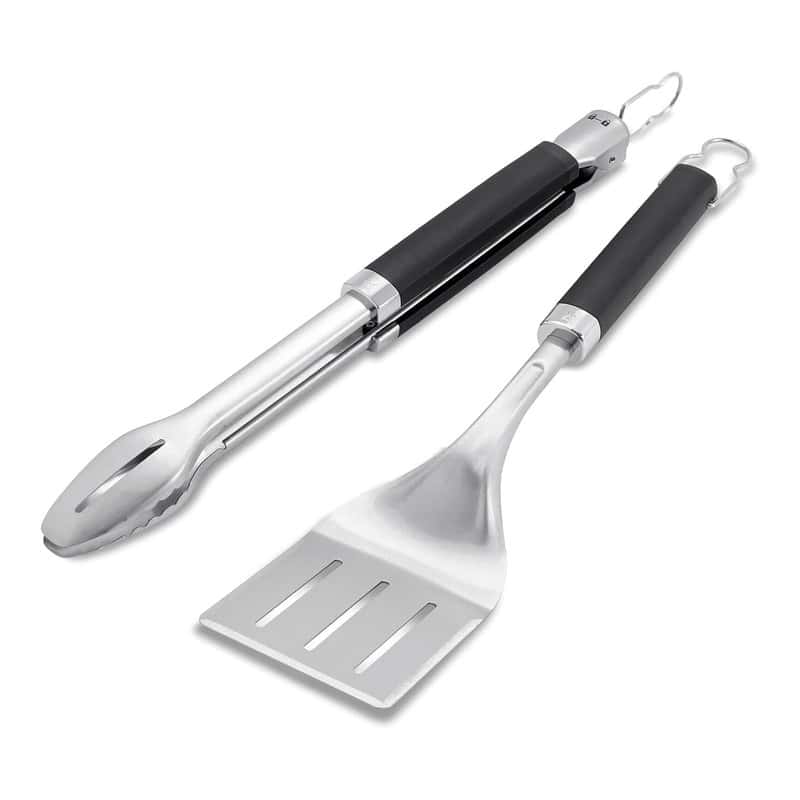
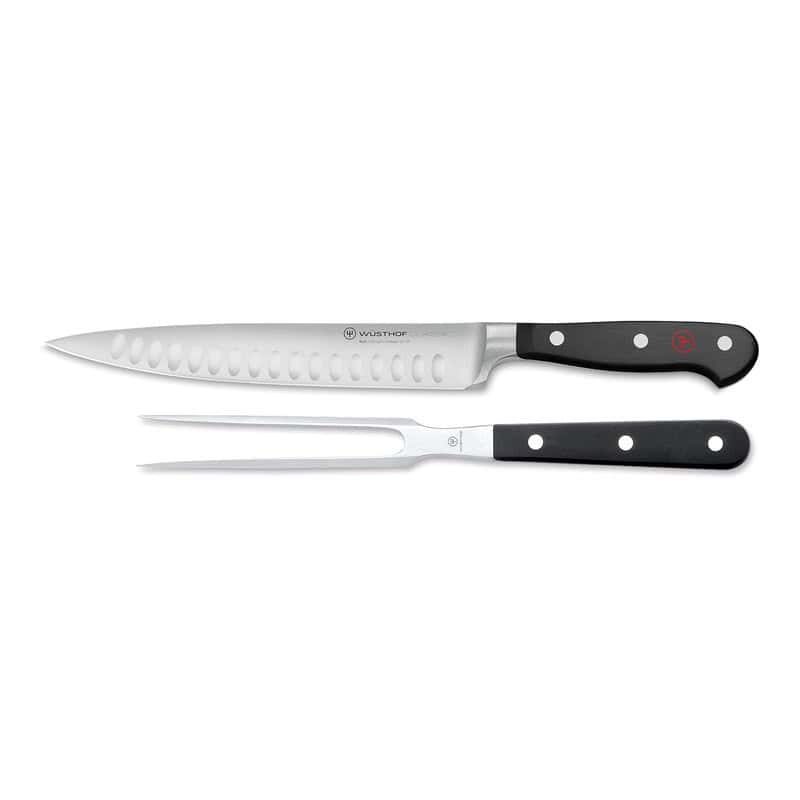
A refined kettle with a hinged grate for searing chops.
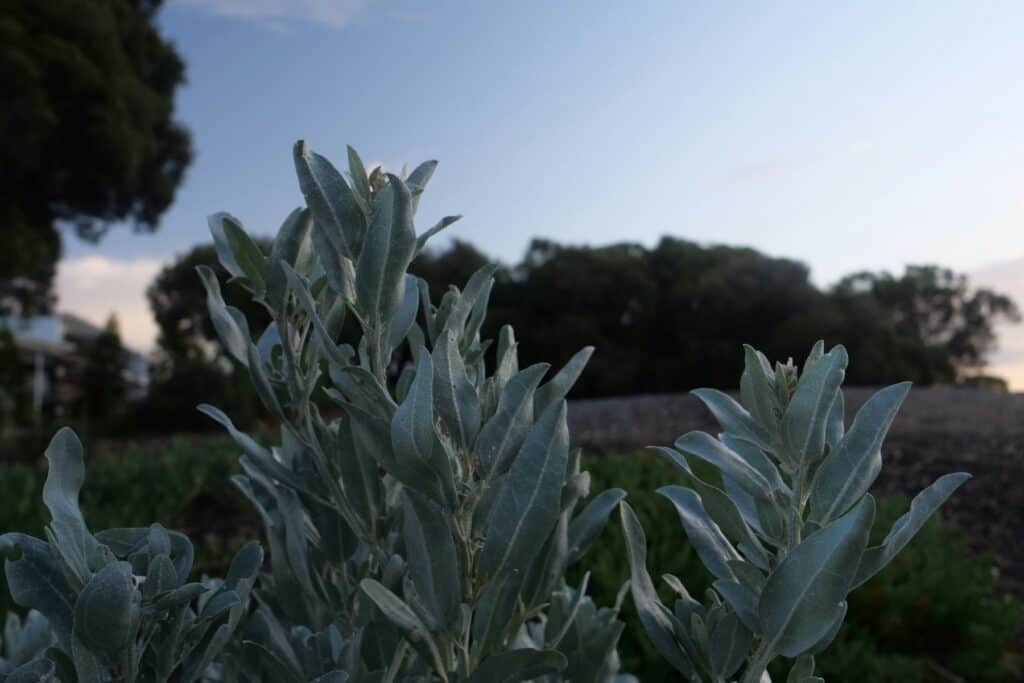
Saltbush lamb and the taste of the land
Saltbush is a hardy native shrub that thrives where little else will grow. It covers the arid and saline country of South Australia, Western Australia and inland New South Wales. Sheep browse its silvery leaves, which hold salt and a surprising amount of nutrition. Cooks say the meat tastes seasoned from within.
The science is more careful than the folklore. A Cambridge University Press study of saltbush and sheepmeat quality fed 26 merino hoggets either a saltbush and barley ration or a standard ration for 10 weeks. The saltbush group showed lower fat and higher lean content in the carcass. The authors also noted that more field work is needed.
Industry research points the same way. A Meat & Livestock Australia final report on saltbush grazing says market research indicated that Saltbush Lamb would be well received by the high value end of the lamb market. It added one condition, which was year-round supply. That condition explains why true saltbush lamb remains a small and special product.
Saltbush also belongs to the older story of this land. Aboriginal people have long known the plant as food and fodder for the country. Our guide to native Australian ingredients explains how chefs now use saltbush leaf, wattleseed and lemon myrtle alongside the meat. A scatter of dried saltbush over roast lamb is a small gesture with a long history behind it.
You may also like

The backyard barbecue as a national ritual
Every Australian knows the sound of a Saturday barbecue. A screen door bangs. Ice drops into an esky. Someone lights the grill and the whole garden turns toward it. The barbecue is less a meal than a way of arranging a day.
Its rules are mostly unwritten. The host owns the tongs and no one else touches them. Guests bring a salad, a dessert or a bottle, and never arrive empty-handed. Conversation happens around the grill, not at the table, because the cook is the center of the party.
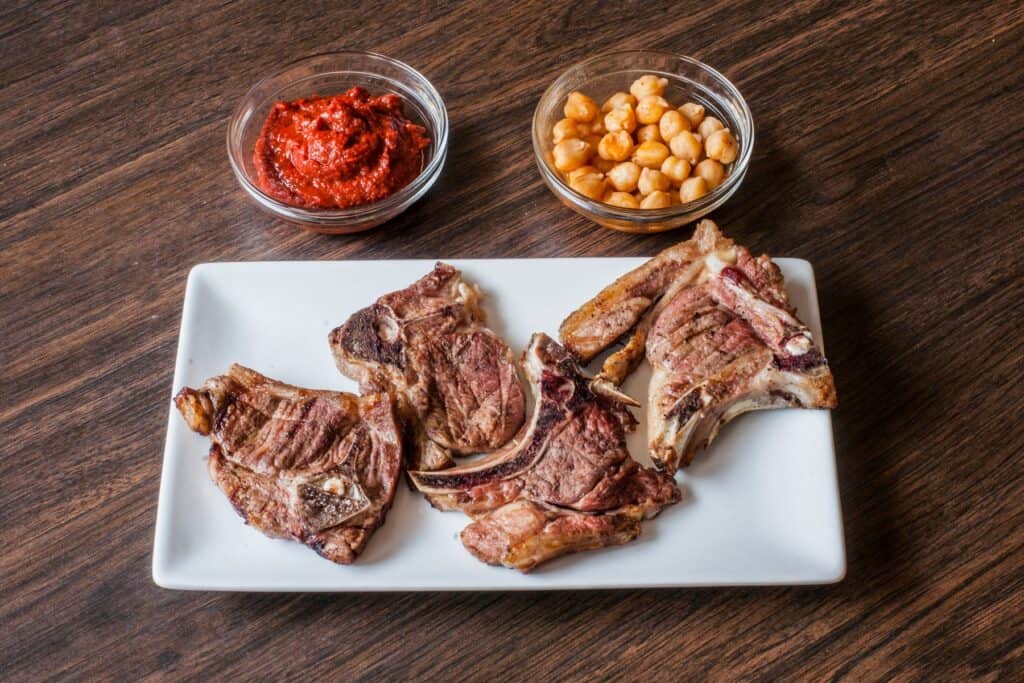
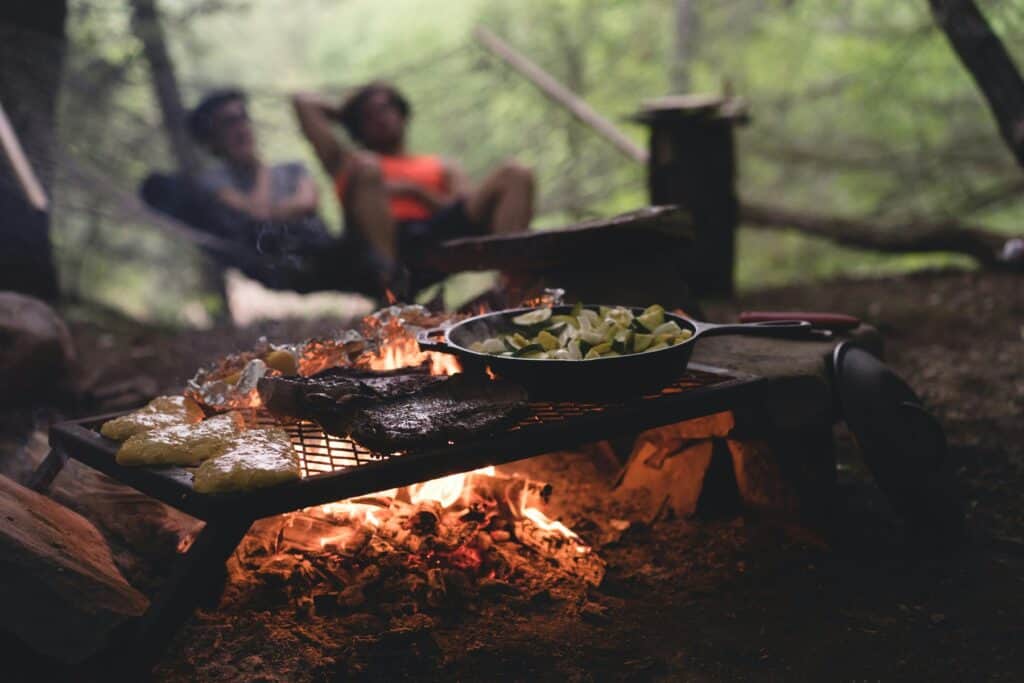
Lamb has a firm place in this ritual. Loin chops are the everyday choice, cut thick and cooked fast over high heat. Butterflied leg is the showpiece for a larger crowd. Cutlets, with their little bone handles, are the elegant option for a long summer lunch. Each cut has a loyal fan at the fence. Arguments about the right one are part of the fun.
Public life follows the same pattern. Parks, beaches and riverbanks across the country have free electric or gas barbecue plates. Families claim them early on weekends. That is part of the culture: a good meal outdoors belongs to everyone, regardless of income.
The same instinct drives a few of the country’s best-loved days. Summer holidays, Australia Day and Boxing Day often revolve around the fire. Our guide to iconic Australian foods covers the rest of that table, from the sausage sizzle to the pavlova.
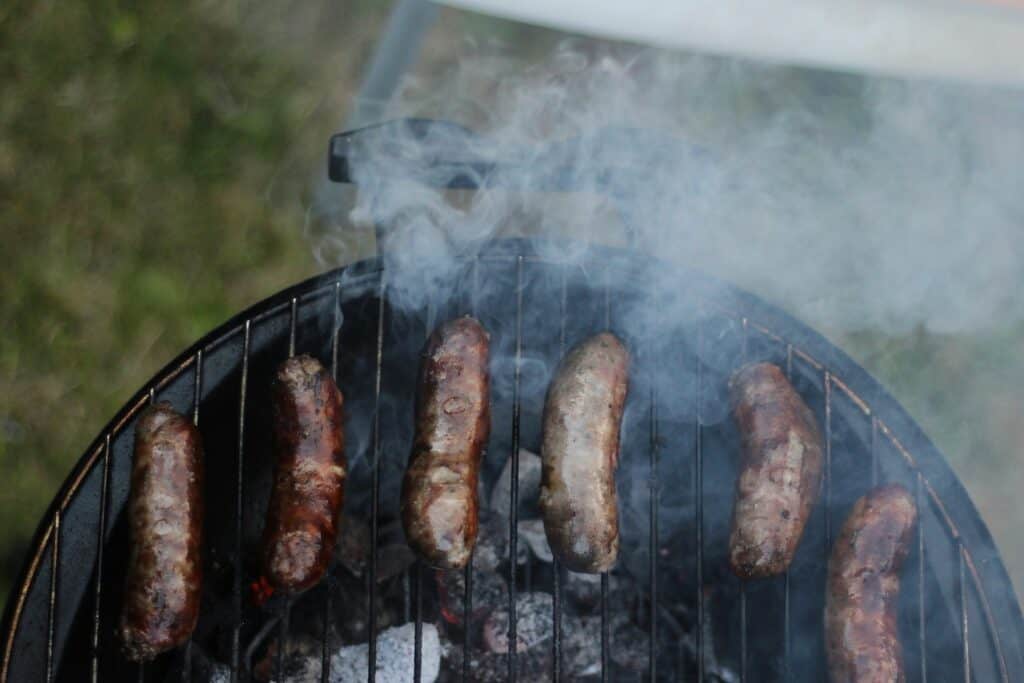
How to cook lamb on the barbecue like an Australian
The first rule is to cook lamb with respect, not with fuss. Take the meat out of the fridge an hour before it hits the heat. Season it generously with flaky salt. Add cracked pepper, a little olive oil and perhaps a crushed clove of garlic. That is enough.
Heat is the second rule. Start the chops or cutlets over a hot fire to build a deep crust, then move them to a cooler zone to finish. Most cooks pull them at medium-rare, when the center is rosy and the juices run clear. Lamb then needs to rest for five minutes, covered loosely, so the juices settle.
Fat is the third rule. Good Australian lamb carries a thin cap of sweet fat, and that fat is flavor. Do not trim it away. Instead, render it on the grill until it crisps at the edges.
For a larger gathering, butterflied leg is the great Australian lamb trick. Ask the butcher to remove the bone and open the leg flat. Marinate it overnight in yogurt, lemon, garlic and rosemary, or in a simple mix of oil and native pepperberry. It cooks in about 30 minutes and slices beautifully across the grain.
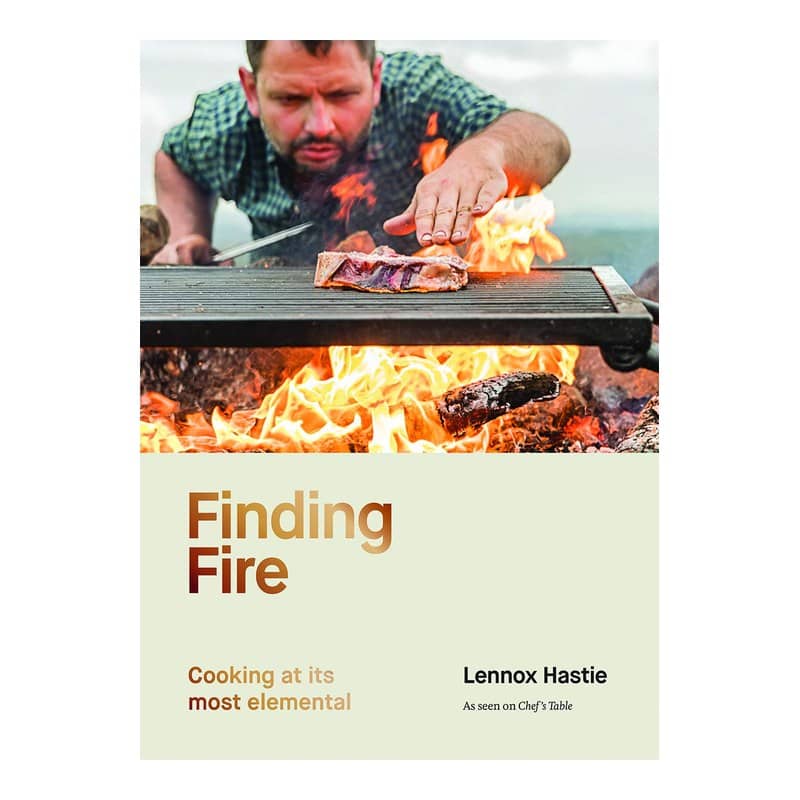
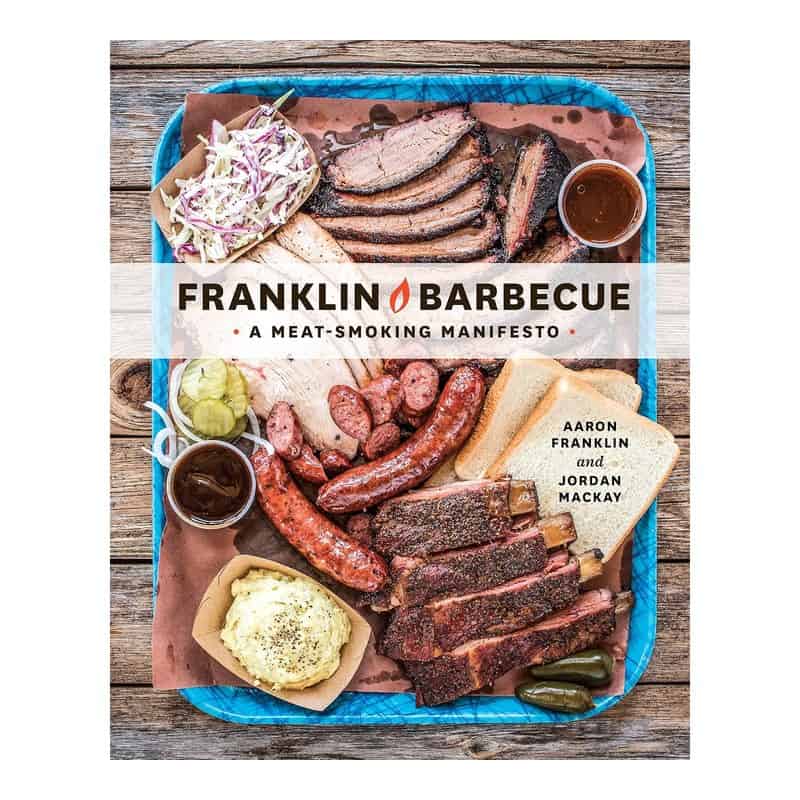
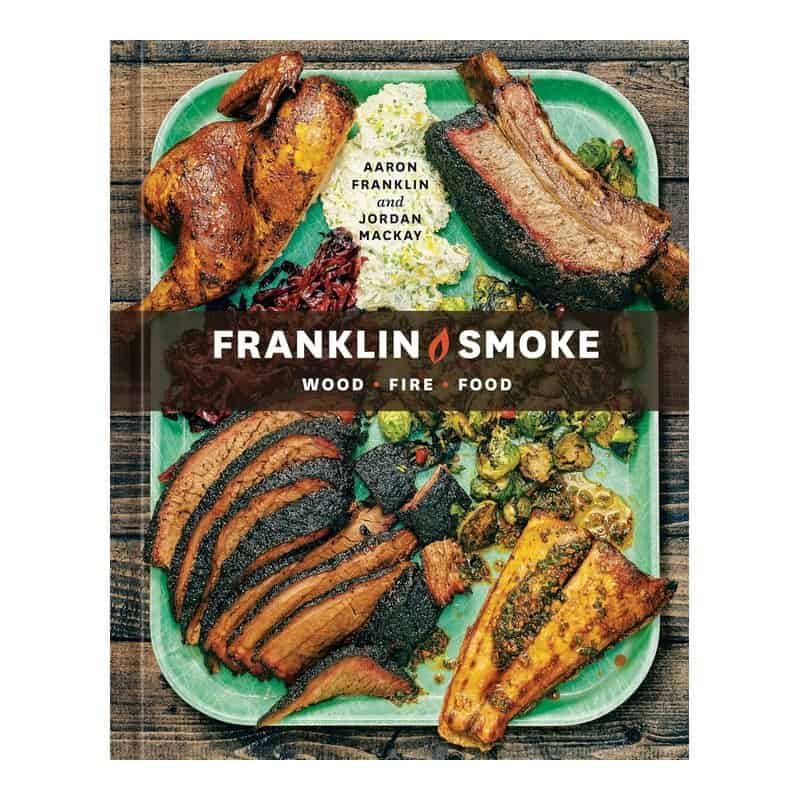
Smoke is the newer chapter. Slow-smoked lamb shoulder, cooked for several hours until it falls from the bone, has become a favorite at weekend cookouts. It rewards patience. It also shows how the old barbecue has grown more ambitious without losing its warmth.
What to serve alongside {#serve}
Keep the sides bright and simple. A tomato and basil salad, charred corn and a bowl of new potatoes with herbs all work. Mint sauce remains a classic, though a salsa verde sharpens the richness more cleverly. Grilled flatbread and a bowl of garlicky yogurt also work well. These simple touches echo the many migrant kitchens that have shaped Australian cooking. For wine, a medium-bodied Shiraz from the Barossa or a cool-climate Pinot Noir is a safe and lovely choice. Our guide to Australian wine tasting experiences shows where to find both.
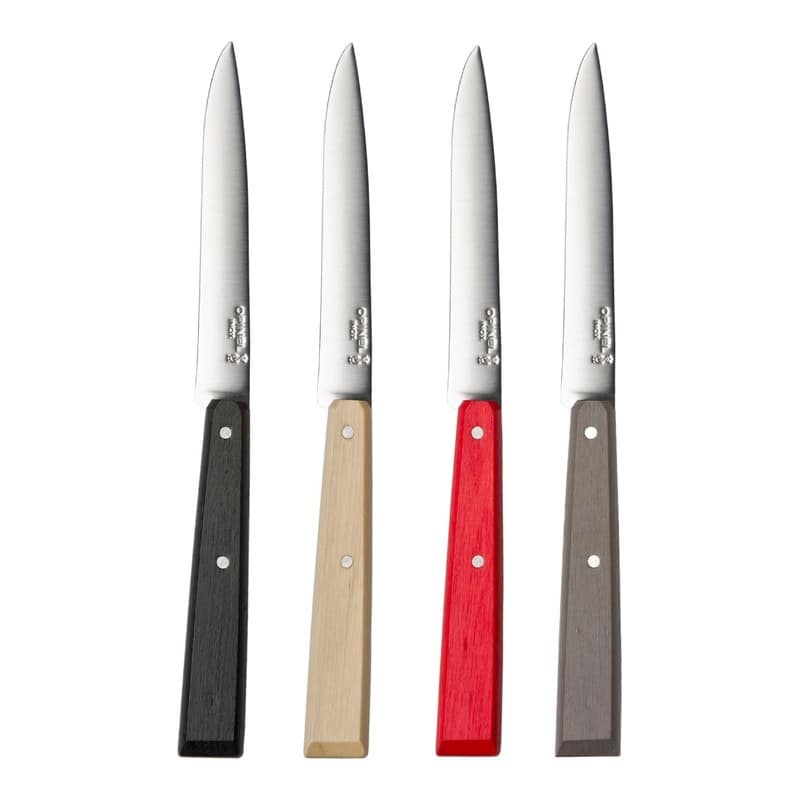
French table knives for cutlets at the table.
Lamb cuts worth knowing before you order
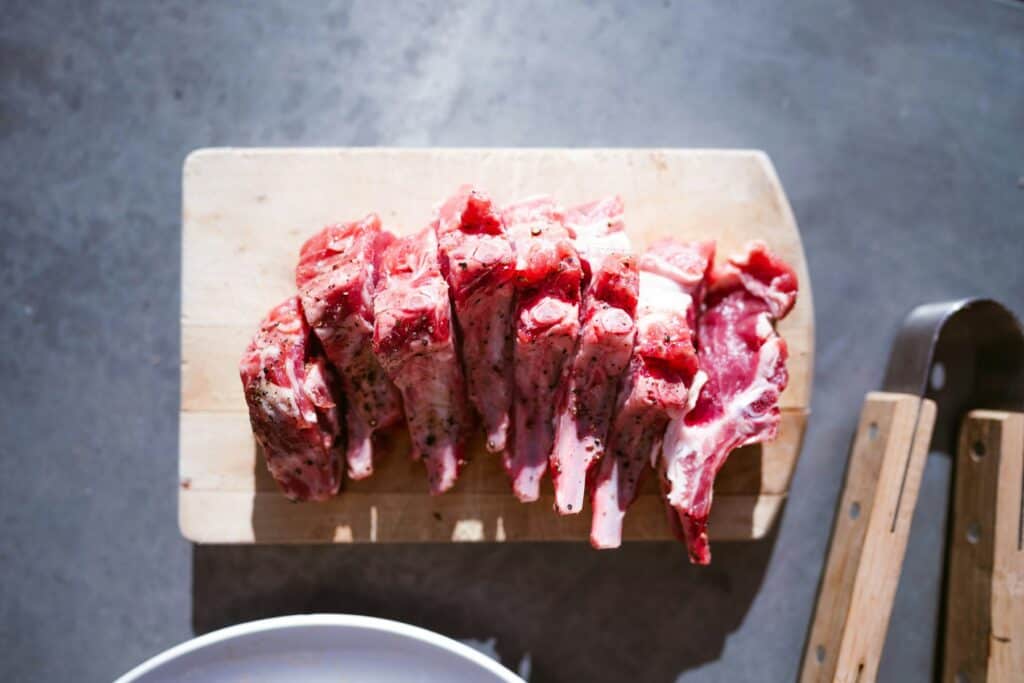
A short vocabulary makes every menu and every butcher easier to read. Most of the cuts below appear on Australian restaurant menus and at the better farm-gate butchers. The table shows what each cut suits best.
| Cut | Best method | Why it works |
|---|---|---|
| Cutlet (rack) | Hot grill or pan, 3 to 4 minutes a side | Tender, quick and elegant to eat by hand |
| Loin chop | Barbecue or grill, finished in cooler zone | Lean eye with a strip of sweet fat |
| Butterflied leg | Barbecue with lid down, 30 to 40 minutes | Even thickness feeds a crowd |
| Rump | Seared whole and sliced | Rich flavor with a little chew |
| Shoulder | Slow smoke or braise for hours | Collagen melts into a silky texture |
| Shank | Braise until the meat leaves the bone | Deep savory sauce and tender meat |
| Neck | Slow braise or stew | Underrated cut with big flavor |
| Backstrap (loin fillet) | Sear quickly, rest well | The most tender cut on the animal |
Knowing the cuts of Australian lamb changes how you eat. A menu that lists shoulder or neck usually signals a kitchen that values the whole animal. That approach has grown in fine dining, and it suits the way Australian lamb is raised. The lean, grass-fed animals reward a thoughtful cook.
The humble shank also leads straight to one of the country’s favorite everyday dishes. Our guide to the Australian meat pie explains how lamb shank became a pie filling worth traveling for.
Lamb on the fine-dining menu
For years, Australian lamb was the dependable dish at the end of a tasting menu. Now it is often the hero. Chefs across the country are cooking it with more care, more age and more regional detail than ever before.
Margaret River offers one of the clearest examples. According to the Australian Good Food Guide, Wills Domain Winery Restaurant at Yallingup is a Chef Hat Award winner best known for its farmhouse Arkady lamb with eggplant, sheep’s yoghurt and zucchini. The restaurant sits among vines in the Margaret River region. Chef Jed Gerrard leads the kitchen. Booking ahead for lunch is wise, and the surrounding region rewards a slow stay. Our guide to Margaret River surfing covers the coast nearby.
The pattern repeats across the map. Chefs in Adelaide, Hobart, Melbourne and Sydney build menus around single-farm lamb. They age it, cook it over fire and serve it with local produce. Many name the farm on the menu, which tells you the cooking is proud of its source. That habit is a gift to the curious traveler. It turns dinner into a map, and it lets you plan the next stop of the trip.
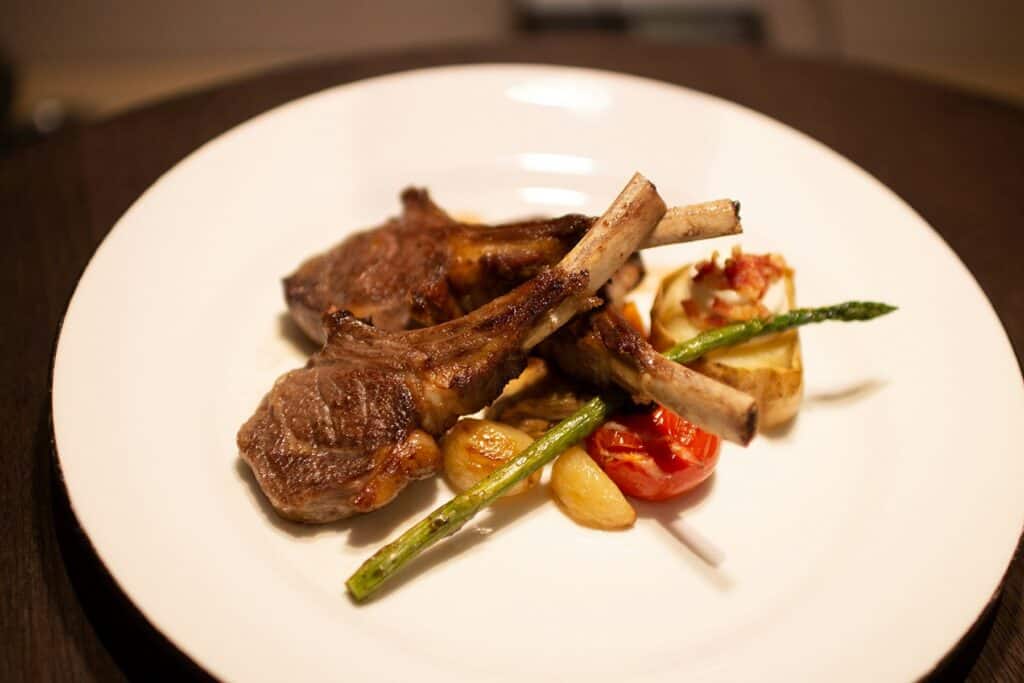
When you book a serious dinner, look for lamb cooked three ways. Typically that means a seared cutlet, a slow-cooked shoulder and a rich jus. It shows what the animal can do and rewards the table with variety. Ask for a Shiraz from a nearby vineyard to finish the pairing.
Do not overlook the lunch table either. Many regional winery restaurants cook lamb simply, over coals, with seasonal vegetables. These are often the most memorable meals of a trip. They are also easier to book than a city tasting menu.
Flinders Ranges lamb at the source
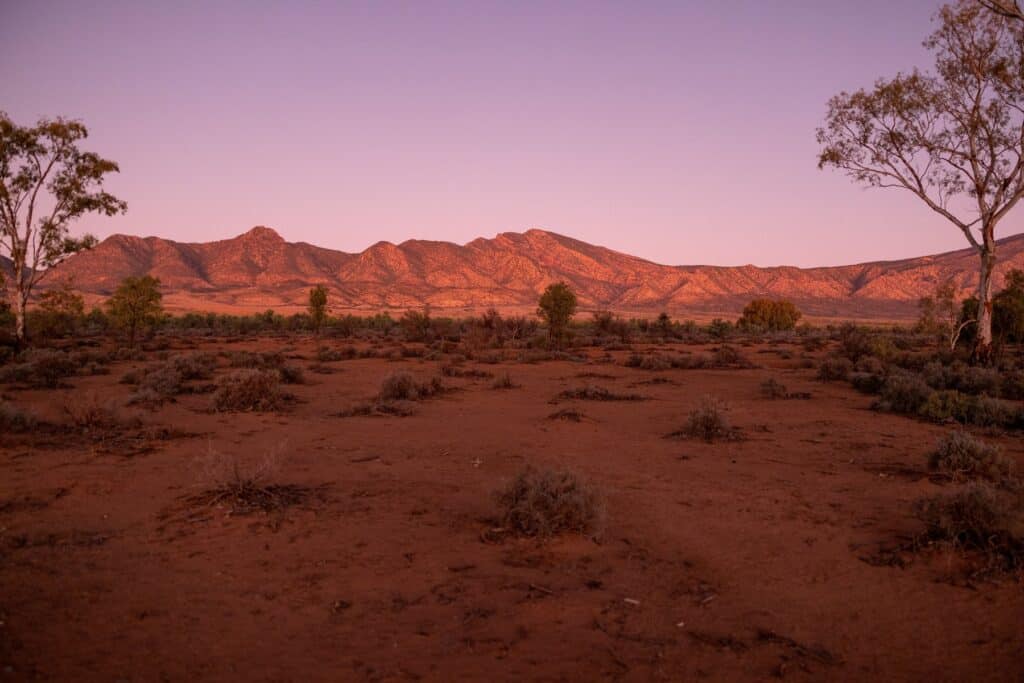
South Australia’s Flinders Ranges are the clearest place to taste lamb in the landscape that made it. The country is ancient, red and wide. Sheep stations have worked it for generations. Saltbush grows on the plains below the ranges.
The most remarkable stay in the region is Arkaba Homestead, listed by South Australian tourism. It sits within a 63,000-acre privately owned wildlife conservancy. Up to ten guests share the restored five-room homestead, which dates to the 1850s. Rates include all meals, drinks and twice-daily guided safaris. Arkaba is a conservation story as much as a food one, which is the kind of travel this country does best.
For a table built around the flock itself, look to Rawnsley Park Station. Its Woolshed Restaurant sits in an authentic Australian woolshed overlooking Wilpena Pound. The Woolshed Restaurant says its ever-changing menu makes the best of local produce, including Rawnsley’s own lamb. In winter, guests sit by a wood fire.
Plan the visit for the cooler months, from April to October. Days are mild and the light is spectacular. Summers are hot and the heat can be fierce. Fly into Adelaide, then drive north or take a light aircraft transfer to the ranges.
Tasmania and the cool-climate flock
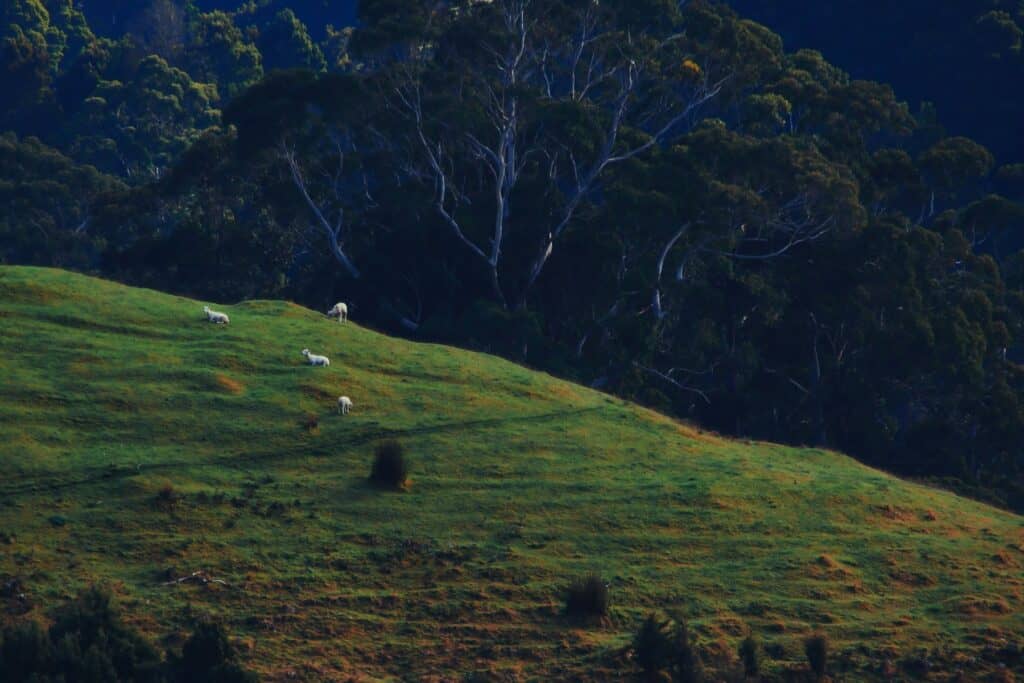
Tasmania offers a gentler lamb story. Rain falls often, grass grows green and the sea air is clean. Flocks graze on rolling farmland and coastal paddocks. Many Tasmanian producers sell direct, and many kitchens name them on the menu. Hobart’s waterfront and the farm gates of the Huon Valley reward a slow drive. Allow time for stops, because the best finds sit beside the road.
Near Launceston, Mudbar Farm Tours offers a working-farm experience. Discover Tasmania describes the farm as one that supplies premium beef, lamb and seasonal produce to Mudbar Restaurant and its sister venues. Guests explore the farmland, meet the animals and learn how small-scale farming shapes flavor. Depending on the experience chosen, visitors may enjoy tastings or relaxed farm-style dining.
The tour sits at White Hills, a short drive from Launceston. Pair it with a night in the Tamar Valley or a day among the cool-climate wineries. Spring is especially lovely, when the lambs are in the paddocks and the hedgerows bloom.
Tasmania also suits the traveler who wants to combine lamb with seafood. Our guide to Australian seafood worth traveling for shows how the island’s coast and farmland sit side by side. A lunch of oysters followed by a lamb supper is a very Tasmanian day.
What to book for a paddock-to-plate trip
A good lamb trip needs a little planning, but not much. Choose one or two regions and stay long enough to eat well. Three nights in the Flinders Ranges and three in Margaret River make a lovely pair. A week in Tasmania gives the same depth in a smaller package.
Book the farm stays first, because the best have few rooms. Arkaba takes no more than ten guests at a time, so dates fill early. Then reserve one or two serious dinners. Ask each restaurant about its lamb producer when you book. The answer usually tells you how much care sits behind the kitchen.
Build in time for the unplanned. Roadside farm gates sell lamb, wool and preserves. Small-town butchers often sell excellent lamb sausages, which make a fine picnic. Local markets, covered in our guide to the best food markets in Australia, are a good place to meet producers.
Carry a small cooler for the day. Many farm shops will vacuum-pack lamb for a few hours of travel. You can then cook it that evening at your hotel kitchen or holiday house. Check your airline’s rules and customs limits before taking any meat home, because Australia’s biosecurity rules are strict.
You may also like

When to go and what to eat each season
Australian lamb tastes different across the year, and so does the trip. Spring brings the youngest animals and the greenest pastures. Many chefs call this the most delicate season. Menus often feature cutlets and loin, with peas, asparagus and herbs.
Summer is barbecue season. It runs from December to February and the whole country moves outdoors. Coastal towns fill up, so book early. This is the best time to join a backyard or beach barbecue, if you receive an invitation.
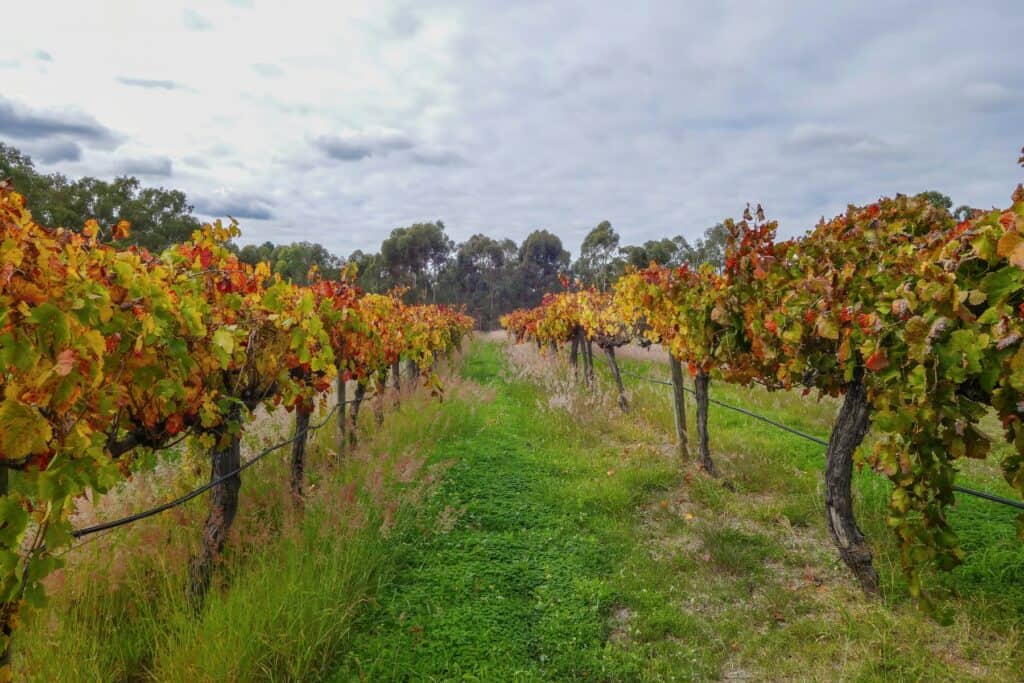
Autumn suits the slow dishes. Shoulder and shank come into their own as the evenings cool. It is also harvest time in the wine regions, so cellar doors and restaurants buzz. The weather is mild and the crowds are lighter.
Winter is for the fire. Woolshed restaurants light their hearths and the outback is crisp and clear. In the Flinders Ranges, the cooler months are the most comfortable for walking and dining. Pack warm layers, because desert nights can be cold.
Lamb, the land and the people who care for it
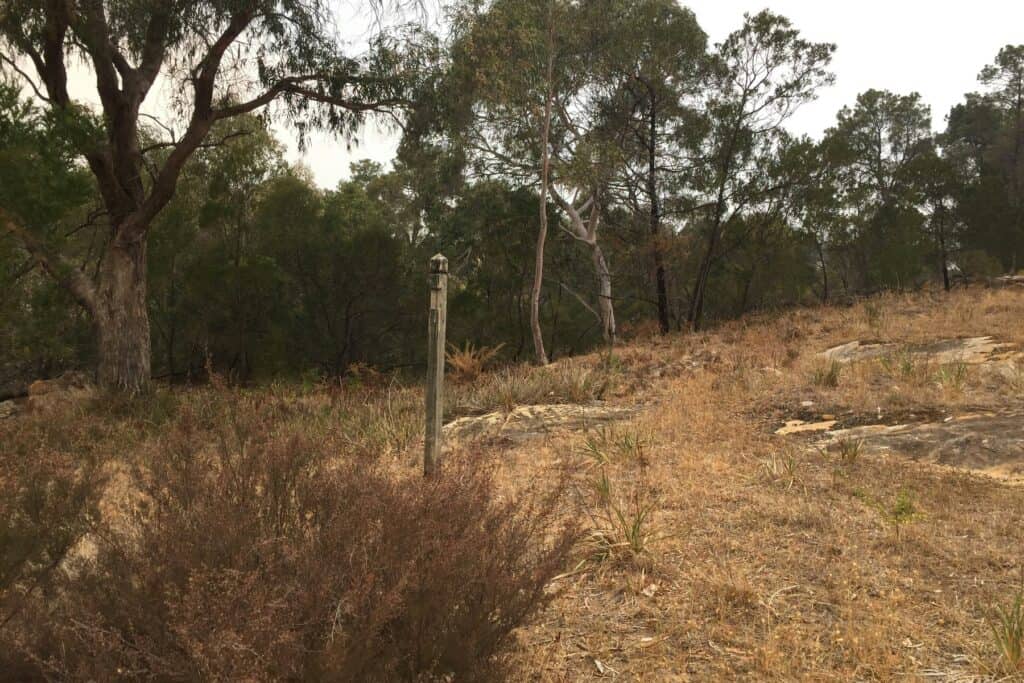
Australian lamb tells a story about land stewardship. Sheep country covers vast areas, and the way it is managed affects wildlife, water and soil. Many producers now rotate paddocks, plant native shrubs and protect remnant bush. These practices improve the land as well as the flock.
Arkaba shows the other side of the story. It is a former sheep station turned wildlife conservancy, where guests track wildlife on foot and by vehicle. The place demonstrates that grazing country and conservation country can overlap. It also shows how travelers can support land care through their choice of stay.
Indigenous knowledge runs through this story. Aboriginal land managers have cared for this country for tens of thousands of years, using fire and seasonal movement with great skill. Many modern farmers now seek that advice. Travelers can honor it by choosing guides and hosts who credit the traditional owners of the land.
The simplest way to travel well is to eat what the place grows. Choose the local lamb, ask where it came from and tip the people who tend it. Small choices like these keep family farms alive. They also keep the best flavors on the table.
Eating Australian lamb well at home
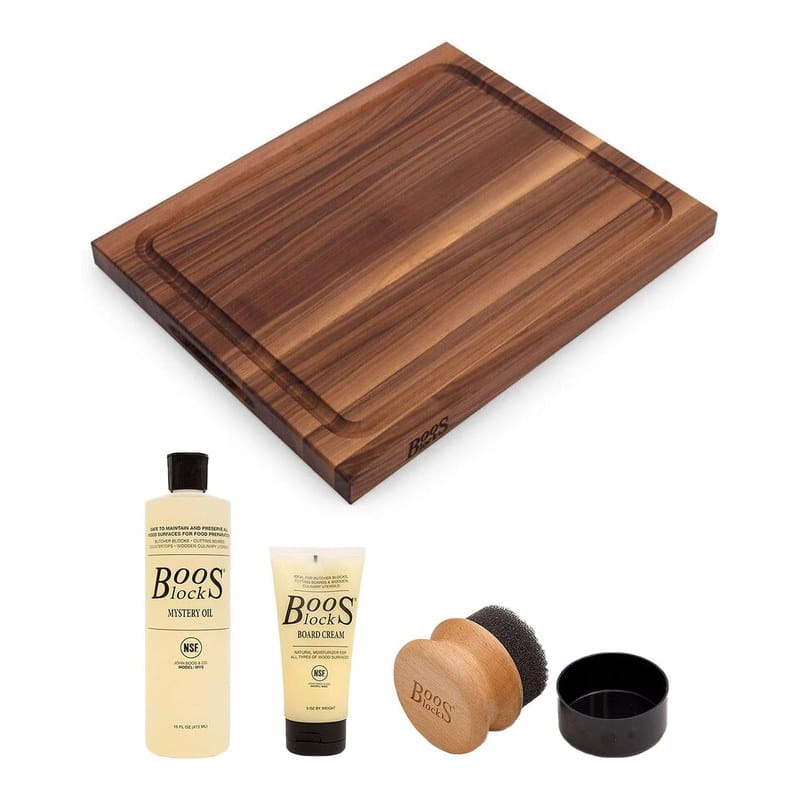
Souvenirs of lamb are rarely edible, but the knowledge travels. A good butcher will teach you the cuts. A good cookbook will teach you the technique. Buy a heavy cast-iron pan, a thermometer and a decent set of tongs.
Look for lamb with a pale pink color and a thin, creamy cap of fat. Ask whether it is grass-fed or grain-finished, because the two cook differently. Grass-fed lamb needs a little more care, since it is leaner and can dry out. Rest it well and slice it thinly across the grain.

Pair it with the flavors of the place you visited. Saltbush, rosemary and native pepper all suit lamb. Add a Barossa Shiraz or a Margaret River Cabernet blend to the table. You can recreate an afternoon in the ranges without leaving your kitchen. Serve it late, with the windows open and the table full.
For serious fans, a barbecue lesson is worth the money. Many regional cooking schools and farm stays offer them. You will learn fire control, which is the real secret of Australian barbecue. The recipes follow easily after that.
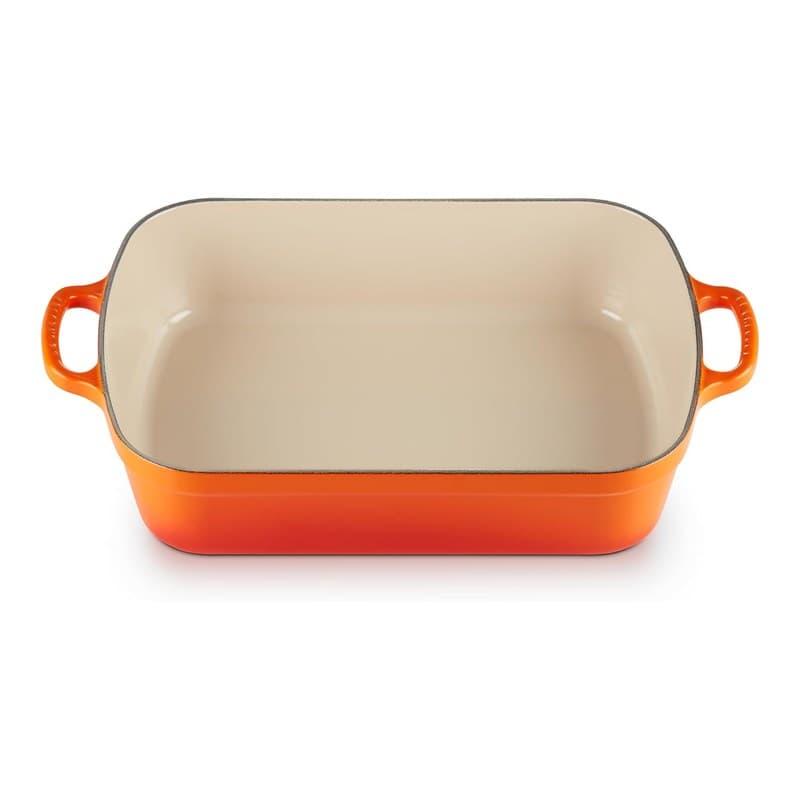
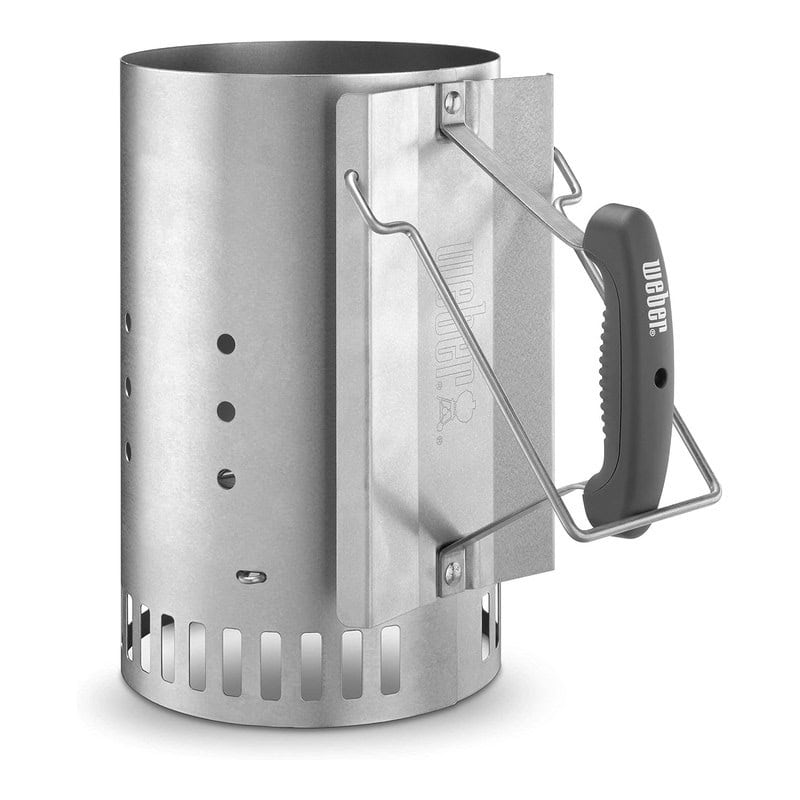
Even heat for a slow shoulder or a leg with potatoes.
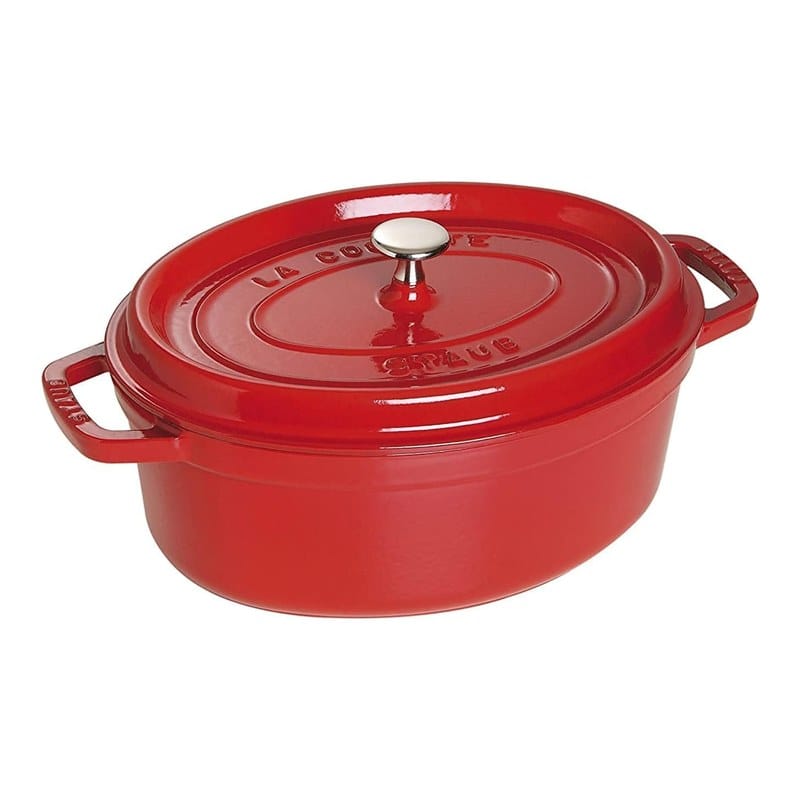
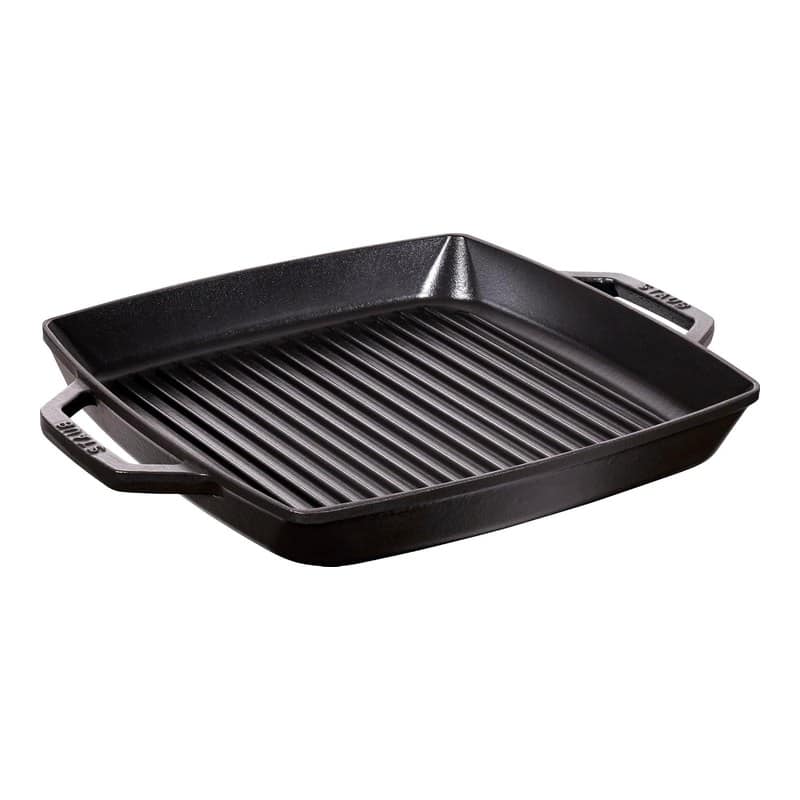
Sear cutlets indoors when the weather turns.
Planning your Australian lamb journey
Australian lamb rewards a traveler who looks closely. Start with a region and a season, then choose a stay and a table to match. Follow the flock from the saltbush plains to the cool Tasmanian pastures. Each stop tastes different, and each tells a piece of the national story.
Keep the plan loose enough for a backyard invitation. If a local offers you a place at the barbecue, say yes. It will probably be the best meal of the trip. For the wider picture, return to our guide to Australian food and let it shape the rest of your itinerary.
Take our short quiz and find the city, coast and table that suit you best.
Take the quizQuestions worth asking
What makes Australian lamb different from lamb in other countries?
Most Australian lamb is raised on open pasture across varied landscapes. That gives it a clean, sweet flavor and a lean texture. Regional terroir, from saltbush plains to cool Tasmanian grass, adds its own character.
What is saltbush lamb?
Saltbush lamb comes from sheep that graze native saltbush on saline country. Cooks say the meat tastes lightly seasoned and juicy. Research shows saltbush grazing can produce leaner carcasses, though more field work is still needed.
Where can I taste Australian lamb at the source?
The Flinders Ranges of South Australia, Tasmania and the Margaret River region all offer good options. Rawnsley Park Station serves its own lamb at the Woolshed Restaurant. Mudbar Farm Tours near Launceston supplies lamb to Mudbar Restaurant and its sister venues.
What is the best way to cook lamb on an Australian barbecue?
Season well, sear over high heat, then finish in a cooler zone. Cook chops and cutlets to medium-rare and rest them for five minutes. Butterflied leg, marinated overnight, is the best choice for a crowd.
When is the best time to eat Australian lamb?
Spring brings the most delicate lamb, and summer is the peak barbecue season. Autumn and winter suit slow-cooked shoulder and shank. Any season works if you book a good table.
Can I take Australian lamb home with me?
Rules vary by country and airline, so check before you travel. Australia and most destination countries have strict biosecurity limits on meat.