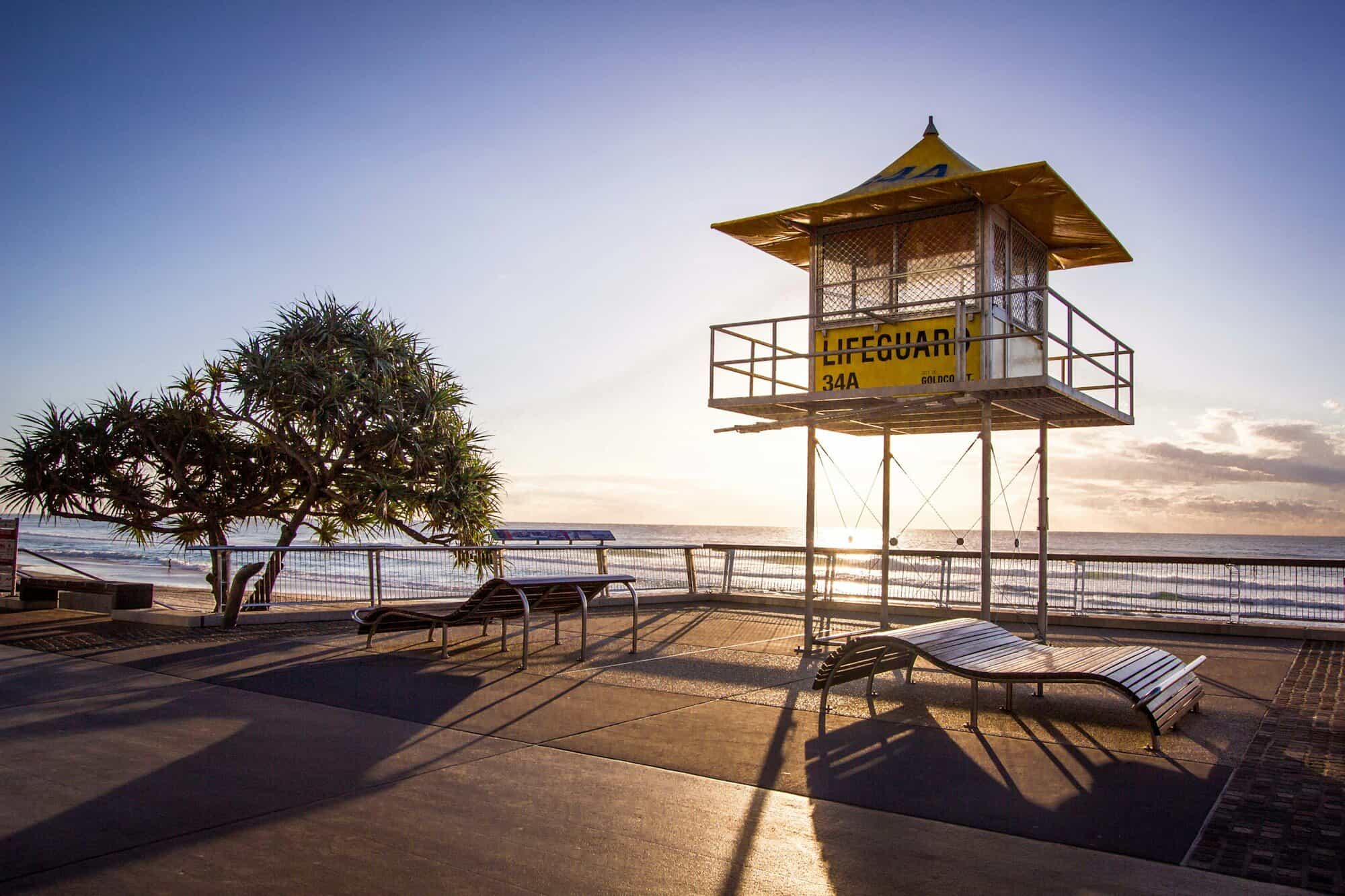
Surf lifesaving is Australia’s volunteer movement that patrols beaches, rescues swimmers and teaches ocean safety. It began on the Sydney beaches in the early 1900s and now counts nearly 200,000 members in hundreds of clubs. For visitors, its red and yellow flags mark the safest place to swim.
Why surf lifesaving Australia style defines the beach
Every great Australian beach has the same quiet guardians. Volunteers in red and yellow caps stand by the flags, watching the water with practiced eyes. Behind them sits a clubhouse, often with a deck full of families and a board rack by the door. That scene is surf lifesaving, and it shapes the Australian beach more than any other force.
For international visitors, surf lifesaving Australia style can be a surprise. These are not paid guards in most cases, but unpaid volunteers giving up their weekends. They train hard, pass exams and patrol in all weather. As a result, millions of people swim safely every summer.
The movement is also a cornerstone of Australian surf culture. It created the flags, the carnivals and the beach etiquette that every Australian child learns. Moreover, it turned the beach into a place of community and service. Understanding it adds depth to every visit to the coast.
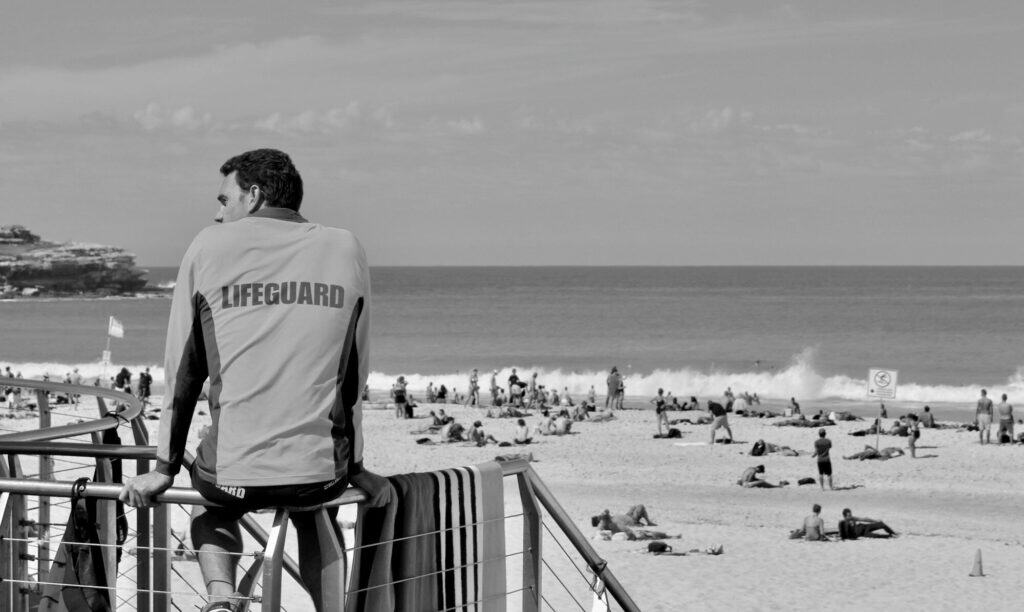
The movement’s values are easy to recognize. Lifesavers prize vigilance, fitness and selflessness above glory. They rarely seek attention, even after dramatic rescues. Yet almost every Australian can name a time when a lifesaver helped someone they know.
This guide traces the story from the first Sydney clubs to the modern movement. It explains how patrols work, what the flags mean and how to stay safe. It also shows where to watch a surf carnival and how visitors can support the clubs.
How it began on the Sydney beaches
In the early twentieth century, Sydney’s beaches were becoming popular with ordinary families. However, many swimmers had little experience of strong surf and rips. As a result, drownings were common, and local residents decided to act. They formed volunteer groups to watch the water and rescue those in trouble.
Bondi led the way. According to Waverley Council’s local history archive, Bondi Surf Bathers’ Life Saving Club was founded on 21 February 1907. It is recognized as the oldest official surf club in Australia. Soon afterward, similar clubs appeared on beaches up and down the coast.
Councils also began to employ professional lifeguards. The same Waverley archive records that the first lifeguard started his solo patrol of Bondi in December 1913. Over the following decades, volunteers and professionals learned to work side by side. That partnership still protects Australian beaches today.
STRAAYA may earn a commission when you buy through these links, at no extra cost to you.

A soft bucket hat from the Australian sun protection specialist.
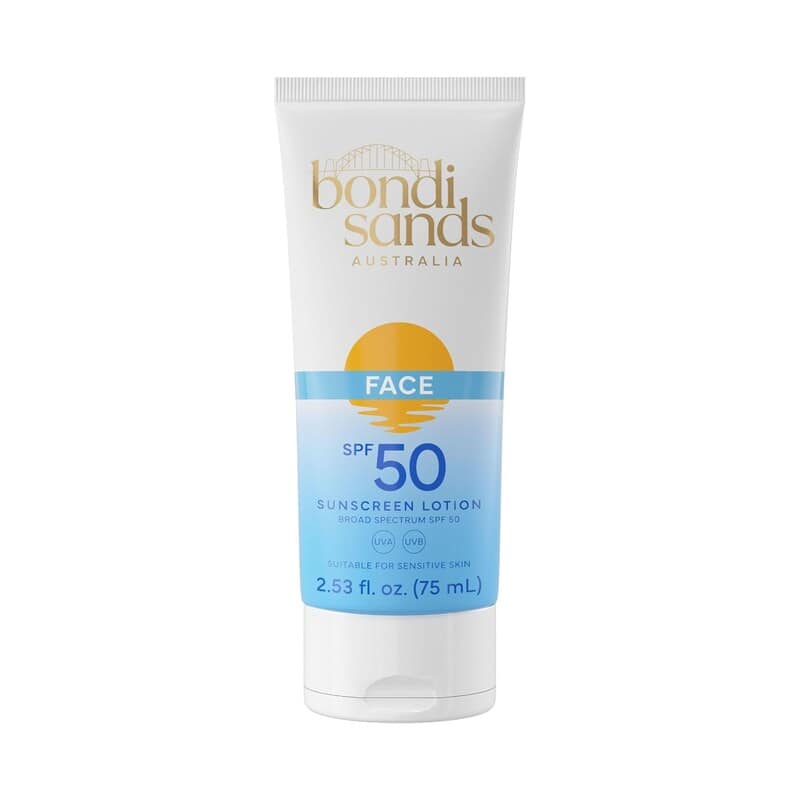
A light face sunscreen from the Australian brand.

A gentle mineral formula made for children’s skin.
A long patrol day or beach visit means hours in strong sun. These pieces offer serious protection without fuss.
The early clubs were proudly local. Each one guarded its own stretch of sand and trained its own crews. Rivalries between clubs soon turned into friendly competition. Those contests became the first surf carnivals, which still thrive today.
The early lifesavers developed their own equipment and methods. They used reels and lines to reach swimmers beyond the break, then refined resuscitation techniques. In time, rescue boards, surf boats and inflatable boats replaced older tools. Each change made rescues faster and safer.
Above all, the early lifesavers created a culture of service. They patrolled without pay, trained in their own time and took pride in every rescue. That ethic spread quickly along the coast. Indeed, it remains the foundation of the movement more than a century later.
Surf lifesaving in Australia today
Today, surf lifesaving Australia is one of the country’s largest volunteer movements. In its 2023/24 annual report, Surf Life Saving Australia counted 198,916 members across 315 affiliated clubs. Members range from young children to veterans who have patrolled for decades. Together, they cover beaches in every state.
The movement has also grown more diverse. Women, young people and members from many cultural backgrounds now patrol beaches across the country. Clubs actively welcome new arrivals to Australia and teach them surf skills. Consequently, the red and yellow cap has become a symbol for every community on the coast.
In surf lifesaving Australia, volunteers usually patrol on weekends and public holidays during the warmer months. Meanwhile, council or professional lifeguards often cover weekdays at busier beaches. Patrols set up flags, watch the water and respond to emergencies. They also provide first aid, search for missing children and give safety advice.
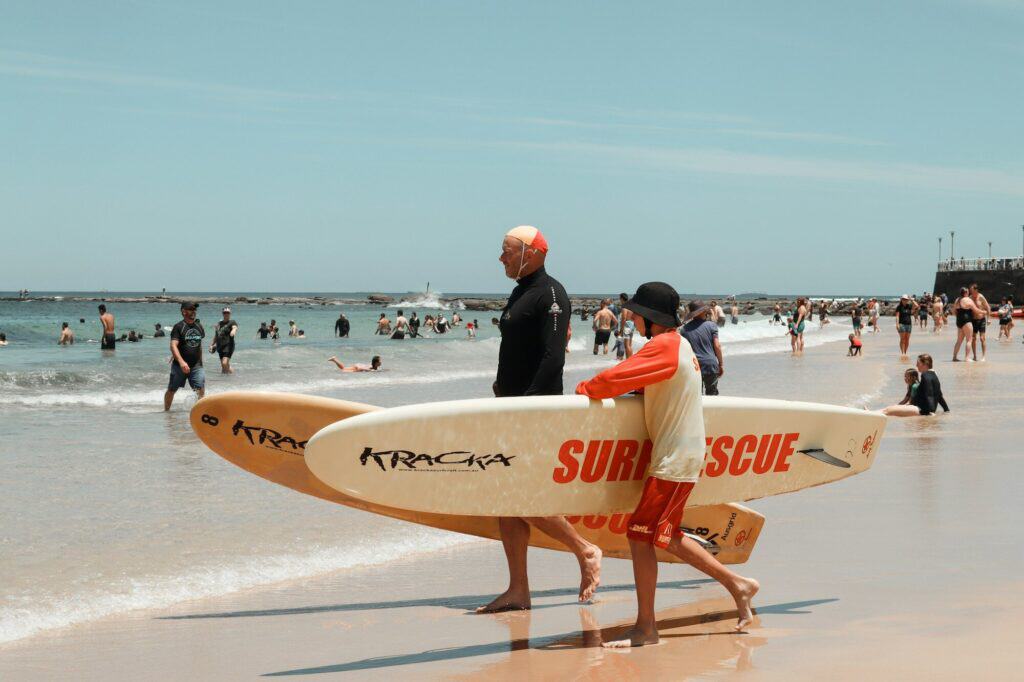
Not surprisingly, training is rigorous. New members complete courses in rescue techniques, first aid and resuscitation. They must also pass swimming and fitness tests before joining a patrol. After that, regular refreshers keep their skills sharp.
Members also earn awards as they progress. The Bronze Medallion is the classic qualification for patrolling lifesavers. Further awards cover rescue boats, advanced resuscitation and leadership. For many Australians, earning a Bronze Medallion is a proud rite of passage.
The red and yellow flags
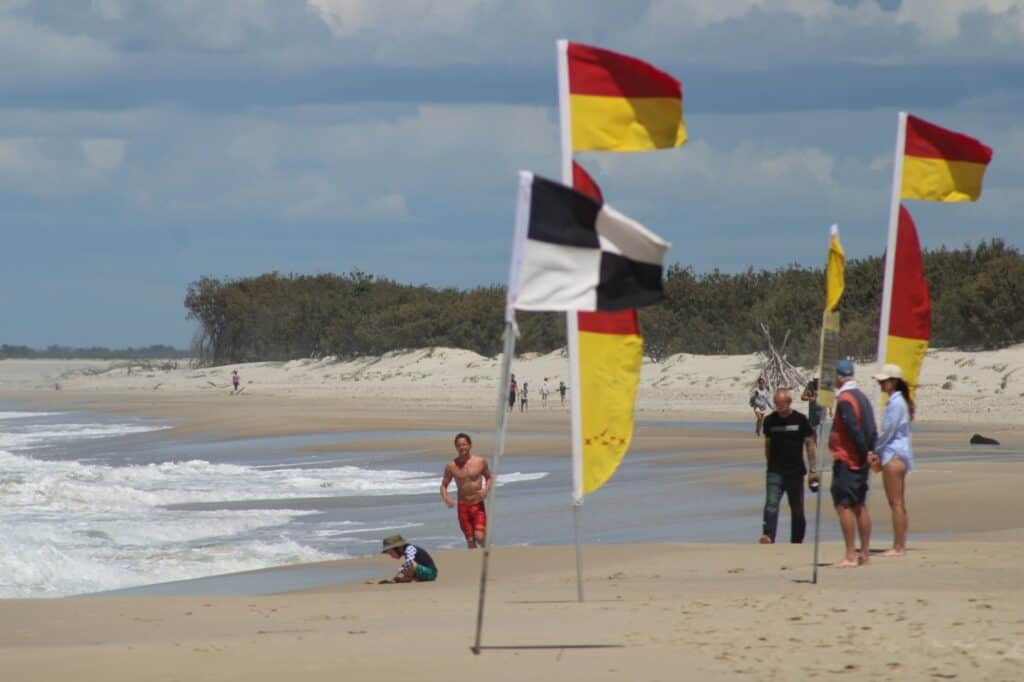
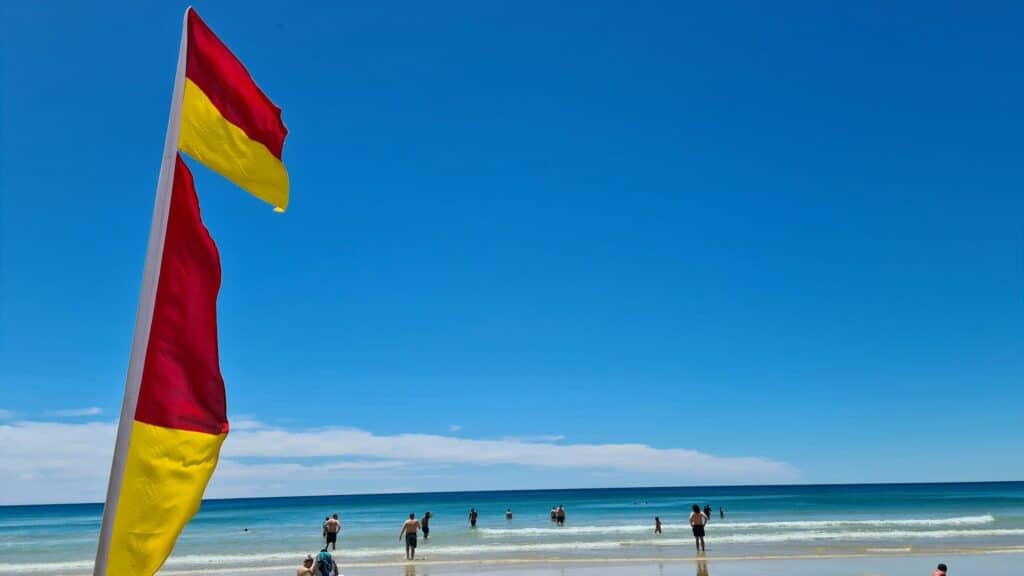
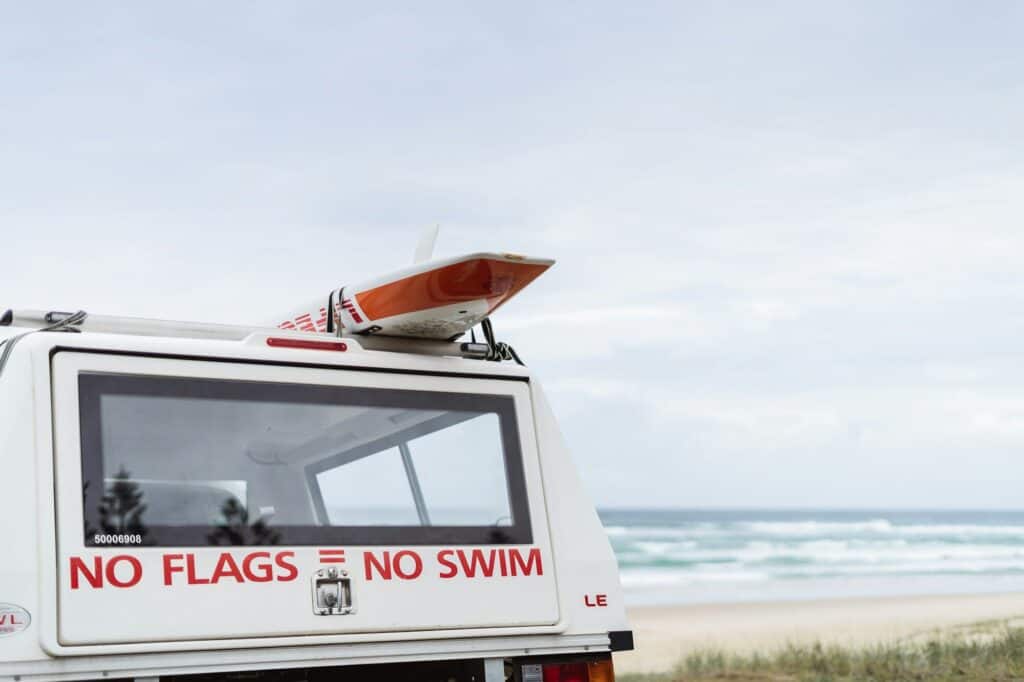
For surf lifesaving Australia, the red and yellow flags are the most important symbol on any beach. In short, they mark the area that lifesavers or lifeguards are actively watching. Swimming between them is the single best way to stay safe. If there are no flags, there is no patrol, and swimming carries far more risk.
You may also like

Lifesavers move the flags during the day as conditions change. They choose the safest stretch of water, away from rips and rocks. Therefore, the flagged area may shift after lunch or with the tide. Always check where the flags are before you enter the water.
Other flags and signs carry important messages too. A red flag means the beach is closed to swimming. Black and white quartered flags mark an area for surfboards and other craft. Learning these surf lifesaving Australia signals takes only a minute, and it can save a life.
The table below summarizes the most common signals you will see. Keep it in mind whenever you visit a new beach. In addition, remember that conditions can differ greatly between beaches only a short walk apart.
| Signal | Meaning | What to do |
|---|---|---|
| Red and yellow flags | Patrolled swimming area | Swim between them |
| Red flag | Beach closed | Do not enter the water |
| Black and white quartered flags | Surfcraft area | Surfers only, swimmers stay out |
| No flags | No patrol | Choose a patrolled beach |
| Raised arm in the water | Swimmer needs help | Stay afloat and wait |
| Yellow flag | Potential hazards | Take extra care |
| Lifesaver whistle | Attention needed | Look to the patrol for instructions |
A day on patrol
A patrol day begins early. Before the beach fills, the team checks the water, the weather and the banks. Then they choose the safest stretch and plant the flags. Next, they set up rescue boards, first aid kits and radios at the patrol tent.
Throughout the day, lifesavers rotate between roles. Some watch from the tower or the sand, while others stand at the water’s edge. Meanwhile, a rescue boat crew waits ready to launch. Every member knows exactly what to do if a whistle blows.
Most patrol days are quiet, filled with advice, first aid for stings and reuniting lost children with parents. However, conditions can change in minutes. A sudden rip or a big set can sweep several swimmers off a sandbank at once. In those moments, years of training take over.
Communication is constant. Patrols use radios to stay in touch with neighboring beaches, lifeguard services and emergency crews. If a swimmer is missing, several clubs can join the search within minutes. Therefore, each patrol is part of a much larger safety network.
Weather adds another layer of challenge. Lifesavers watch for storms, lightning and sudden wind changes. When danger rises, they close the beach and clear the water quickly. Swimmers who follow their instructions keep everyone safe.
At the end of the patrol, the team packs away the flags and records the day’s events. Then, often, they share a meal at the clubhouse. That mix of serious duty and easy friendship sits at the heart of surf lifesaving Australia.
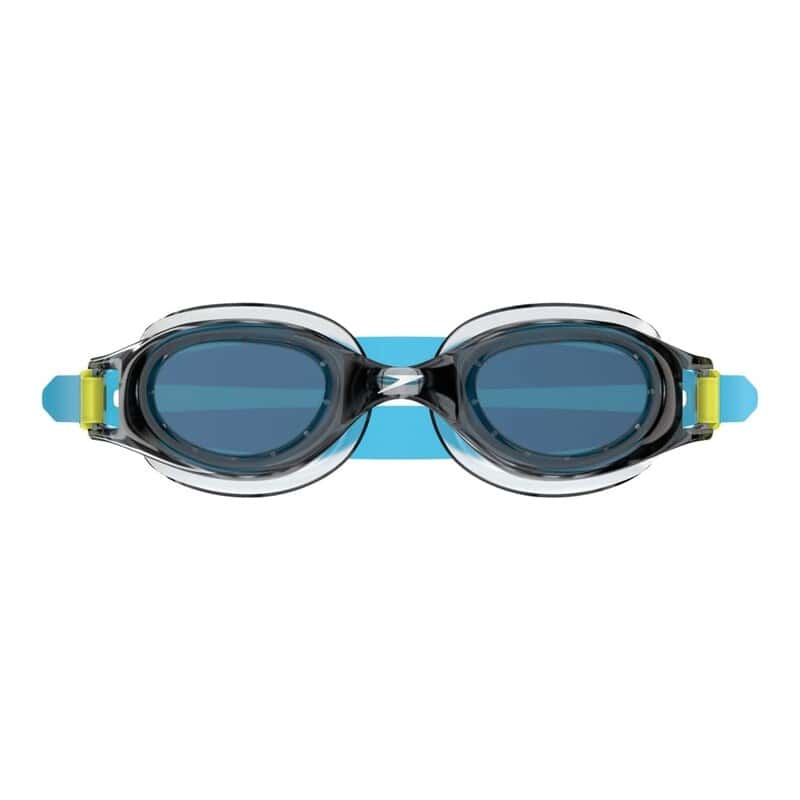
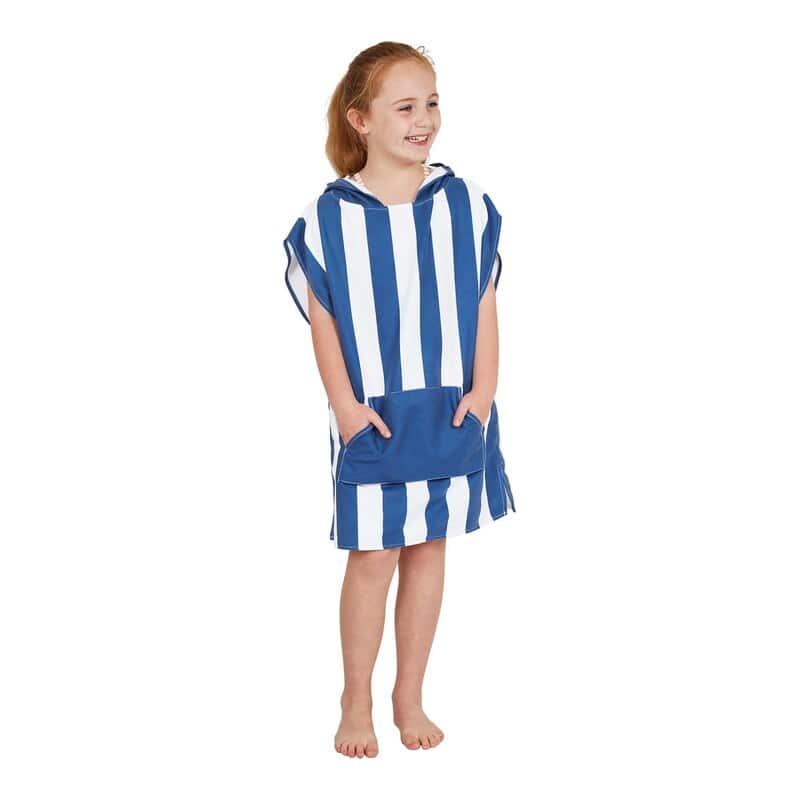
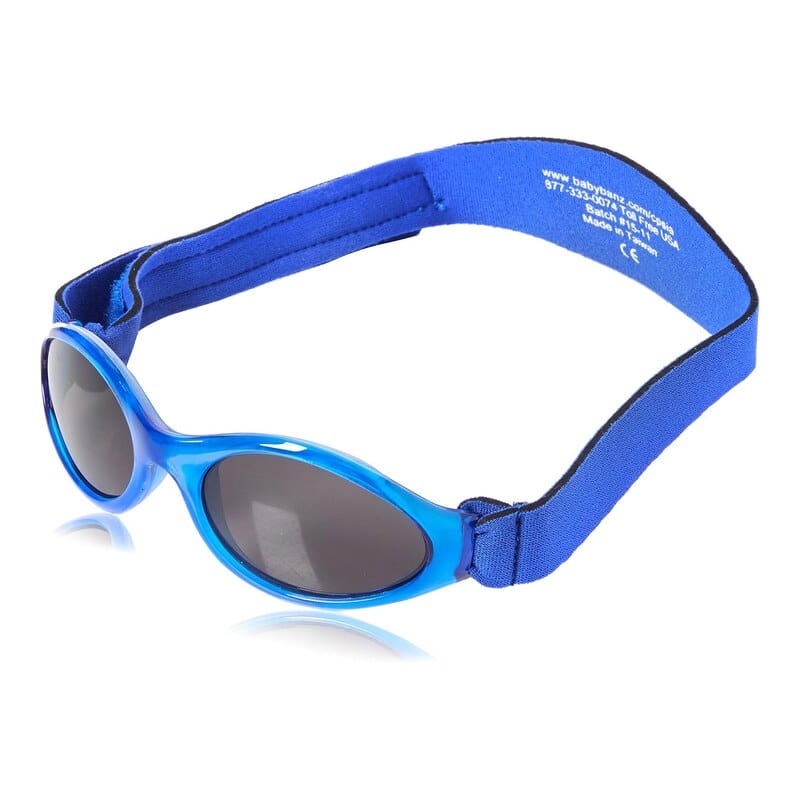
Children learn the beach early in Australia. These pieces help young swimmers stay comfortable and protected.
Nippers, the next generation
Most surf lifesaving Australia volunteers begin as Nippers. This junior program teaches children beach safety, swimming in surf and basic rescue skills. Sessions usually run on Sunday mornings through the summer season. For many families, Nippers is a weekly ritual.
The program is carefully structured by age. Younger children begin with wading, beach games and simple safety lessons. Older Nippers progress to board paddling, surf swims and first aid basics. By their early teens, many are ready to start formal lifesaving training.
Along the way, children learn to read waves, spot rips and run on soft sand. They also learn teamwork, confidence and respect for the ocean. Many go on to become patrol members as teenagers. In this way, the movement renews itself generation after generation.
Visiting families sometimes ask whether their children can join. Most clubs require membership for the full season, so short visits rarely fit. However, many clubs welcome visitors to watch a Nippers session. It is a charming glimpse into Australian beach life.
Parents play a big role too. Many volunteer as age managers, water safety helpers or canteen staff. In fact, some parents join the patrol themselves after years of watching from the sand. That family involvement keeps clubs strong and welcoming.
Clubhouses and community
Surf clubs are far more than rescue stations. For many coastal towns, the clubhouse is the center of community life. Families gather for Sunday breakfasts, birthday parties and fundraising dinners. Older members swap stories on the deck while children race on the sand below.
Many clubhouses occupy some of the best real estate on the coast. Their decks look straight across the surf, often with a bar and a bistro. Visitors are usually welcome, especially at lunch and sunset. Consequently, a club meal is one of the most authentic and affordable ways to enjoy the view.
Some clubs also host live music, trivia nights and community markets. These events raise funds for equipment and training. Moreover, they keep the club at the heart of local life throughout the year. Check the noticeboard by the door to see what is on during your stay.
The clubs also preserve local history. Honor boards list champions and long-serving patrol members. Old photographs show early crews and heavy wooden boats. In other words, a short visit offers a vivid lesson in Australian beach heritage.
Surf carnivals and competition
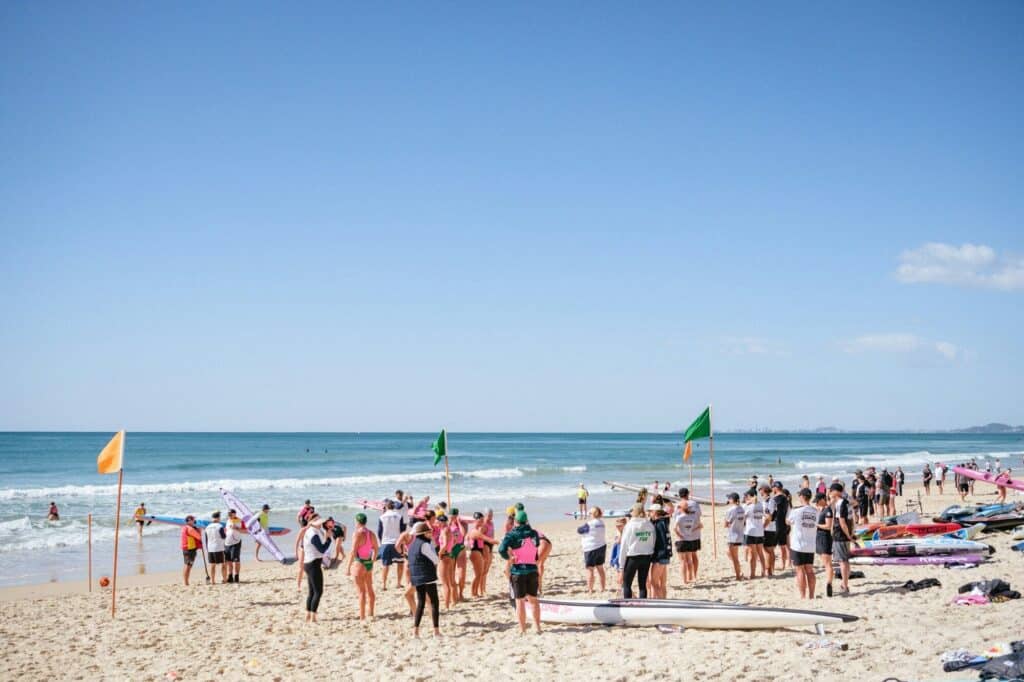
Surf carnivals are the sporting side of surf lifesaving Australia. Clubs compete in events based on rescue skills, from board paddling to swimming and beach sprints. The surf boat races are the most dramatic, with crews rowing heavy wooden boats through breaking waves. Meanwhile, spectators gather on the sand to cheer them on.
The ironman and ironwoman events combine swimming, board paddling and ski paddling with sprints on the sand. They demand extraordinary fitness and skill in the surf. Some of Australia’s best-known athletes started in these events. Meanwhile, beach flags, a sprint for a baton in the sand, delights younger crowds.
In addition, the traditional march past adds a ceremonial touch. Club teams march in formation behind a banner, judged on precision and style. It reflects the movement’s discipline and pride. Watching it, you sense the deep history behind every patrol.
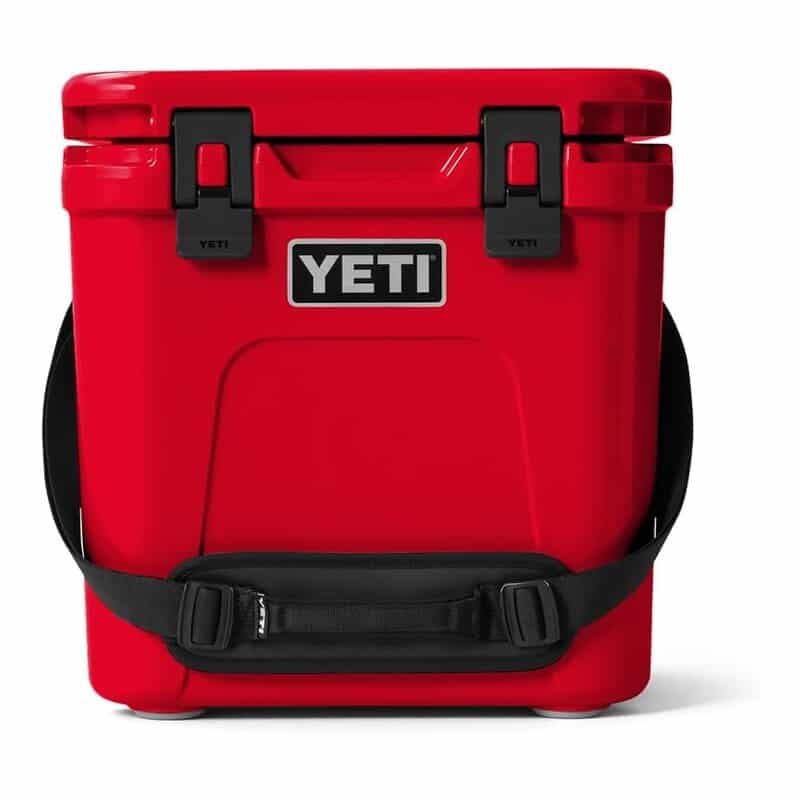
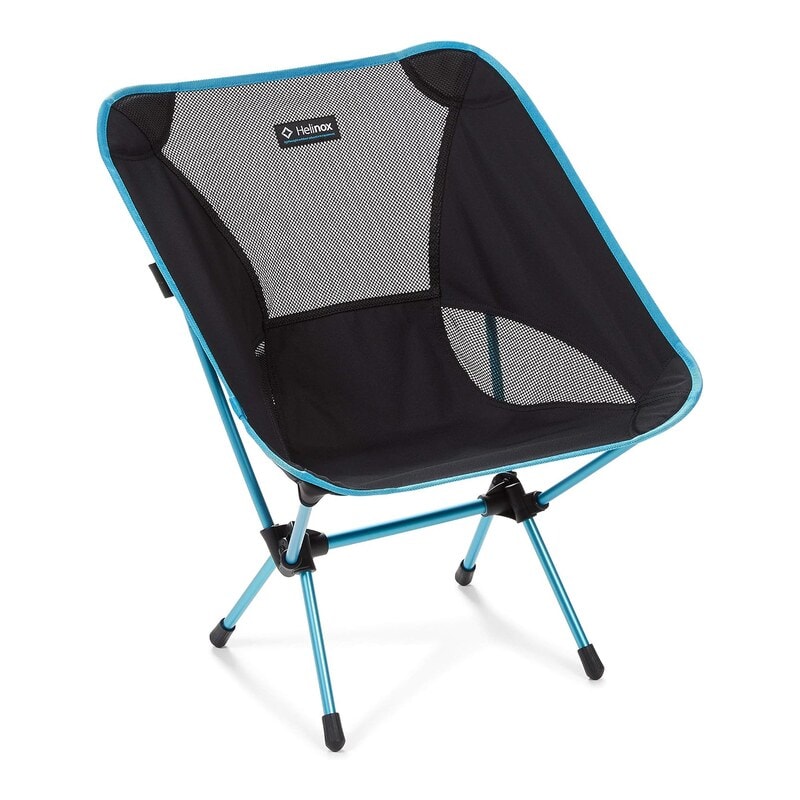
A carnival day is long, sunny and social. Good shade, cold drinks and a comfortable seat make all the difference.
Carnivals run on many weekends through the summer season. Check local club websites or community notice boards for dates. Entry is usually free, and the atmosphere is friendly and festive. Bring a hat, a chair and plenty of water.
For the best experience, arrive early and find a spot near the finish line. Ask a club member to explain the events, since many visitors are new to the rules. Then simply enjoy the spectacle. Few sporting days anywhere feel so relaxed and so thrilling at the same time.
The biggest events draw thousands of competitors from clubs around the country. The national championships, held each autumn, are the pinnacle of the season. Athletes train for months to compete there. For many young members, simply qualifying is a highlight of their lifesaving career.
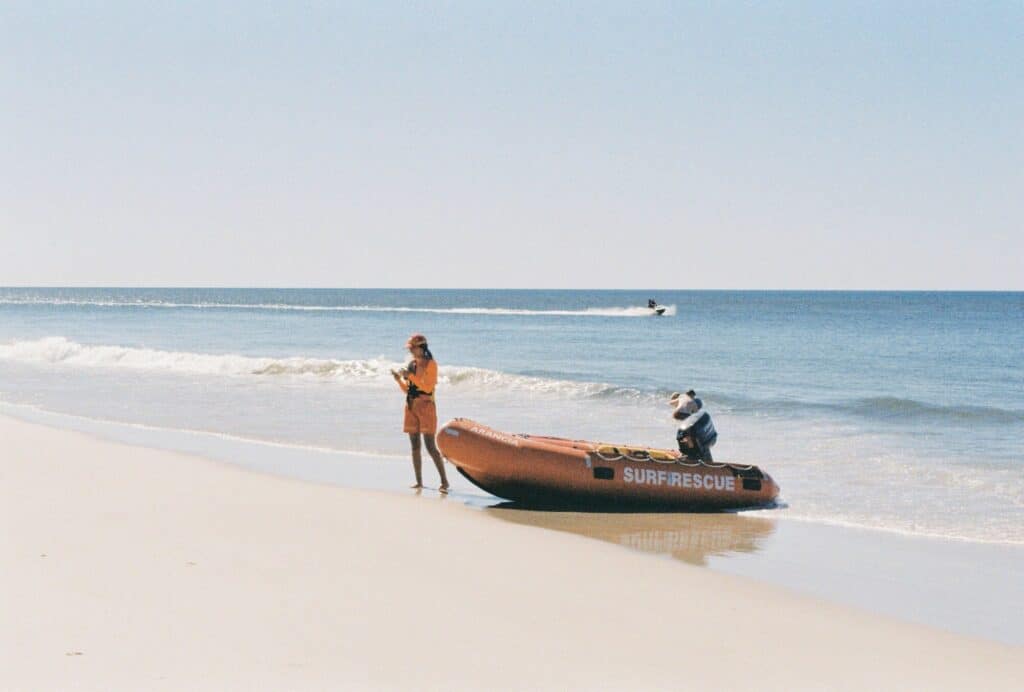
Rescue boards, surf boats and rescue boats
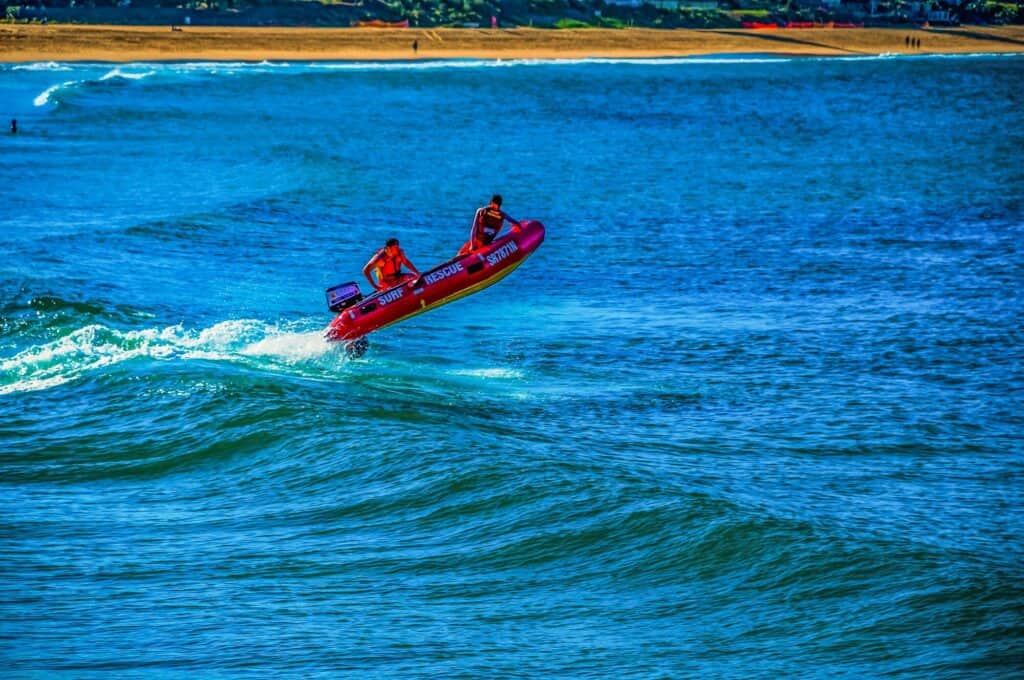
Modern surf lifesaving Australia relies on a range of rescue craft. Rescue boards are long, stable boards that lifesavers paddle out to swimmers in trouble. Inflatable rescue boats, powered by outboard motors, reach people quickly beyond the break. On larger beaches, jet skis and helicopters support the effort.
Naturally, each craft requires specialized training. For example, rescue boat crews learn to read waves and launch through heavy surf. Board riders learn to bring an exhausted swimmer back to shore safely. These skills are tested in carnivals as well as on patrol.
Technology has also changed the work. Drones now help some services spot rips, sharks and swimmers in trouble. Meanwhile, emergency beacons and improved radios speed up responses. Even so, the core of every rescue remains a trained person in the water.
An Australian idea that traveled the world
Australian lifesaving methods have influenced beach safety far beyond the country. Over the decades, Australian lifesavers helped train volunteers and lifeguards in other nations. Their flags, techniques and competitions became models elsewhere. Today, surf lifesaving Australia shares knowledge with lifesaving organizations around the world.
You may also like


International surf lifesaving competitions also bring teams together. Athletes from Australia, New Zealand, South Africa, Europe and beyond compete in rescue-based events. These championships celebrate the same skills that save lives on patrol. As a result, a movement born on the Sydney beaches now has a truly global reach.
For Australians, that legacy is a source of quiet pride. Surf lifesaving Australia remains a symbol of volunteering, fitness and care for others. It also captures something essential about the national character. On the beach, people look out for each other.
How to stay safe on Australian beaches
Fortunately, the most important advice is simple. Always swim between the red and yellow flags at a patrolled beach. Read the safety signs at the entrance, and ask a lifesaver about conditions. If you are unsure, stay in shallow water.
Rips are the biggest danger. They are strong currents that flow away from the shore, often through gaps in the breaking waves. If you are caught in one, stay afloat and raise an arm to signal for help. Alternatively, swim parallel to the beach until you are free of the current.
Sun safety matters just as much. The Australian sun is intense, even on cloudy days. Wear a hat, sunglasses and high-protection sunscreen, and reapply after swimming. Finally, drink plenty of water and seek shade in the middle of the day.
Of course, children need extra care. Keep them within arm’s reach in the water, especially in surf. Choose a patrolled beach with gentle waves, and swim between the flags together. Lifesavers are always happy to point out the safest area for young swimmers.
Finally, know your limits. Many visitors underestimate the strength of Australian surf, especially after a long flight. Start slowly, swim with a companion and stay close to the shore on your first day. If in doubt, stay out, as lifesavers like to say.
How visitors can support the clubs
Surf clubs and surf lifesaving Australia rely on donations, fundraising and community support. Visitors can help simply by eating and drinking at club restaurants and bars, which many clubs run. Others buy club merchandise or donate directly. Every contribution helps fund equipment, training and patrols.


Photographs capturing the heart of Australian surf culture.
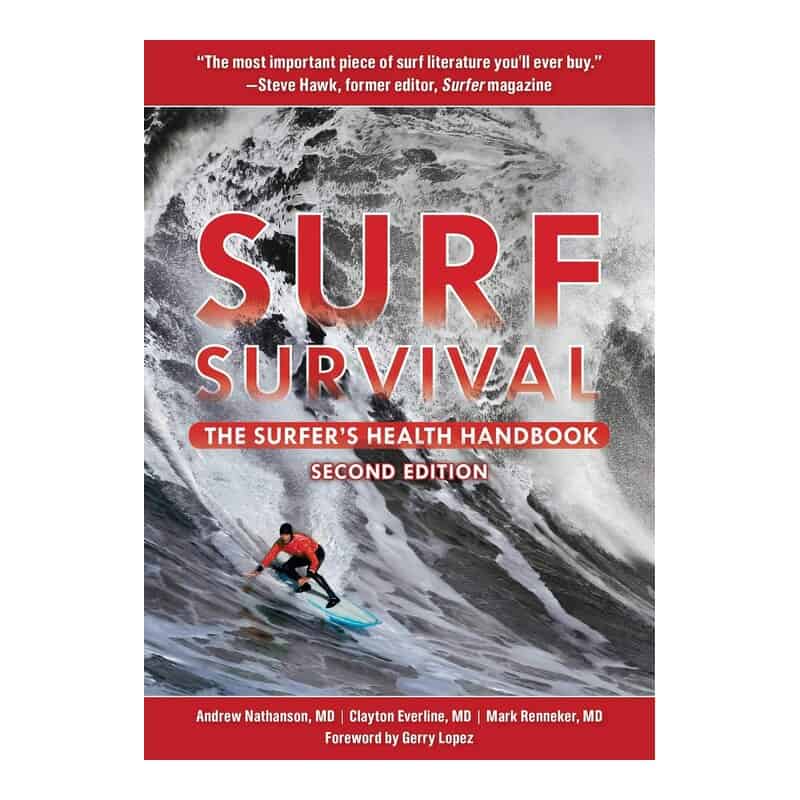
The surfer’s handbook for health and safety in the ocean.
These three books capture the history, the photography and the health side of Australian beach life.
Similarly, some clubs offer social memberships for regular visitors. These give access to the club’s facilities and events. In addition, they connect you with a welcoming local community. For travelers who return to the same beach each year, it is a lovely way to belong.
Perhaps the best support, however, is respect. Follow lifesavers’ instructions, swim between the flags and thank the volunteers. Their work is unpaid and often unseen. A simple word of appreciation goes a long way.
Moreover, visitors can learn from the clubs. Some offer short beach safety talks or open days during summer. Others run community programs for new swimmers. Joining one is a meaningful way to connect with the culture of surf lifesaving Australia.
Where to see surf lifesaving in action
Bondi remains the spiritual home of surf lifesaving Australia, and the best place to start. Its historic club, busy patrols and famous lifeguards make it the obvious first stop. Our guide to the Sydney surf beaches covers Bondi, Manly and the Northern Beaches in detail. Each has a proud club with deep roots.
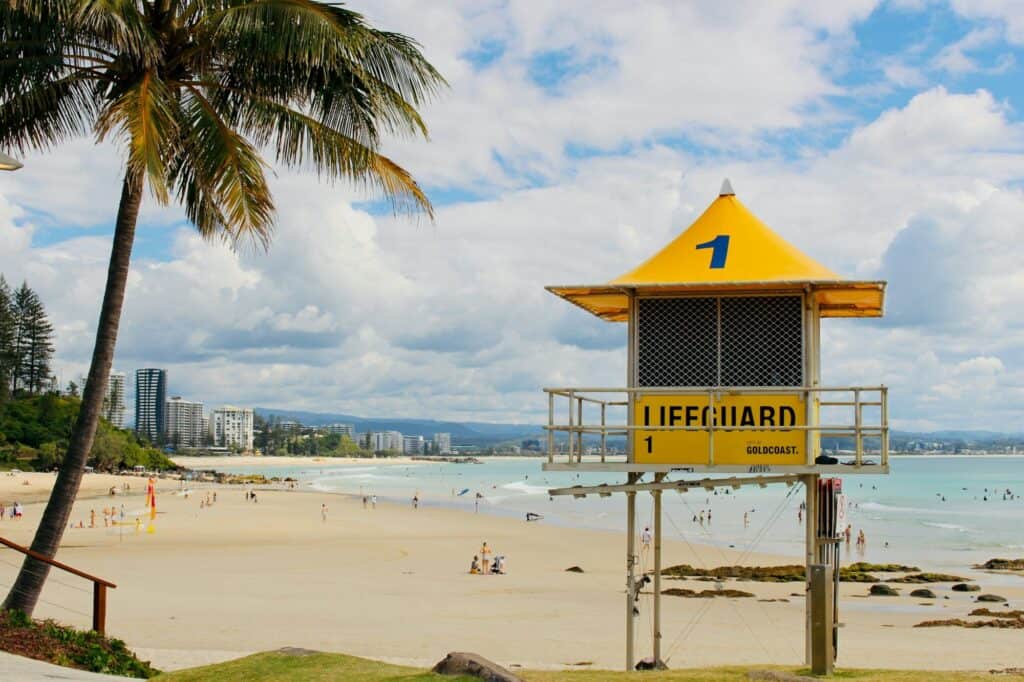
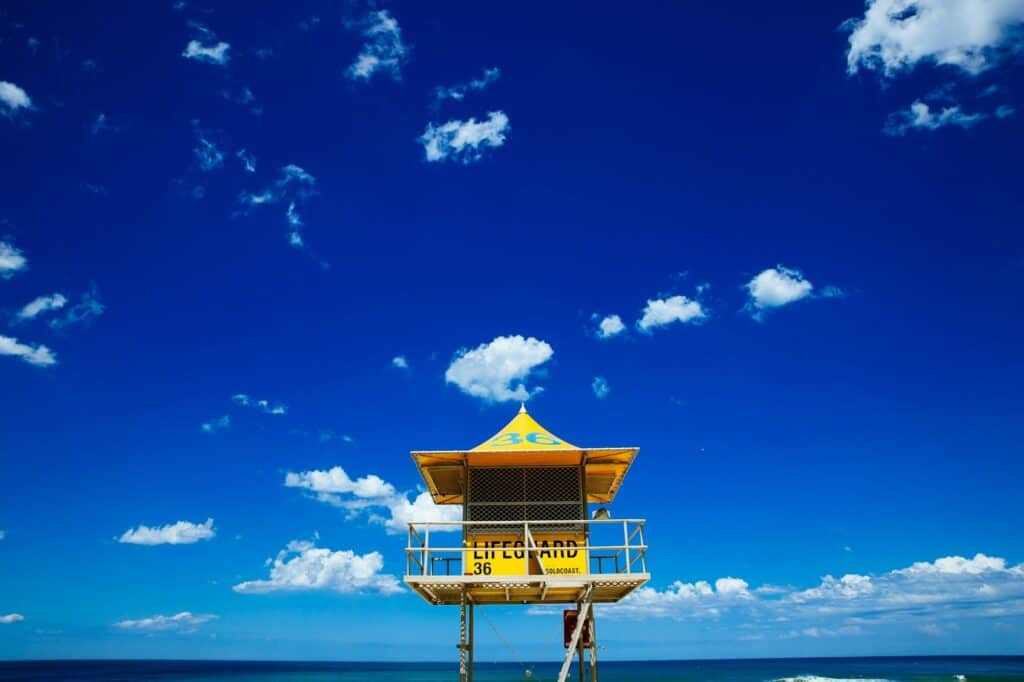
On the Gold Coast, the patrol towers and lifeguard service are among the busiest in the world. Clubs at Kirra, Rainbow Bay and Surfers Paradise host regular carnivals. For more, see our guide to Gold Coast surfing. Further north, the Sunshine Coast and Noosa have their own strong clubs.
Western Australia and Victoria also have long lifesaving traditions. Clubs at Cottesloe, Scarborough, Torquay and Lorne patrol busy summer beaches. Likewise, Tasmania and South Australia have active clubs on their favorite swimming spots. Wherever you travel, look for the flags and the red and yellow caps.
Planning a beach trip with safety in mind
When you plan a beach holiday in Australia, choose stays near patrolled beaches. Check patrol seasons, which usually run through the warmer months. Many popular beaches also have professional lifeguards year round. Your hotel can advise on the safest local options.
In addition, consider timing your swims around patrol hours. Lifesavers usually patrol from mid-morning to late afternoon. Swimming outside those hours, especially at dawn or dusk, carries more risk. Plan your beach time accordingly, and the coast will reward you.
Surf lifesaving Australia also offers a simple lesson for every traveler. The ocean is a shared space, and everyone has a part in keeping it safe. Watch out for others, help when you can and respect the people in red and yellow. In doing so, you join a tradition that has protected Australian beaches for more than a century.
Above all, treat the ocean with respect. Australian surf is beautiful but powerful, and conditions change quickly. Swim between the flags, listen to the lifesavers and enjoy the beach the way Australians do. To understand the wider story, read our guide to Australian surf culture.
Take our short quiz and find the city, coast and pace of life that suits you best.
Take the quizQuestions worth asking
What does surf lifesaving mean in Australia?
Surf lifesaving Australia is a volunteer movement that patrols beaches, performs rescues and teaches ocean safety. Members wear red and yellow caps and set up the flags that mark safe swimming areas.
How many surf lifesavers are there in Australia?
Surf Life Saving Australia reported 198,916 members across 315 affiliated clubs in its 2023/24 annual report.
What is the oldest surf club in Australia?
Bondi Surf Bathers’ Life Saving Club, founded in February 1907, is recognized as the oldest official surf club in Australia.
Why should I swim between the flags?
In surf lifesaving Australia, the flags mark the area lifesavers are watching. It is usually the safest stretch of water, away from rips and hazards.
What are Nippers?
Nippers is the junior program of surf lifesaving Australia. Children learn beach safety, swimming in surf and basic rescue skills, usually on Sunday mornings in summer.
How can visitors support surf lifesaving clubs?
Support surf lifesaving Australia by eating at club venues, buying merchandise, donating or simply thanking the lifesavers.