Australian food is a cuisine built in layers. It starts with more than 60,000 years of Indigenous knowledge, adds British staples, and then takes in the flavors of every migrant wave since the war. Today Australian food means produce-led cooking, native ingredients and a food culture shaped by sun, sea and generosity.
What Australian food really is
Australian food is harder to pin down than most travelers expect. There is no single national dish, and that is the point. The cuisine is a conversation between old country and new arrivals, held across a table. Everything on the plate carries a story, and the best chefs here tell it plainly.
Visitors often arrive with a short list. They want a meat pie, a spoonful of Vegemite and maybe a kangaroo fillet. Those are fair places to begin. Yet they are chapters, not the book. The full story runs from a continent’s first kitchens to dining rooms that now draw guests across oceans.
Tourism Australia describes the cuisine as “all about quality ingredients, the people who produce them and the incredible landscapes in which they’re shared.” That line is a good compass. Australian food is about place first. A Sydney rock oyster tastes of its estuary. A lamb chop tastes of its pasture. Even a glass of Shiraz tastes of a valley you could drive to by lunch.
Food culture in Australia also has a social grain. Meals are generous and unhurried. Hosts feed you before they ask your name. A dinner might start with a barbecue at the water’s edge and end with a tasting menu in a restored warehouse. Both are authentic. Both belong to the same national table.
This guide follows the story in order. First come the Indigenous foundations, then the British colonial staples. After that come the migrant waves, the birth of Modern Australian cooking, and the produce-led kitchens of today. We finish with the icons and the best places to eat them.
Australian food begins with 60,000 years of Indigenous cooking
Every honest account of Australian food starts with the First Peoples. AIATSIS, the national institute for Aboriginal and Torres Strait Islander studies, notes that “upwards of 60,000 years is what current research reveals.” That is a vast span of cooking, tending and trading. It is the longest food story on the continent by far.
Aboriginal and Torres Strait Islander communities managed land with care. They knew which seeds to grind, which fruits to wait for and which tides brought the best fish. Seasons were read through plants, birds and weather rather than a calendar. This knowledge is practical, and it is also deeply cultural.
Many of the flavors chefs prize today come from that tradition. Finger lime pops like citrus caviar. Wattleseed tastes of roasted coffee and chocolate. Lemon myrtle smells of sun on a eucalyptus leaf. Macadamia, a native rainforest nut, is now a pantry staple from Byron Bay to Brussels.
For a deeper tasting guide, read our piece on native Australian ingredients. It explains each flavor, how it is used and how to buy it from Indigenous-owned producers with respect. That respect matters. Native foods are not a trend to borrow. They are living knowledge, and the best menus credit it.
Travelers can taste this chapter in person. Tourism Australia lists experiences where you can “spear for mud crabs with an Aboriginal guide” or “collect bush tucker in the outback.” Choose guides who are Indigenous-owned and led. The food tastes better, and the story arrives from the people who hold it.

Damper, mutton and tea at the colonial table
In 1788 the British brought a very different kitchen. Their staples were salted meat, flour, sugar and tea. Fresh produce was scarce and the new soils were unfamiliar. Early settlers relied on whatever kept well and traveled far.
Out of that necessity came damper, a simple bread of flour and water baked in the coals. Stockmen cooked it on long journeys, and it remains a campfire tradition today. Mutton and beef stews followed, along with strong black tea boiled in a billy. These dishes were plain, but they fed a young colony across great distances.
Over the next century the pastoral industry grew. Sheep and cattle spread across the plains, and meat became cheap and plentiful. That abundance shaped the national appetite. It is why the roast, the chop and the barbecue still sit at the center of an Australian weekend.
Baking also took root. The meat pie, the sausage roll and the sponge cake all arrived with British habits. Australians then made them their own, adding local fillings and a fondness for sauce. You can read how one humble pastry became a national ritual in our guide to the Australian meat pie.
The colonial table also had a dark side. Settlement displaced the people who had fed themselves from this land for millennia. Good food writing here does not look away from that fact. It simply notes that the Indigenous and colonial kitchens ran side by side for generations before they began to meet.
STRAAYA may earn a commission when you buy through these links, at no extra cost to you.
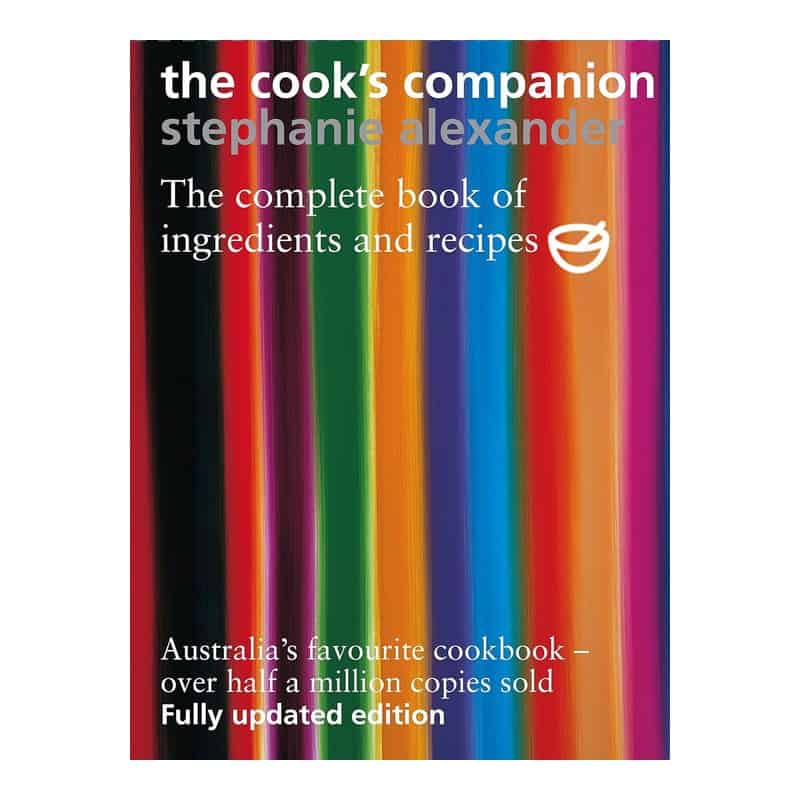
The broadest collection of Australian home recipes in one volume.
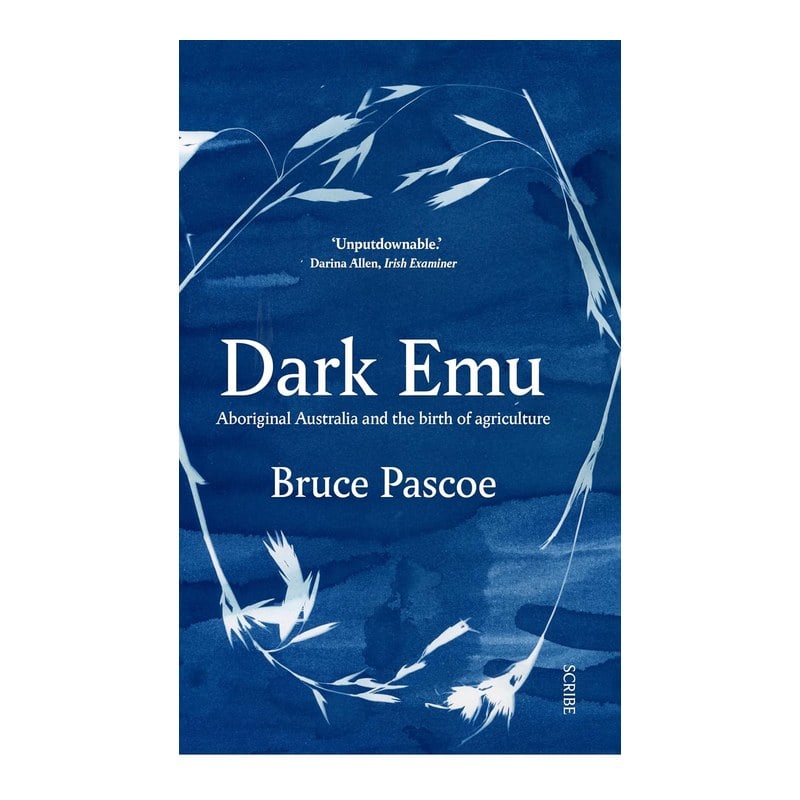
The ingredient-by-ingredient classic found in Australian kitchens.
How migrants rewrote the menu
Postwar migration changed everything. Before the 1950s, a typical Australian dinner was meat and three vegetables. Then came people from Italy and Greece, followed by Lebanese, Chinese and Vietnamese families. They opened delis, cafes, bakeries and restaurants. Within a generation, they had rewritten the national palate.
The numbers explain the scale. The Australian Bureau of Statistics reports that “in 2021, more than seven million people in Australia were born overseas, this is almost 30 per cent of the population.” Few countries feed a population with such varied roots. Every one of those roots has found its way onto a plate.
Italian migrants brought espresso, fresh pasta and good olive oil. Greek families brought grilled meats, spanakopita and a love of lemon. Lebanese cooks introduced baked goods and mezze. Chinese cooks, who had been in the country since the gold rushes, built banquet traditions that still define celebration dining in Melbourne and Sydney.
Vietnamese refugees arrived later and changed the street food scene. Rolls stuffed with pork and pickles became a staple of Australian lunch. Herb-heavy broths followed. Soon a bowl of pho was as ordinary as a pie in a country town.
This is why the term “common foods in Australia” now includes banh mi, souvlaki and dumplings alongside lamingtons. The blend has also produced a confident hybrid style. Our guide to Australian fusion food follows where those cross-cultural dishes are heading right now.
The neighborhoods that carry the flavor
Each wave also left a landmark. Melbourne’s Lygon Street grew into a street of Italian cafes. Greek families settled in the suburbs and made them smell of charcoal and oregano. Sydney’s Cabramatta became known for its Vietnamese bakeries and noodle shops. Today these neighborhoods are among the best places in the country to eat. A discerning traveler books them alongside the tasting menus.
Even the morning coffee has migrant roots. Italian espresso machines arrived first. Local baristas then reshaped the drink into the flat white, which travelers now order worldwide. For the full story and the best cafes, see our guide to coffee in Australia.

The birth of Modern Australian cooking
By the 1980s and 1990s a new generation of chefs had grown up eating all of this. They trained in French kitchens and then came home. Back in Sydney and Melbourne they cooked with local produce and borrowed freely from Asia and the Mediterranean. The style became known as Modern Australian, or Mod Oz.
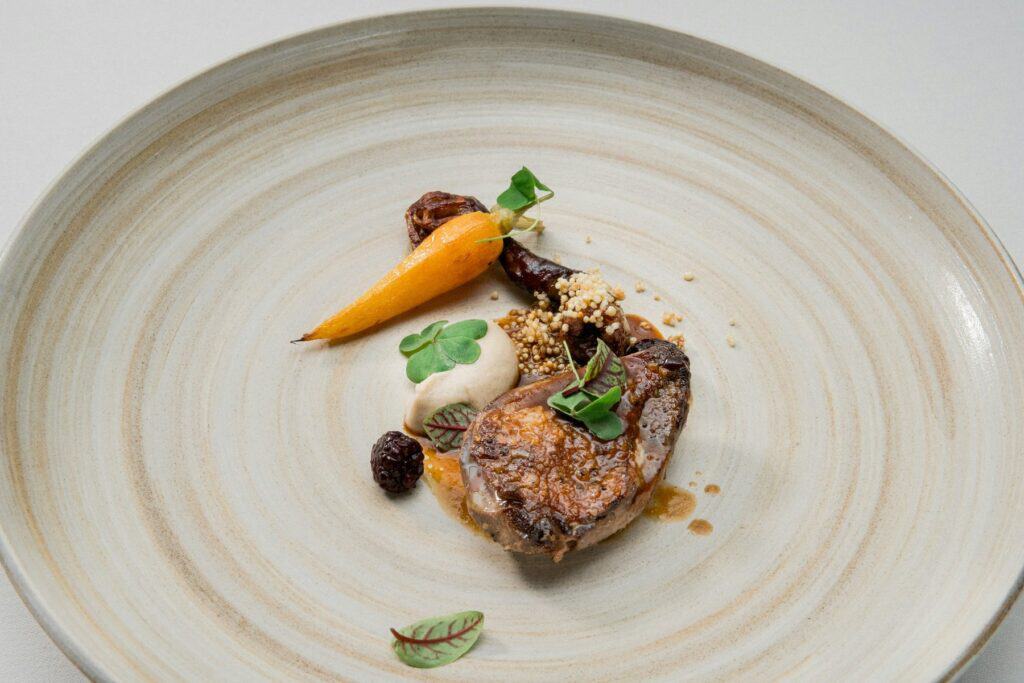
Mod Oz was never a strict recipe. It was an attitude. Chefs used the best local ingredient, cooked it simply and let the plate carry influences from many tables. A dish might pair Tasmanian salmon with a Thai-style dressing. Another might set lamb beside Middle Eastern spices.
The movement gave Australian food a voice of its own. It also gave diners confidence. Restaurants began to look to the paddock and the reef for inspiration rather than to Paris. That shift is the spine of the modern scene.
Our deep dive into modern Australian cuisine traces the chefs, the dishes and the turning points. Read it before you book, because understanding the style makes every tasting menu on the trip taste better.
Why it matters to travelers
Mod Oz explains why dining here feels relaxed yet precise. Service is warm rather than stiff. Menus are short and seasonal. Wine lists lean local. You can wear linen to a three-hat dinner and feel entirely at ease.
You may also like


Produce-led dining today
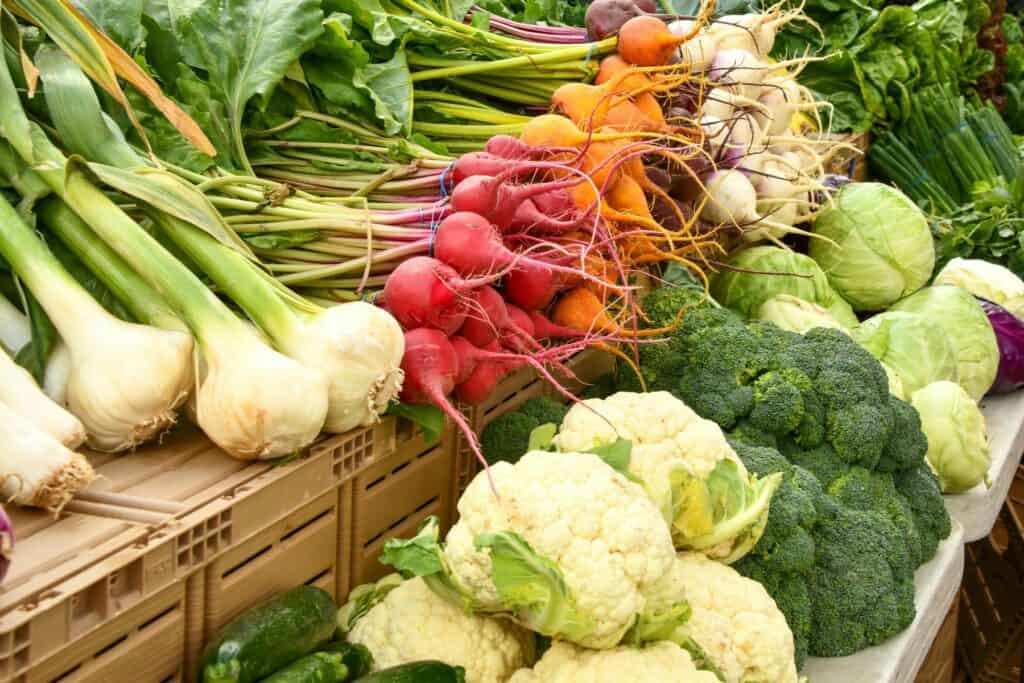
Today’s best Australian food starts in the field. Chefs now buy directly from farmers, fishers and foragers, and they cook what is at its peak. Menus change weekly. Some kitchens grow their own herbs and vegetables just outside the door.
Native ingredients have moved from curiosity to cornerstone. A modern dessert may use wattleseed. A fish course may wear a sauce of Davidson plum. Even a salad may carry saltbush, a salty native herb that grazing sheep and fine chefs both enjoy. The flavors are unfamiliar to visitors, and that is precisely the thrill.
Fine dining kitchens in the regions have taken this furthest. Many sit on farms or beside vineyards. Guests may walk the kitchen garden before the meal and then eat what they have just seen. The experience is slow, sensory and entirely tied to the land around the table. It is the clearest sign that Australian food has come of age.
Local markets show the same ethos. Stallholders sell cheese, oysters, stone fruit and sourdough straight from the producer. A morning at one is the easiest way to taste a region. Our guide to the best local food markets in Australia maps the ones worth a detour.
Seasons matter here. Tourism Australia notes that truffle-hunting dog tours run through winter, from June to August. Oysters are sweetest in cooler months. Stone fruit peaks in summer. Planning around the harvest changes the quality of every meal.
Conservation sits quietly under all this. Chefs and growers care deeply about the reefs, rivers and soils that feed them. Many cook with sustainable fish and regenerative farming in mind. Ask about it at the table. Hosts are proud to explain.
Iconic Australian foods, done well
Now to the icons. Every country has its comfort foods, and Australia is no different. The trick for a discerning traveler is to find the best version of each. A great one is a pleasure. A tired one is a missed chance.
The meat pie leads the list. A good bakery pie has crisp pastry, rich gravy and a filling you can taste. Many country bakeries compete fiercely for the best pie, and a few chefs now serve their own versions on restaurant menus. Our Australian meat pie guide shows where to start.
Vegemite is the other cult object. This dark yeast spread tastes salty and savory. First-timers often spread it far too thickly. The right way is a thin scrape over hot buttered toast. Read our guide to Vegemite for the full method and for how some chefs now glaze dishes with it.
Beyond those two sits a wider list. Chicken parmigiana, Tim Tams, fairy bread, barramundi, fish and chips by the sea, and the sausage sizzle all belong to the national story. We have gathered them into a single checklist of iconic Australian foods, with advice on where each one shines.

Eat the icons with curiosity. Order the pie at a bakery with a queue. Try Vegemite at a good cafe breakfast. Ask locals where they go. Authentic and luxurious are not opposites here. The best versions are both.

The French mill with a precision grind dial chefs trust.

Fine zest for finger lime, lemon myrtle or aged cheese.
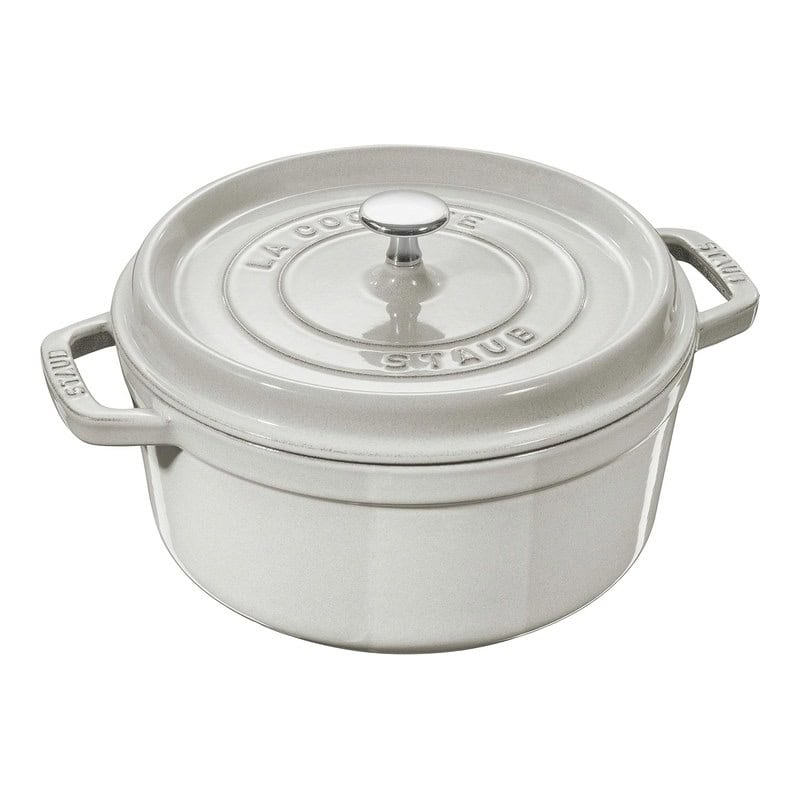
Enameled cast iron for slow lamb shoulder and Sunday stews.
Desserts that carry the national mood
Australia loves a sweet finish. Pavlova, a meringue crowned with cream and fruit, is the best known. Both Australia and New Zealand claim it, and the debate is cheerfully unresolved. What matters is that a summer pavlova with passionfruit is hard to beat.
Lamingtons come next. These sponge squares in chocolate and coconut appear at every fete and cafe. Anzac biscuits, made with oats and golden syrup, carry a quieter history tied to wartime remembrance. Vanilla slice, Iced VoVos and the Golden Gaytime fill out the nostalgic shelf.
Patisseries now treat these classics with real craft. A lamington might arrive filled with native raspberry. A pavlova might carry lemon myrtle cream. Wattleseed can flavor a caramel. The nostalgia stays, while the finish rises to fine dining standard.

Our full guide to Australian desserts lists the best bakeries and patisseries and explains the pavlova debate in detail. Save room for it on any city stay.
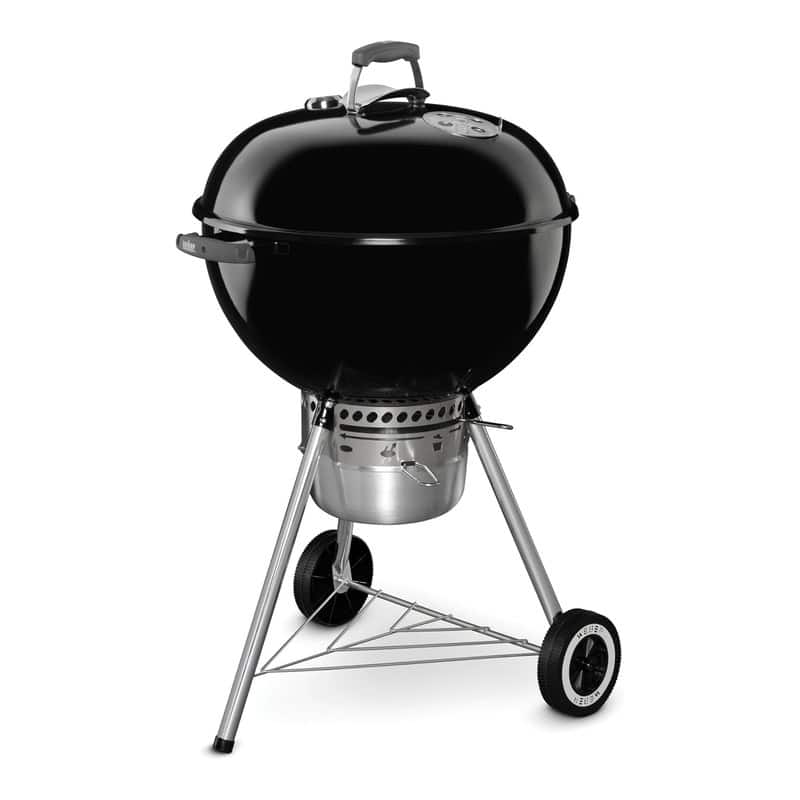
The kettle that defined backyard grilling, with an ash catcher.
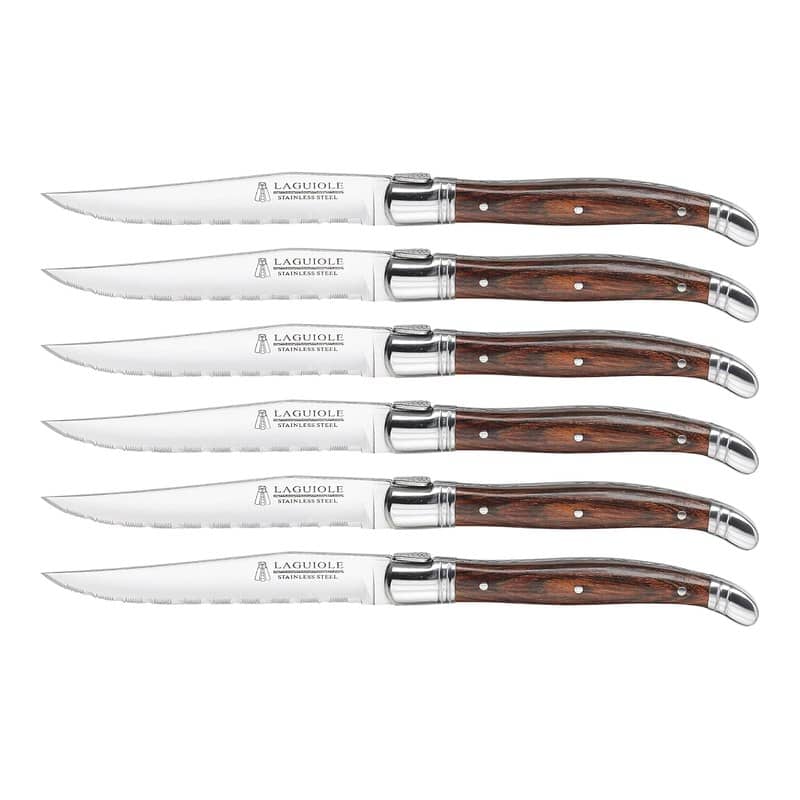
Bee-crested knives for chops and cutlets at the table.
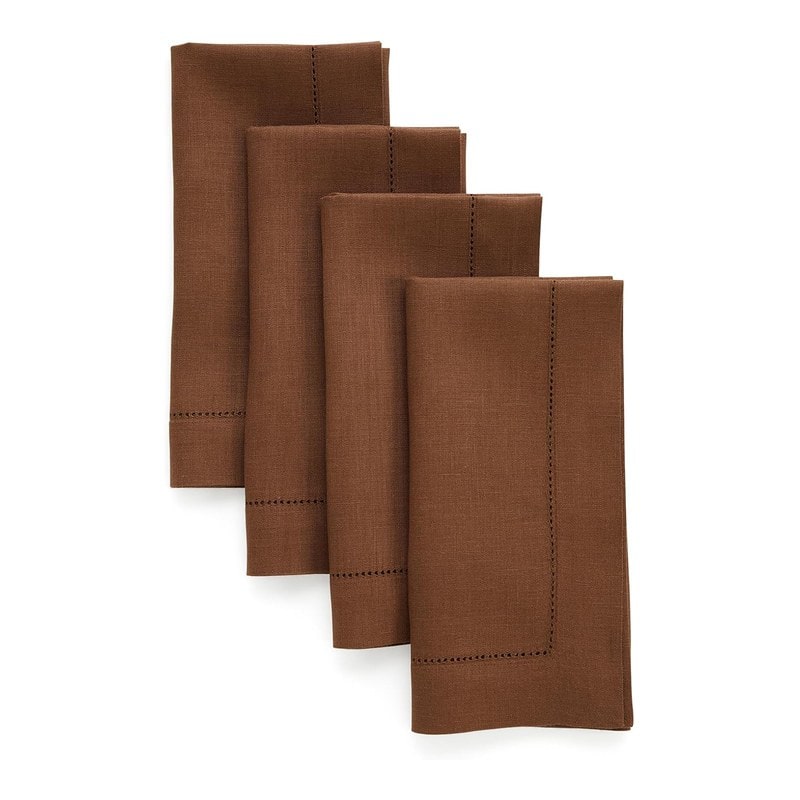
Soft, washed linen for long lunches outdoors.
Lamb and the Australian barbecue
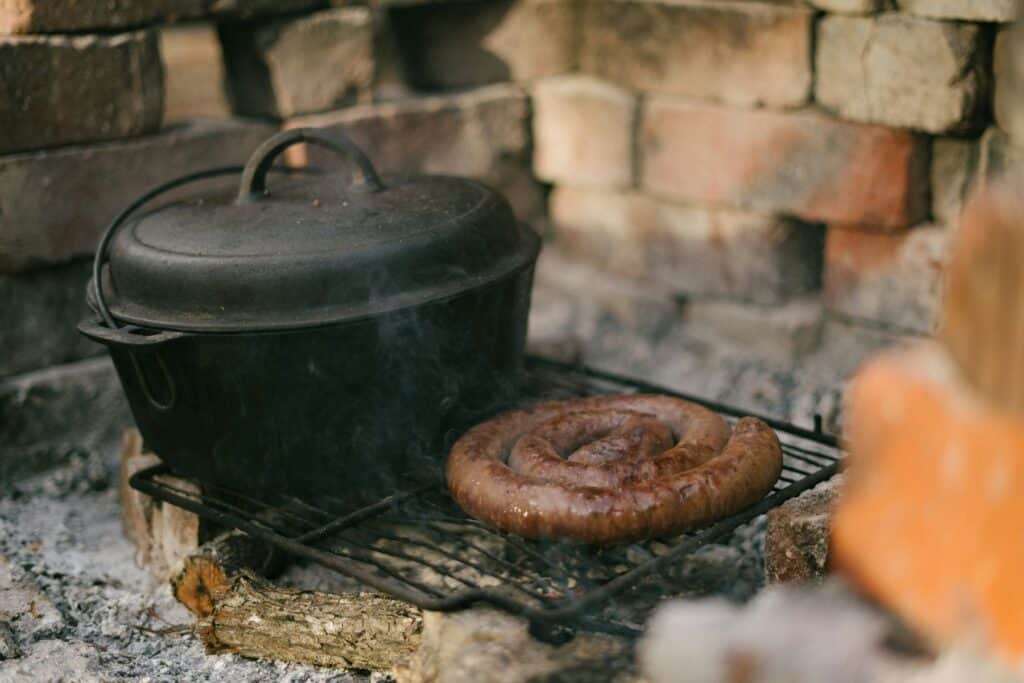
Barbecue is more than a method here. It is a social ritual. On weekends, families gather around a grill in a backyard or a park. Sausages, chops and prawns sizzle together. Someone brings salad. Everyone stays far too long.
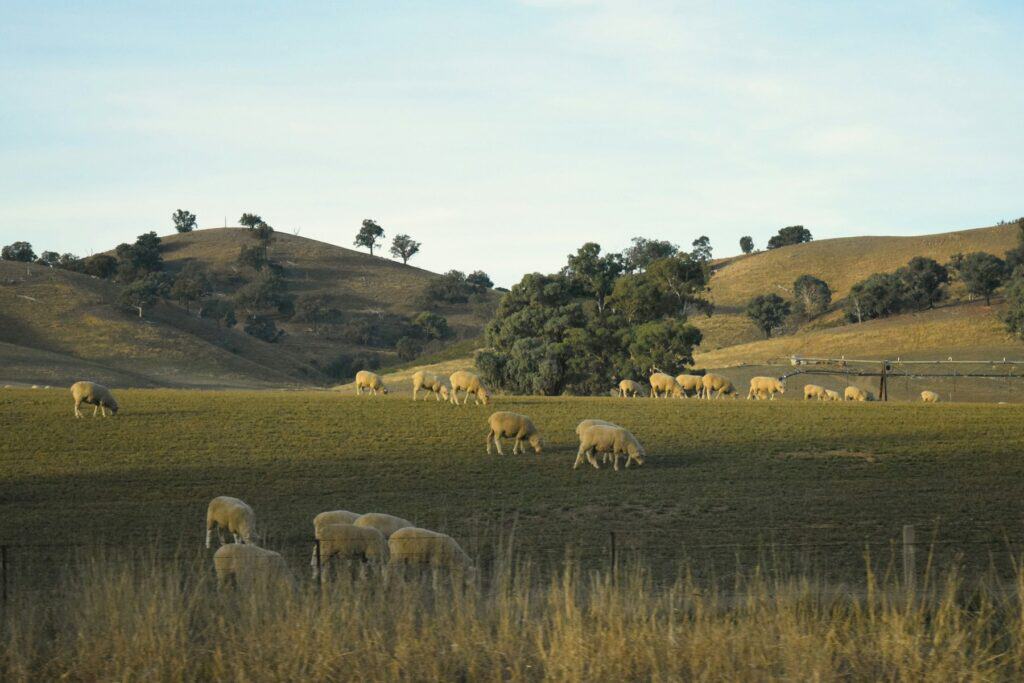
Lamb is at the heart of it. Australia has a long grazing tradition, and its lamb is prized abroad. Saltbush country in South Australia and Western Australia gives some flocks a distinct savory flavor. Chefs talk about it much as winemakers talk about terroir.
Meat & Livestock Australia is the industry body that tracks the sector, and it is the right place to start for producer detail. Better still is to taste it at the source. Several farm stays let guests walk the paddock in the morning and eat the result at night.
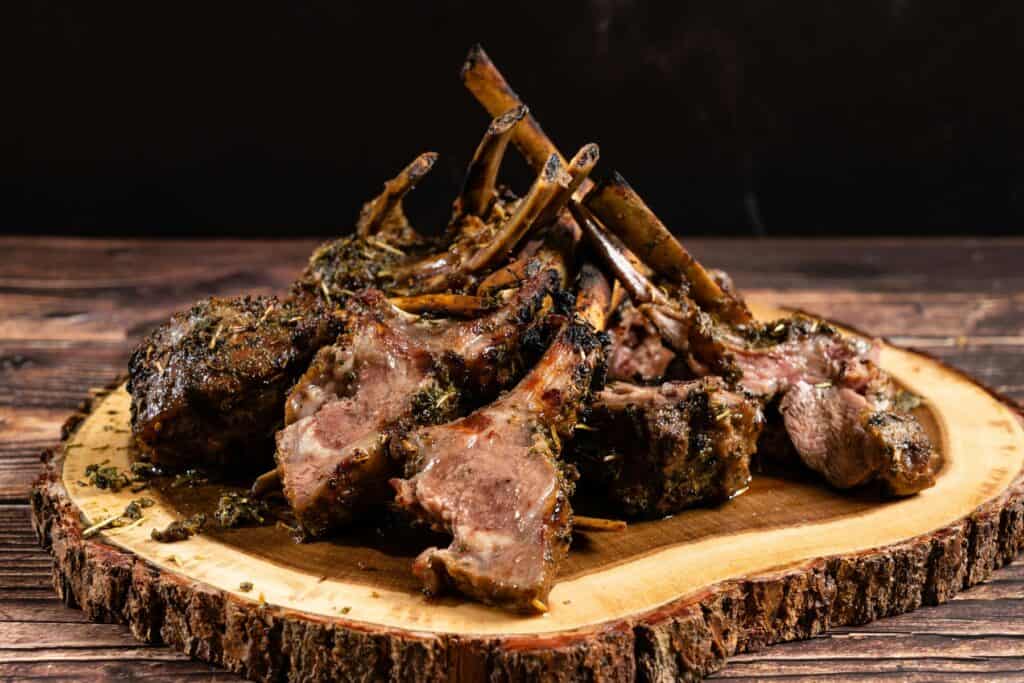
Fine dining menus now showcase lamb in many ways. Slow-cooked shoulder, herb-crusted rack and charred cutlets all appear. Our guide to Australian lamb covers the regions, the cuts and the best way to host a backyard feast of your own.
| Region | What to taste | Best time to go |
|---|---|---|
| Sydney and the coast | Rock oysters, seafood platters | Cooler months for oysters |
| Melbourne | Migrant cuisines, laneway coffee | Autumn and spring |
| Tasmania | Salmon, cheese, whisky | Summer and early autumn |
| Barossa and Adelaide Hills | Shiraz, farm produce, bakeries | Autumn harvest |
| Margaret River | Wine, truffles, seafood | Winter for truffles |
| Queensland tropics | Barramundi, mud crab, tropical fruit | Dry season, May to October |
Seafood worth crossing an ocean for
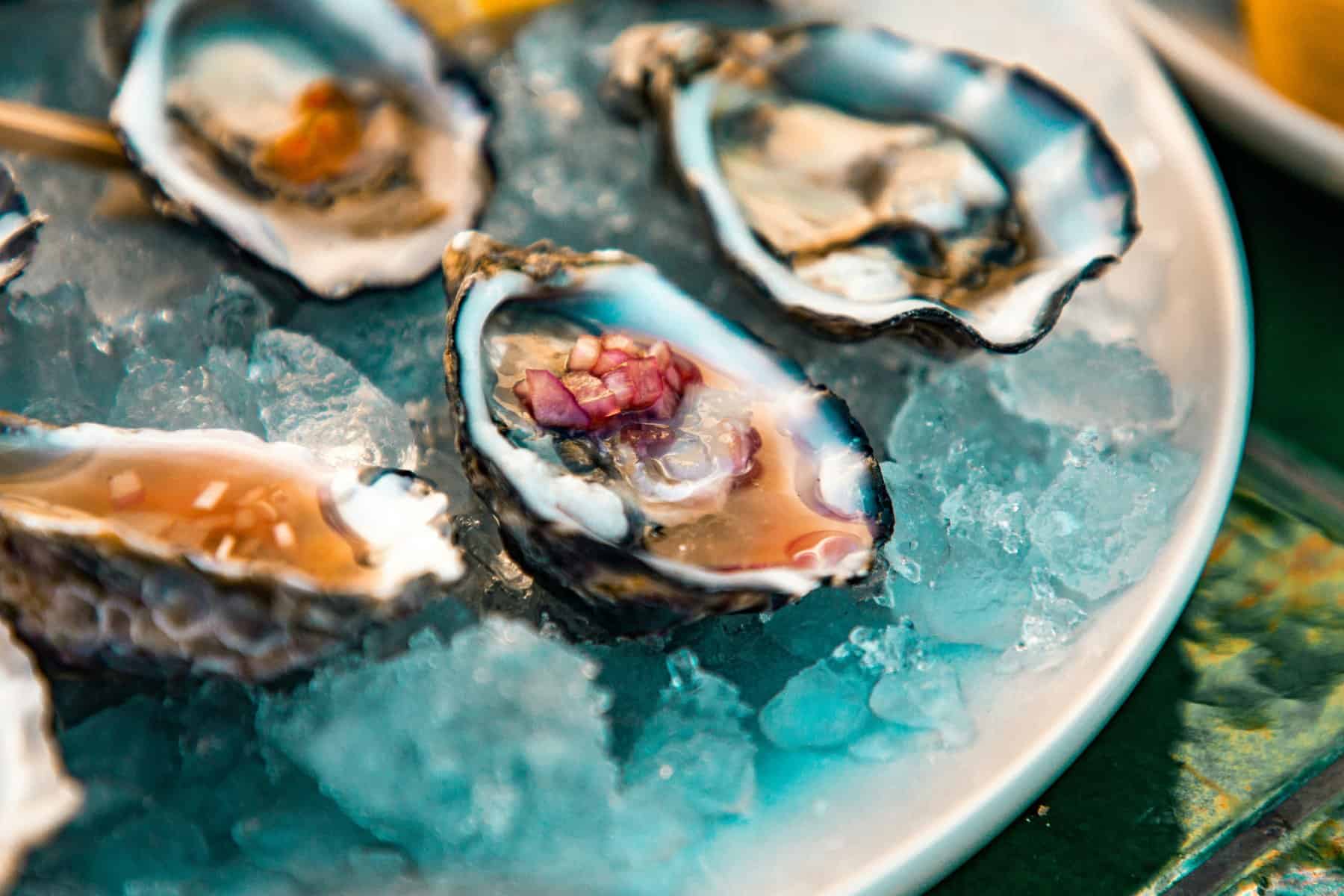
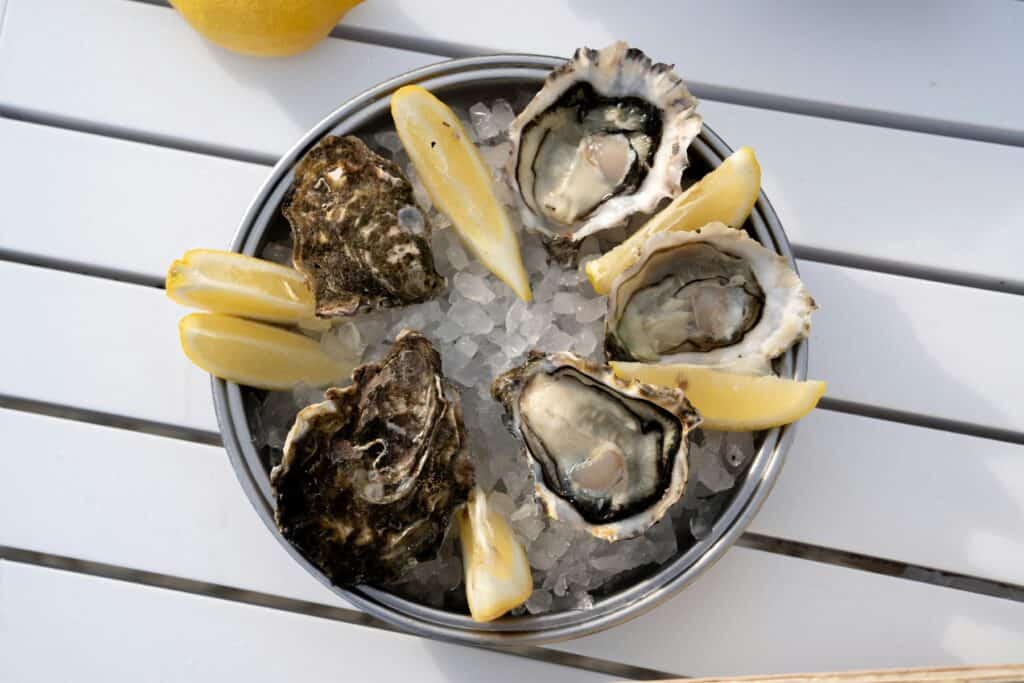
Australia is an island continent with a vast coastline, and the seafood shows it. Sydney rock oysters taste briny and clean. Moreton Bay bugs, a sweet flat lobster, come from Queensland. Tasmanian salmon, abalone, barramundi and rock lobster each have their own season and region.
The best way to eat it is close to the water. Tourism Australia highlights oyster farm tours and “seaside restaurants serving up the daily catch.” You shuck an oyster on the jetty, then taste it with a glass of local white. Nothing in a city restaurant matches that.
Sustainability sits at the center of the better kitchens. Fishers, chefs and marine scientists work together to protect stocks and reefs. This care for the ocean is part of Australian identity, and it is a pleasure to see it on the menu. Surfers share the same love of the coast, as our look at Australian surf culture shows.
For a full season-by-season guide, see our feature on Australian seafood. It lists the species, the best places to eat them and what to order first.
You may also like


Wine, and where food meets the glass
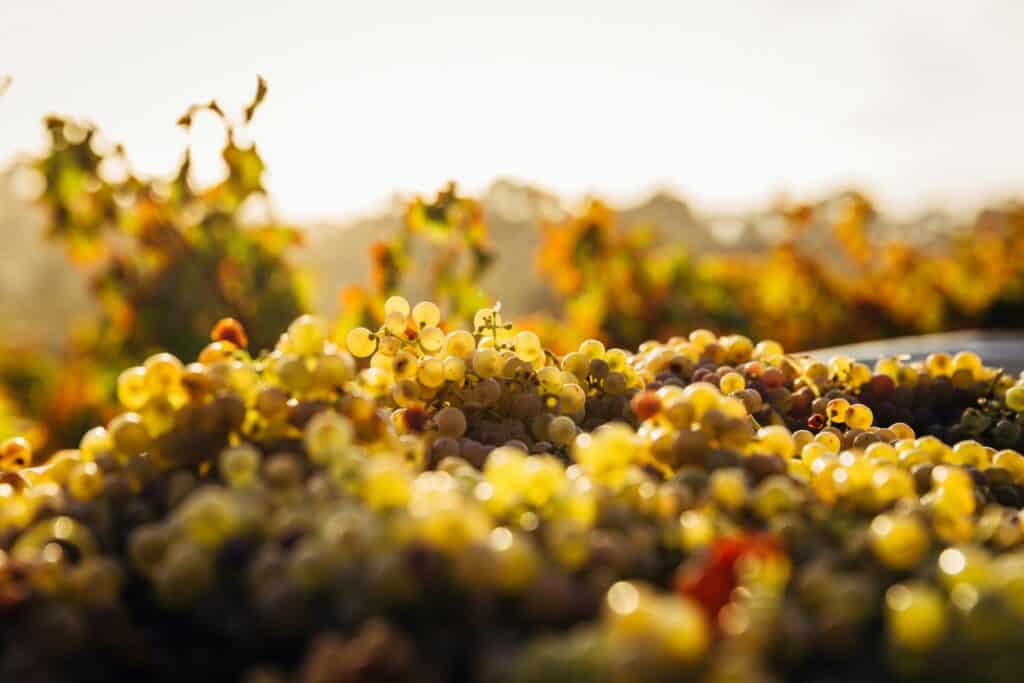
Food and wine are partners here. Australia grows great wine across many climates. The Barossa Valley, Hunter Valley, Yarra Valley, McLaren Vale and Margaret River are the names to know, and each has its own signature style.
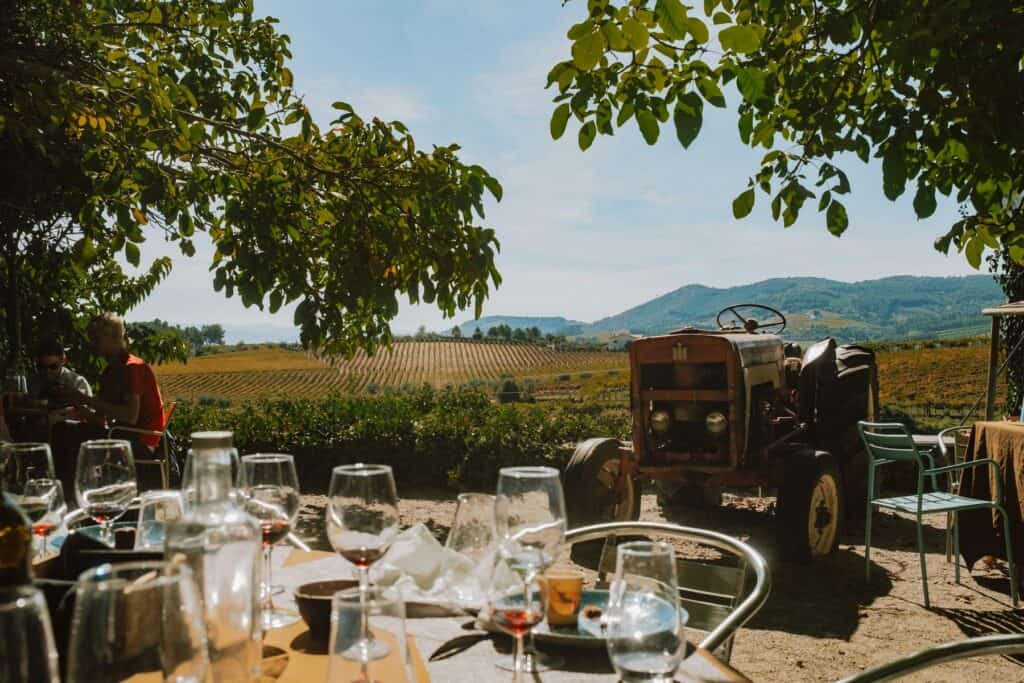
Many of those regions pair cellar doors with serious kitchens. You taste a flight in the morning, then lunch on produce grown a few miles away. It is a gentle, civilized way to see a region. Our guide to wine tasting experiences in Australia helps you plan one.
Adelaide deserves special mention. It sits close to the Barossa, the Adelaide Hills and McLaren Vale, and its markets and restaurants are superb. See our piece on Adelaide, where food and wine dreams come true for a ready-made weekend.
Margaret River is another great pairing of table and coast. Surfers and winemakers share the same sunny stretch of Western Australia. If you want both, read our guide to Margaret River surfing and plan lunch at a cellar door afterward.
The best restaurants in Australia and how to book them
Now the question every luxury traveler asks. Where should dinner be? The country’s finest restaurants sit across Sydney, Melbourne, Hobart, Adelaide and Perth, with some in remote and wild places. A few are worth planning an entire trip around.
Cities each offer a different flavor. Sydney leans glamorous and harbor-bound, with serious seafood and polished service. Melbourne leans inventive, with hidden dining rooms and generations of migrant cooking. Hobart brings the island’s produce and a thriving art scene. Adelaide and Perth reward those who add a wine region to the plan. Choose your cities by the kind of meal you crave.
Book early. Top tables fill weeks or months ahead, and some release seats on a set date. Dress is smart but rarely formal. Tasting menus often come with a paired wine flight, and many kitchens welcome dietary requests if you ask in advance.
Think about the order of your trip too. Start in a city for the migrant cuisines and the fine dining. Then head to a region for farm lunches and cellar doors. End by the sea with oysters and a long afternoon. That rhythm shows the full range of Australian food in a single week.
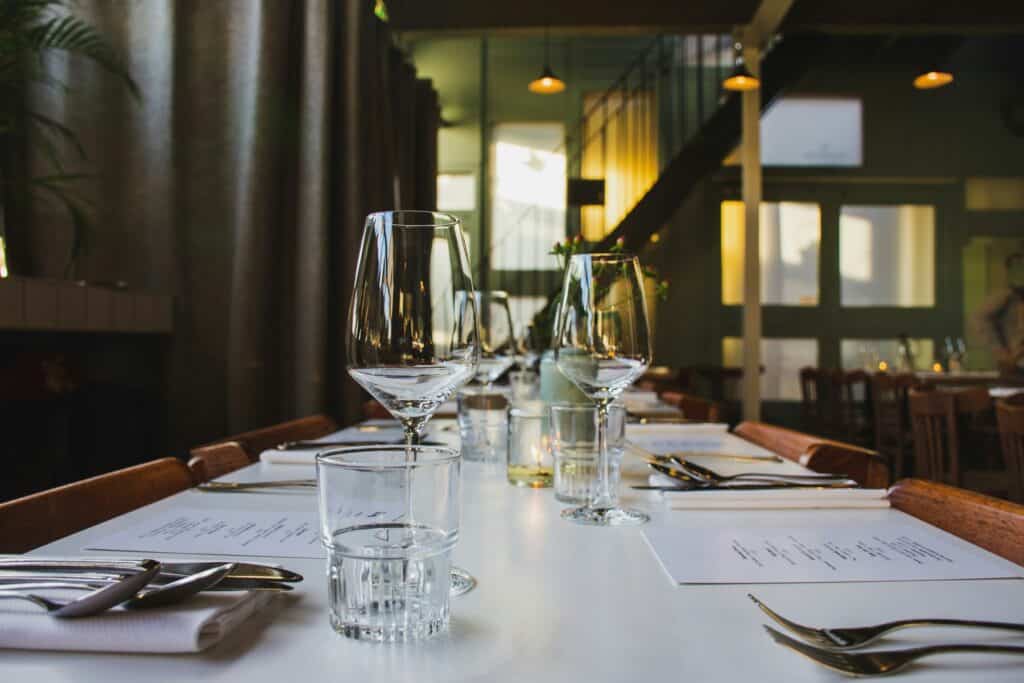
Our guide to the best restaurants in Australia ranks the leading tables by state and explains how to book each one. It is the natural next read once you have the story in your head.

Tarts and pastries from the Sydney bakery that set the standard.

Planning your own food journey
Australian food rewards slow travel. Choose two or three places rather than six. Give each enough time to find its markets, bakeries and one great dinner. Ask locals where they eat on a Tuesday. Those answers are often the best of the trip.
Think about the season before you book. Each month brings its own harvest, and the menus follow. Winter brings truffles in the south and sweet oysters. Summer brings stone fruit, pavlova and long lunches. Spring and autumn make the wine regions glorious. There is no bad time, only different menus.
Whatever the date, bring curiosity. The cuisine began with the oldest living food culture on earth, grew through colonial hardship and migrant courage, and now stands among the most exciting in the world. Few destinations let you taste that history so easily.
Start with the topics that call to you. Every guide in this series goes deeper than a single post can. Read about native ingredients, the meat pie or the best restaurants. Then build a trip around the meals you cannot wait to eat. The table is set.

Take our short quiz and find the city, coast and table that suit you best.
Take the quizQuestions worth asking
What is Australian food known for?
Australian food is known for fresh seafood, quality lamb and beef, and bold cross-cultural cooking. Icons include the meat pie, Vegemite, pavlova and lamingtons. Chefs also use native ingredients such as finger lime and wattleseed.
What are common foods in Australia?
Everyday foods include meat pies, sausage rolls, fish and chips, chicken parmigiana and barbecued meats. Migrant influences also put banh mi, souvlaki and dumplings on many tables. Breakfast often means toast with Vegemite or smashed avocado, plus a flat white.
What is Australian food culture like?
Australian food culture is relaxed, generous and social. People share barbecues, long lunches and cafe breakfasts. It blends Indigenous knowledge, British roots and the cooking of many migrant communities.
What is the gastronomy of Australia built on?
The gastronomy of Australia rests on producers and place. Chefs cook with local seafood, meat, produce and native ingredients at their peak. Menus change with the season, and wine lists lean toward nearby regions.
What is Australian cuisine called when it is modern?
The contemporary style is often called Modern Australian, or Mod Oz. It uses top local produce and borrows freely from Asian and Mediterranean cooking. Dishes are simple, precise and seasonal.
When is the best time to travel for Australian food?
Autumn and spring suit the wine regions and city dining best. Winter is the season for truffles and sweet oysters in the south. Summer brings stone fruit, pavlova and long outdoor lunches.