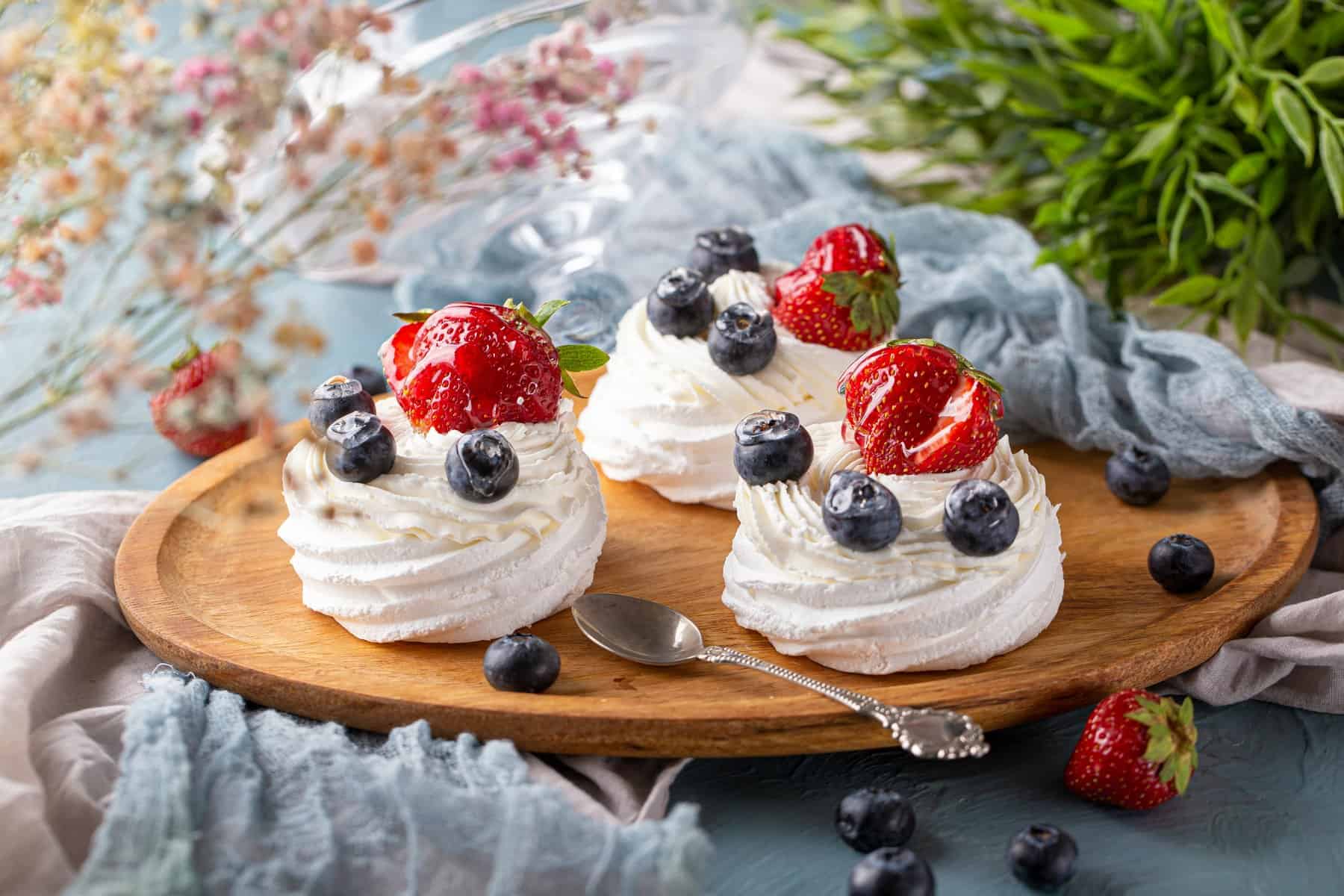
The best-known Australian desserts are pavlova, the lamington, the Anzac biscuit and the vanilla slice. Add the Iced VoVo and the Golden Gaytime, and you have the sweet side of national memory. Each now has a refined version in a patisserie or dining room, which is where a luxury traveler should look.
Why Australian desserts reward a slow trip
Australian desserts began at the kitchen table, in school fetes and church halls, with whatever the pantry held. Cream, coconut, golden syrup and eggs did most of the work. Today a new generation of pastry chefs treats those humble recipes with real ambition. That shift is worth planning a trip around.
Every one of these Australian desserts carries a story. Every story also has a place where it is told best. Pavlova belongs to a long argument across the Tasman Sea. The lamington belongs to Queensland Government House and the cooking schools of Brisbane. The Anzac biscuit belongs to memory, and you should eat it with respect.
This guide sits within our wider look at how Australian food became one of the world’s great cuisines. If you want the whole checklist of national icons, our guide to iconic Australian foods covers them all. Here, the focus stays on sweet things, and on the counters where they are made beautifully.
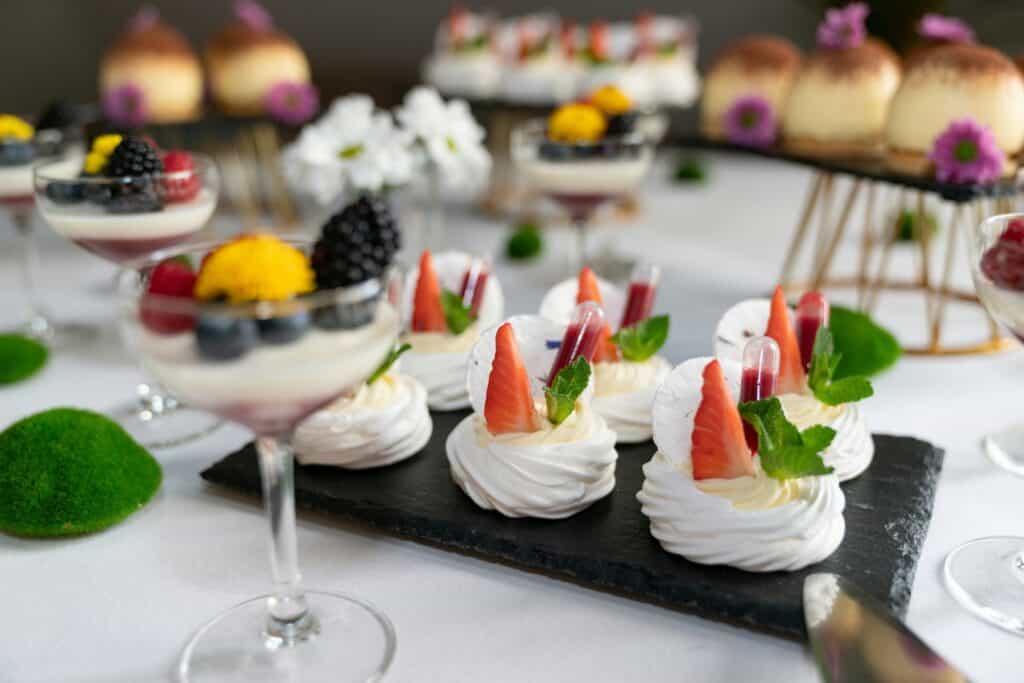
Expect a few surprises. Some of these desserts are older than you think, and some arguments are still open. Where historians disagree, we say so plainly. A dessert story is more enjoyable when it stays honest.
There is also a reason to take the sweet course seriously. In Australia, dessert is where hospitality shows. A host who bakes a pavlova for a long lunch is offering time, skill and affection. Learn to read that gesture, and the whole country opens up. So come hungry, and leave room for the last course.
The pavlova debate with New Zealand
Start with the oldest quarrel in Australian desserts. Both Australia and New Zealand claim the pavlova, and both have decent evidence. The dessert is named for the Russian ballerina Anna Pavlova, who toured both countries in 1926.
The recipe trail begins in New Zealand. Professor Helen Leach of the University of Otago wrote the standard book on the subject. She found three pavlova recipes in New Zealand cookbooks before 1930. RNZ reports that the earliest, from 1927, was a layered jelly promoted by a gelatine company. Another was a thin meringue shell filled with fruit.
Australia answers with a plate. The first recorded Australian version appeared in 1935, from a German chef at the Esplanade Hotel in Perth. That version was a thick meringue cake, much closer to the dessert we eat today. In the RNZ account, New Zealand gave the name and Australia gave the modern recipe.
Leach later argued that the whole fight misses the point. In a 2010 paper in Gastronomica, she argues the cookbooks show something else. Pavlovas evolved gradually and in parallel from meringue cakes. No single cook invented it. That is a generous way to end an argument, and it lets both nations keep their pride.
Before you cook or order, remember one thing. A pavlova is a dessert of restraint. It asks for few ingredients, and it rewards the cook who handles them with care. That is why a fine kitchen can make one feel like theater.
STRAAYA may earn a commission when you buy through these links, at no extra cost to you.
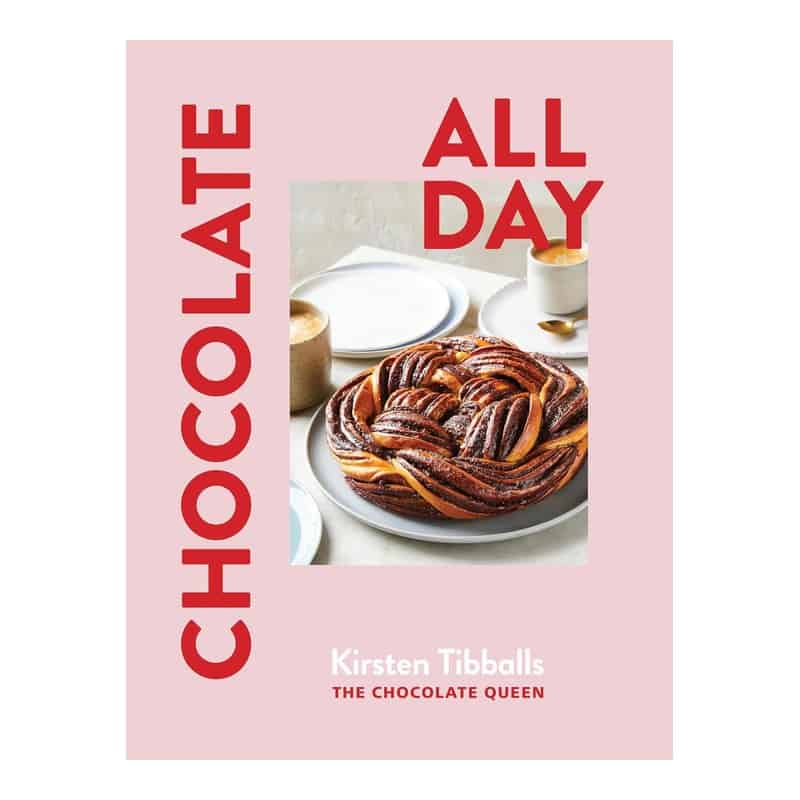
Melbourne’s chocolate queen, from breakfast to dessert.
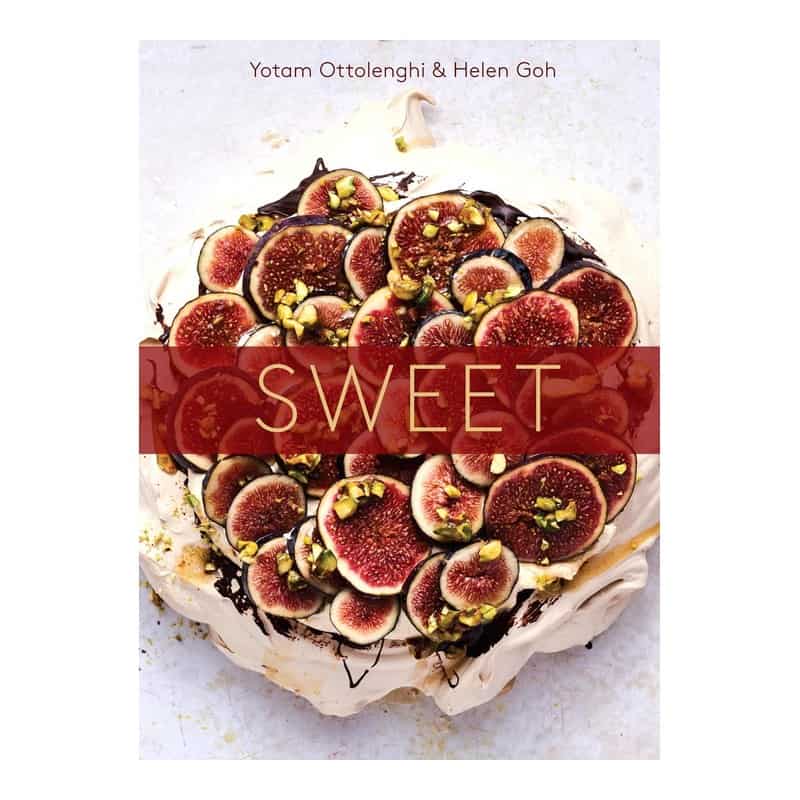
Celebration baking from Ottolenghi and pastry chef Helen Goh.

How to eat pavlova at its best
Among Australian desserts, a great pavlova is a study in contrast. The shell should shatter lightly, then give way to a soft, marshmallow center. Cream should be cold and barely sweet. Fruit should be ripe, and in Australia that usually means passionfruit, strawberries or mango, depending on the season.
Summer is the time to order one. From December to February, the fruit is at its peak and the Christmas table makes a pavlova almost compulsory. Many Australians eat it outside, with a glass of sparkling wine and a view of the water. Follow their lead.
Look for pastry kitchens that bake the meringue in small batches and fill it to order. Dessert menus in good restaurants often list the fruit by name, which is a promising sign. A filled pavlova left in a cabinet loses its crunch within hours. Ask when the shell was baked. A confident kitchen will tell you.
Wine pairs well here, too. A cool-climate sparkling or a late-harvest riesling suits the sweetness and the acidity of the fruit. If you plan a cellar-door route, our guide to world-class wine tasting in Australia will help you build it. A slice of pavlova at the end of a long lunch is a very Australian ending.
Humidity and the crisp shell
Weather matters too. Humidity is the enemy of meringue, so a dry day gives the crispest shell. Bakers in humid places work harder to keep the crust intact. Neither style is wrong. They simply taste of their place, and a patient traveler will enjoy both.
You may also like

The lamington and a disputed Queensland story
The lamington, perhaps the most beloved of Australian desserts, is a square of sponge, dipped in chocolate and rolled in desiccated coconut. It looks plain, and it is anything but. The best versions are light, moist and almost weightless.
Its name points to Lord Lamington, the eighth governor of Queensland from 1896 to 1901. Queensland’s State Library holds the first known recipe. It appeared as “Lamington Cakes” in the Queensland Country Life on 17 December 1900. That date is firm. Everything else about the cake’s creation is still debated.
Several tales compete. One credits a chef at Government House. Another tells of a nervous maid at the opening of a technical college. Ipswich, Toowoomba, and even Scotland and New Zealand have staked claims. The same library notes that the link to the governor himself is disputed.
One name does appear early and clearly. Amy Schauer headed the cooking school at Brisbane Technical College. Her name first appeared against a lamington recipe in The Queenslander on 26 November 1904. She became one of the state’s most influential cooks. Teachers and home cooks shaped Australian food history as much as chefs did.
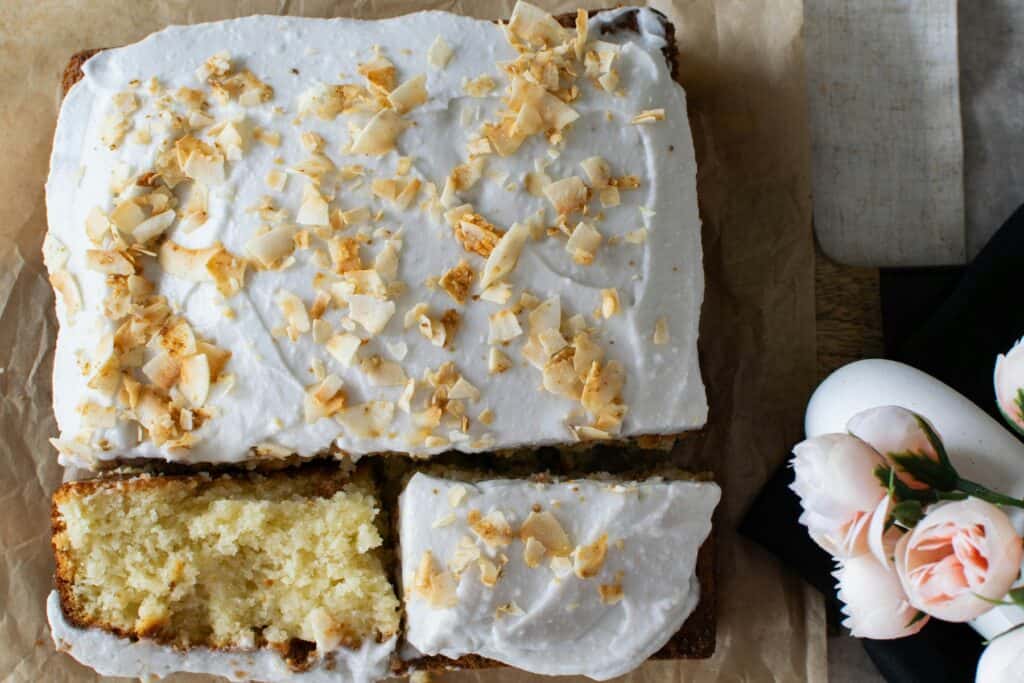
Taste matters more than origin, in the end. A good lamington should feel light in the hand and tender in the mouth. The chocolate should crack softly, and the coconut should smell sweet and fresh. Many bakers fill theirs with jam and cream, which Australians argue about with great heat.
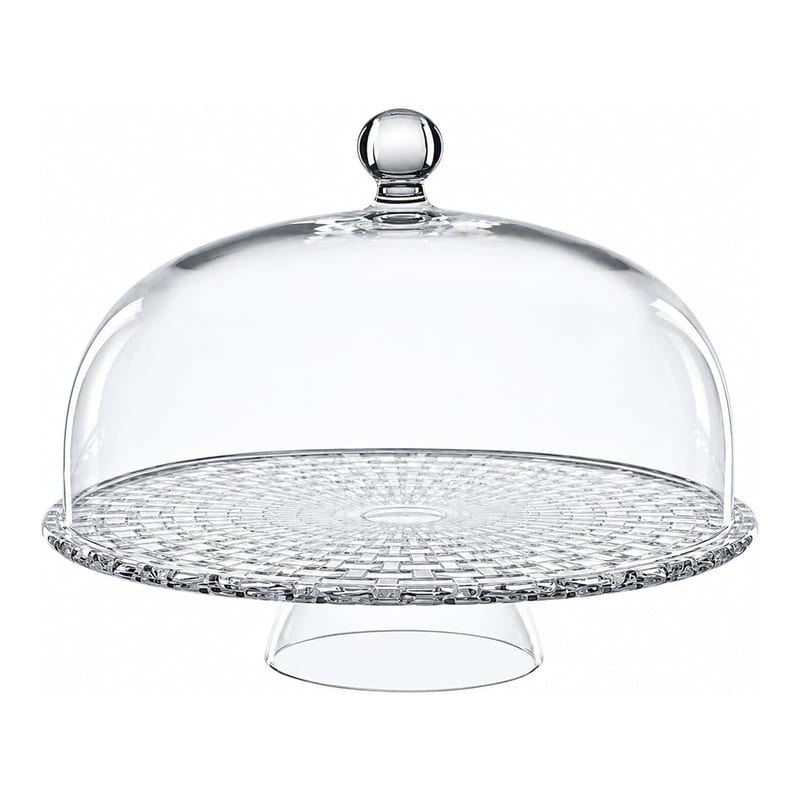
German crystal that makes a pavlova look like an event.
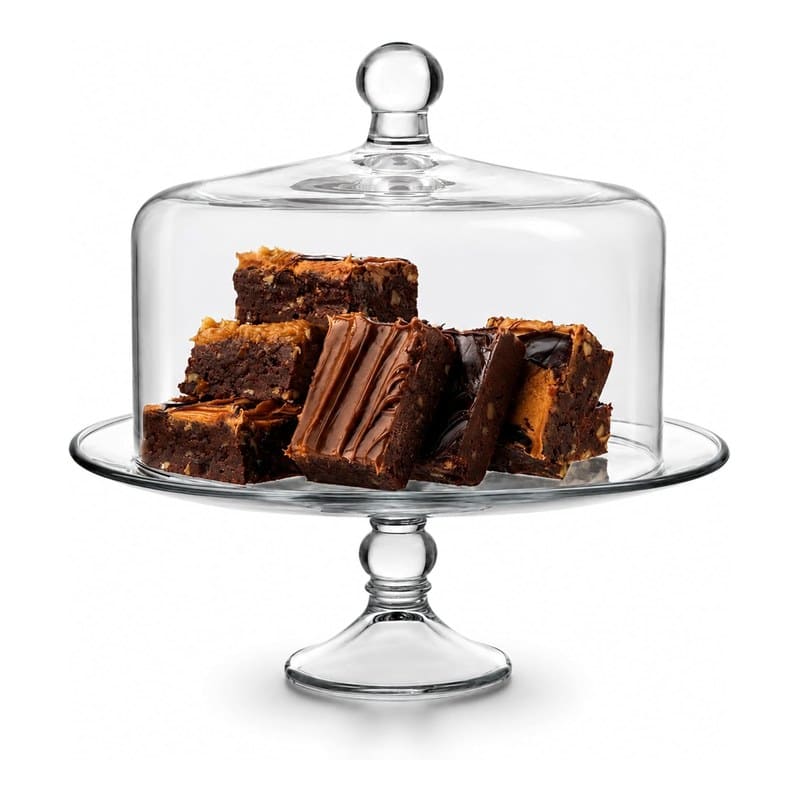
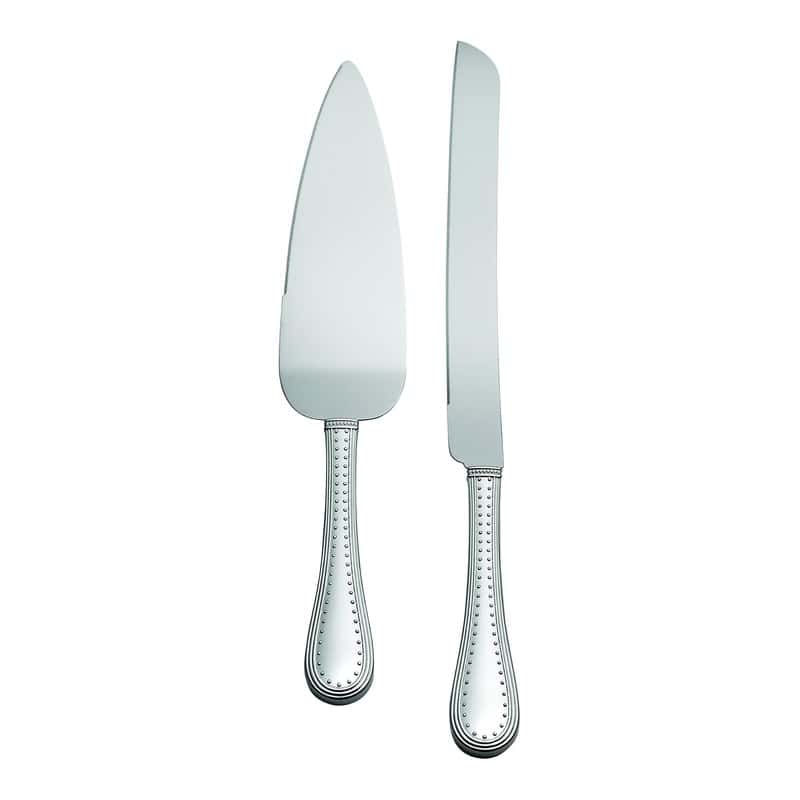
Silver plate for slicing celebration cakes.
Where lamingtons become fine pastry
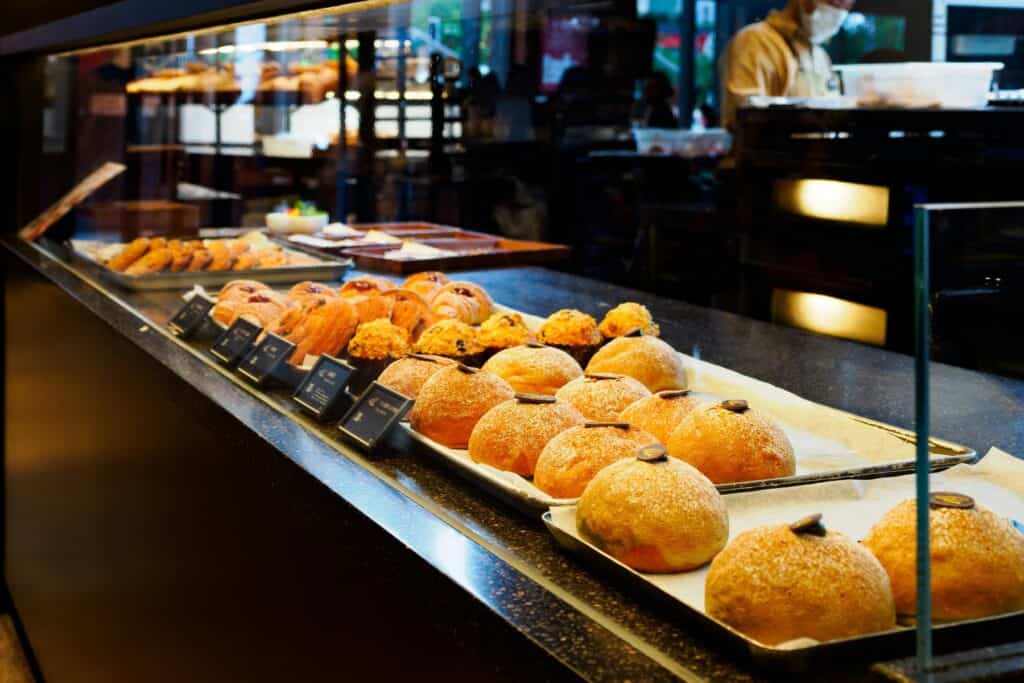
For many years the lamington stayed in the bakery case, a little dry and a little forgotten. That has changed. Pastry chefs now treat it as a canvas, and the results suit an afternoon in a good city.
In Sydney, Flour and Stone in Woolloomooloo is known for its pannacotta lamingtons. The sponge is dipped in a pannacotta mix before the chocolate and coconut coat it. The result is cooler, silkier and richer than any school-fete original. It also appears on the La Liste 2024 selection of the world’s best pastry shops, as Broadsheet reported.
In Melbourne, Tokyo Lamington took a different path. It gives the cake a Japanese-inspired reworking with inventive fillings, and Broadsheet lists it among Melbourne’s bakeries on La Liste’s 2024 selection.
Menus change often, so check before you go. The principle holds, though. Ask what is baked that morning, and ask whether the coating is made in house. A fine lamington has a tender crumb, a thin chocolate shell and coconut that tastes fresh. If it sits dry and heavy, move on.
The Anzac biscuit and what it asks of you
Among Australian desserts, the Anzac biscuit is the odd one out, because it is not really a dessert. It is a memory in oats and golden syrup. For that reason, the best way to approach it is with care.
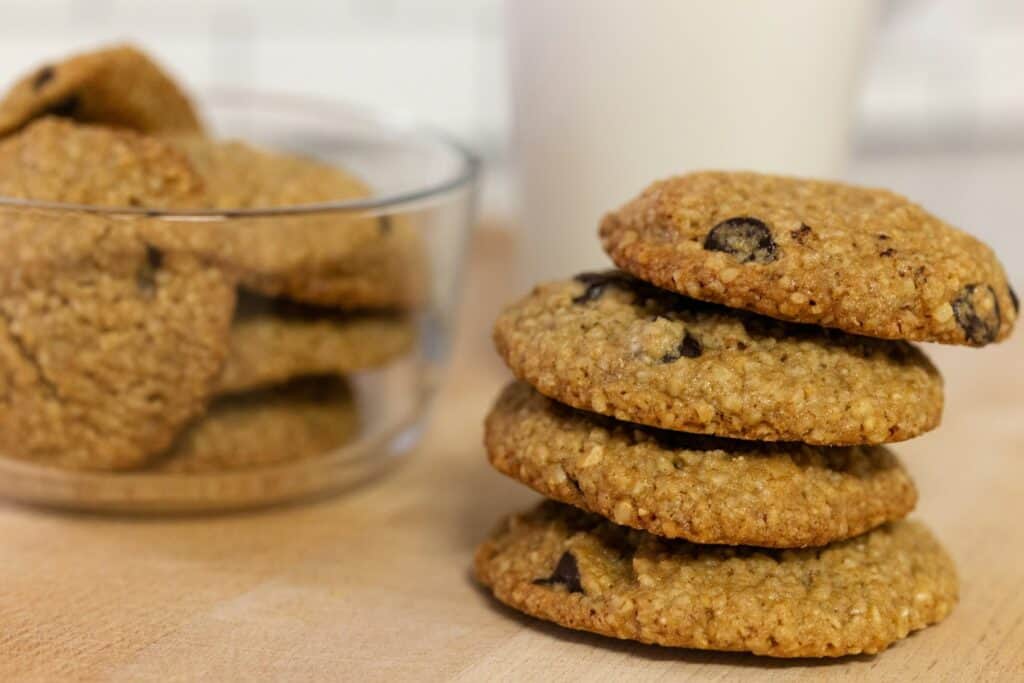
Start with what the biscuit is not. The hard ration biscuit that soldiers carried at Gallipoli was a different thing. Men called it the Anzac tile or wafer. The Australian War Memorial says the origin of the sweet Anzac biscuit is contested. It adds that the sweet biscuit was not the ration supplied to soldiers. The Memorial holds tiles that men wrote on and decorated.
Its link to the war is gentler. The Department of Veterans’ Affairs notes that many care parcels held biscuits of rolled oats, golden syrup and flour. Those kept well on the long voyage overseas. Families baked them for sons and husbands far from home.
There is a rule worth knowing. Under the Protection of Word “Anzac” Regulations from 1921, a commercial Anzac biscuit needs a permit to carry the name. Taste one on or near Anzac Day, 25 April, and you will see why Australians hold it dear.
Home cooks rarely agree on the recipe, and bakers are no different. Texture sparks its own debate. Some bakers pull the tray early for a chewy center. Others bake longer for a crisp snap. Both camps are loyal. Try each, then choose a side. A strong cup of tea makes either one taste better.
The vanilla slice and the Victorian rivalry
Of all Australian desserts, the vanilla slice is the quietest monument to the bakery. Two sheets of crisp puff pastry hold a thick vanilla custard, with passionfruit or pink icing on top. It is rich, wobbly and best eaten with a fork.
Its ancestry lies in Europe. SBS Food traces a similar pastry to a 1651 French cookbook. It names the French mille-feuille as the closest relative. The author adds that the exact path to Australia is impossible to trace.
Victoria turned it into sport. According to SBS, the then premier Jeff Kennett founded the Great Australian Vanilla Slice Triumph in Ouyen in 1998. The contest later moved to Merbein, and bakeries still chase the title. It shows how seriously a country can take a custard square.
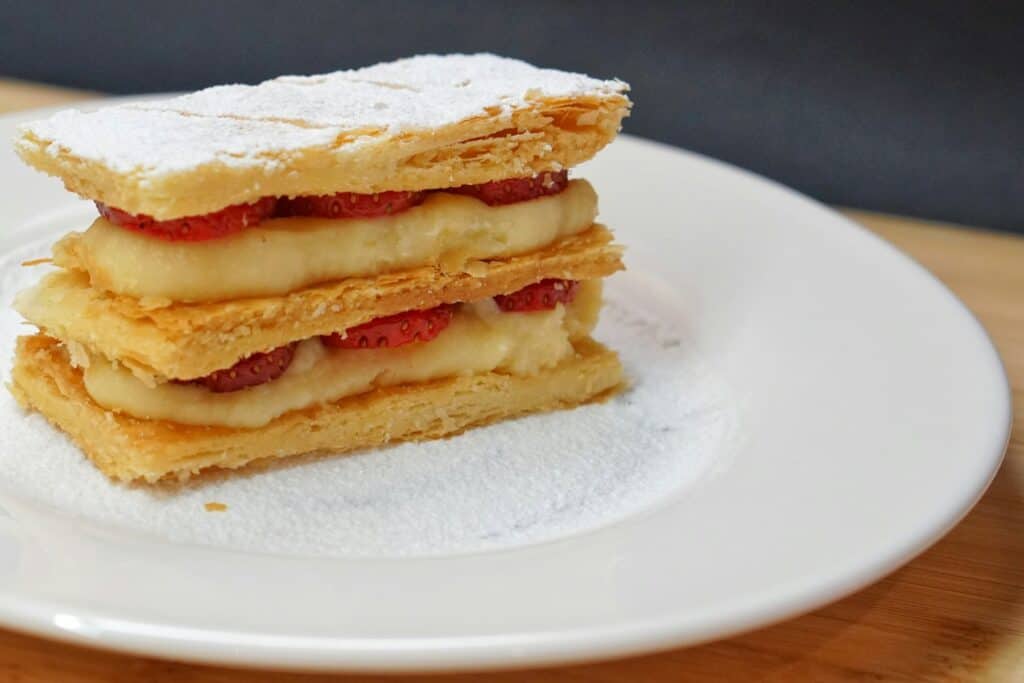
Tradition guards this pastry closely, which is part of its charm. The mille-feuille link matters when you taste one. A good slice shares that French logic of thin, crisp layers against something soft. The Australian version simply makes the custard thicker and the topping sweeter. Done well, it is a small marvel of balance.
To eat one well, pick a bakery that makes its own custard and bakes its pastry that morning. The pastry should crackle. The custard should hold its shape and taste of real vanilla. Bakeries on the La Liste 2024 selection, such as Bourke Street Bakery in Surry Hills and Brickfields in Marrickville, are strong places to begin.
Real vanilla for custard slices and cream.
The Iced VoVo and Golden Gaytime, childhood on a plate
Two Australian desserts belong to the childhood end of the table. The Iced VoVo is a biscuit with pink fondant, a stripe of raspberry jam and a dusting of coconut. The Golden Gaytime is a toffee and vanilla ice cream, dipped in chocolate and rolled in biscuit crumb.
Neither is luxurious on paper. Yet both are loved far beyond their humble packaging. For many Australians, one bite brings a school playground back in full color. That is the real appeal, and it is why travelers enjoy them as a small act of local immersion.
So how does a discerning visitor eat them? Slowly, and in the right setting. Take an Iced VoVo with a good pot of tea on a hotel balcony. Let the fondant soften a little against the warm cup. Eat a Golden Gaytime on a jetty at sunset, ideally after a long swim. Our guide to Byron Bay surfing suggests the kind of coast where that moment fits.
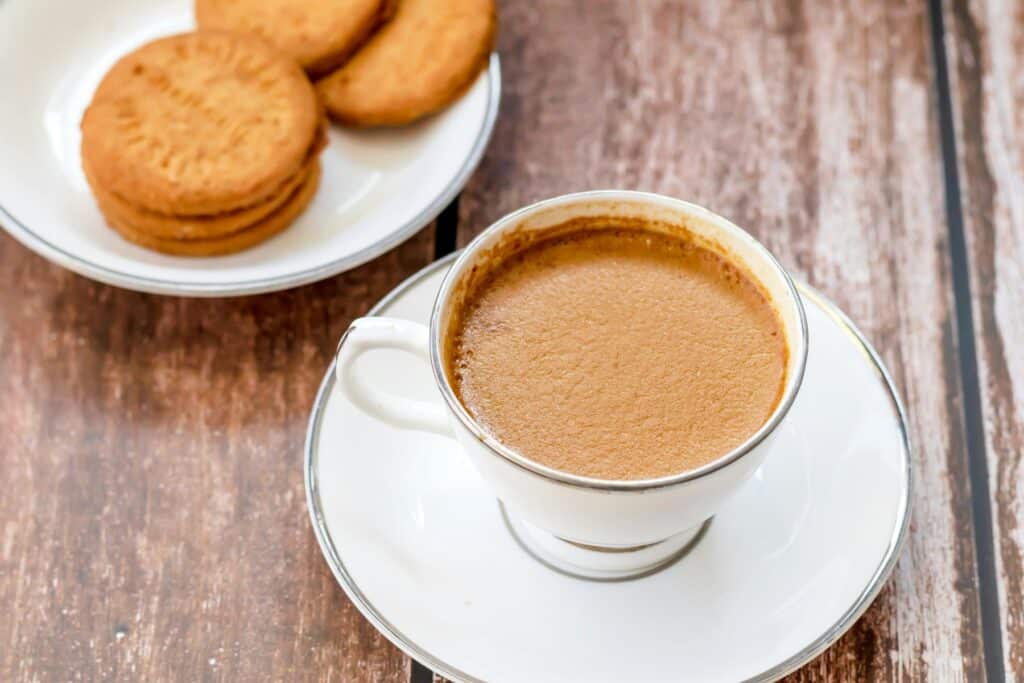
Pair the biscuit with proper tea, and the ice cream with something in the same spirit. A strong flat white from a good roaster is a fine match. Our guide to coffee in Australia shows where to find one. Then admit, with a smile, that the simple things are often the best ones. Add a little ritual and they feel special. A china cup, a linen napkin and a quiet view turn a packet biscuit into an occasion.

You may also like


Australian desserts at the patisserie counter
The most exciting change in Australian desserts is the rise of the serious patisserie. Pastry chefs trained in classic technique now build their menus on local memory. The luxury hook is clear. This is where a nostalgic classic becomes a work of art.
Black Star Pastry in Newtown, Sydney, is the best-known example. Its Strawberry Watermelon Cake is made from two layers of almond dacquoise, with rose-scented cream, watermelon, strawberries, pistachios and dried rose petals, as the Sydney.com listing describes. It has a reputation as the world’s most Instagrammed cake. It is also very good, and it tastes like a pavlova reimagined for the fork.
Nostalgia as a pastry theme
Nostalgia itself has become a pastry theme. Hyoju Park of Melbourne’s Madeleine de Proust won Pastry Talent of the Year at the La Liste 2026 Pastry Special Awards. She explained that the shop’s name comes from “the idea of nostalgia, where taste or smell can bring back a memory.” Her focus is the madeleine, not a local classic. Still, memory as flavor runs through the whole scene.
That is the lesson for the traveler. Seek out the counters where chefs ask what a childhood taste means and then answer it with skill. Book a morning, walk in early and order one thing slowly. A single beautiful pastry beats a box of many.
Pair it with a drink that suits it. A pot of single-estate tea flatters a delicate cake. A short black cuts through cream. If the counter has a small garden or courtyard, take your plate there. A quiet corner makes even a modest pastry feel generous.
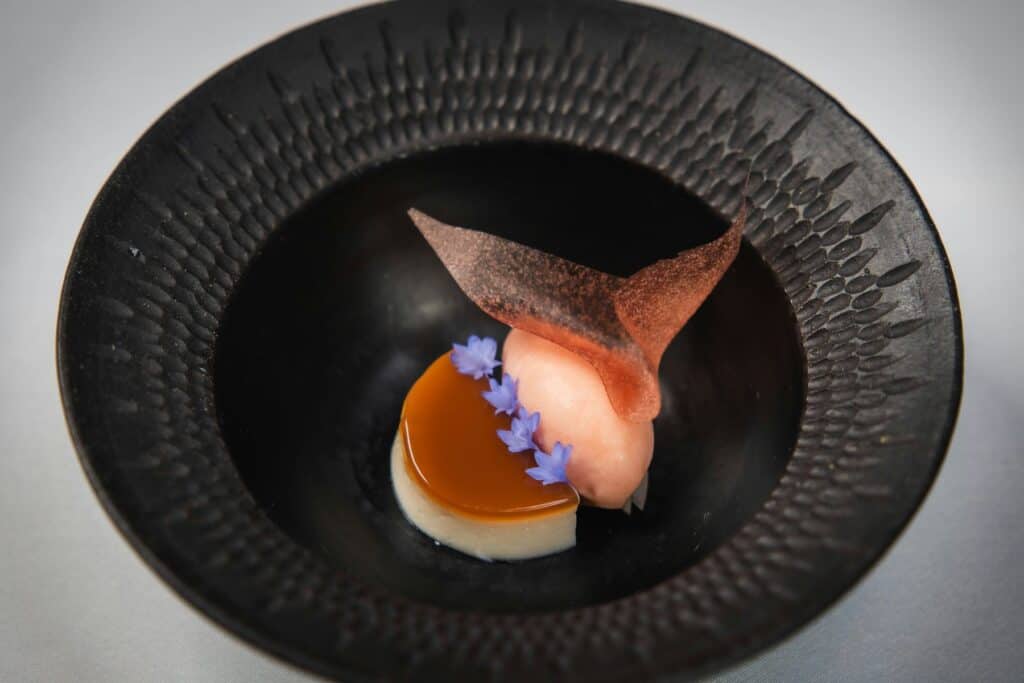
A few habits help. Go on a weekday morning, when the cases are full and the staff have time to talk. Ask what the pastry chef is proud of this week. Then sit down, take a fork and let the first bite arrive without a phone in your hand.
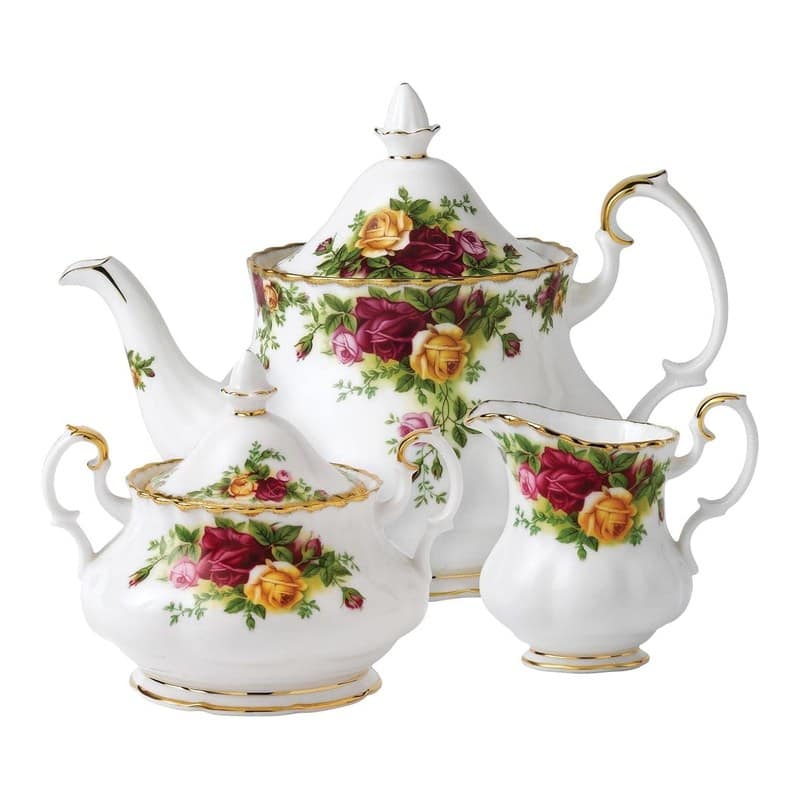
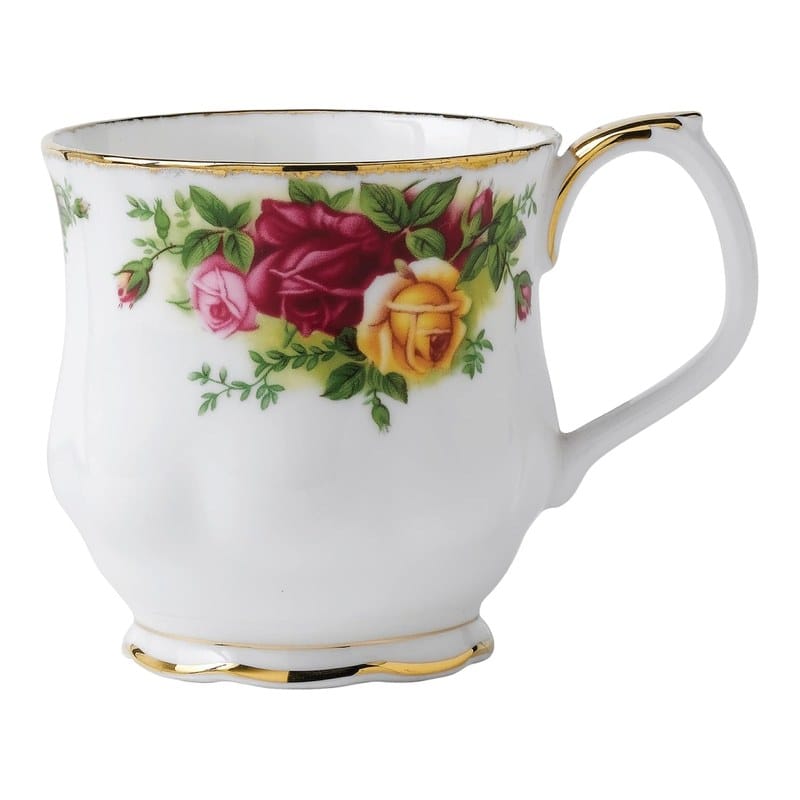
The classic English rose pattern for a proper pot of tea.
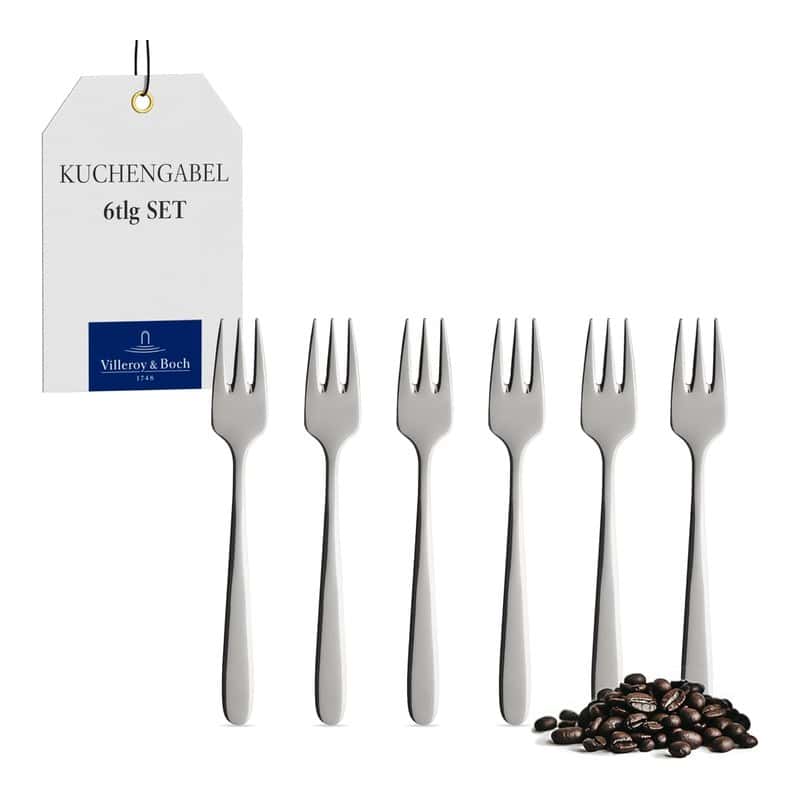
Fine stainless forks for lamingtons and slices.
Native twists on Australian desserts
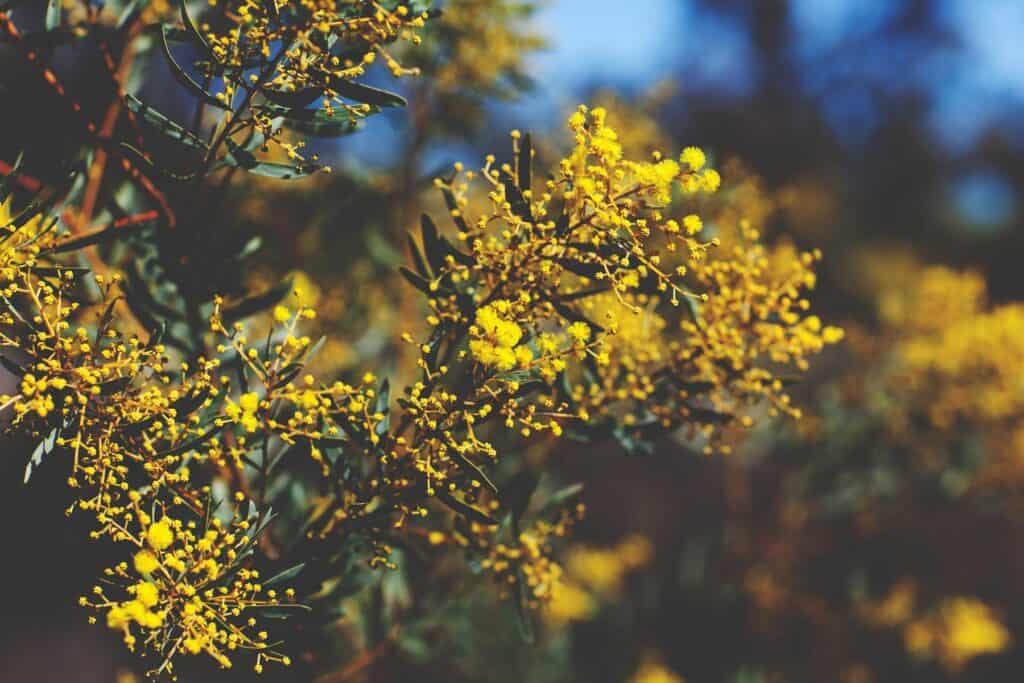
The most original Australian desserts borrow from the land itself. Wattleseed and lemon myrtle sit at the heart of this movement. Both belong to Aboriginal food knowledge that stretches back thousands of years.
Tourism Australia says Aboriginal communities have traditionally eaten wattleseed. Its powdered seeds add flavors of nuts, coffee, spice and chocolate to cakes and biscuits. The same page says lemon myrtle has long served Aboriginal communities for healing. Its leaf brings a citrusy zest to cooking. Think of wattleseed as a roasted, mocha note and lemon myrtle as a clean, floral lemon.
These native flavors suit classic Australian desserts well. Wattleseed folds easily into cream, so a pavlova gains a gentle coffee depth. Lemon myrtle lifts a shortbread or a custard without the sharpness of fruit. Used with a light hand, each makes an old recipe feel new.
At Ochre Restaurant in Cairns, Tourism Australia notes a wattleseed pavlova or ice cream on the menu. That is a pavlova and a native ingredient together, and it is the right place to see how old and new Australia can share a plate. Menus change, so ask when you book.
Buy these ingredients with care. Choose suppliers that work with Aboriginal communities and pay them fairly. Ask where the seed or leaf was harvested and who gathered it. Our guide to native Australian ingredients explains how to do this well. Respect for Country is part of the flavor.
A simple guide to the sweet trail
A list of Australian desserts helps when you plan. The table below matches each classic with the season to enjoy it and the style of place to find it. Treat it as a map rather than a rulebook, since menus shift with the weather and the chef.
| Dessert | Best time | Where to look |
|---|---|---|
| Pavlova | December to February | Hotel dining rooms and summer lunches |
| Lamington | Year round | Patisseries and good bakeries |
| Anzac biscuit | Around 25 April | Bakeries and home kitchens |
| Vanilla slice | Year round | Bakeries with in-house custard |
| Iced VoVo | Year round | A good pot of tea |
| Golden Gaytime | Summer | A beach kiosk or jetty |
| Wattleseed pavlova | Check when booking | Ochre Restaurant, Cairns |
| Strawberry Watermelon Cake | Year round | Black Star Pastry, Newtown |
Notice how many Australian desserts suit a slow day. Few belong in a rush, and most taste best shared. That is the point. Australian desserts are rarely rushed, and they reward the traveler who sits down.
Planning a trip around Australian desserts
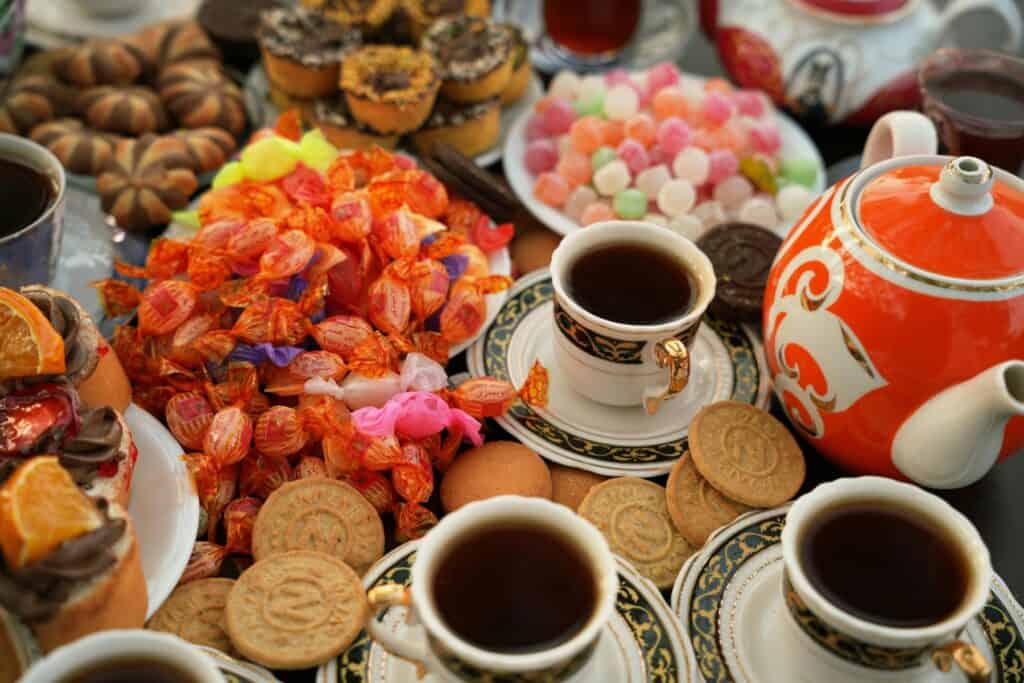
Build the days around meals, and Australian desserts will follow. A good plan leaves room for one pastry stop each morning and one slow dessert each night. Sydney visitors can add Newtown and Woolloomooloo to a harbor itinerary. Melbourne rewards a morning set aside for the laneway patisseries. A lamington feels right in Queensland, where the cake was first printed. Wherever you land, ask the local team for their favorite counter. Hotel concierges, market stallholders and cafe owners all keep a short list, and they share it gladly. Write down two or three names, then let your appetite decide the order.
Pair desserts with the rest of the table. Our guide to Australia’s best local food markets shows where to taste produce at the source. Adelaide rewards a longer stay. Our piece on where food and wine dreams come true helps you plan it. If savory comes first, our guide to the Australian meat pie is a good start.
Travel in summer for pavlova and ice cream. Travel in April for the Anzac biscuit and its meaning. Visit between December and February to catch berries, mango and passionfruit at their best. In every season, book early for the popular patisseries, and arrive at opening.

Where to go next
Australian desserts tell the story of the country in miniature. They carry migration, war, generosity and a little humor. They also show how a young cuisine learns to respect its past and still reach forward. Even the oldest recipes here still change, and the best ones keep their memory intact.
Keep the plan loose and the appetite open. Book one patisserie, one old-fashioned bakery and one restaurant that treats dessert as a full course. That mix will show you the range of Australian desserts in a single week. Start with a pavlova in summer, a lamington in Queensland or Sydney, and a wattleseed dish in the tropical north. Let the rest follow. For the wider picture, return to our hub on Australian food and plan the next course of your trip.

Take our short quiz and find the city, coast and table that suit you best.
Take the quizQuestions worth asking
What is the most famous Australian dessert?
Pavlova is the best-known Australian dessert, though New Zealand also claims it. The lamington runs it close at home. Both are worth tasting in a good patisserie or restaurant.
Who invented the pavlova, Australia or New Zealand?
Neither can claim it outright. New Zealand cookbooks carry the earliest recipes using the name, while the first recorded Australian version appeared in Perth in 1935. Helen Leach of the University of Otago argues that pavlova evolved gradually and in parallel.
Where does the lamington get its name?
It is linked to Lord Lamington, governor of Queensland from 1896 to 1901. The State Library of Queensland says the first known recipe printed under the name appeared on 17 December 1900. The link to the governor himself remains disputed.
Are Anzac biscuits the same as the biscuits soldiers ate?
No. The hard ration biscuit at Gallipoli was known as the Anzac tile or wafer. The sweet Anzac biscuit is a separate recipe, and its exact origin is contested.
What are native Australian dessert flavors?
Wattleseed and lemon myrtle are the most common. Wattleseed adds a nutty, coffee-like note, and lemon myrtle gives a bright citrus lift. Both come from long Aboriginal food knowledge.
When is the best time to eat Australian desserts?
Summer, from December to February, suits pavlova and ice cream. Late April suits the Anzac biscuit. Patisserie classics such as the lamington are available year round.