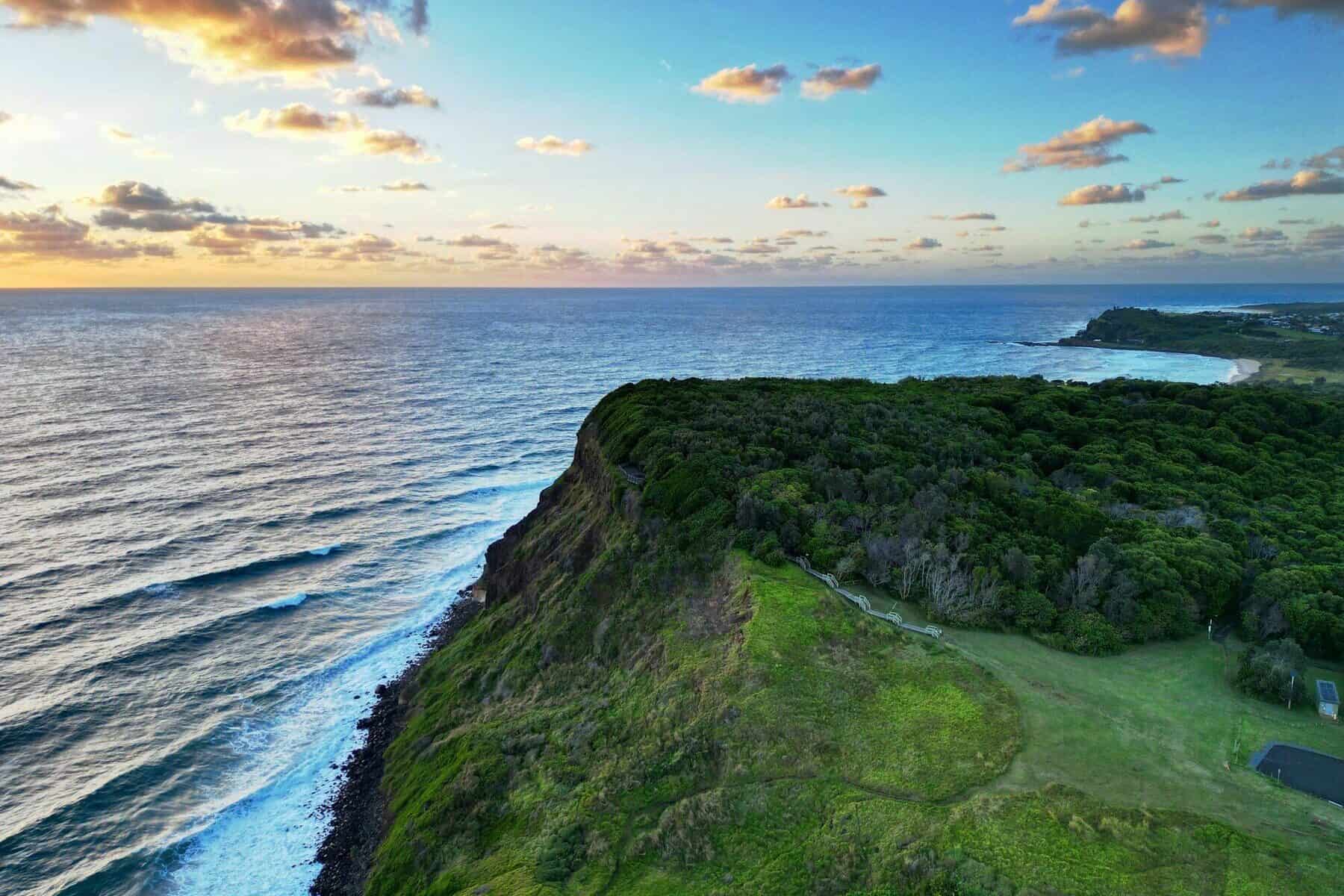
A surfing reserve is a stretch of coast formally recognized for the value of its waves, its environment and its surf culture. Australia created the world’s first at Bells Beach in 1971. Today, national and World Surfing Reserves protect famous breaks from Victoria to Queensland.
Why Australia protects its waves
Surfers know, above all, that a great wave is fragile. A single breakwall, dredging project or badly planned development can change a sandbank forever. For that reason, Australian surfers began to fight for formal protection more than half a century ago. The result is a network of surfing reserves that now spans the country.
Surfing reserves Australia wide are about more than surfing. They recognize the cultural history of a break, its natural environment and its value to the local community. In many cases, they also honor the Traditional Owners whose connection to these coasts runs far deeper. Visiting them offers a window into the conservation side of Australian surf culture.
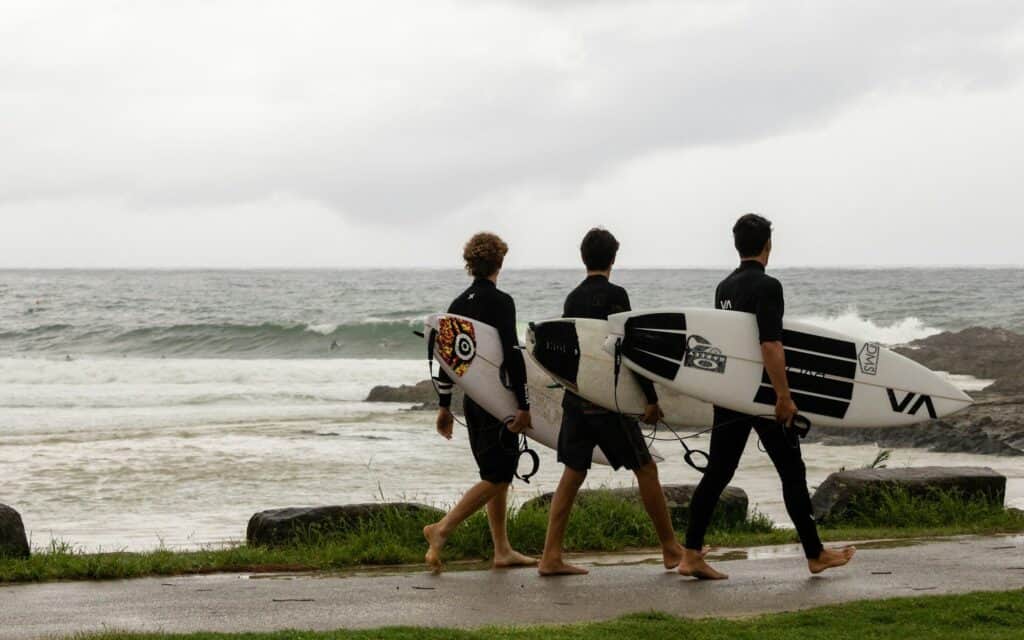
This guide explains how the reserves began, how they work and where to find the most famous ones. It covers Bells Beach, Noosa, the Gold Coast and Lennox Head in detail. It also shows how visitors can help protect these places. By the end, you will see Australia’s great breaks in a new light.
The scale of the surfing reserves Australia movement is impressive. What began with a single bay in Victoria now includes famous breaks in several states. Each one has its own story, from heated planning battles to joyful community celebrations. Together, they form a living map of Australian surf culture.
Bells Beach and the world’s first surfing reserve
The story begins at Bells Beach in Victoria. By the late 1960s, crowds of surfers were damaging the clifftop vegetation above the famous reef. Fires, cars and informal paths were eroding the land. Local surfers decided to act.
Their concern was practical as well as emotional. Without care, the cliffs would continue to erode and the access tracks would widen. Eventually, the beauty that drew surfers to Bells could disappear. Therefore, protecting the land became as important as protecting the wave itself.
In 1971, local surfers pushed for council management, as the Great Ocean Road Coast and Parks Authority records. The council became land manager that May, and the reserve name was adopted that November. That made Bells Beach the world’s first surfing reserve. Surfers then planted more than 400 trees in 1971 and 1972 instead of paying an entrance fee.
STRAAYA may earn a commission when you buy through these links, at no extra cost to you.

A plastic-free tin of non-nano zinc protection.
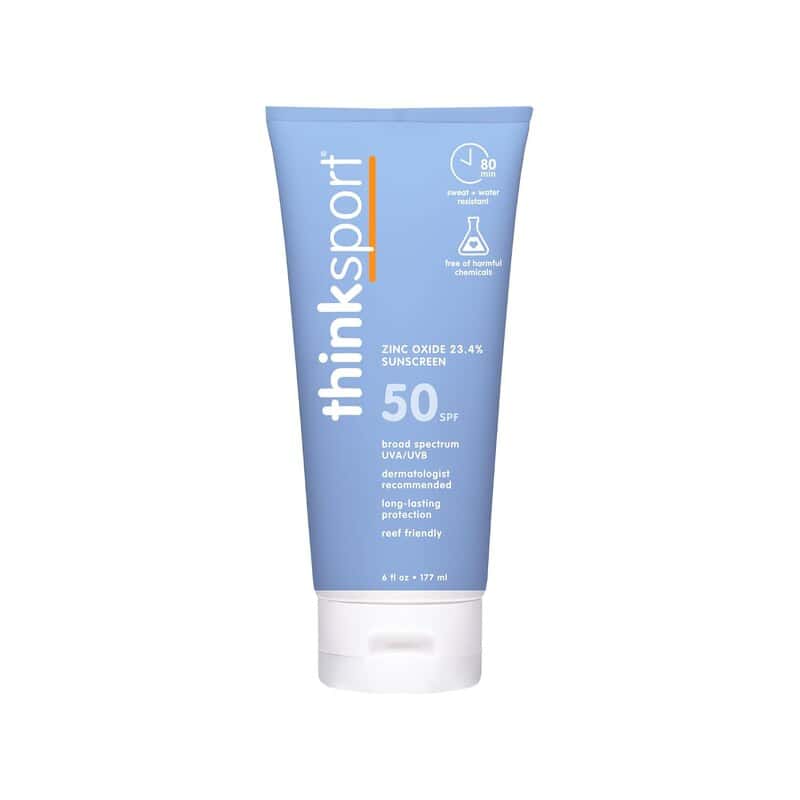
A water-resistant zinc formula trusted by athletes.
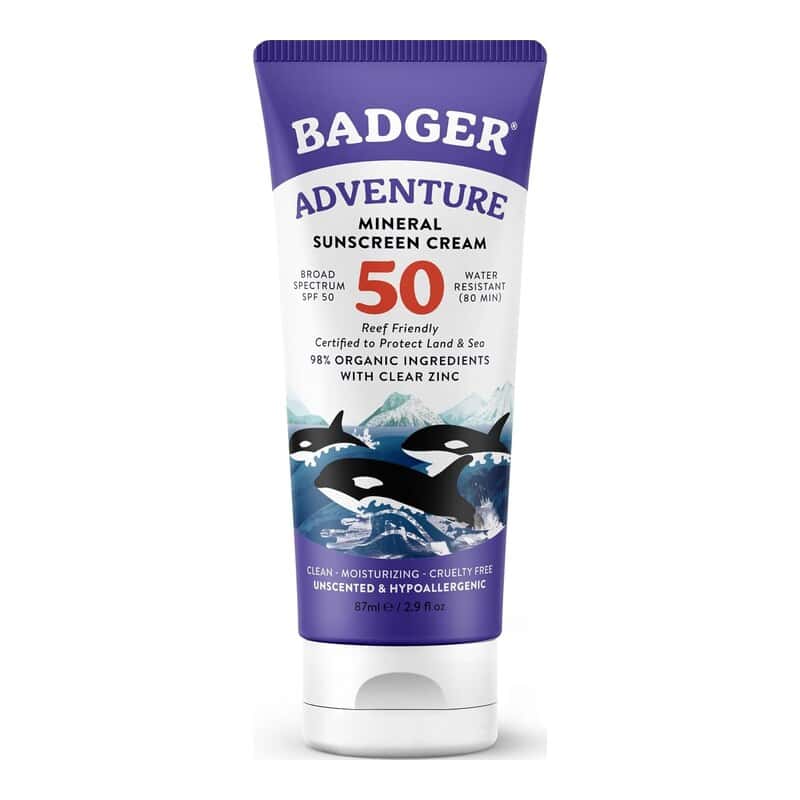
Protecting reefs begins with what we put on our skin. Mineral sunscreens are the simplest way to surf with a lighter footprint.
The work continued for decades. In 1988, locals formed Surfers Appreciating the Natural Environment to restore the heath. Since 1 July 2024, the reserve has been managed by the Great Ocean Road Coast and Parks Authority. Our full guide to Bells Beach tells the story in depth.
From one reserve to a movement
For decades after 1971, Bells remained a rare example. Surfers elsewhere fought individual battles over breakwalls, sewage outfalls and marinas. Some campaigns succeeded, while others failed and waves were lost. Gradually, surfers realized they needed a stronger, more lasting form of recognition.

The idea of national surfing reserves grew from that experience. Surfers, academics and local councils worked together to define what made a break significant. They looked at wave quality, surf history, cultural value and environmental health. Then they built a process for communities to nominate their own breaks.
Each new dedication became a celebration. Ceremonies brought together surfers, elders, politicians and local families. Plaques and signs went up at the beaches, telling visitors why the place mattered. Over time, the network grew into one of the most extensive in the world.
Today, surfing reserves Australia wide share a common purpose. They aim to keep great waves healthy and accessible for future generations. They also celebrate the people and stories that give each break its character. In that sense, they are as much about community as about surf.
How surfing reserves Australia wide work
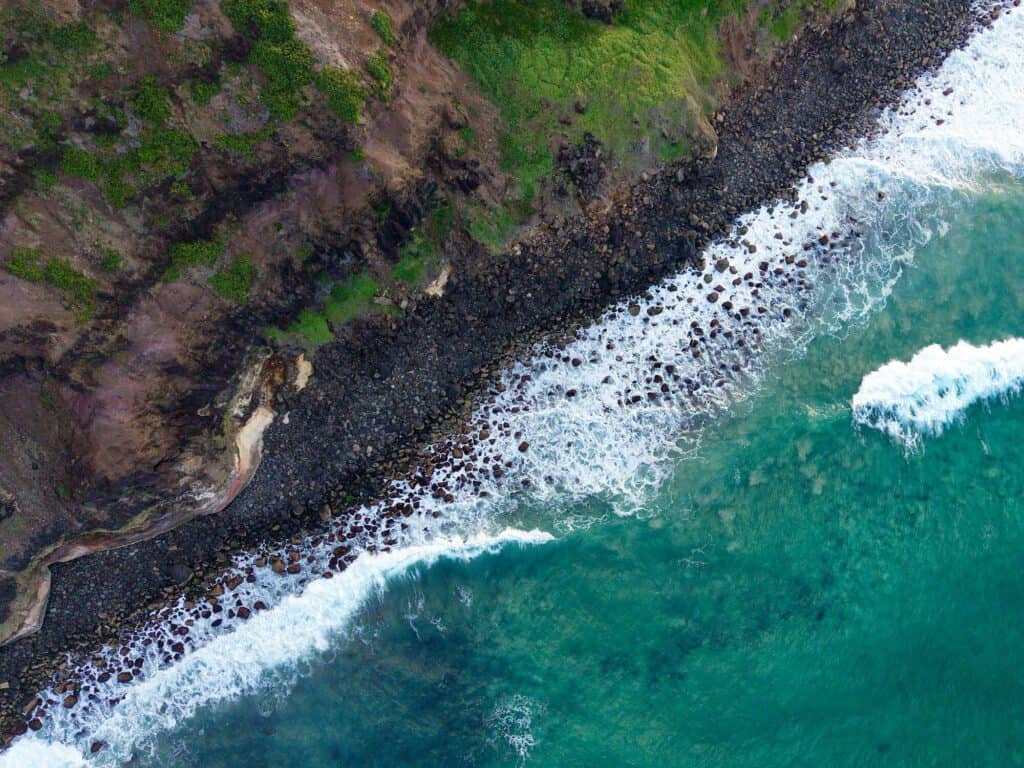
Surfing reserves Australia wide take two main forms. National surfing reserves recognize breaks of special significance within Australia. Meanwhile, World Surfing Reserves are part of a global program that honors outstanding surf zones around the planet. Some Australian breaks belong to both systems.
The two systems complement each other. National reserves celebrate breaks that matter deeply to Australians. World reserves, on the other hand, place a handful of exceptional coasts on the global stage. Both rely on local communities to nominate, support and care for the waves.
A reserve does not usually ban development or activity outright. Instead, it gives the waves formal recognition in planning and management decisions. Councils, state agencies and community groups then work together to protect the break. In practice, that recognition can shape everything from coastal works to parking and dune care.
In most cases, reserves are driven by local surfers and community groups. They prepare nominations, gather support and organize dedication ceremonies. Once a reserve is declared, a local committee often helps guide its future. As a result, the people who know the waves best stay involved in protecting them.
You may also like
Signage is one of the most visible results. Many reserves have entry signs and interpretive panels describing the break’s history and values. Some include Aboriginal place names and stories. Reading them before a surf adds depth to the experience.
| Reserve | State | Recognition | Year |
|---|---|---|---|
| Bells Beach | Victoria | World’s first surfing reserve | 1971 |
| Lennox Head | New South Wales | National Surfing Reserve | 2007 |
| Gold Coast | Queensland | World Surfing Reserve | Declared 2015, dedicated 2016 |
| Noosa | Queensland | World Surfing Reserve | 2020 |
| Angourie | New South Wales | National Surfing Reserve | Recognized by Destination NSW |
What makes a break worth protecting
Not every beach joins the surfing reserves Australia has created. Nominations usually focus on breaks with exceptional waves, deep surf history and strong community support. For example, a point that has hosted famous contests or produced champions carries special weight. Similarly, a break with unusual natural features may qualify on environmental grounds.
Cultural value matters as much as wave quality. Many reserves honor the people who surfed, shaped boards and patrolled there over generations. Stories, photographs and local memories form part of the case. In addition, Aboriginal heritage increasingly shapes how each place is understood.

Environmental health is the third pillar. Clean water, healthy dunes and thriving marine life support both surfing and the wider ecosystem. Consequently, reserves often encourage dune restoration, water testing and habitat protection. A great wave, after all, depends on a healthy coast around it.
Of course, the process takes time. Communities often spend years building their case and gathering support. Meanwhile, they hold meetings, collect stories and consult with councils and Traditional Owners. When a dedication finally happens, it reflects the work of many hands.
Australia’s World Surfing Reserves
Queensland is home to Australia’s two World Surfing Reserves. The Gold Coast World Surfing Reserve was dedicated in 2016, according to the Queensland Government. Noosa followed in 2020. The same source notes that they are two of the 14 designated World Surfing Reserves worldwide. That puts them in rare international company.
The Gold Coast
The Gold Coast reserve covers the famous southern points. The City of Gold Coast says the reserve runs from Burleigh Beach to the border. It was declared in 2015. It includes Snapper Rocks, Kirra and Burleigh Heads, some of the most celebrated waves in the world. A 2020 report for the council estimated that surfing contributed about 1.5% of the region’s economy in 2019.
The reserve has made a practical difference. Coastal projects must now consider their impact on the breaks. Sand bypassing and beach management are planned with the surf in mind. Our guide to Gold Coast surfing explores the points in detail.

Plastic-free bags for snacks, phones and wet swimwear.


A day at a surfing reserve should leave nothing behind. These pieces make a low-impact beach day easy.
For visitors, the reserve is easy to explore. A coastal path links Snapper Rocks, Rainbow Bay, Greenmount and Kirra. Along the way, you can watch some of the world’s best surfers on a good swell. Meanwhile, cafes and surf clubs offer views across the breaks.
Noosa
Noosa’s reserve protects its famous chain of point breaks inside the national park. According to Noosa Shire Council, the area was officially designated a World Surfing Reserve in 2020. Its stewardship program brings together surfers, Traditional Owners, environmental groups and local businesses. The council also plans to begin work on a Surf Management Plan in early 2027.

Noosa’s long tradition of protecting its environment made the reserve a natural fit. Low building heights, a large national park and a strong community voice have shaped the town for decades. As a result, the reserve feels like a continuation of local values rather than a new rule. Our guide to surfing Noosa covers the points in detail.
National surfing reserves in New South Wales
New South Wales has some of the country’s best-known national surfing reserves. Lennox Head, just south of Byron Bay, is a standout example. According to the NSW Government, Lennox Head was declared a National Surfing Reserve in February 2007. It was the third in Australia and the largest at the time, spanning about 4.5 miles, or 7.2 kilometers.
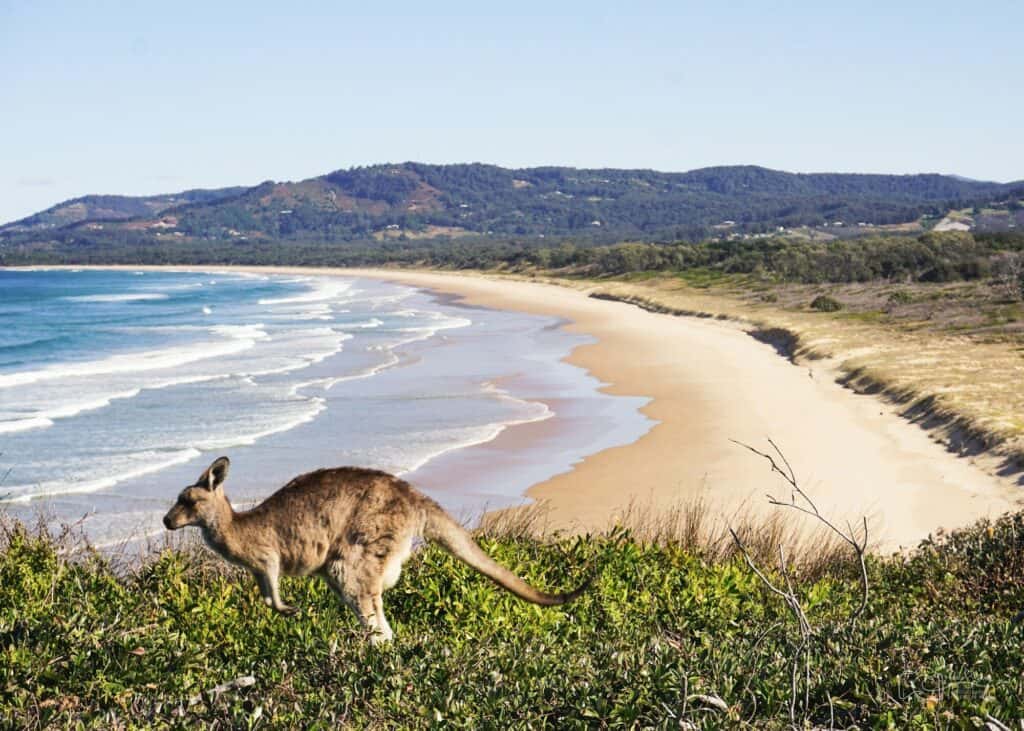
The Lennox Head reserve runs from the surf club south to Flat Rock. Its powerful right-hand point break is famous worldwide. Experienced surfers travel long distances to ride it on a big winter swell. Meanwhile, the beaches and headland offer superb walks for everyone else.
Lennox Head is also a model of community involvement. Local surfers and residents campaigned for the reserve and still help guide its management. The surf club and boardriders play active roles in beach care. Visitors are welcome to join their clean-ups and planting days.
The town of Lennox Head itself is relaxed and charming. A freshwater lake, Lake Ainsworth, sits just behind the beach and is popular for swimming. Meanwhile, the headland lookout is a favorite spot for watching whales in winter. It is easy to see why locals fought so hard to protect it.

Further north, Angourie is another national surfing reserve, as Destination NSW notes. Its rocky point and clear water have drawn surfers for generations. The village has stayed small, and the surrounding coast feels wild and protected. It is one of the most beautiful surf spots in the state.
Angourie sits within a larger protected landscape. Yuraygir National Park stretches along the coast nearby, with wild beaches and coastal heath. Consequently, the area feels remarkably untouched for such a famous surf spot. A quiet stay in the nearby town of Yamba makes a perfect base.
Surf culture in the cities
Surfing reserves Australia wide are not only found in remote places. Some protect breaks close to major cities, where pressure from development is greatest. In Sydney and Newcastle, community surf culture runs especially deep. Local boardriders, lifesavers and residents have long campaigned to protect their beaches.
Cronulla, in southern Sydney, is a classic example of a city surf community. Its long beach and reefs produce good waves, and its ocean pools are local institutions. Further north, Newcastle’s Merewether is known for its powerful reef and its historic ocean baths. Both show how surf culture shapes daily life in Australian cities.
These books explain why the ocean matters so much, and what we can do to protect it.
City breaks face particular pressures. Busy roads, stormwater drains and coastal construction can all affect the waves. That is why local surf communities often play such an active role in planning debates. Their advocacy has helped protect beaches that millions of people enjoy.
Ocean pools add another layer of heritage in the cities. Many were built in the early twentieth century and remain much loved today. Similarly, surf clubs and boardrider groups have deep roots in their suburbs. These institutions keep surf culture alive even in the heart of busy urban areas.
Traditional Owners and Sea Country
Long before surfing reserves, Aboriginal and Torres Strait Islander peoples cared for these coasts. Their connection to Sea Country covers water, reefs, beaches and the stories that bind them. Many modern reserves now recognize that heritage directly. At Bells Beach, for example, the Wadawurrung name Djarrak is part of the official identity.
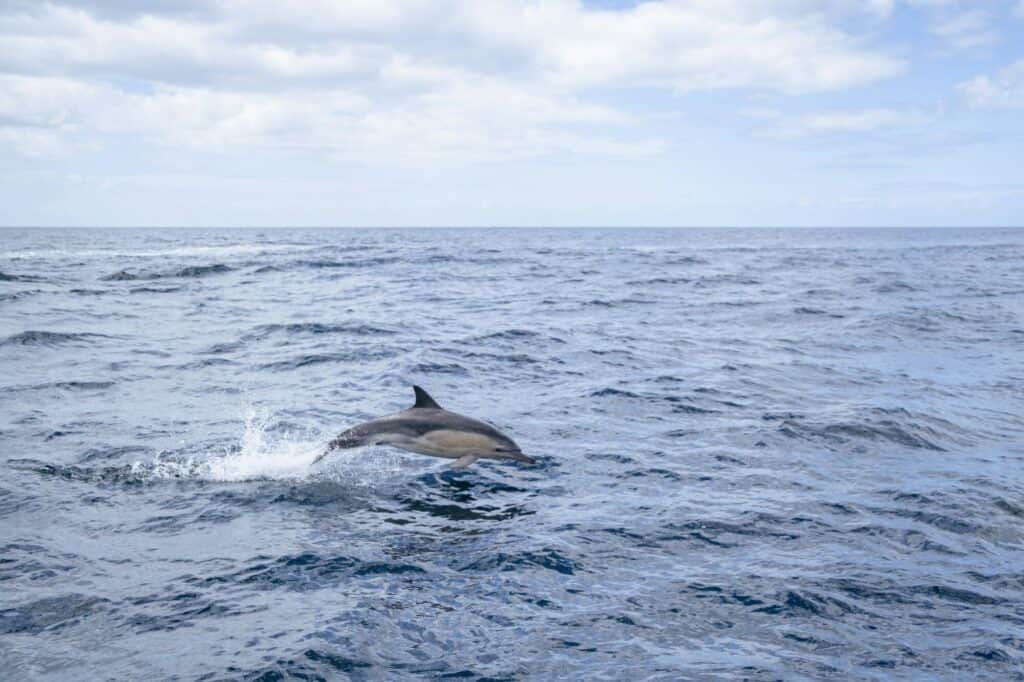
Noosa’s stewardship program includes Traditional Owners alongside surfers and environmental groups. Elsewhere, reserve dedications often begin with a Welcome to Country. These steps reflect a growing understanding in Australian surf culture. Caring for the waves also means respecting the oldest custodians of the coast.
Visitors can learn more through cultural tours along many parts of the coast. Aboriginal guides share stories of fishing, ceremony and seasonal change. These experiences add meaning to any visit to a surfing reserve. They also support Indigenous businesses and communities directly.
Why reserves matter to local communities
Surfing reserves Australia wide also support local economies. Surf tourism brings visitors to coastal towns throughout the year. They stay in local accommodation, eat in local restaurants and hire local guides. As a result, protecting the waves also protects jobs and businesses.
The Gold Coast offers a clear example. As noted above, a council-commissioned report estimated surfing’s contribution at about 1.5% of the region’s economy in 2019. The same work found that most surveyed surfers placed a significant premium on living near the surf. In other words, great waves shape where people choose to live and invest.
You may also like

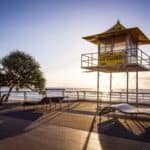
Smaller towns feel the effect too. In places like Lennox Head and Angourie, surfers fill cafes at dawn and support local shops all week. Moreover, the reserves give these communities a stronger voice in regional planning. That combination of pride and practical benefit keeps local support strong.
Equally, reserves can help attract the right kind of visitor. Travelers who value the coast tend to respect local customs and the environment. Consequently, many reserve towns market themselves around sustainability and surf heritage. That approach benefits both the community and the coast.
The threats reserves help address
Surfing reserves Australia wide exist because the country’s waves face real pressures. Coastal development can alter sand flow and wave shape. Breakwalls and harbors can starve beaches of sand. Pollution and stormwater runoff can affect water quality after heavy rain.
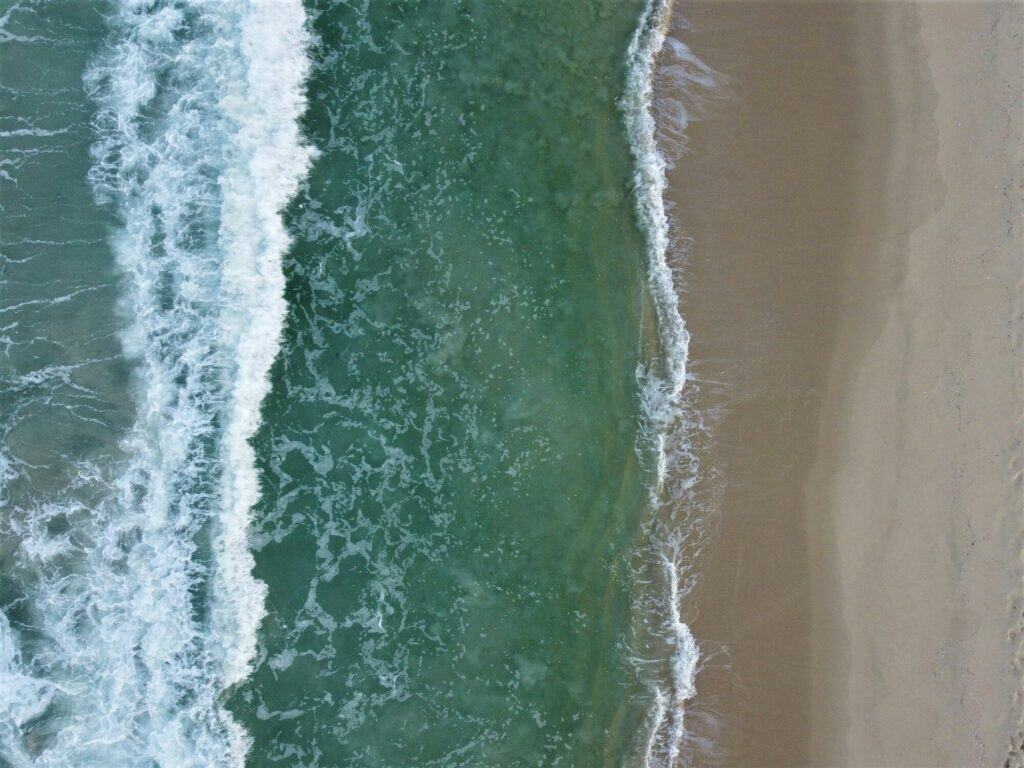
For surfing reserves Australia wide, climate change adds another layer. Rising seas and stronger storms threaten dunes, cliffs and sandbanks. Reserves help focus attention on these risks and encourage careful management. In short, they give the surf a voice in decisions that might otherwise ignore it.
Science supports that effort. Researchers study how sand moves along the coast and how waves respond to change. Their findings help councils plan works that protect rather than damage the breaks. In many places, surfers themselves collect data on water quality and beach erosion.
A day at a surfing reserve
A visit to a surfing reserve rewards early risers. Arrive at dawn to watch the first surfers paddle out as the light changes. Then walk the headland or coastal path to see the break from above. Many reserves have lookouts with interpretive signs explaining the history of the wave.
Mid-morning is a good time for a swim between the flags or a coffee nearby. Later, explore the town, its surf shops and its history. If the waves are suitable, book a lesson with an accredited local coach. In the afternoon, return to the beach for the evening glass-off and a sunset walk.


A grand photographic journey through the world’s seas.
Above all, take time to understand the place. Talk to local surfers, read the signs and notice how the community cares for the coast. Those small moments turn a beach visit into something more meaningful. They also explain why Australians fought so hard to protect these waves.
For a richer experience, combine a reserve visit with a local guide. Many surf coaches and walking guides share the history of the break as you go. In addition, some offer early-morning sessions that avoid the crowds. Ask your hotel to recommend someone who knows the reserve well.
How visitors can help
Visitors play an important part in protecting surfing reserves Australia wide. Simple habits make a real difference. Stay on marked paths through dunes and clifftops. Take all rubbish home, and pick up a few extra pieces when you can.

Use mineral sunscreen to reduce chemical runoff into the water. Respect local surfers, wildlife and sacred sites. Join a beach clean or dune planting day with a local group if you have a spare morning. Above all, follow the guidance of reserve committees and land managers.
Supporting local businesses helps too. Surf shops, cafes and accommodation in reserve towns depend on visitors who value the coast. Choosing operators who share that ethic strengthens the whole community. In that way, every trip can leave a positive mark.
Finally, share what you learn. Tell friends why surfing reserves matter and how they work. Support campaigns to protect waves in your own country too. The idea that began at Bells Beach now inspires surfers around the world.
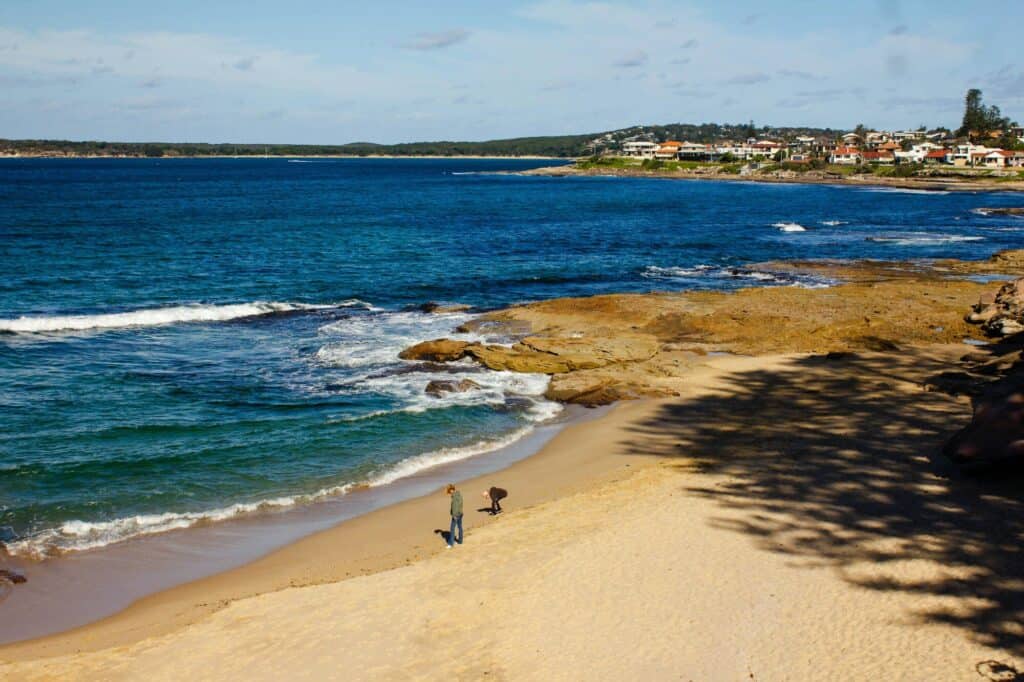
Meanwhile, keep an eye on the reserves you visit. Many publish updates on restoration projects, water quality and upcoming events. Following them online is a simple way to stay connected after you return home. It also reminds you that protecting waves is an ongoing commitment.
In the end, surfing reserves Australia wide reflect a simple belief. Great waves are part of the country’s natural and cultural heritage, as precious as forests or reefs. Protecting them is a shared responsibility. Every visitor who respects these places becomes part of that story.
Planning a surfing reserve journey
A tour of surfing reserves Australia wide makes a wonderful journey. Begin at Bells Beach on Victoria’s Surf Coast, the place where it all started. Then fly north to the Gold Coast and Noosa to see the two World Surfing Reserves. Finally, drive south through Byron Bay to Lennox Head and Angourie.
Along the way, you will meet surfers, lifesavers and volunteers who care deeply for their coast. Our guides to Byron Bay surfing, surfing Noosa and surf lifesaving in Australia fill in the details. For the wider story, read our guide to Australian surf culture.
Take our short quiz and find the city, coast and pace of life that suits you best.
Take the quizQuestions worth asking
What was the world’s first surfing reserve?
Bells Beach in Victoria. Its name as a surfing reserve was adopted in November 1971, making it the first in the world.
How many World Surfing Reserves are in Australia?
Two, both in Queensland. The Gold Coast reserve was dedicated in 2016 and Noosa in 2020, according to the Queensland Government.
What does a surfing reserve protect?
Surfing reserves Australia wide recognize the value of a break, its environment and its culture, so waves count in planning decisions.
Is Lennox Head a surfing reserve?
Yes. Lennox Head was declared a National Surfing Reserve in February 2007, the third in Australia.
Can anyone surf in a surfing reserve?
Yes. Surfing reserves Australia wide do not restrict surfing. They protect the waves and the coast for everyone to enjoy responsibly.
How can visitors support surfing reserves in Australia?
Support surfing reserves Australia wide by staying on marked paths, taking rubbish home, using mineral sunscreen and joining local beach cleans.