Native Australian ingredients are the plants, seeds, fruits and animals that grew in Australia long before European settlement. First Nations peoples have eaten them for more than 60,000 years, and many are called bush tucker. Today the finest kitchens in the country build tasting menus around them, from finger lime to wattleseed.
What native Australian ingredients really are
Native Australian ingredients taste like nowhere else on earth. They grew on this continent long before any ship arrived, and they still shape the most thoughtful cooking in the country. This guide is one chapter in the story of Australian food, and perhaps the most important one.
The list is long and surprising. Finger limes burst like caviar. Wattleseed tastes of roasted coffee and chocolate. Lemon myrtle smells brighter than any lemon. Each one carries a story that belongs first to the people who knew it best.
Think of this guide to native Australian ingredients as a tasting menu in prose. We begin with the knowledge behind the food. Then we move through nine ingredients, one by one. Finally, we visit the tables and producers worth your time. It asks you to eat like someone who pays attention.
That is why this guide treats flavor and respect as one subject. You will learn what to look for on a menu, which kitchens lead the way and how to buy well at home. Along the way, we will name the First Nations businesses doing the finest work.
Sixty thousand years of food knowledge
Aboriginal and Torres Strait Islander peoples have cared for this continent for a very long time. The Australian Institute of Aboriginal and Torres Strait Islander Studies says estimates vary. Even so, current research points to upwards of 60,000 years.
That span is hard to picture. It means thousands of generations learned which seed to grind, which fruit to wait for and which season to leave alone. Food was never separate from Country. It sat inside law, story, trade and ceremony.
Remember this whenever a menu lists native Australian ingredients. The plate is the newest chapter of a very old tradition. Chefs who understand that tend to cook with more care, and the best of them say so openly.
A good question helps here. Ask your server who first used the ingredient, and which community still harvests it. A confident team will answer in a sentence. A hesitant one may point you to the chef. Either response tells you how deeply the kitchen engages with the food it serves.
STRAAYA may earn a commission when you buy through these links, at no extra cost to you.
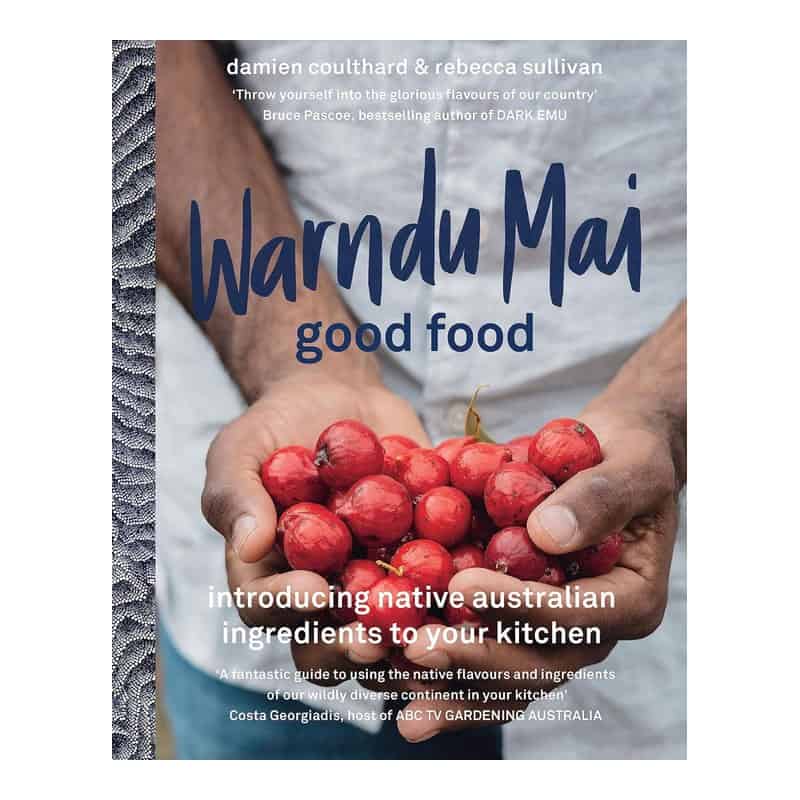
A warm introduction to cooking with native ingredients at home.
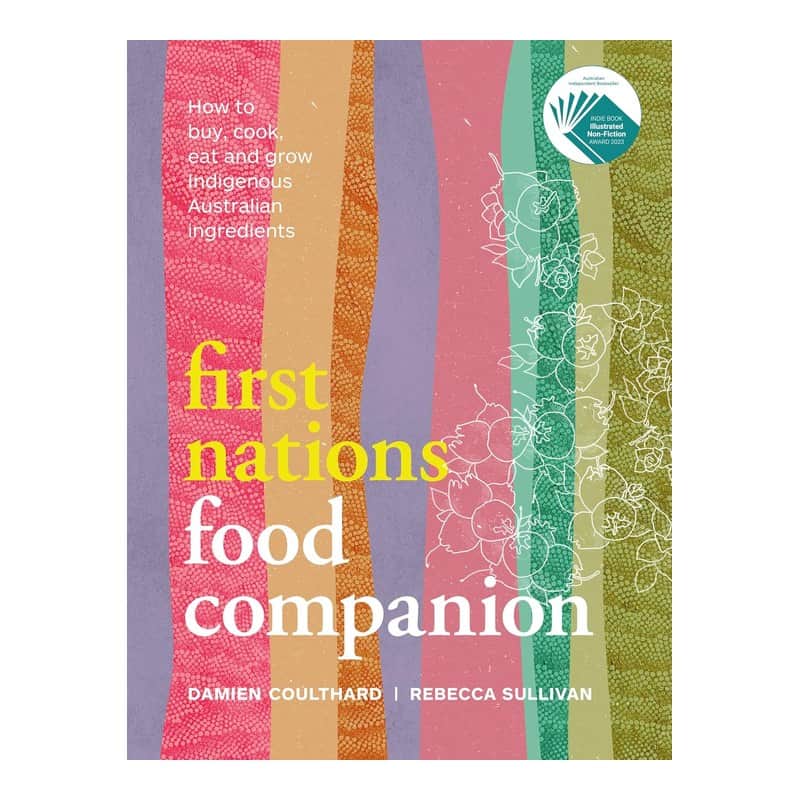
How to buy, cook, eat and grow Indigenous Australian ingredients.
What is bush tucker?
Bush tucker is the everyday Australian term for food gathered from the land. It covers the native plants and animals that Aboriginal and Torres Strait Islander peoples have eaten for thousands of years. Think seeds, berries, leaves, nuts, fish, shellfish and game.
Aboriginal bush tucker food is far more than a list of ingredients. It is knowledge of place, season and responsibility. People knew where each plant grew, when it ripened and how to harvest without harm. That knowledge passed down by voice, song and practice.
Official bodies now often say “bush foods” or “native foods” instead. The Australian government’s Indigenous.gov.au uses those terms when it reports on the sector. You will hear all three on your travels, and none is wrong. What matters is who benefits.
So when someone asks what bush tucker food looks like on a modern menu, the answer is refined. It might be a wattleseed pavlova, a saltbush crust or a bush tomato sauce. The ingredient is old. The plate is new.
Luxury travelers sometimes expect bush tucker to be rustic. The opposite is often true. A single wattleseed dessert can take days of work, from roasting to infusing to setting. The simplicity on the plate hides real craft. That craft deserves the same attention you would give a fine Burgundy or a hand-cut sashimi plate.
Finger lime, the citrus caviar
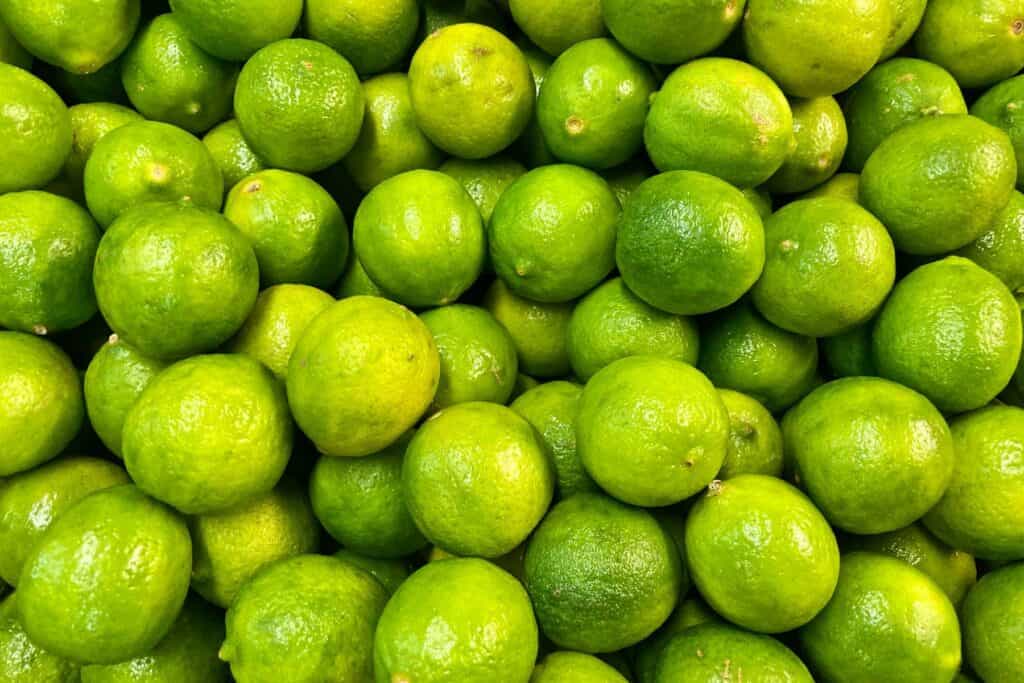
Finger lime is the star that introduced many travelers to native Australian ingredients. The fruit is slim and finger-shaped. Inside, tiny beads of juice pop like caviar, which is why chefs call it “citrus caviar”.
The flavor is clean and bright. AgriFutures Australia notes that the tiny fruits taste similar to conventional limes, although generally not as sour. That gentleness lets the beads sit on oysters, scallops or cream desserts without overpowering them.
The industry is still small. AgriFutures reports roughly 100 tonnes grown each year, and farmgate value grew about fivefold between 2012 and 2020. Commercial growing has developed over about 20 years, mainly on the east coast of New South Wales and Queensland.
Timing matters if you want to taste it fresh. Tourism Australia says finger limes are in season from March to May. In Sydney, an Aboriginal bush foods tour at the Botanic Gardens offers a way to meet the plant itself. In Perth, Hearth restaurant builds dishes around native produce.
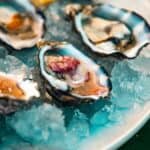
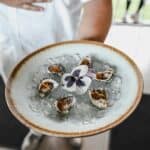
Finger limes also work beautifully at home. Scatter the beads over a grilled fish or a bowl of fresh oysters just before serving. They add acidity and a lively texture at once. Because the beads are delicate, never cook them. Heat dulls both the flavor and the pop. For seafood ideas that suit them, see our guide to Australian seafood.
You may also like
Wattleseed and lemon myrtle
Wattleseed comes from the acacia tree. Tourism Australia describes it as eaten raw, or ground into flour for damper. Baked or roasted, it adds nutty, coffee, spice and chocolate notes.
Pastry kitchens love it for that reason. In Cairns, Ochre Restaurant serves wattleseed pavlova and ice cream. If you want a gentle first taste, order it there or in any dessert where cream carries the seed.
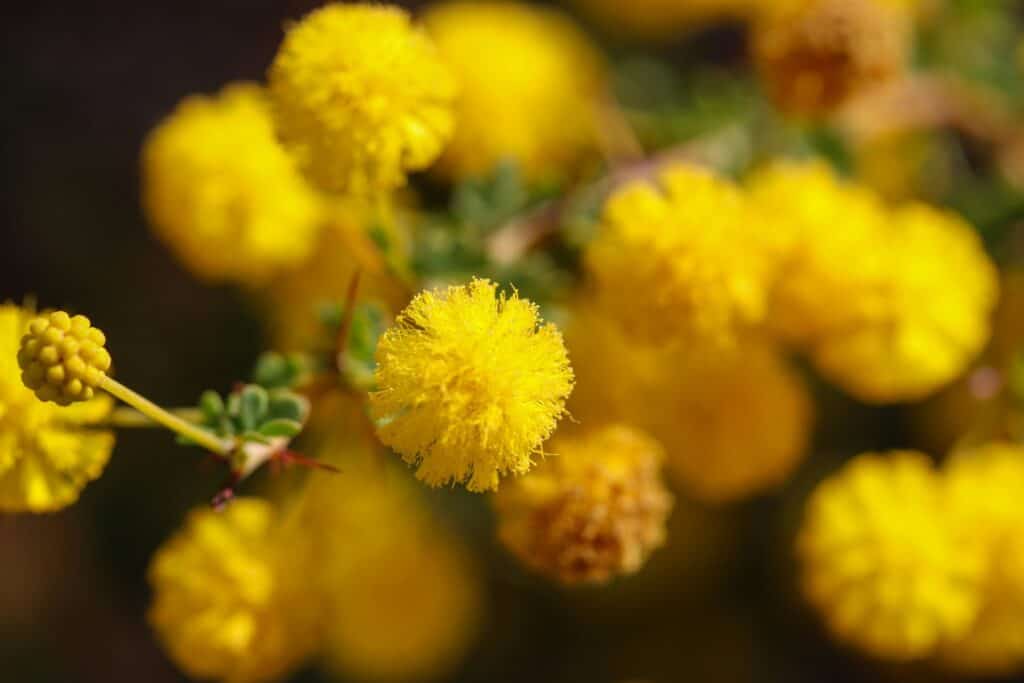
Lemon myrtle works in the opposite way. It is a leaf, and it perfumes everything it touches. Tourism Australia notes that Aboriginal communities used it traditionally for healing. Today it appears in teas, sodas, marinades and cakes.
You can learn to cook with it in Gippsland, Victoria. Peppermint Ridge Farm runs a Native Pantry cooking class. Guests leave knowing how to use the leaf with fish, cream and sugar. It is a fine way to bring the flavor home.
Taste lemon myrtle in a simple cup of tea first. The aroma is lemon, lime and a hint of herb, and it lingers on the palate. Then try it in a dessert, where it cuts through cream. A little goes a long way. Too much turns soapy, so chefs add it in small, careful amounts.
Davidson plum and quandong
Davidson plum is a deep purple fruit from the rainforests of northern Queensland. It is sharply sour, so chefs rarely serve it raw. Instead, they cook it into sauces, jams and desserts, where its tartness cuts through rich meat and cream.
You will find it on menus in Sydney. The Waratah in Darlinghurst lists Davidson plum alongside native thyme, lemon myrtle and finger lime. Seeing several native ingredients together signals a kitchen that has thought hard about balance.
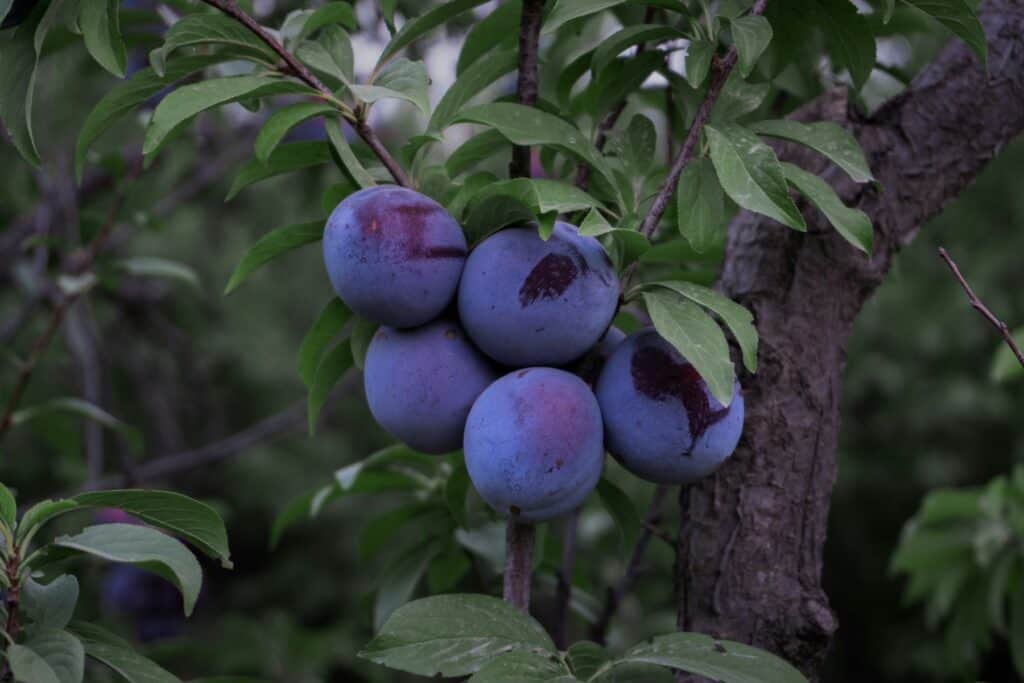
Quandong is a different story. It is a wild stone fruit from the arid south. AgriFutures research describes natural and cultivated populations in southern Australia, and notes that the tree depends on host plants. That makes it hard to farm and precious to find.
Because supply is limited, quandong rarely appears on a mainstream menu. When it does, treat it as a rare event. Ask your server where it came from and who harvested it.
Davidson plum and quandong also share a lesson. Native Australian ingredients often arrive in small quantities. That scarcity is part of their appeal. It also means a kitchen cannot simply reorder them on a whim. When a dish is sold out, accept it gracefully. The restaurant is following the harvest, not the other way around.
Saltbush and warrigal greens
Saltbush grows in drier country. The leaves taste slightly salty, so cooks use them where they would use sea salt. Tourism Australia notes they can be baked into snacks or ground as a native salt alternative.
In Tasmania, the wukalina Walk is a guided experience where you can taste saltbush in its home landscape. In Broken Hill, The Old Saltbush serves saltbush-dusted lamb rack, a dish that tastes of the outback. For more on lamb, see our guide to Australian lamb.
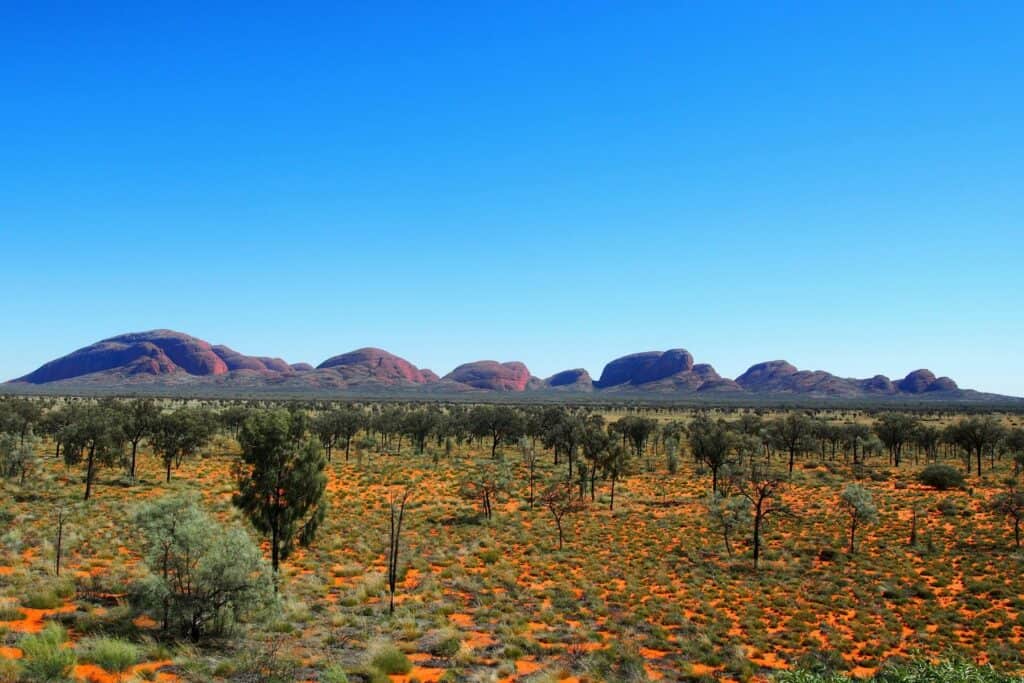
Warrigal greens are a leafy coastal plant, much like spinach but more mineral and savory. Chefs usually cook them briefly before serving. They appear on menus at Arrana in the Blue Mountains, and at Aboriginal-owned venues such as Mirritya Mundya in Culburra Beach.
Both ingredients show the quiet side of native Australian ingredients. They are not showy. They are the seasoning and the green that make a dish feel rooted in place.
Try a plate where both appear together. Saltbush seasons the protein, and warrigal greens sit beside it. The result tastes of coast and desert in one bite. It is a small lesson in how Australian geography ends up on a plate. Ask the kitchen to explain the pairing, and listen to the answer.
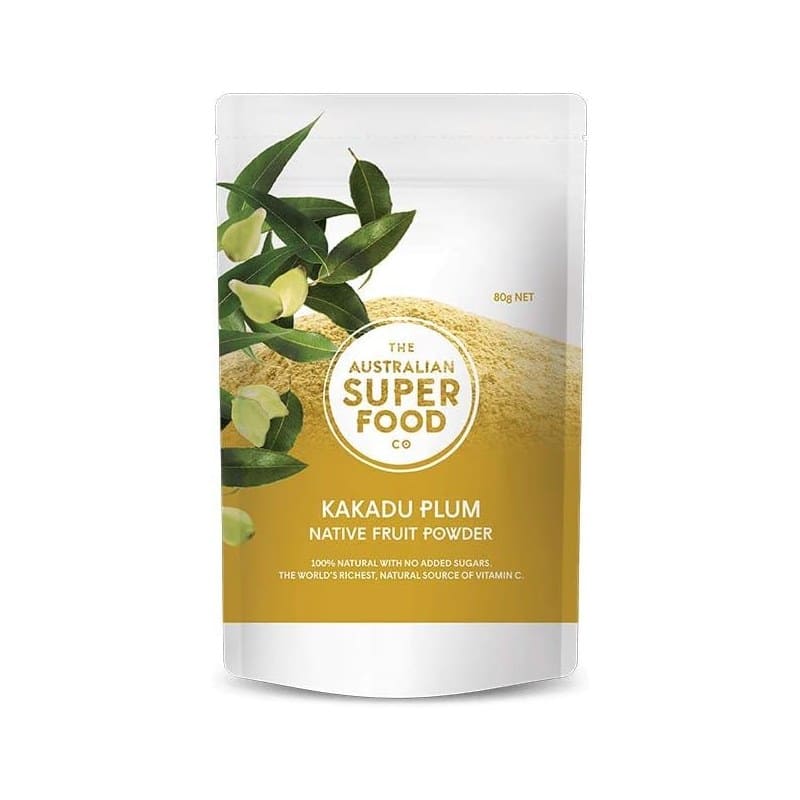
A tart, bright powder for smoothies, dressings and desserts.
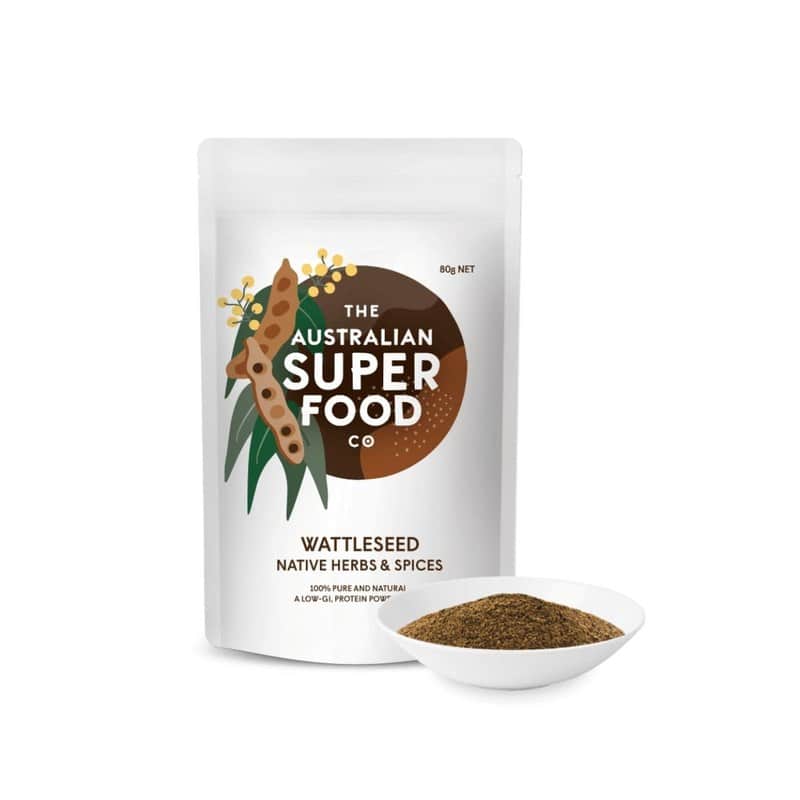
Coffee and chocolate notes for cream, ice cream and bread.
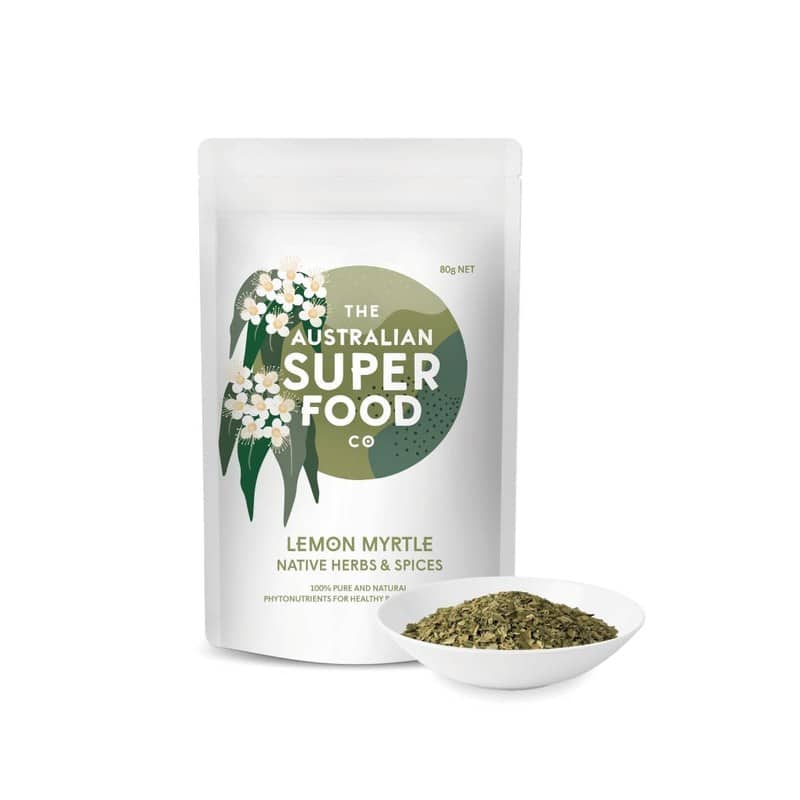
A bright citrus leaf for tea, fish and shortbread.
Bunya nut and macadamia
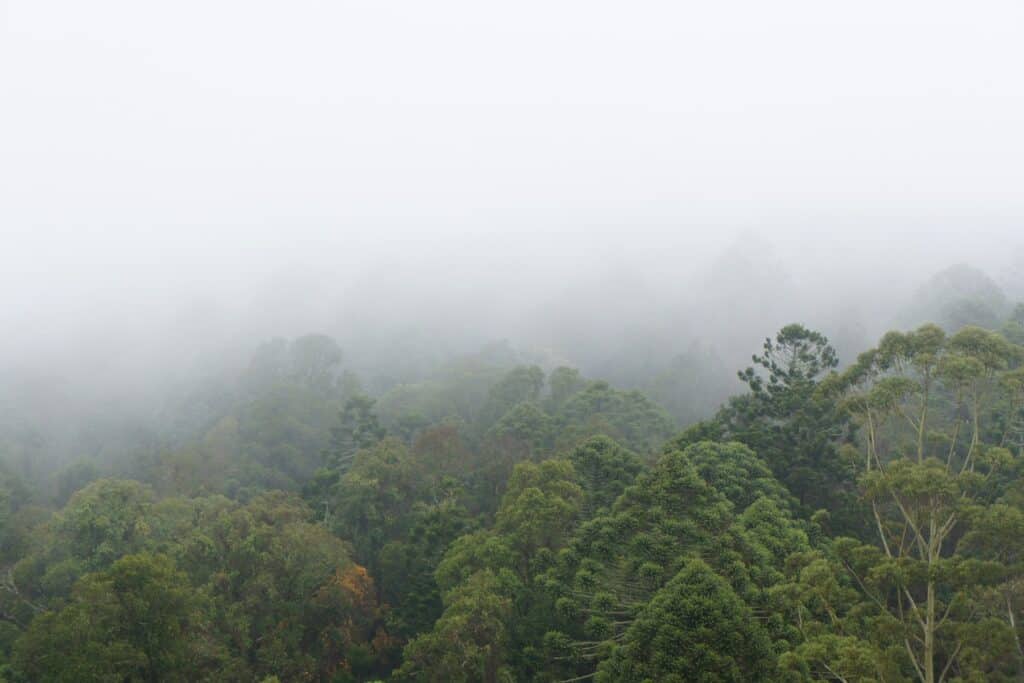
The bunya nut comes from a tall, ancient-looking tree in south-east Queensland. The Queensland Museum says that once every three years, from January to March, a bumper harvest of nuts is produced. Those seasons once drew Aboriginal groups from across the region.
The museum adds that the nuts can be eaten raw, roasted or ground into flour. The gatherings were festive. They held feasts, ceremonies, trade and the exchange of knowledge. Today, a modern version of that tradition continues in the Bunya Mountains.
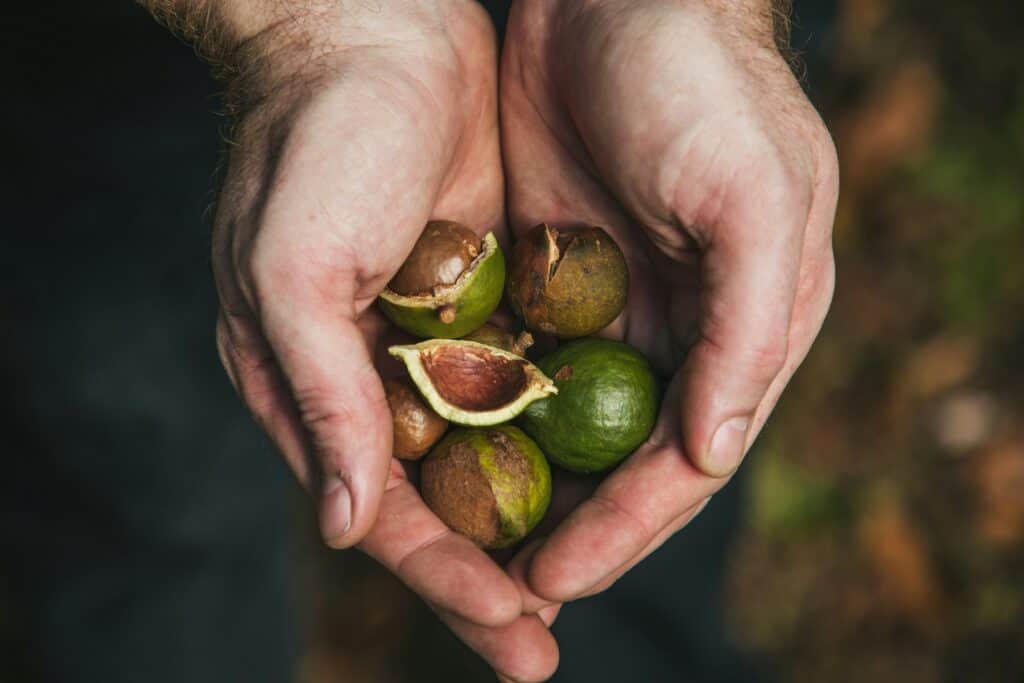
Macadamia is better known, and it is also native. Tourism Australia says it comes from rainforests on the northeast coast and was once a delicacy for Aboriginal communities. Today it is grown commercially well beyond Australia.
For a day trip, visit Macadamias Australia near Bundaberg. The orchard tour includes tastings, planting and harvesting demonstrations. You will taste how different a fresh nut is from a roasted, salted one.
Bunya and macadamia show how native Australian ingredients tell history. One tree drew people together for feasts and ceremony. The other became a global crop. Both began on Australian soil, and both reward a traveler who stops to learn their story. Ask a guide or a grower, and you will hear it told with pride.
Where the finest tables serve native Australian ingredients
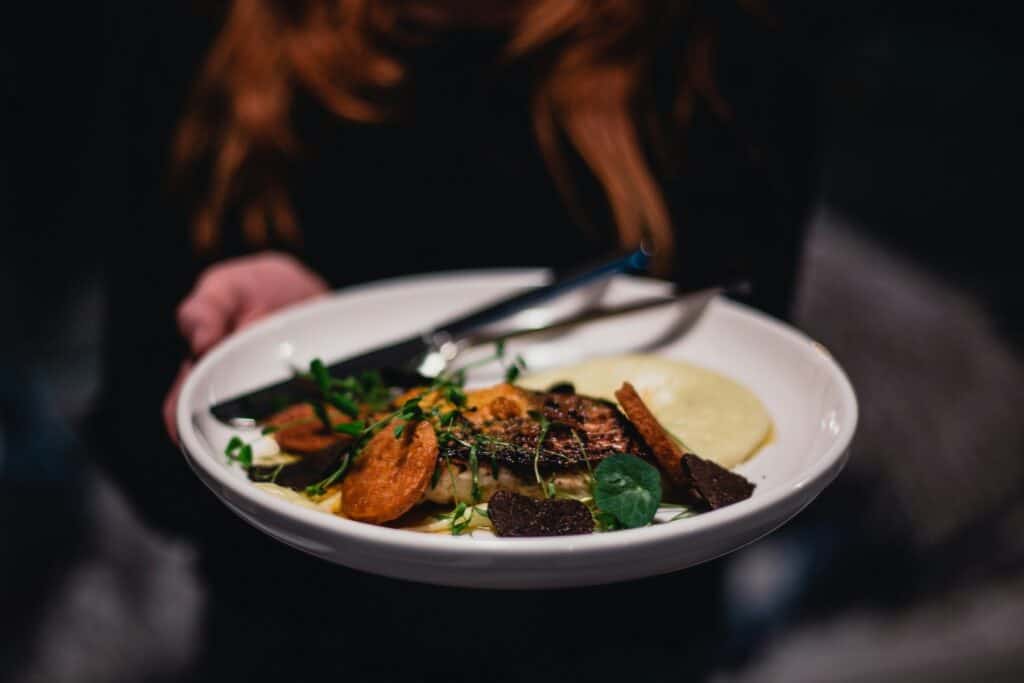
Some of the country’s most admired restaurants now work with native Australian ingredients every day. Attica, in Ripponlea, Melbourne, is the best-known example. On its own site, the restaurant says it celebrates the unique ingredients found in this country, and that this heritage began with the First Peoples. It acknowledges the Bunurong as the first people on the land beneath it.
Chef Ben Shewry leads the kitchen. Tourism Australia points travelers to Attica for kangaroo, a lean red meat that First Peoples have relied on for tens of thousands of years. Book well ahead, and read the menu as a story, not a shopping list.
Tasting menus at this level tend to change with the harvest. That is the point. A dish you read about last year may have given way to something new. Arrive curious rather than with a fixed order in mind. Tell the team about any dietary needs when you book, so they can plan around them.
Sydney and beyond
In Sydney, Firedoor in Surry Hills cooks over fire. Sydney.com lists its use of sea blite, karkalla, desert lime and saltbush. At the Opera House, chef Mark Olive of Midden has Bundjalung heritage, and his menu pairs smoked kangaroo salad with wattleseed and bush tomato.
Further afield, the list keeps growing. Bangalay Dining at Shoalhaven Heads serves South Coast bluefin tuna with beach mustard and bush lime. Arrana, in the Blue Mountains, pairs scallops with citrusy Geraldton wax.
Not every restaurant treats native Australian ingredients with the same depth. Some add a single leaf for decoration. Others rebuild a whole dish around a seed or fruit. Look for menus that name the ingredient, explain its source and place it at the center of the plate. That is the sign of a kitchen doing real work. For a wider look at the country’s top rooms, see our guide to the best restaurants in Australia.
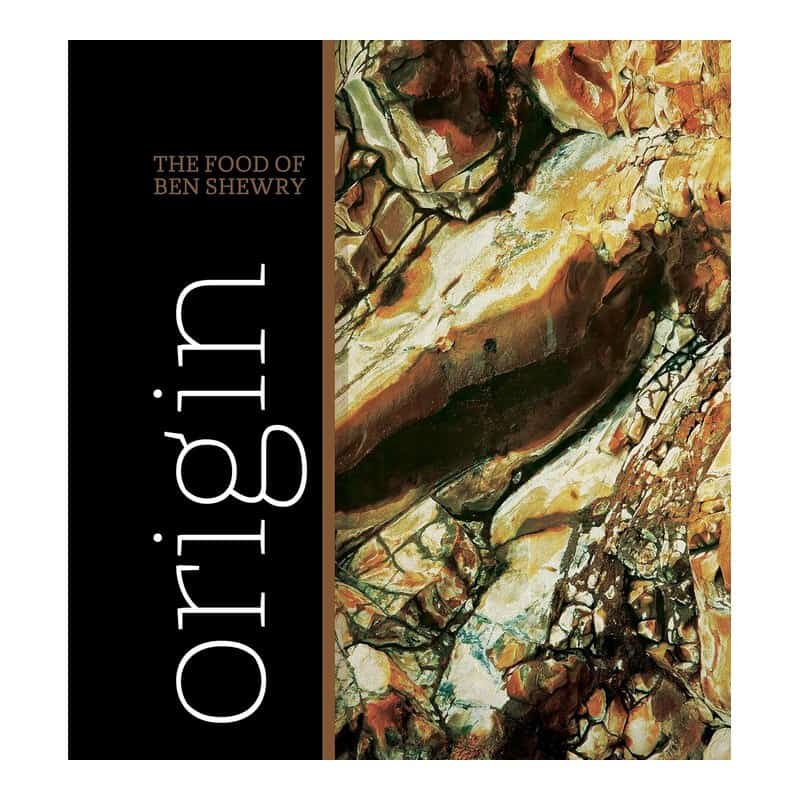
The story and recipes behind Attica in Melbourne.
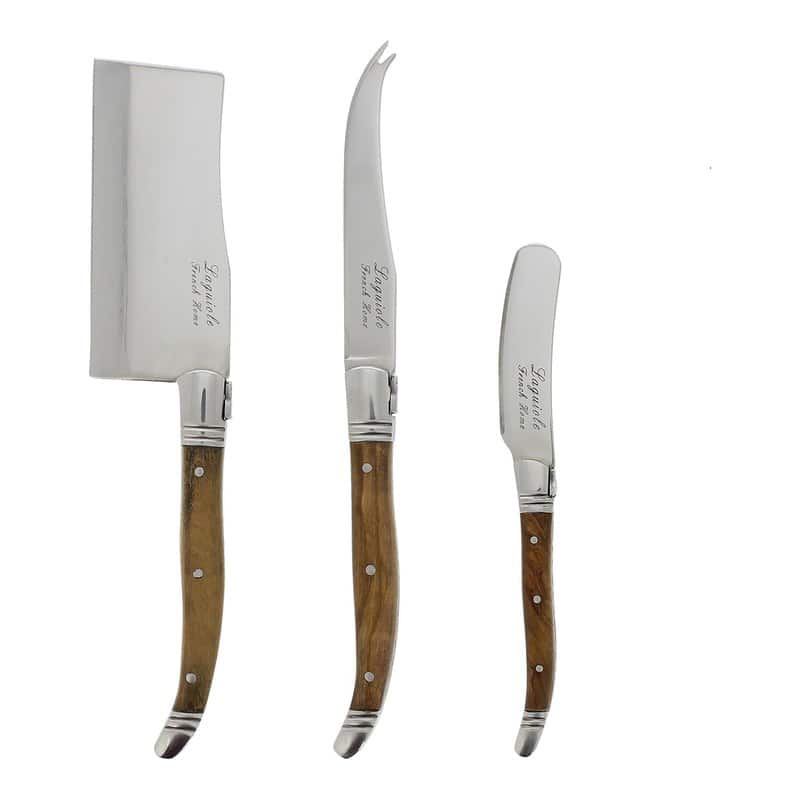
Olive wood handles for a native-inspired cheese course.
Tables led by First Nations owners
The most meaningful meals come from kitchens owned and led by First Nations people. Several now welcome international guests. Each one lets you taste the food and hear the story from the people who hold it.
Warakirri Dining by Indigiearth sits in Mudgee, New South Wales. Indigiearth calls itself a wholly Aboriginal-owned and operated business, founded by Weilwan woman Sharon Winsor. Visit NSW describes Warakirri as a five-course degustation, and the producer calls it a four-hour cultural journey with native food, music and storytelling.
In Sydney, Native Foodways is owned and led by Kubin woman Carla McGrath and other First Nations co-owners, according to Sydney.com. Near Nowra, Blak Cede Gunyah Cafe and Shop is led by a collective of Aboriginal women. Mirritya Mundya, at Culburra Beach, is also listed as Aboriginal-owned. It serves kangaroo fillets with native thyme butter.
These venues remind us that hospitality is cultural exchange. A host who shares a story about a plant is sharing something precious. Listen, ask respectful questions and thank them. Photographs are welcome in many places, but ask first when a story is being told. Treat each conversation as part of the meal.
Ownership changes, so confirm details before you book. Visit NSW and Sydney.com mark Aboriginal-owned venues, and they are a good place to start. A venue that is not Aboriginal-owned can still cook well. Even so, spending with First Nations businesses keeps the benefit with the people who hold the knowledge.
You may also like


How to buy native Australian ingredients ethically
Buying native Australian ingredients well takes only a few questions. Who grew or harvested this? Does the maker say whether Aboriginal people own the business? Is the knowledge credited? Honest producers answer these on their own pages.
The sector is worth real money. The Australian government’s Indigenous.gov.au reports, citing University of Sydney research, that the bush food industry has grown into a substantial national business. Ownership matters because the value should reach Country and community.
Several verified producers are Indigenous-owned. Mayi Harvests, in Broome, Western Australia, describes itself as an Indigenous Australian-owned and operated business. It hand-harvests wild bush foods in the Kimberley and sells native teas and boab fruit. Aunty Pat Mamanyjun Torres established it in 2006.
Something Wild, which sells Kakadu plum at the Adelaide Central Market, is reported as Indigenous-owned by Indigenous.gov.au. The same page names Seven Seasons Spirits, makers of green ant gin, as Indigenous-owned. Mamabulanjin Aboriginal Corporation in Broome leads an alliance of eight Aboriginal-owned enterprises growing Kakadu plum.
Buying direct from these makers is simple. Most sell online and ship abroad, though you should check the shipping terms on each page. When you buy, look for clear labels that name the species and the harvest region. Be wary of vague packaging with generic bush imagery and no named maker. Transparency is the best sign of respect.
A guide to the season
Timing shapes what you taste. Some native Australian ingredients run on a short season, and others are harvested year-round. Use the table below as a planning guide, then check with each venue before you travel.
The finger lime window is March to May. Bunya nuts come in a bumper harvest about every three years, from January to March. Quandong and Davidson plum are rarer and best asked about on the day.
| Ingredient | Where it grows | How it reaches the plate |
|---|---|---|
| Finger lime | East coast of New South Wales and Queensland | Fresh beads over oysters and desserts, March to May |
| Wattleseed | Acacia trees across the continent | Ground into flour, ice cream or pavlova |
| Lemon myrtle | Subtropical eastern Australia | Tea, soda, marinades and baking |
| Davidson plum | Rainforest of northern Queensland | Sauces, jams and desserts |
| Quandong | Arid southern Australia | A rare fruit, often in preserves |
| Saltbush | Drier inland country | Crusts, snacks and native salt |
| Bunya nut | South-east Queensland | Raw, roasted or ground, harvested January to March |
| Macadamia | Northeast coast rainforest | Fresh nuts, orchard tastings, desserts |
Pair this with a visit to one of the cooking classes or orchard tours mentioned above. Tasting at the source teaches you more than any menu. It also puts your spending where it belongs, in the hands of local growers.
Seasonal planning also helps with the weather. Northern Queensland has a wet and a dry season, and the desert has its own extremes. Check conditions with local operators before you commit to a regional trip. A good tour guide will tell you honestly when a plant is not fruiting. That honesty is part of respecting the land.
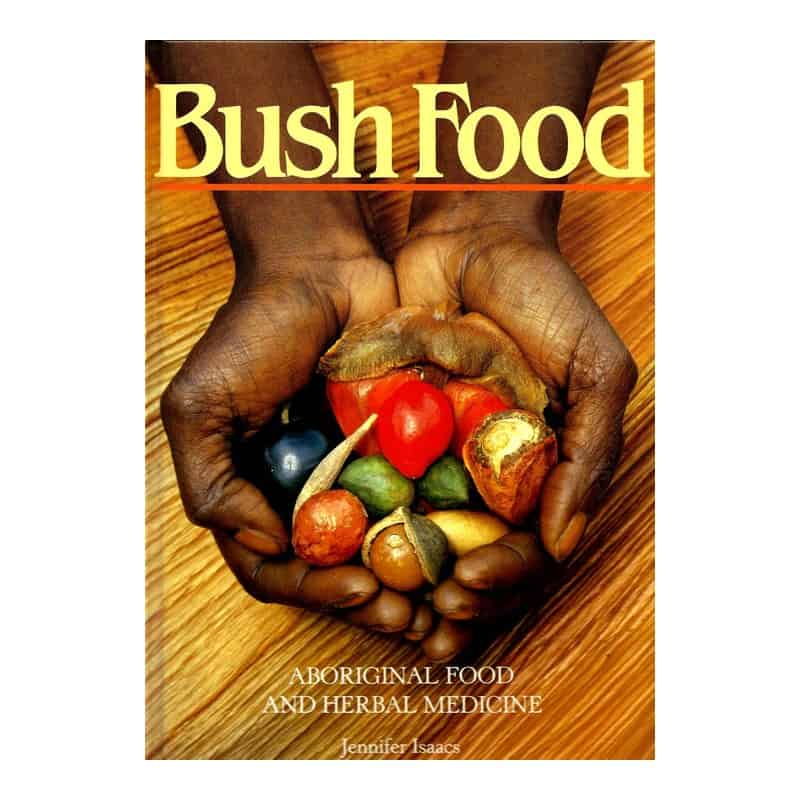
The classic illustrated guide to traditional Aboriginal foods.


How Aboriginal people shaped and managed the continent.
Taking the flavors home
A few jars of native Australian ingredients will carry the trip into your own kitchen. Look for dried lemon myrtle, ground wattleseed and native salt blends. Each lasts well and fits easily in luggage.
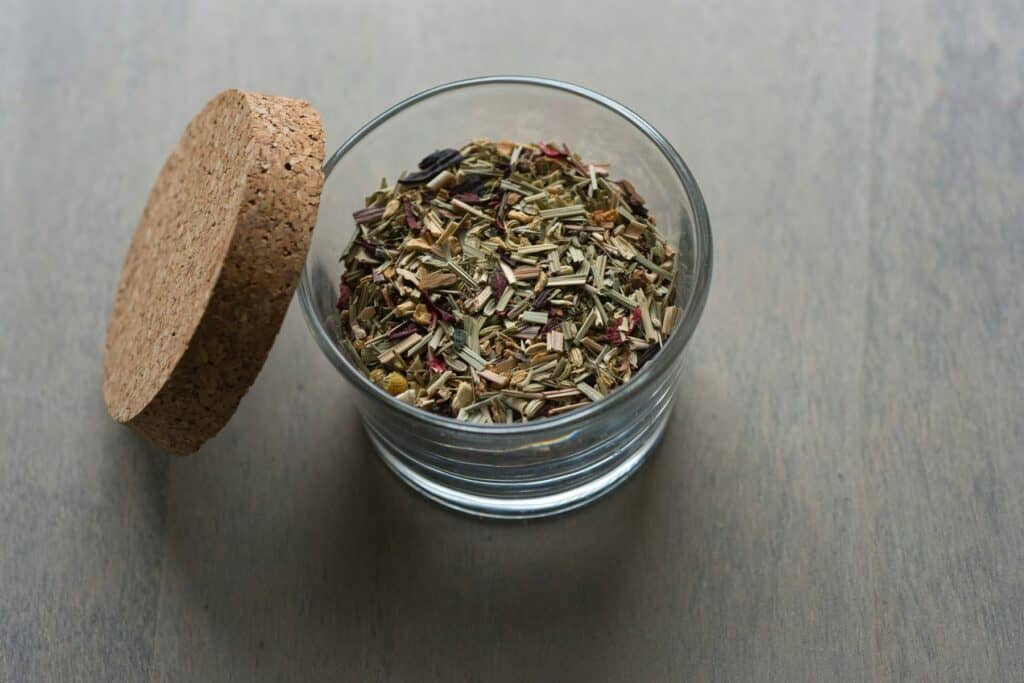
Check your own country’s customs rules before you travel. Rules on plants and food products differ, and sealed commercial packs usually fare best. Buy from makers who state their ownership, as described above. Then cook simply, because these ingredients speak clearly on their own.
A few starter ideas help. Steep lemon myrtle with a slice of fresh ginger for a bright tea. Fold ground wattleseed into whipped cream for a quick dessert. Crumble dried saltbush over roasted vegetables. Each takes minutes, and each recalls a meal from the trip. Keep the packets airtight and away from direct sun.
For ideas on turning them into dessert, see our guide to Australian desserts. To see how chefs weave them into global dishes, read about Australian fusion food.
Planning your own native table
Begin your native Australian ingredients itinerary with three experiences. Choose one fine-dining table such as Attica or Firedoor. Add one First Nations-owned meal, such as Warakirri in Mudgee. Finish with one hands-on moment, perhaps a botanic garden tour or an orchard visit.
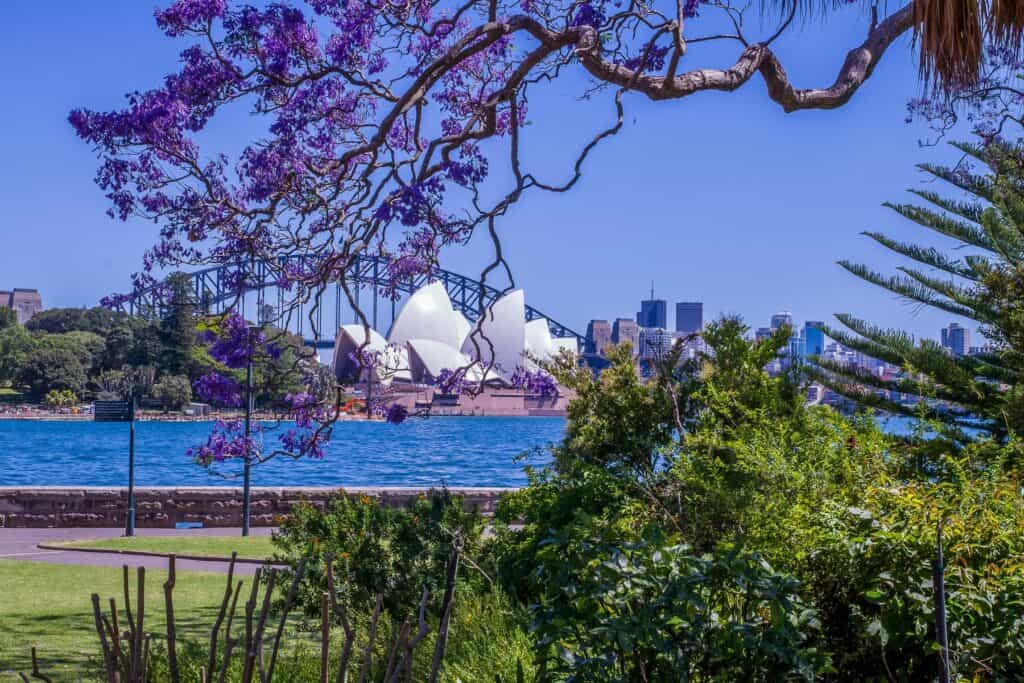
Book early for the small tables. Visit in March to May if you want finger lime at its best. Plan a Queensland stop between January and March if you hope to see a bunya season. Ask questions at every meal. Chefs love to talk about where an ingredient came from.
Allow time for the slower moments too. Walk a botanic garden in the morning, book lunch at a leading table and spend the evening on a First Nations-led experience. Leave space between each one. These flavors reward attention, and attention takes time. A relaxed pace is the most luxurious thing you can bring.
Native Australian ingredients can reshape the way you remember a trip. They also connect you to the oldest food culture on earth. For the full picture, return to our guide to Australian food, then see how modern Australian cuisine grew around these flavors.
Take our short quiz and find the city, coast and table that suit you best.
Take the quizQuestions worth asking
What is bush tucker?
Bush tucker is the everyday Australian term for native foods gathered from the land. It includes plants, seeds, fruits, nuts, fish and game that Aboriginal and Torres Strait Islander peoples have eaten for thousands of years. Many people now say “bush foods” or “native foods” as well.
What is bush tucker food on a modern menu?
It might be wattleseed in a pavlova, saltbush in a crust or finger lime over oysters. Chefs use these ingredients for flavor first and story second. Ask your server where each one was sourced.
What is Aboriginal bush tucker food?
Aboriginal bush tucker food is food that First Nations peoples have gathered, hunted and prepared on Country for tens of thousands of years. It is tied to season, place and law. Buying from Aboriginal-owned businesses keeps the benefit with the people who hold that knowledge.
Which native Australian ingredients should I try first?
Start with finger lime, wattleseed and lemon myrtle. They are the most widely served and the easiest to enjoy. Add saltbush and Davidson plum once you are curious about deeper flavors.
Where can I try native Australian ingredients as a visitor?
Fine-dining restaurants such as Attica in Melbourne and Firedoor in Sydney use them. Aboriginal-owned venues such as Warakirri Dining by Indigiearth in Mudgee offer a deeper cultural experience. Tourism Australia also lists tours and cooking classes.
How do I buy native ingredients ethically?
Choose makers who state that they are Aboriginal-owned or who credit Aboriginal knowledge and growers. Check the producer’s own page before you buy. Avoid products that give no information about who harvested them.