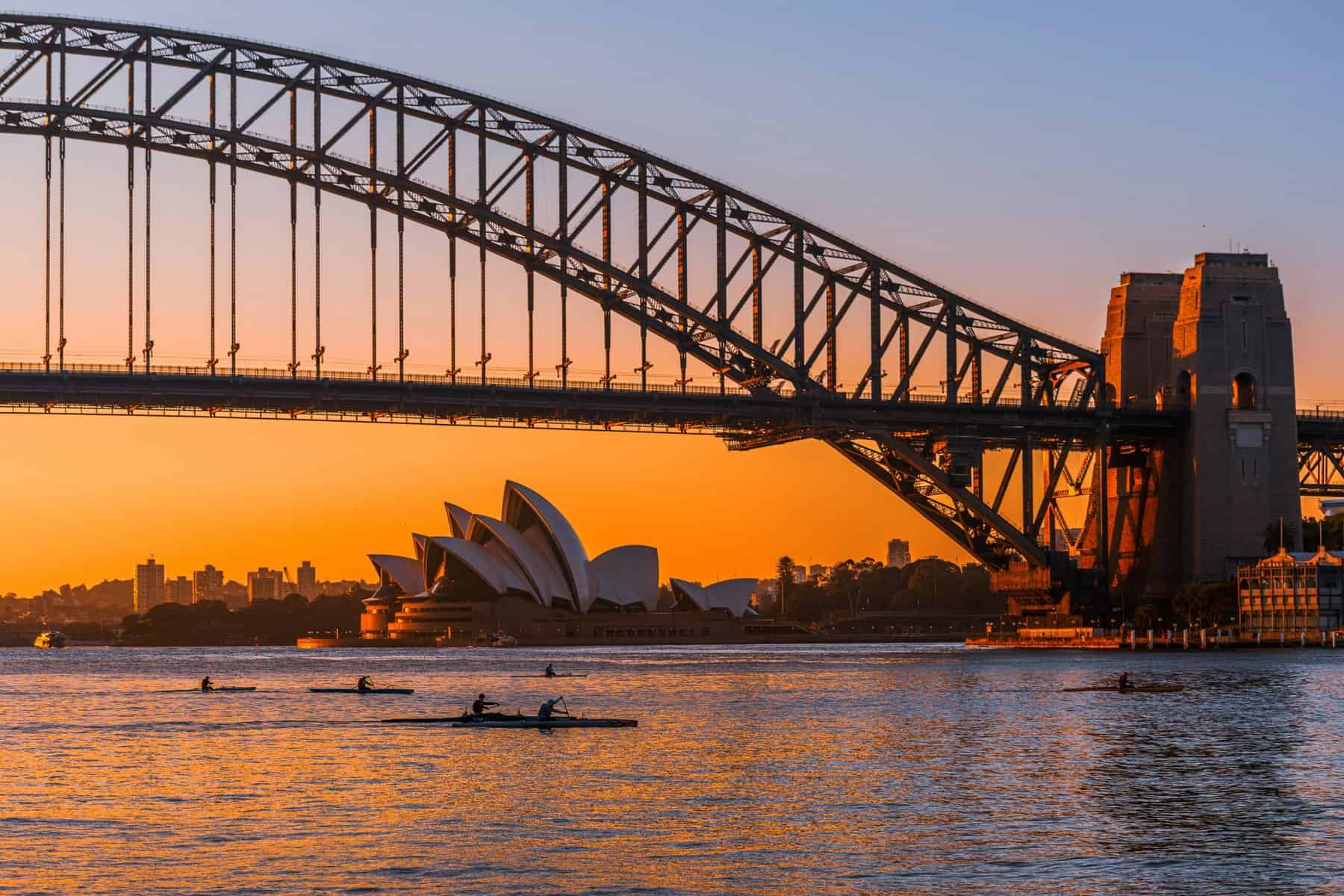
The most iconic Australian foods are lamingtons, pavlova, Anzac biscuits, Tim Tams, meat pies, Vegemite, the flat white and the chicken parmigiana, alongside barramundi and Sydney rock oysters. Each one tastes better in the right place. This guide names that place for every dish.
The iconic Australian foods worth planning a trip around
The best iconic Australian foods are not hidden. They sit in bakeries, pubs, cafes and fish shops from Brisbane to Darwin. The skill lies in knowing which kitchen cooks each one best. This guide is the checklist, and the story of how Australian food became a great cuisine is the companion read.
Think of it as a tasting list rather than a supermarket aisle. Some entries are grand, such as a pavlova sculpted beside the Opera House. Others are humble, such as a sausage in bread. Even the humble ones have a version worth traveling for, and those are the versions named here.
Each entry gives the dish, a short reason it matters and a named place to eat it. Every venue below is a real address that you can book or walk into. Before you go, check opening hours, because menus and seasonal specials change. A good tasting trip also leaves room for surprises, so treat the list as a spine rather than a script.
Iconic Australian foods from the bakery and the tea table
Australia’s sweet icons share a quiet habit. They began as thrift and became ceremony. Today the best of them appear on tasting menus, in heritage houses and in bakeries with queues before sunrise.
Lamingtons
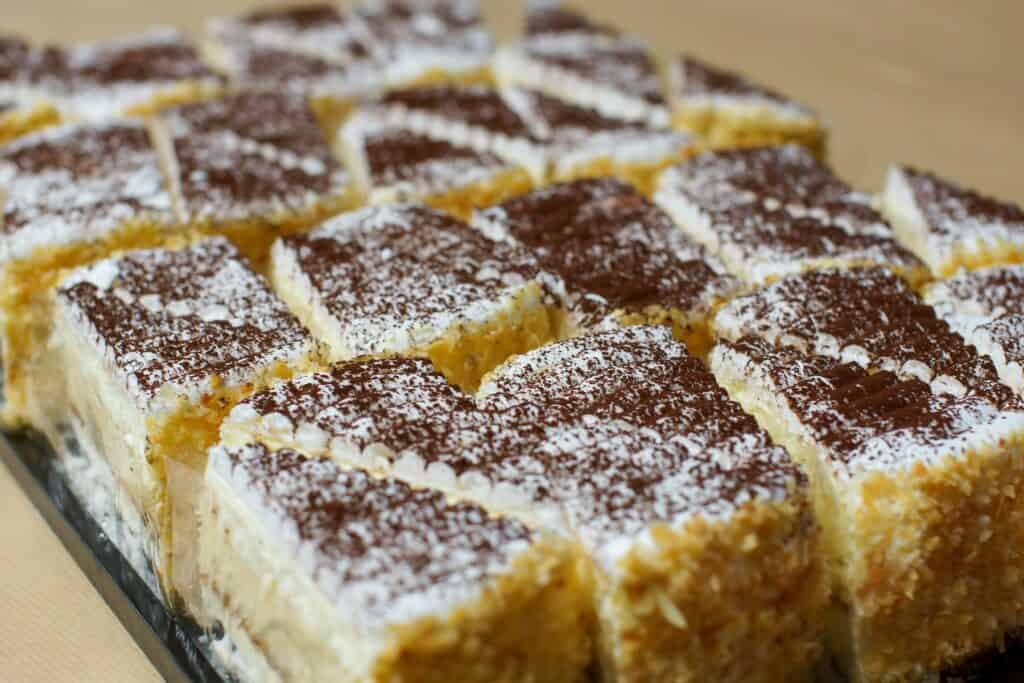
The lamington is a sponge cube dipped in chocolate and rolled in coconut. Its origin is still argued over. The State Library of Queensland notes that the first recipe appeared in Queensland Country Life on 17 December 1900. It also links the cake to Lord Lamington, the eighth governor of Queensland, who served from 1896 to 1901.
To taste the history, visit Brisbane’s Old Government House at QUT, where the Lamington story is told. For a modern version, seek out Tokyo Lamington, the bakery that made the cake fashionable again. Its lamingtons use unexpected fillings and coatings, and the shop treats the classic with real craft. Order one with tea in the afternoon, when the sponge is freshest.
A good lamington should be tender, never dry. The chocolate coat should be thin and glossy, and the coconut should be fine. If the sponge crumbles in your hand, the bakery has cut corners. Many cooks fill the center with jam or cream, which is delicious but not essential.
Pavlova
Australia and New Zealand both claim the pavlova, and neither will yield. Visitors can skip the argument and eat well instead. The most theatrical place to eat one is Bennelong, inside the sails of the Sydney Opera House, where a pavlova shaped after those famous curves remains a house signature.
The dessert is bright with passionfruit and cut with cream. It is light, theatrical and unmistakably Sydney. Book a table near the end of your trip, so that it becomes the closing note of the visit. Dessert-first diners can also sit at the bar, and many visitors do exactly that after a show.
The meringue should shatter and then dissolve. A pavlova made well has a crisp shell and a marshmallow heart. Anything chewy or sticky means the baker rushed the drying. That texture is the reason a restaurant version, made with a pastry team and a steady oven, can beat the home kitchen. Australia’s desserts have a full guide of their own for those who want more.
STRAAYA may earn a commission when you buy through these links, at no extra cost to you.
Reliable sponges, the foundation of a great lamington.
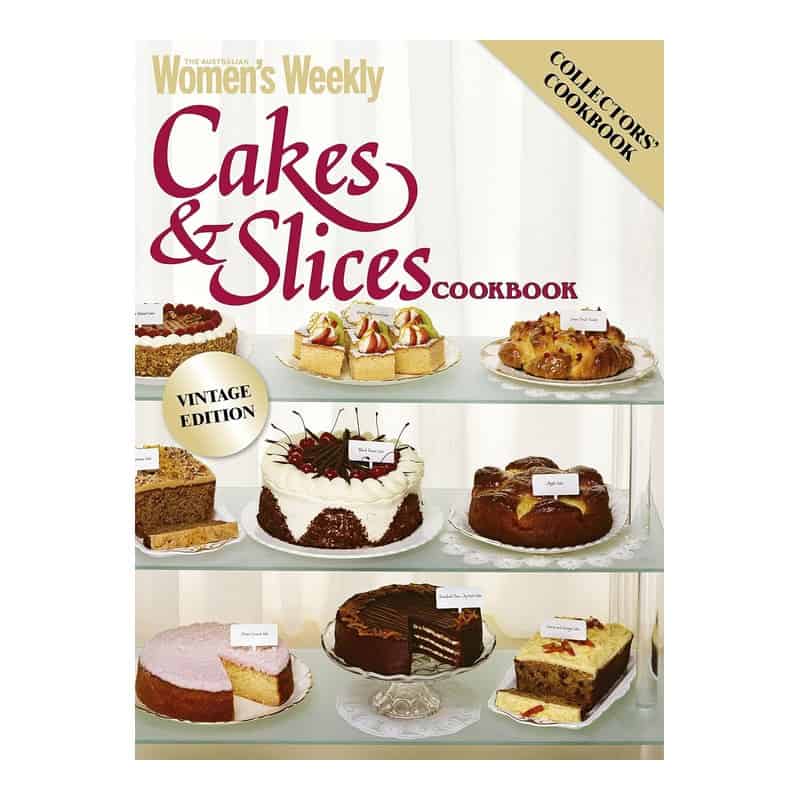
The classic Australian collection, lamingtons included.
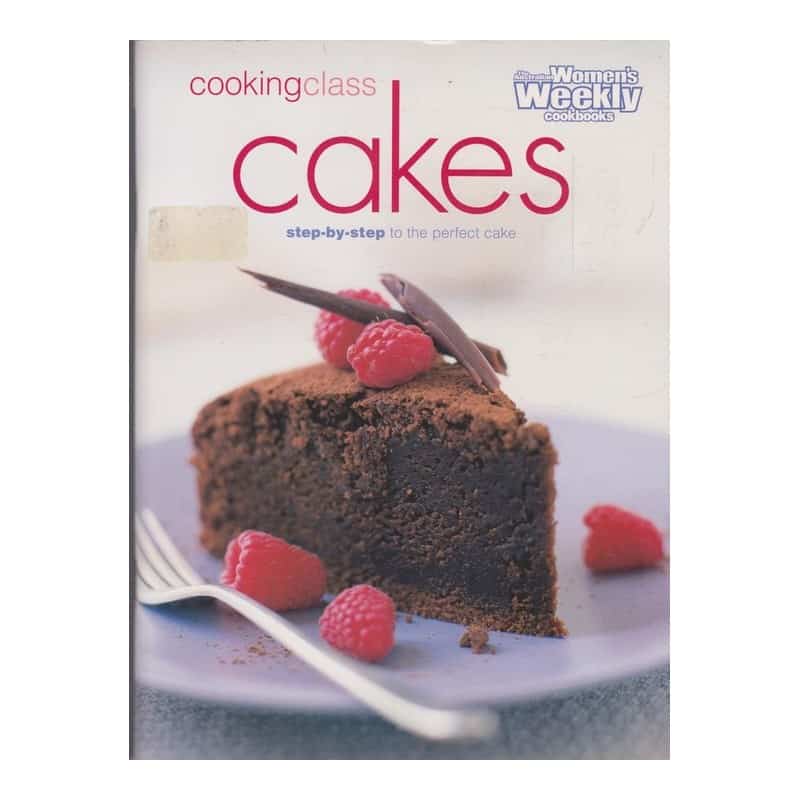
Step-by-step teaching from a national institution.
Anzac biscuits
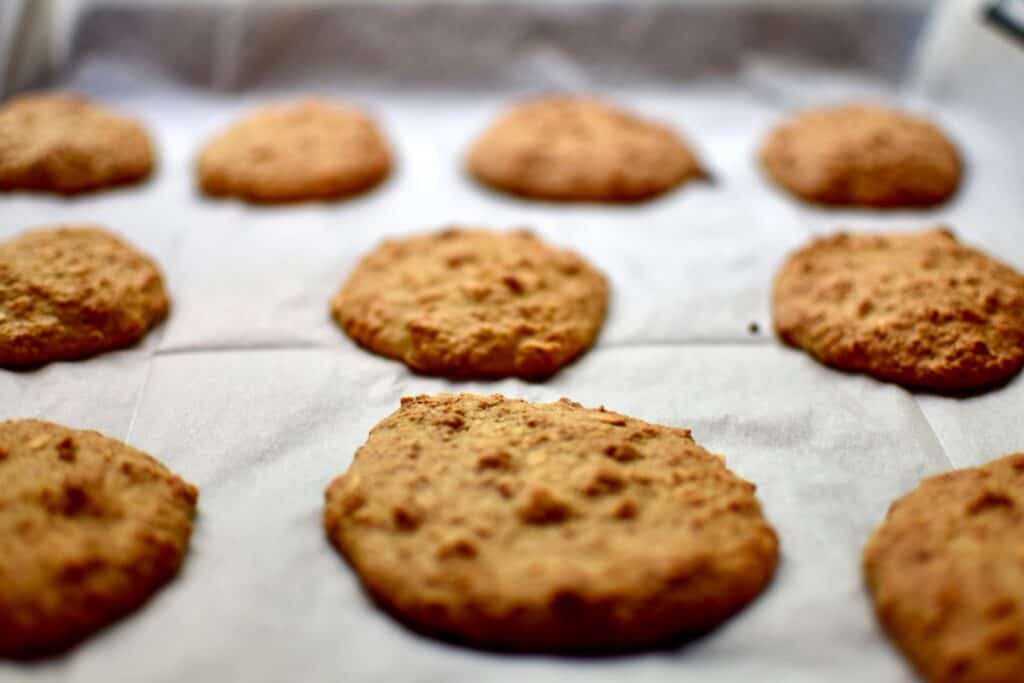
The Anzac biscuit is the most solemn of the icons. The Australian War Memorial explains that the sweet biscuit of rolled oats and golden syrup is not the hard tack that soldiers carried at Gallipoli. How the recipe became tied to Anzac remains unknown. It may simply have become a favorite in parcels of small comforts sent from home.
Eat one in Canberra, after a morning at the Australian War Memorial. The best ones are plain, chewy and slightly caramelized at the edge. Look for them in good regional bakeries, sold by the tin. Around 25 April, Anzac Day, they appear everywhere, and every bakery bakes them with care.
Eat them slowly and with respect. The biscuit is simple on purpose, and its charm lies in oats, coconut and butter, with no decoration. Pair one with a strong cup of tea. If you can, visit the Memorial’s galleries first, because the biscuit tastes different afterward.
Iconic Australian foods from childhood
Every country keeps a few foods that taste of being eight years old. Australia keeps a chocolate biscuit and a slice of buttered bread. Both now have grown-up versions.
Tim Tams
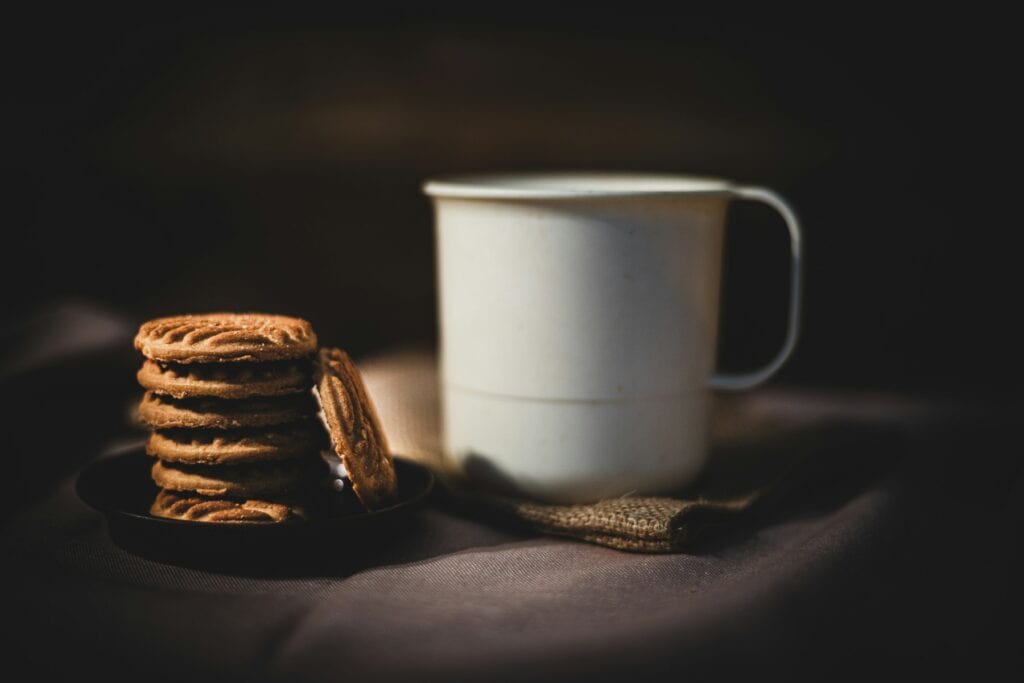
Arnott’s Tim Tam has been a national habit for generations. Australians prepare the Tim Tam Slam by biting off two corners and sipping hot chocolate or coffee through the biscuit. The result is a molten, collapsing mouthful that is best attempted with a napkin close at hand.
Hotel pastry kitchens sometimes riff on it at afternoon tea, so ask the concierge what is on during your stay. Otherwise, buy a packet and slam one by the harbor with a good hot chocolate.
The classic Original is the one to start with. Dark and mint versions also exist, and Australians hold strong opinions about each. The best advice is to buy two flavors and let the group argue. It is a gentle introduction to the national taste for chocolate and a good gift to carry home.
You may also like

Fairy bread
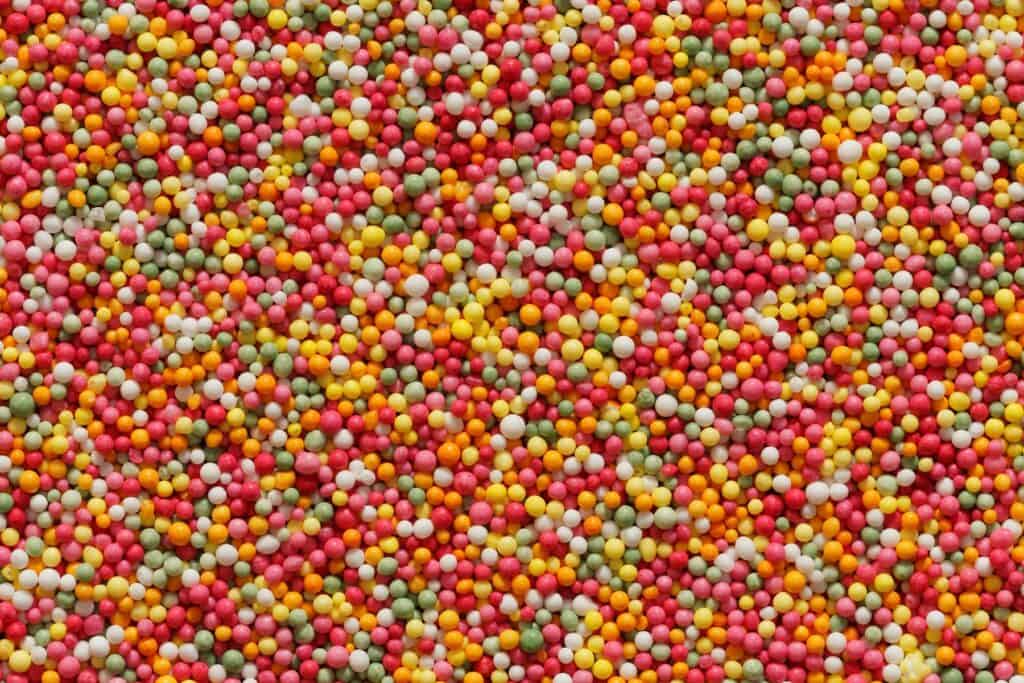
Fairy bread is white bread, butter and hundreds and thousands. It has defined children’s birthday parties across the country for generations.
Sydney’s pastry cooks now play with it. The Waratah in Darlinghurst makes a fairy bread ice cream sandwich, with tea sponge, vanilla ice cream and honey buttercream. Linla in Surry Hills fills a sprinkled bao with vanilla ice cream. Both treat the memory with respect. They keep the crunch of the sprinkles, and they add real technique. Tokyo Lamington has even made a fairy bread lamington, with sponge, popcorn buttercream and a sprinkle coating.
At home, Australians serve plain fairy bread at every party. Cut it into triangles, because that is the rule. Use soft white bread and real butter, and spread the butter right to the edge so the sprinkles stick.
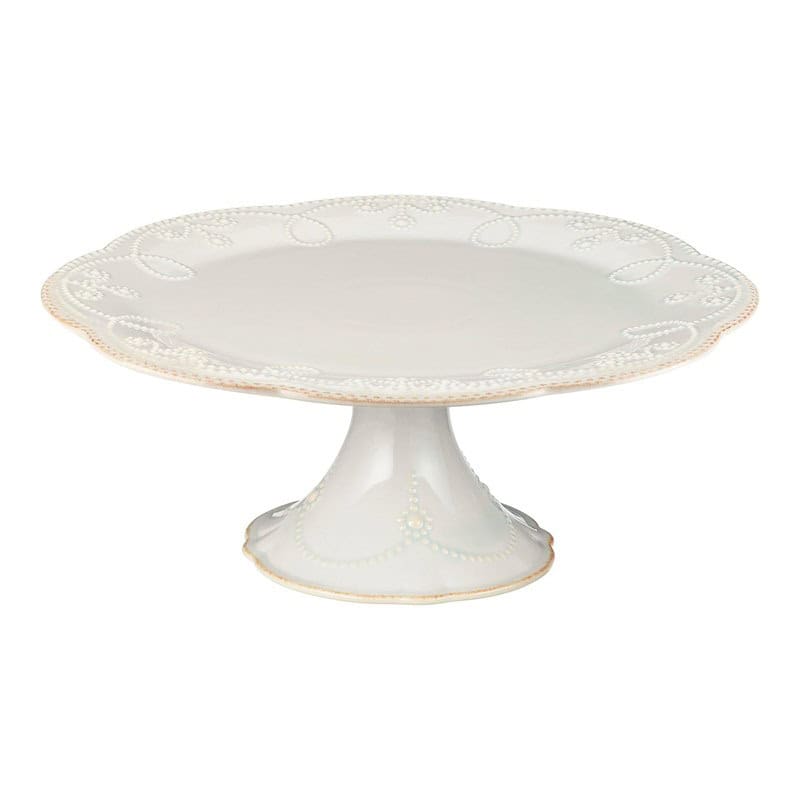
A pearled stoneware stand for lamingtons and sponges.
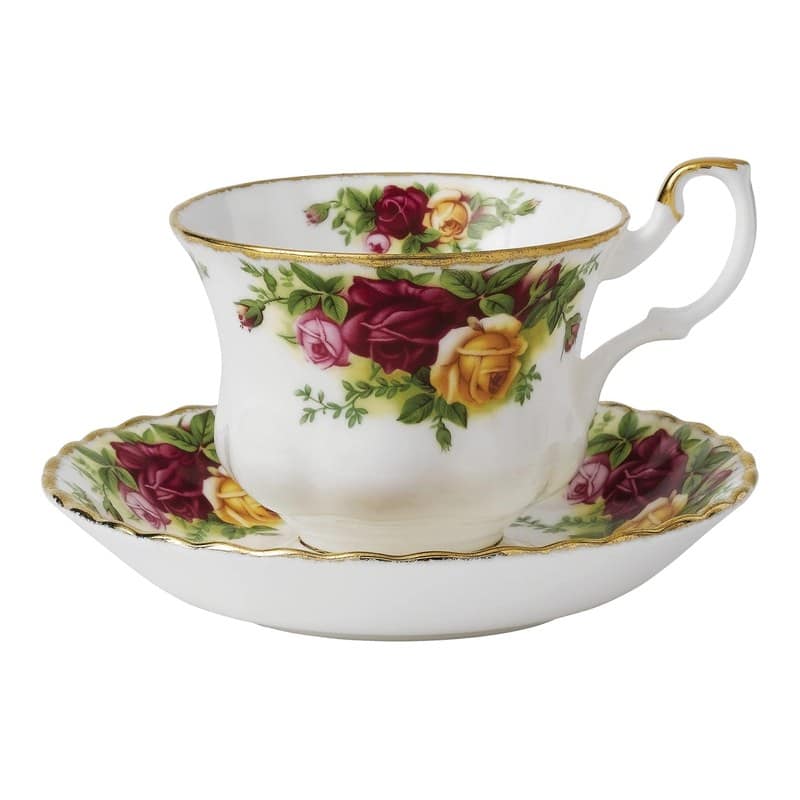
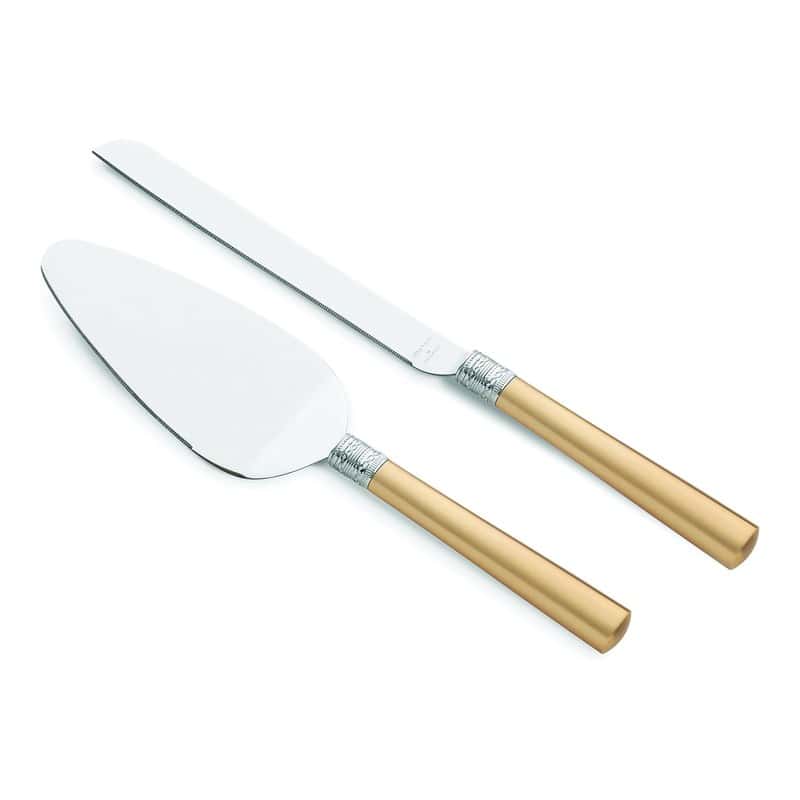
A gilded knife and server for celebration cakes.
Iconic Australian foods from the barbecue and the pub
Some of the most Australian meals are eaten standing up, outdoors or at a pub bar. They look simple, yet the best versions show real skill.
The sausage sizzle
A sausage in bread, with onions and sauce, is a fixture of school fairs and hardware stores. On election day it becomes the democracy sausage. The Museum of Australian Democracy notes that buying a sausage at the local school on election day has become a tradition that earned its own name. Australians eat it as a small act of community.
For a refined version, visit Victor Churchill, the butcher at 132 Queen Street in Woollahra, Sydney. The shop is as polished as a jeweler. Buy a few links, add good bread and cook them over a flame. That is the sizzle, elevated without losing its soul.
Australian sausages are usually beef or pork, seasoned lightly and cooked until the skin blisters. Locals call them snags. Cook them slowly over a medium fire, and turn them often. The onions go on the plate first, then the sausage, then the bread folded around both.

Chicken parmigiana
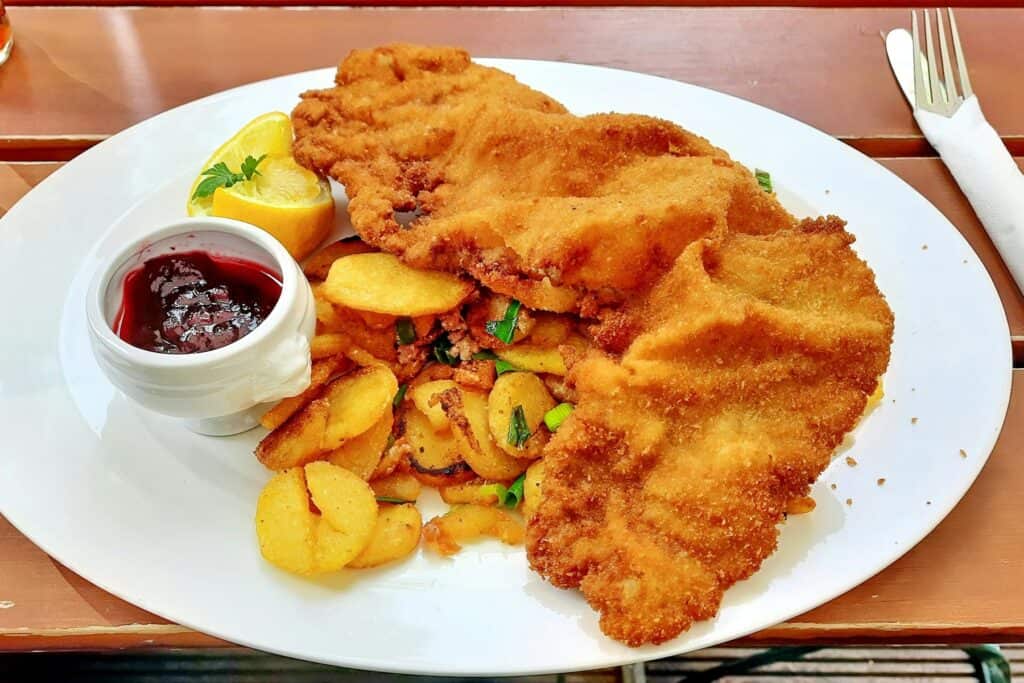
The parma is a crumbed chicken schnitzel, topped with ham, tomato sauce and melted cheese. It arrives with chips and salad. Pubs serve it as a point of pride, and arguments about the best one never end. In Melbourne, the City of Melbourne’s own guide points visitors to the Mitre Tavern, where the bistro serves the Mitre chicken parmigiana, with a seasoned breadcrumb crust, melted cheese and chunky chips.
Order it with a cold beer in the afternoon. Share it if you want to taste anything else afterward. The dish is generous by design. A good parma has a crisp crust that stays crisp under the sauce, and that is harder than it sounds.
Some menus call it a parmi, and the argument over spelling is part of the fun. A long lunch suits the dish. Pair the parma with a lager or a light red, and leave dessert for later.
Meat pies
The Australian pie is a hot, shortcrust parcel of minced beef and gravy. Eaten from a paper bag, it is a road-trip ritual. Eaten from a great bakery, it is something finer. The Official Great Aussie Pie Competition crowned Buddy Bakery in Melton, Victoria, with Best Plain Pie in 2026. Orange Spot Bakery in Adelaide took the Grand Champion title.
The same competition honored Rolling Pin Pies & Cakes in Ocean Grove for a roo rendang pie, which shows how far the pie has traveled. Buy one fresh, split it and let the steam escape first. The full story of the meat pie covers the bakeries and chefs worth a detour.
Iconic Australian foods from the water
An island continent eats from the sea, and it shows. The best seafood icons are simple, local and best eaten within sight of where they were caught.
Sydney rock oysters
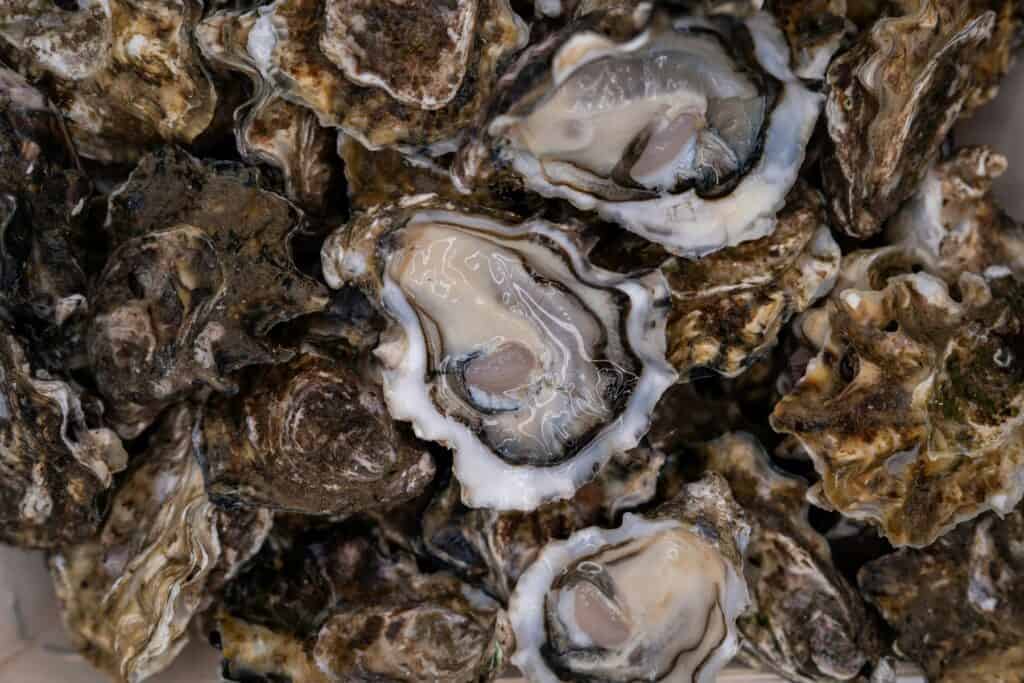
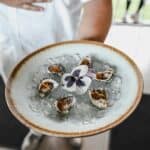
The Sydney rock oyster is native, small and deeply mineral. It tastes of the estuary it grew in. On the New South Wales south coast, Pambula Lake is a must-stop for any oyster lover, according to the Sapphire Coast tourism body. Broadwater Oysters runs an oyster school, and Captain Sponge’s Magical Oyster Tours sails visitors through the leases.
Eat them natural, with a squeeze of lemon, and nothing else. Slurp it from the shell in one go, juice included. Oysters need clean water to thrive, so growers watch their estuaries closely. That makes every dozen a small quiet argument for looking after the coast. Australian seafood has its own guide for more.
Barramundi
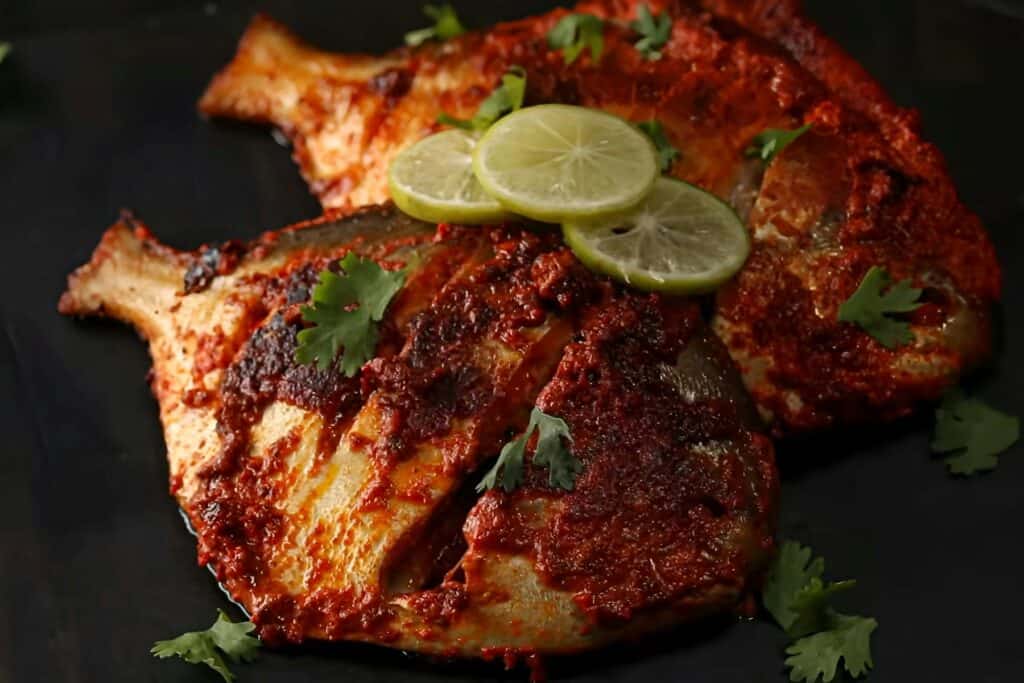
Barramundi is the fish of the tropical north. The flesh is white, sweet and firm, and the skin crisps beautifully in a pan. In Darwin, Pee Wee’s at the Point sits among tropical palms at East Point. Northern Territory tourism describes a menu built on local saltwater barramundi, tiger prawns and tropical fruit.
Time your table for sunset. The patio looks across Fannie Bay, and the light turns the water copper. Barramundi tastes best when the air is warm and the fish is simple. Ask for it grilled or baked, with a native herb if the kitchen offers one.
Ask whether the fish on your plate is wild-caught. Pee Wee’s is set inside the East Point reserve, which makes the walk to the table part of the meal. Arrive a little before sunset to claim a good seat.
Fish and chips by the beach
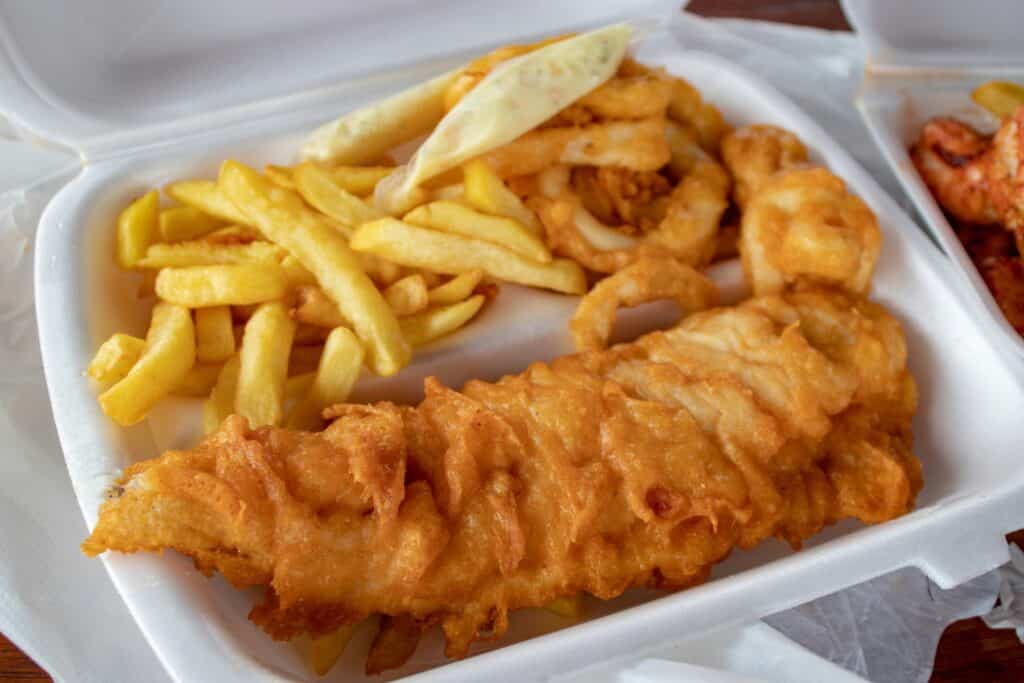
Fish and chips on a beach is a small, sandy ceremony. For the finest version, take the ferry from Circular Quay to Watsons Bay and sit down at Doyles on the Beach. Sydney’s official tourism site says the Doyle family have been serving seafood from that site since 1885.
The menu lists classics like fish and chips, seafood platters and snapper pie. The restaurant sits right on the edge of the sand, at 11 Marine Parade. Order the fish, add a glass of cold white wine and watch the ferries come in. It is a very Sydney afternoon.
Go on a weekday if you can. Weekends fill with families, and the sand fills with gulls. Book ahead for a window table, and wear something light. Linger over the last chip, because the ferry home is half the pleasure.
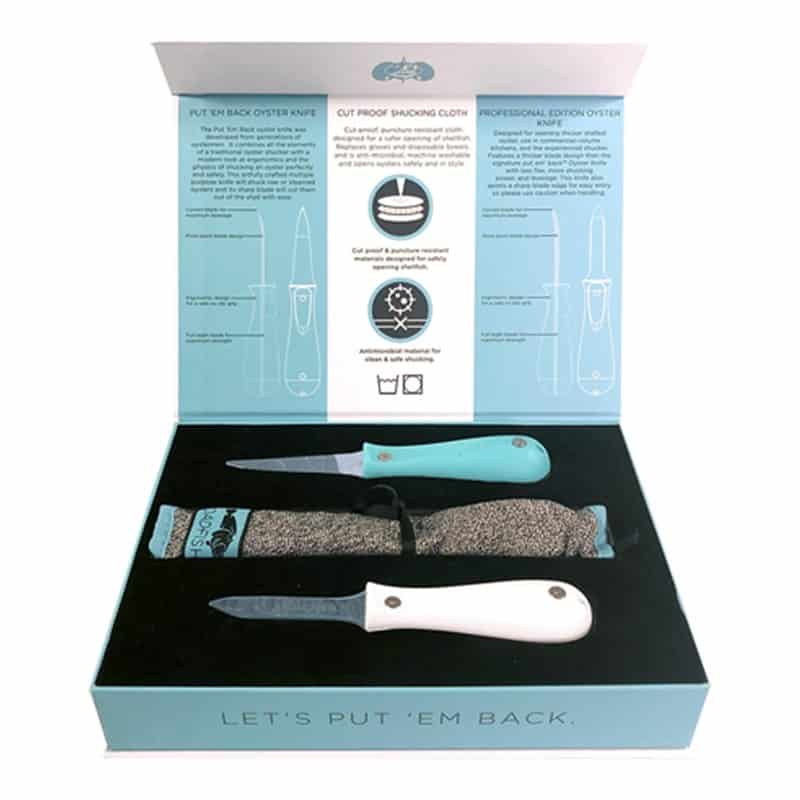
Everything to open a dozen safely at home.
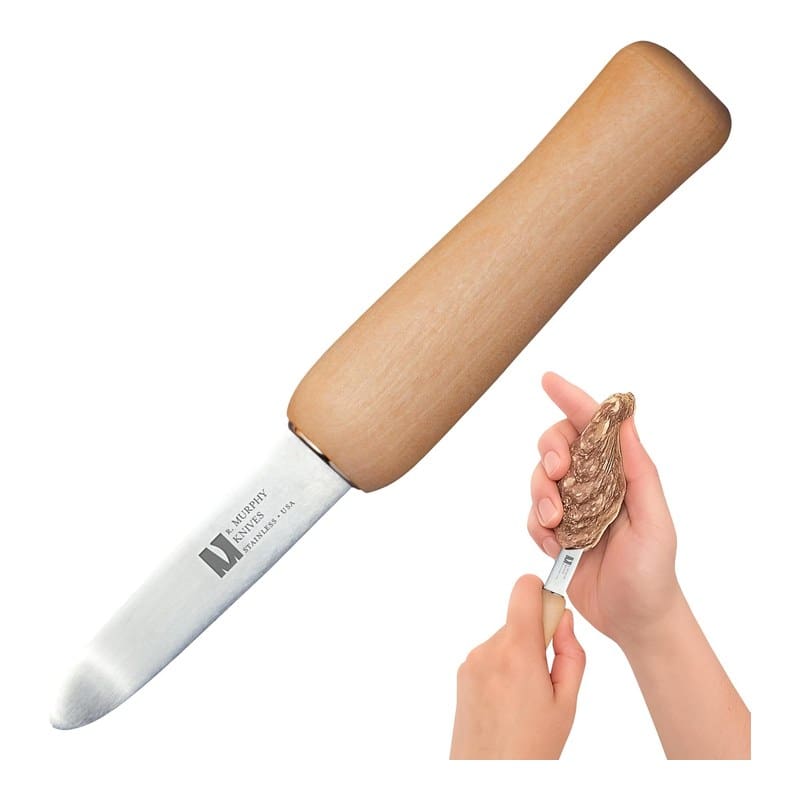
A classic hooked-tip blade with a wooden grip.
Iconic Australian foods from the bush and the paddock
The newest icons are the oldest. Native meats and plants fed Aboriginal communities for tens of thousands of years, and chefs now cook them with care.
Kangaroo
Kangaroo is lean, dark and mild. It is closer to venison than to beef, and it should be served rare. Tourism Australia points travelers to Attica in Ripponlea, Melbourne, where chef Ben Shewry cooks with the country’s native ingredients.
Book well ahead, because Attica is one of the most sought-after tables in Australia. The menu changes with the seasons, so kangaroo may appear in a different form each time. Read it as a story, not a shopping list, and let the staff explain each course.
Kangaroo is cooked quickly over high heat and rested before slicing. Well done, it turns tough and gamey. Rare, it is tender and almost sweet. The best sauces are bold, such as a pepperberry jus or a beetroot reduction. Ask the kitchen how they cook it, and trust their advice. For the deeper story of bush foods, read the guide to native Australian ingredients.

You may also like
Iconic Australian foods for breakfast
Breakfast is where Australia shows off. The cafe culture here is serious, and three iconic Australian foods belong to the morning table.
The flat white
A flat white is espresso with velvety microfoam, smaller and stronger than a latte. Sydney, Melbourne and New Zealand all argue over who invented it. Australians simply drink it. In Sydney, Single O in Surry Hills is a long-standing name in specialty coffee and a reliable place to judge the form.
Order it at the counter and sip it standing up, as locals do. The cafes of Melbourne are just as good. For the wider story of Australian coffee, read our guide to coffee in Australia.

Smashed avocado
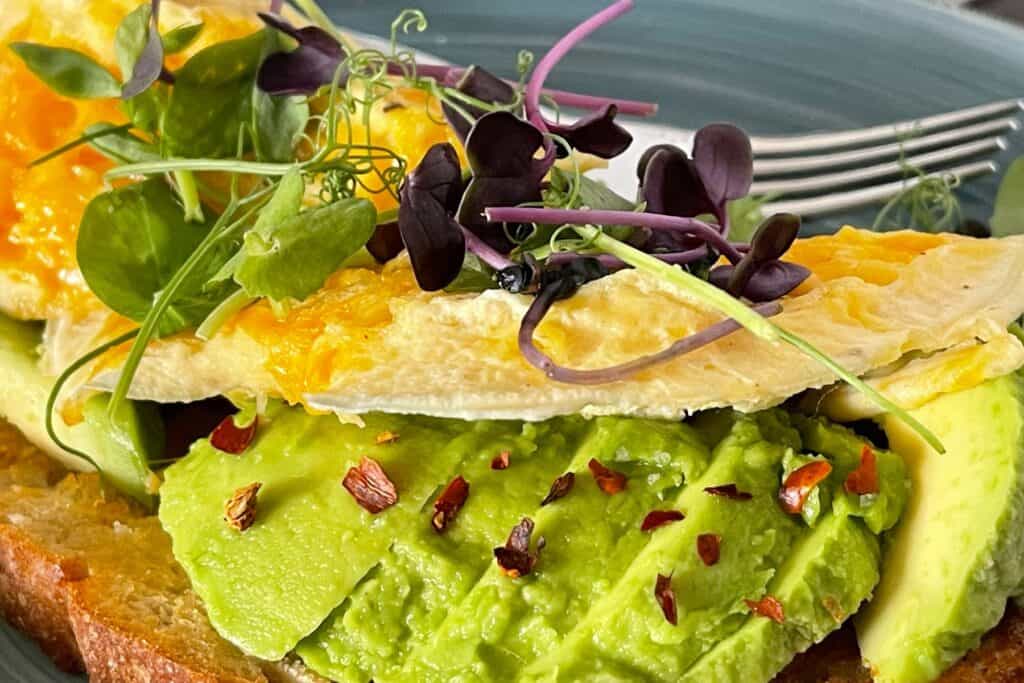
Avocado on toast is now global, but Sydney tourism credits Bill Granger with inventing it. His cafe Bills serves it in Surry Hills at 355 Crown Street, alongside the ricotta hotcakes with honeycomb butter that made the cafe famous. Sydney’s official tourism site lists those hotcakes among the city’s cult classics.
Go early on a weekday, when the room is light and the tables are free. The avocado arrives on thick toast, with lime and a little chili. It is simple, fresh and generous, which is the whole point.
Vegemite on toast
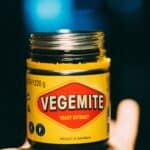
Vegemite is a salty, dark spread made from yeast extract. First-timers usually use far too much. The trick is a thin scrape over hot, well-buttered toast, and nothing else. Eaten that way, it tastes savory and deep, a bit like a stock cube melted into butter.
Have it at breakfast, at a good bakery-cafe, with a flat white alongside. Our Vegemite guide explains how chefs now use it in sauces and glazes. Take a jar home as a souvenir. It travels well and keeps for a long time.
Cheese and Vegemite is a classic pairing, and a melted cheese toastie with a thin scrape inside is a favorite. Some cafes also stir it into butter for a savory spread. Start gently, then add more only if you like the flavor.
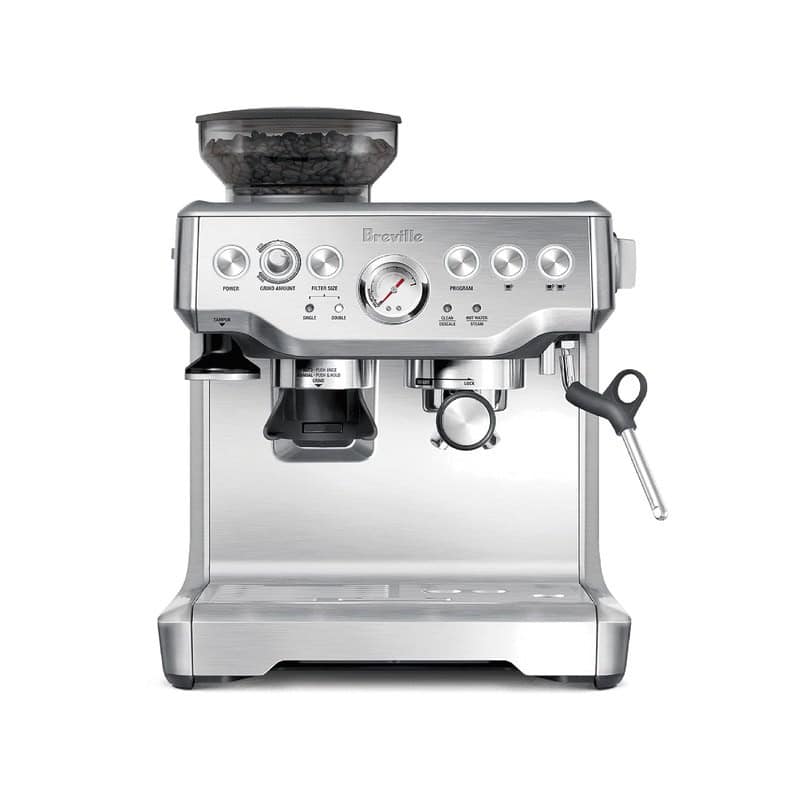
The Australian maker’s machine, with a built-in grinder.
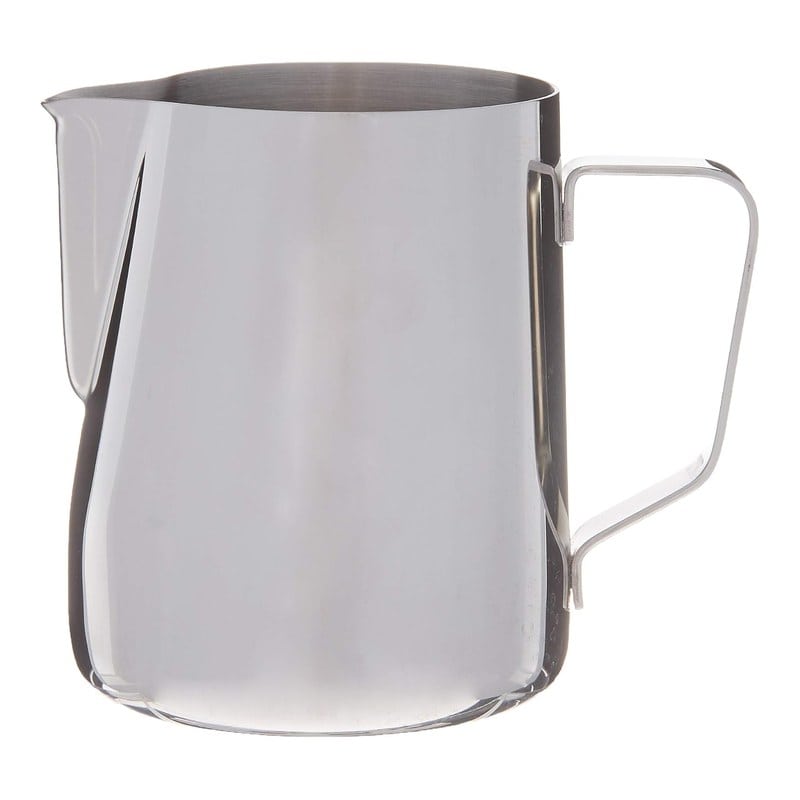
An Australian-designed jug for silky microfoam.
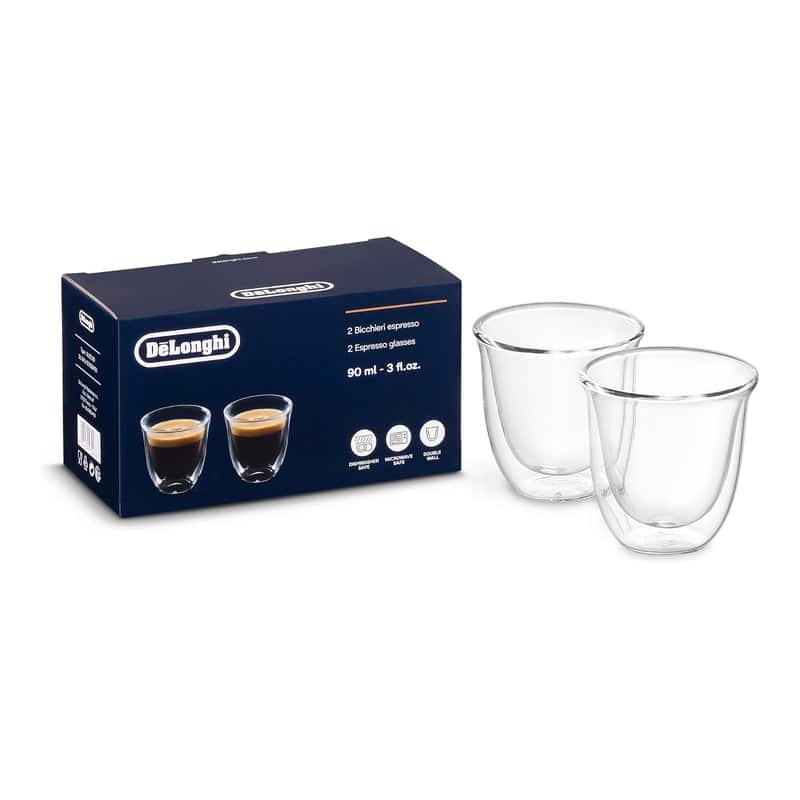
How to taste the humble icons well
Pies, sausages, fairy bread and Vegemite are everyday iconic Australian foods. Australians love them exactly because they are ordinary. A discerning traveler honors that by choosing the best version and eating it the local way.
That means a pie from a bakery with a line out the door, not a petrol station warmer. It means a sausage from a butcher who knows the farm. It means fairy bread made with good bread and good butter. Quality is the luxury here, and it never needs a tablecloth.
The same rule applies to the cafes and pubs on this list. Look for a short menu, a busy room and staff who can tell you where the produce comes from. Those signs matter more than any award. They tell you the kitchen cares about the plate in front of you.
The tasting list at a glance
Use the table below to plan a route. It groups the iconic Australian foods by city and by the best moment to eat them. Most of them are available all year, so the timing is about comfort and atmosphere, not season.
Sydney makes an easy starting point, because it holds seven of the fifteen. Melbourne and Brisbane offer the best pies, parmas and lamington history. Darwin and the south coast of New South Wales cover the seafood.
| Icon | Where to taste it | Best moment |
|---|---|---|
| Lamington | Old Government House, Brisbane, or Tokyo Lamington | Afternoon tea |
| Pavlova | Bennelong, Sydney Opera House | Dinner dessert |
| Anzac biscuit | Canberra bakeries | Around 25 April |
| Tim Tam | A harbor-side cafe, with hot chocolate | Weekend afternoon |
| Fairy bread | The Waratah or Linla, Sydney | After dinner |
| Sausage sizzle | Victor Churchill, Woollahra | Weekend barbecue |
| Chicken parmigiana | Mitre Tavern, Melbourne | Lunch with a beer |
| Meat pie | Buddy Bakery, Melton, or Orange Spot Bakery, Adelaide | Morning road trip |
| Sydney rock oysters | Pambula Lake, south coast NSW | Late morning |
| Barramundi | Pee Wee’s at the Point, Darwin | Sunset |
| Fish and chips | Doyles on the Beach, Watsons Bay | Long lunch |
| Kangaroo | Attica, Ripponlea, Melbourne | Dinner |
| Flat white | Single O, Surry Hills | Mid-morning |
| Smashed avocado | Bills, Surry Hills | Weekday brunch |
How to eat your way through the list
A list of iconic Australian foods works best when it follows a route. Begin in Sydney and spend three or four days there. Eat brunch at Bills, a flat white at Single O, fish and chips at Doyles and pavlova at Bennelong. That covers four icons without leaving the harbor.
Then fly to Melbourne for the parma at the Mitre Tavern and a tasting menu at Attica. The city’s food markets are a good place to buy pies and pastries for the road. Australia’s best restaurants are the natural next step for evenings.
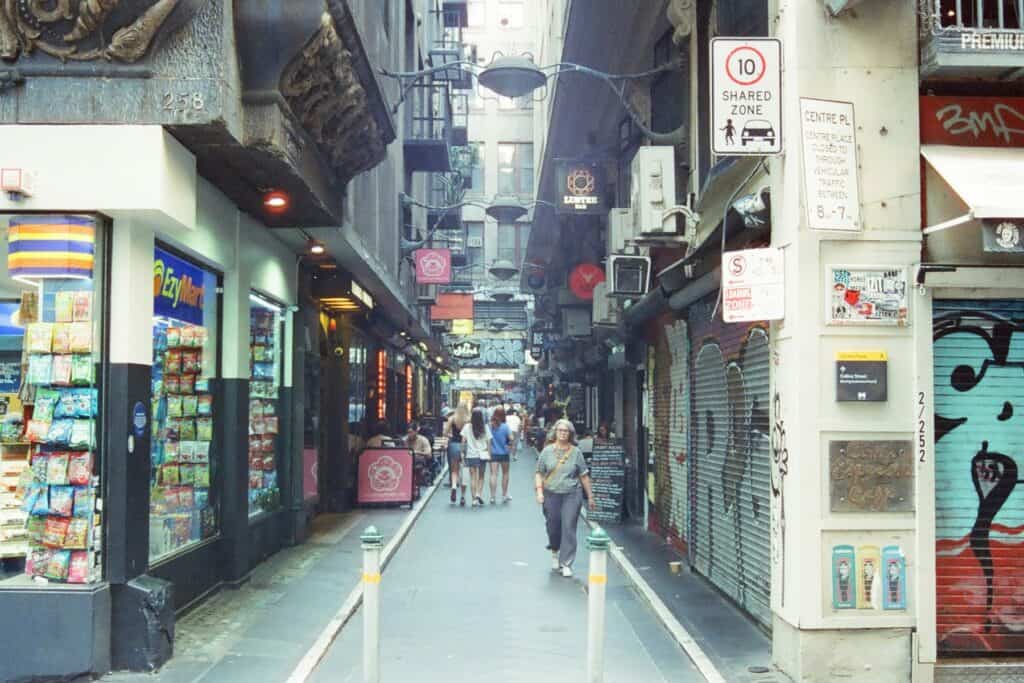
Add Darwin for barramundi, ideally at sunset, when the evenings are clear. Add the south coast for oysters, ideally on a long drive from Sydney. Each stop adds one or two icons, and each is better when you have time to linger.
Eating the icons with respect
Several iconic Australian foods carry real weight. The Anzac biscuit belongs to a memorial culture, and eating it on Anzac Day is an act of remembrance. Kangaroo belongs to the long story of Aboriginal food knowledge, and the best kitchens tell that story with care.
Seafood asks for care too. Oysters, barramundi and fish all depend on clean water and healthy estuaries. Ask where your fish was caught, and choose restaurants that answer clearly. Good kitchens are proud to say. That small question is the easiest way for a visitor to support the coast.
Planning your own list of iconic Australian foods
Not every traveler will eat all fifteen, and nobody should try to in one trip. Choose five that suit your route, and book those tables first. Pavlova at Bennelong and oysters on the south coast need the most notice.
Leave the humble icons for the in-between hours. A pie on the road, a flat white at the counter and a sausage in bread cost little time. They also give the trip its flavor. For the wider story behind them, return to how Australian food became one of the world’s great cuisines, and let this list guide your next table.
Take our short quiz and find the city, coast and table that suit you best.
Take the quizQuestions worth asking
What is the most iconic Australian food?
Many Australians would name the meat pie, Vegemite on toast or the lamington. Each has a long history and a loyal following. For visitors, the flat white and fresh seafood are just as important.
Do I need to eat kangaroo in Australia?
No, but it is worth trying once. The meat is lean and mild, and it is best served rare. Attica in Melbourne is the most celebrated place to try it, as part of a tasting menu built on native ingredients.
Is Vegemite really edible for first-timers?
Yes, if you use a thin scrape on hot buttered toast. Too much makes the taste overwhelming. Pair it with cheese or avocado if the first try feels strong.
Where should I eat fish and chips in Sydney?
Doyles on the Beach at Watsons Bay is the classic choice. The family has served seafood from the site since 1885, according to Sydney’s official tourism site. Take the ferry from Circular Quay for the best approach.
What is the difference between a flat white and a latte?
A flat white is smaller and stronger, with thinner, silkier microfoam. A latte is larger and milkier, with more froth on top. Australians usually order a flat white, so it is the standard choice.
When is the best time to try Australian foods?
Most of the icons are available all year. Anzac biscuits peak around 25 April, and barramundi suits a warm evening in Darwin. Book Sydney dinner tables well ahead for the busy months.