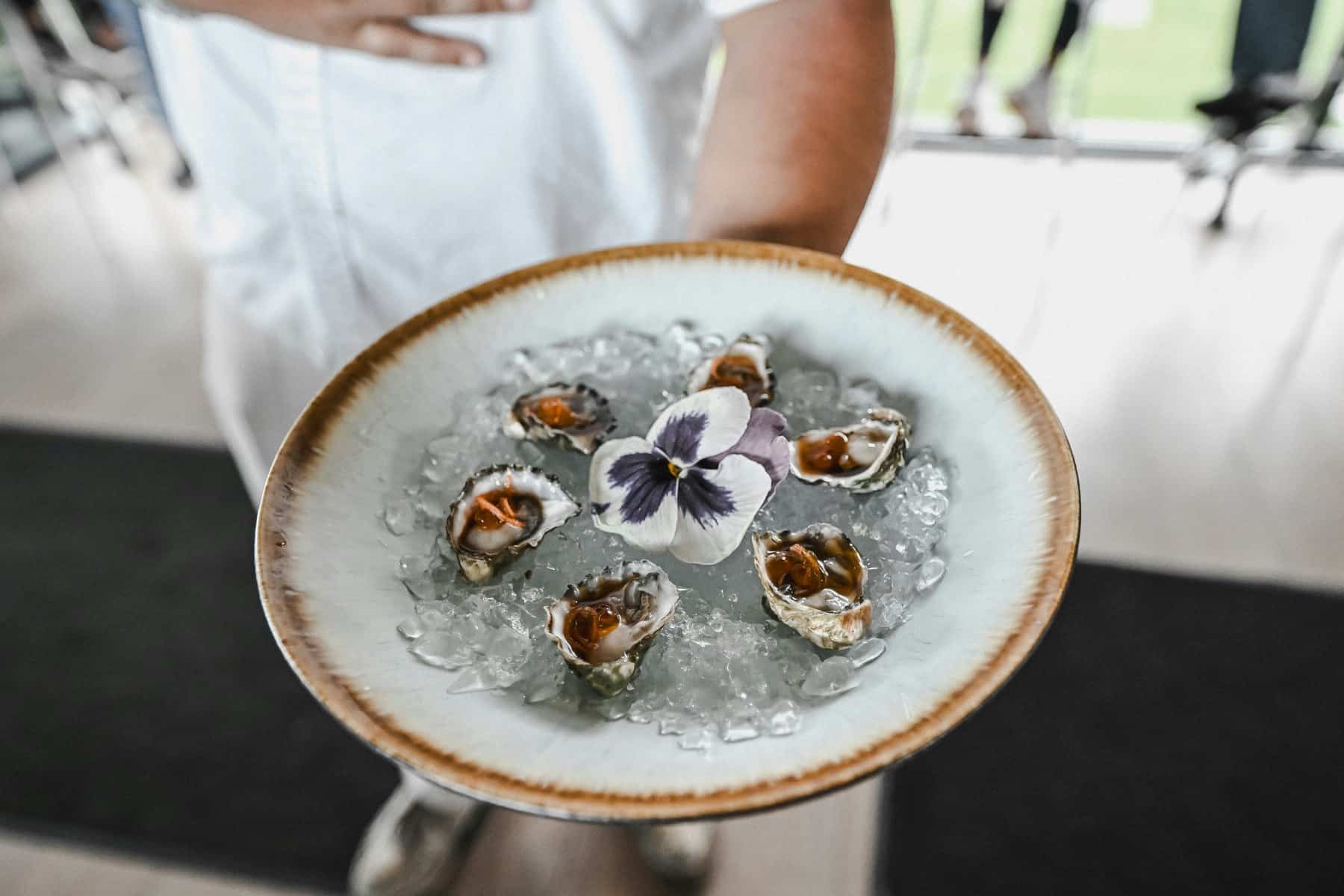
Australian seafood is known for its oysters, abalone, barramundi, marron and slipper lobsters, each tied to a particular coast and season. The best way to eat it is close to the source, at a farm gate or on the water. Australia also runs some of the best-documented fish stock reporting in the world, which makes choosing well easy.
Why Australian seafood is worth the flight
Australian seafood begins with a simple fact of geography. The continent is ringed by an enormous coastline. Almost every stretch of it feeds a different table. Cold southern waters give you abalone and salmon. Warm northern rivers give you barramundi. Tidal estuaries give you oysters that taste of the exact place they grew.
This guide treats Australian seafood the way the best cooks do. It follows the season, the region and the producer. It also sits inside a bigger story, which you can read in our guide to how Australian food became one of the world’s great cuisines.
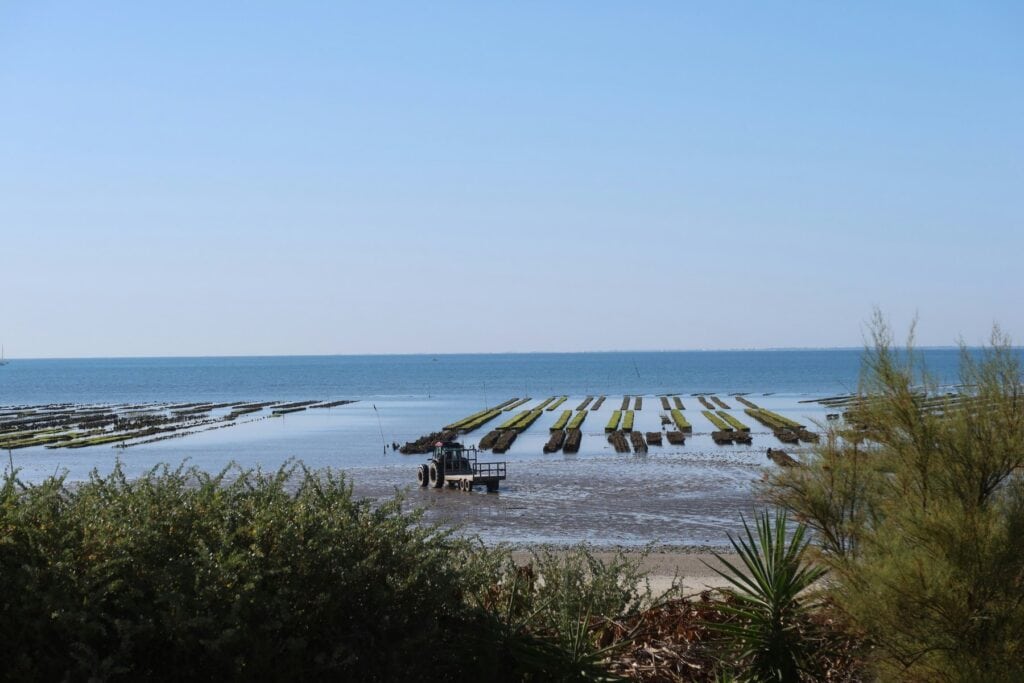
The luxury here is not a white tablecloth, and it is not a price tag. It is an oyster opened a few feet from the water that grew it. It is a platter carried to a jetty table, with a cold glass of local wine beside it. That is the idea behind every stop in this guide: shucked at the farm, served at the water’s edge.
You can plan a whole trip around it. Start on the New South Wales South Coast, cross to the Eyre Peninsula, then finish in Tasmania. Each region has its own oyster, its own light and its own pace.
Sydney rock oysters, the native original
The Sydney rock oyster is native to Australia. Destination NSW reports that it has been cultivated since the late 1800s. It is also regularly voted among the best in the world. It grows along much of the New South Wales coast and into southern Queensland.
Taste one and you understand why. The flavor is clean, briny and slightly sweet, with a soft, creamy finish. Cooks often describe it as iodine-rich, which is another way of saying it tastes like the sea.
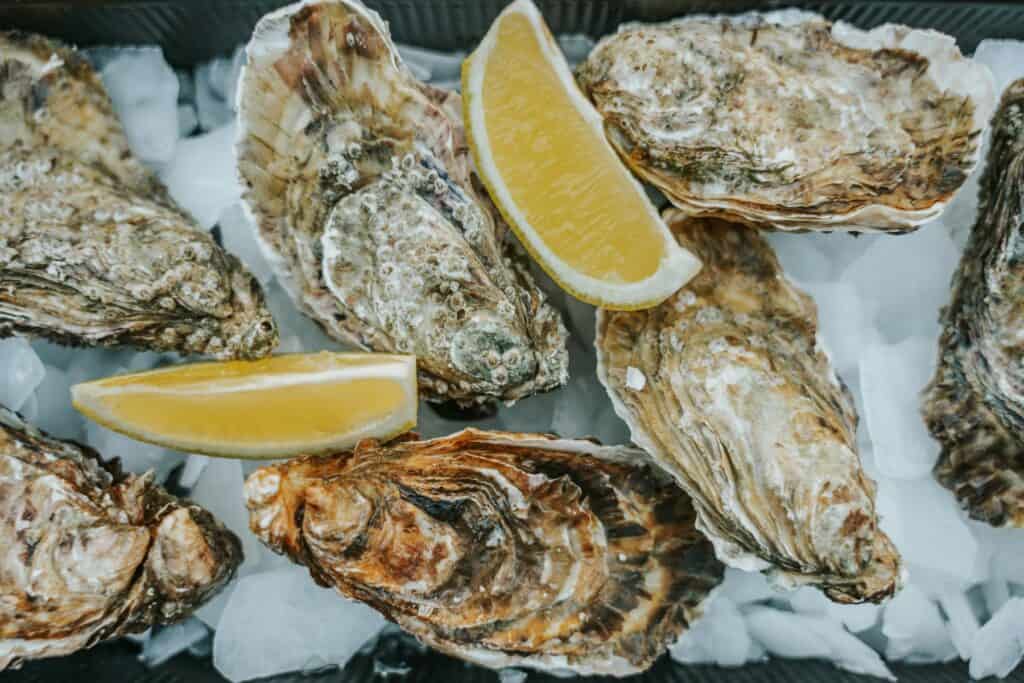
A good rock oyster is small and deep-cupped. It sits in its shell like a pearl in a jewel box. Because it is smaller than a Pacific oyster, you eat several, and each one is a slightly different shade of salt.
Season matters. Rock oysters are available most of the year, but they are fullest from September to March. In winter they turn leaner and flintier, and some diners prefer that sharper edge.
For the best Australian seafood experience, order them natural. Add only a squeeze of lemon, or a little shallot vinegar. Then pair them with a crisp white or a dry sparkling wine. The salt in the oyster wants acidity, not sweetness.
It also helps to ask the grower one question. Ask which estuary the oysters came from. Every river changes the flavor, so a Clyde River oyster tastes different from one grown further south. That small difference is the whole pleasure of eating them at the source.
STRAAYA may earn a commission when you buy through these links, at no extra cost to you.
A hand-finished American classic with a firm, grippy handle.

A stainless blade angled to pop the hinge cleanly.
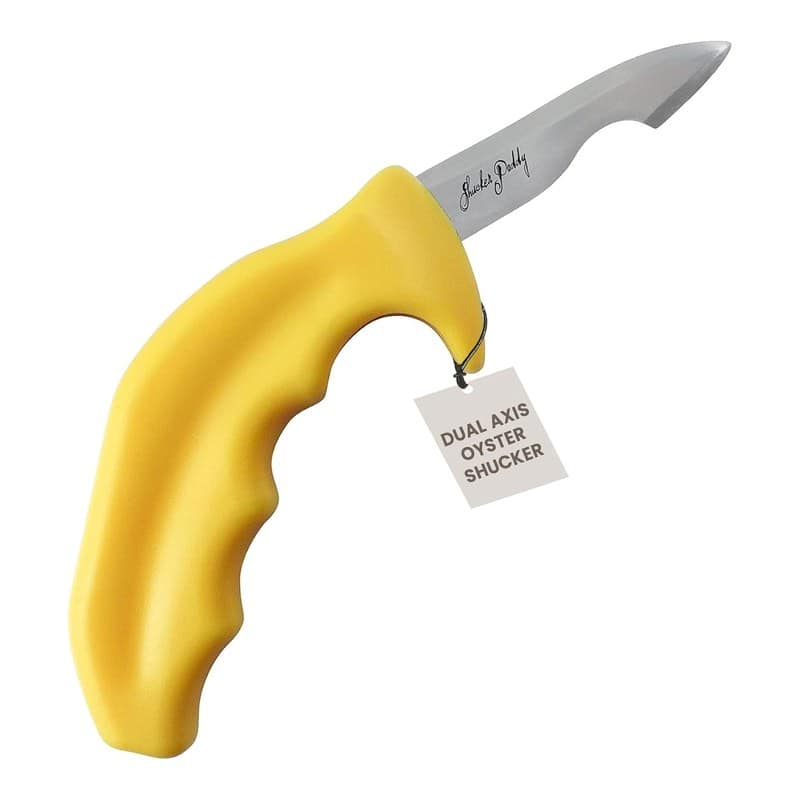
A short, sturdy blade designed with a champion shucker.
The South Coast oyster trail
The New South Wales South Coast is where Australian seafood becomes a road trip. Destination NSW now promotes the state as the oyster tourism capital of Australia. The trail runs from the Shoalhaven River south to Pambula Lake, and each estuary has its own character.
At Batemans Bay, Region X runs a two-hour oyster tasting kayak tour among working leases. You paddle between the racks, meet a grower and taste the oysters at the source. Further south, Navigate Expeditions offers a kayak and shucking tour on the Pambula River.
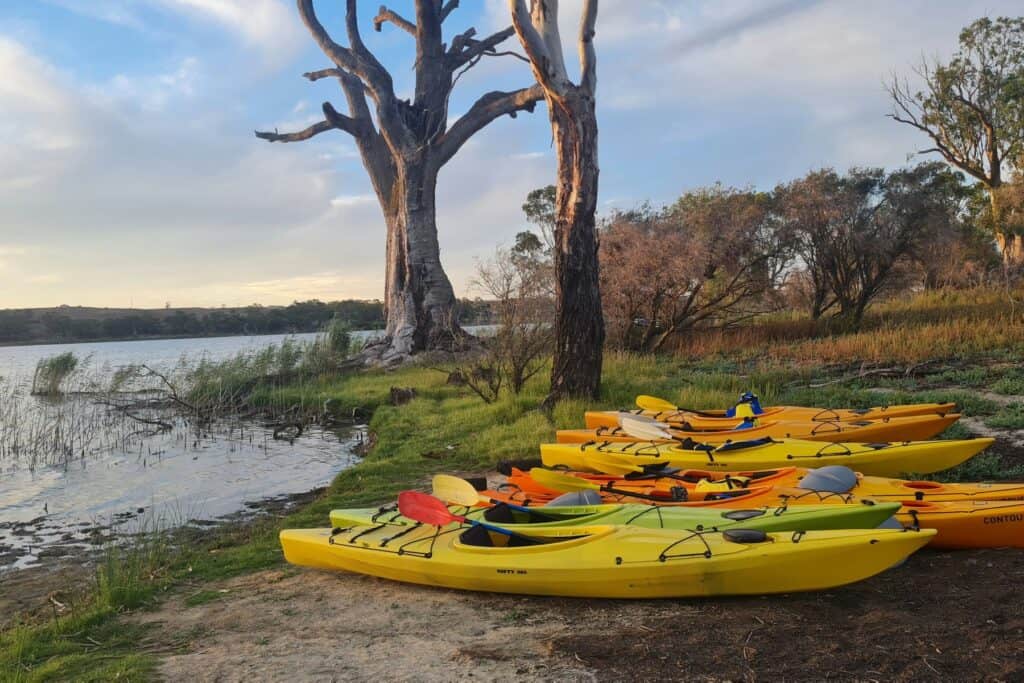
At Mimosa Rocks National Park, Tathra Oysters is a family farm that grows around one million mature oysters a season, according to Destination NSW. That same farm won the Royal Agricultural Society of NSW President’s Medal from 4,274 exhibits. Few farms in the country can claim that.
Timing helps if you want a crowd and a party. The Narooma Oyster Festival is the region’s big annual gathering. Its 18th edition ran from 2 to 4 May in 2025, and organizers expected about 65,000 oysters to be harvested and eaten. The 2024 event drew more than 8,700 people.
Closer to Sydney, Sydney Oyster Farm Tours runs from Mooney Mooney on the Hawkesbury River. It is about 45 minutes from the city, so it suits a short stay. Book ahead, because tours depend on harvest conditions and tides.
This coast also belongs to the surf crowd. If you want to combine a dawn session with a long oyster lunch, start with our guide to Australian surf culture. Then plan lunch for after the swell drops.
You may also like

Coffin Bay oysters and the Eyre Peninsula
Coffin Bay sits at the southern tip of the Eyre Peninsula, about half an hour from Port Lincoln. South Australia’s tourism authority describes it as home to a smorgasbord of seafood and world-class oysters. It also calls them arguably the best in the world, eaten straight from the source.
That is the pitch, and the setting backs it up. Farms sit in shallow, clear water beside Coffin Bay National Park. The beaches are remote, the swells are big and the town is small.
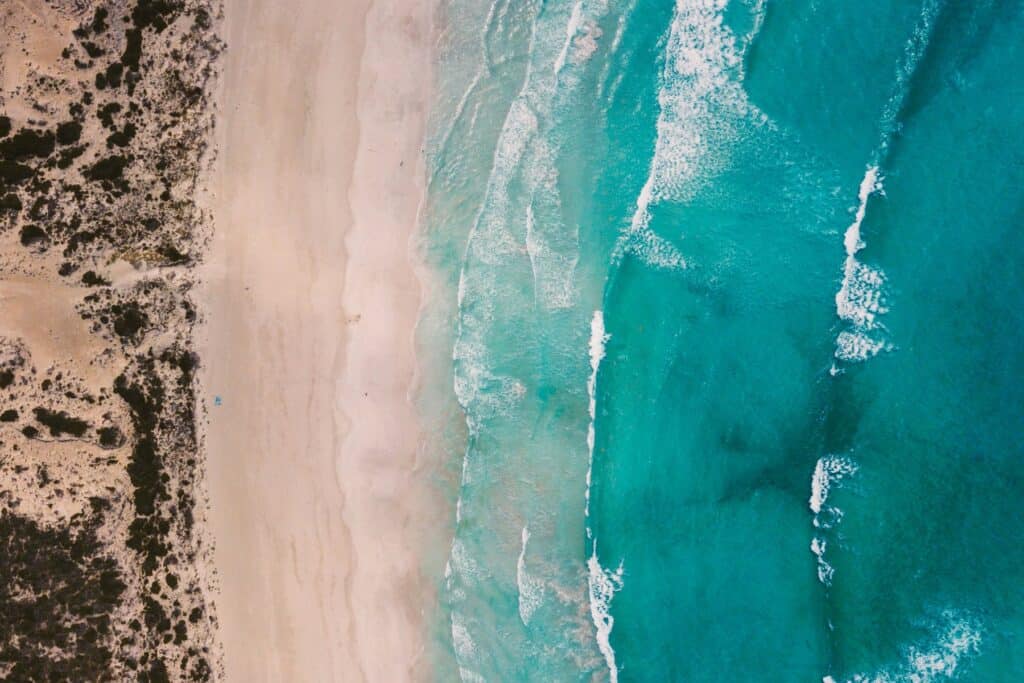
The signature experience is a wading tour. You stand waist-deep in turquoise water inside a working farm, then eat oysters straight from the lease. If you would rather stay dry, other operators serve oysters and local wine on land.
For a meal ashore, Tourism Australia points to 1802 Oyster Bar, which overlooks the bay and serves local oysters several ways. It also lists Experience Coffin Bay, a hands-on session where you learn about harvesting and then eat at a table in the bay.
Then there is the Coffin Bay Oyster Walk, a free coastal path through town. It is a pleasant way to walk off a long lunch. Nearby, the national park charges a modest entry fee, and the surf there is serious.
Fly into Port Lincoln, hire a car and allow two nights. Book the wading tour for the morning, when the light is soft and the tide suits the farm. That gives you one day on the water and one day in the park. It also fits well with an Adelaide stay, which we cover in our guide to Adelaide, where food and wine dreams come true.
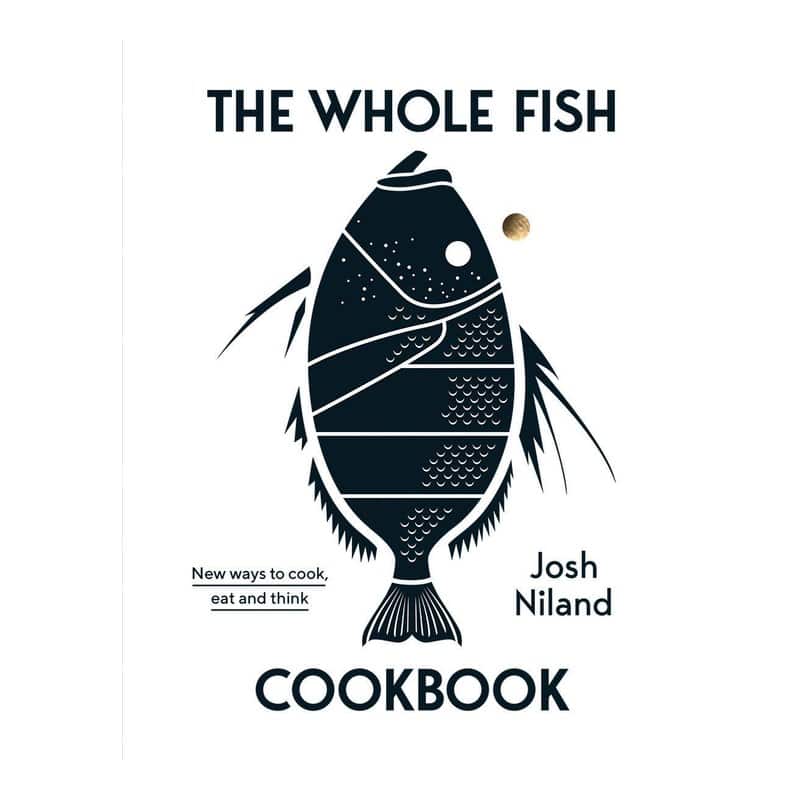
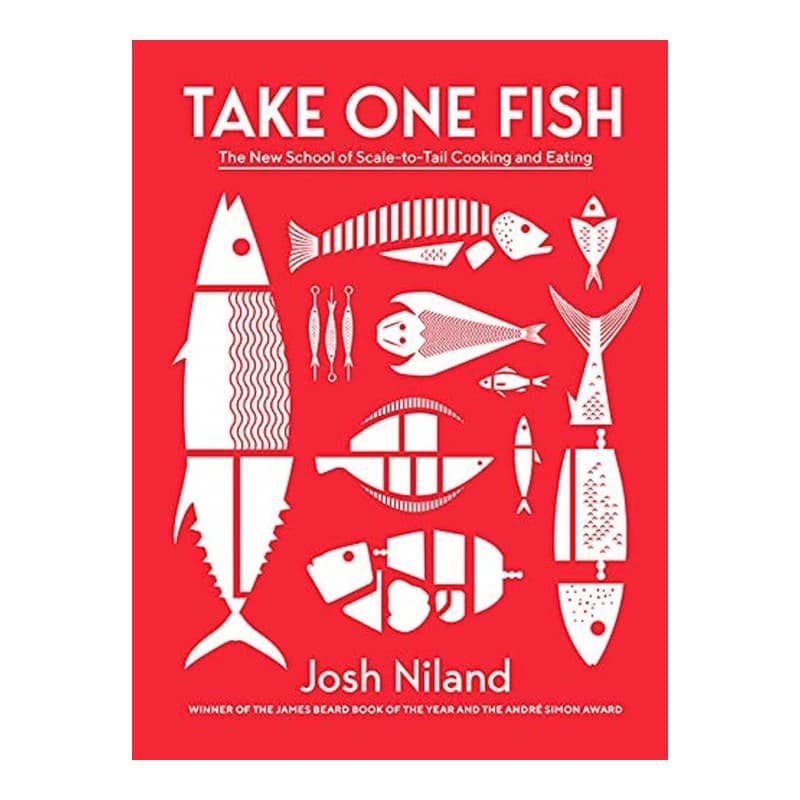

The making of Sydney’s celebrated seafood restaurant.
Spencer Gulf kingfish and Port Lincoln
The same stretch of coast offers more than oysters. Tourism Australia describes the region’s seafood as “of the highest order.” It names Port Lincoln bluefin tuna and Spencer Gulf king prawns sold fresh from the boat.
Then there is Spencer Gulf kingfish, a farmed yellowtail kingfish, Seriola lalandi. The producer, Clean Seas, grows it in the Spencer Gulf, which it describes as one of the cleanest bodies of water in Australia. Chefs use it raw, cooked, sliced and as tartare.
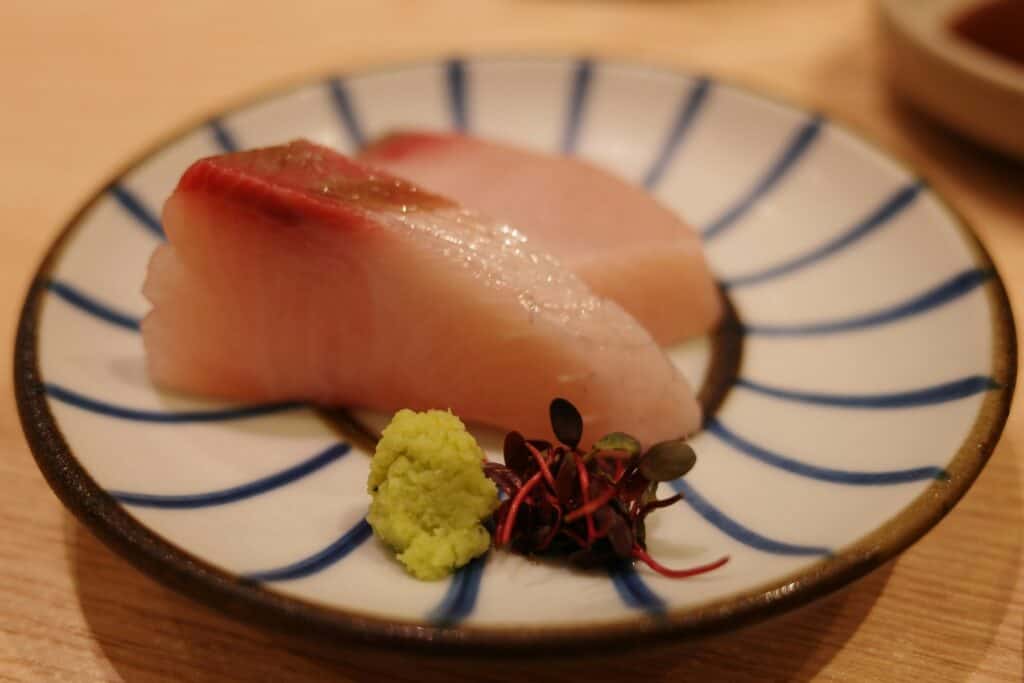
Kingfish is a good example of how Australian seafood has changed. The fish once meant a wild catch. Today it also means careful aquaculture, and a flesh with the texture and fat that sashimi cooks prize.
It rarely shows up on a menu by name, so ask. A good waiter will tell you whether the kingfish is local. If it is, order it crudo or lightly seared, with citrus and a little native pepperberry.
At the Prawn Store in Port Lincoln, you can buy prawns straight off the boat. Take them to the foreshore. Peel them with your hands, and add nothing but lemon.
Moreton Bay bugs, the shovel-nosed delicacy
Moreton Bay bugs are not insects. They are flathead slipper lobsters, and many Australians treat them as a seafood delicacy of the north. The flesh is sweet, rich and firm, somewhere between a lobster tail and a king prawn.
Most come from between Cairns and Bundaberg. They are caught mostly as bycatch in prawn and scallop trawl fisheries, which is where the ethics get complicated. The Australian Marine Conservation Society’s GoodFish guide currently rates wild Queensland bugs “Say No.”
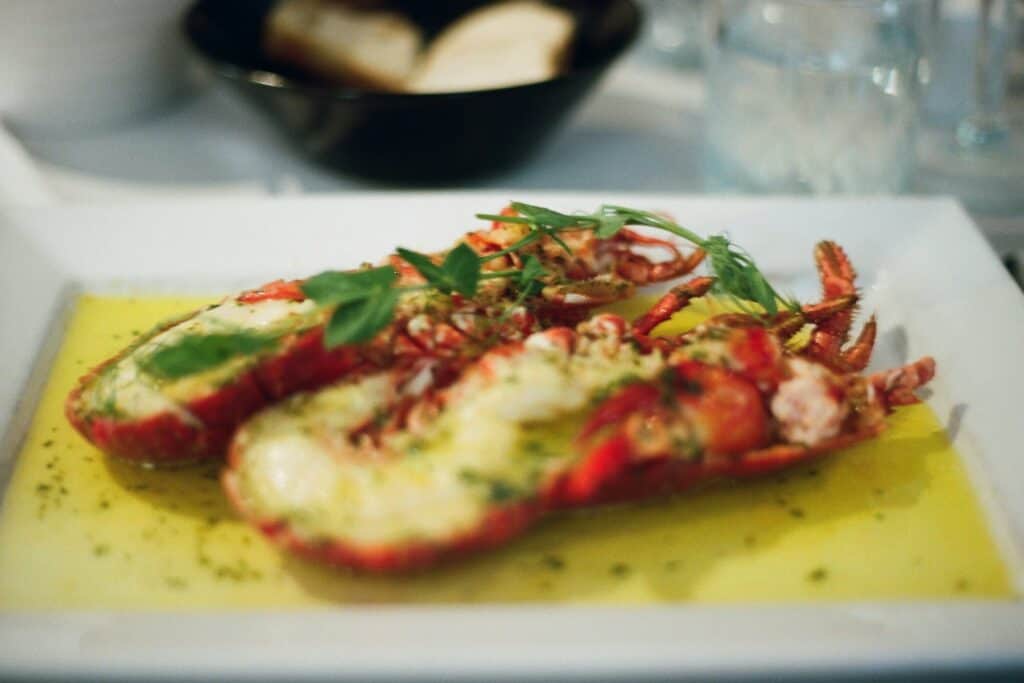
GoodFish links that rating to the catch of saucer scallops, which it calls a seriously overfished species. It also says there are no immediate concerns about the bug stock itself. Reforms to the fishery could improve the rating, so check the guide before you order.
This is a good moment to use the guide. Where a menu lists bugs, ask where they were caught. If the waiter cannot say, choose something else. GoodFish suggests Eastern Rocklobster from New South Wales and farmed redclaw crayfish from Queensland as better choices.
None of this means you should skip Queensland. It means you should eat with some attention. A long lunch at a Brisbane or Sunshine Coast restaurant is a fine way to taste what the north does best, and your question at the table is part of how the industry improves. Curious diners drive change in a way that rules alone cannot.
Barramundi from the tropical north
Barramundi is the fish most visitors name first. Its firm, white, buttery flesh suits almost every cooking method. It also carries a story. The State Library of Queensland traces the name to the Gangulu language of Central Queensland and the Dawson River. Ludwig Leichhardt recorded the word “burramundi” in the 1840s.
The name later spread to the Asian sea bass we now call barramundi. That fish ranges across the tropical north, from the Kimberley to Queensland.
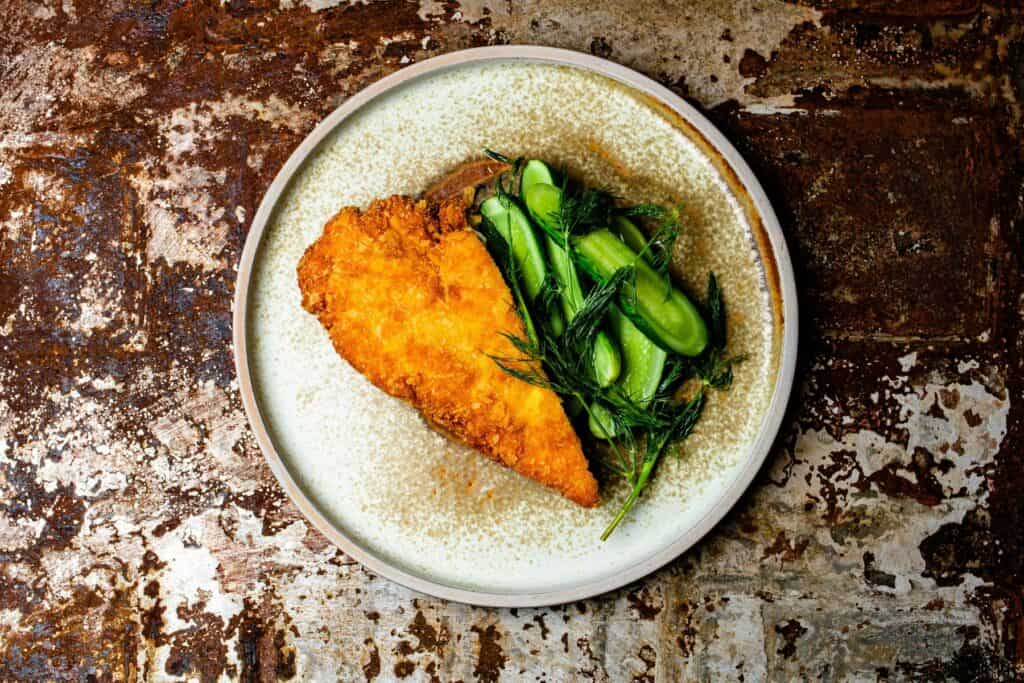
Wild fish is in season from February to November, and it peaks from February to May. Farmed barramundi is available year-round. The Northern Territory, Western Australia and Queensland are the key farming regions, with smaller farms in New South Wales and South Australia.
For the best dish, ask for the skin to be crisp. Then ask for something sharp beside it, such as green mango, lime or finger lime. Native flavors cut cleanly through the richness, which we explore in our guide to native Australian ingredients.
If you are heading to the Top End, choose a restaurant that names its farm. Choose the fish over the sauce. A simple preparation lets the quality of the flesh speak, and a good kitchen will know that.
Barramundi also suits the home cook after your trip. Buy a farmed fillet from a named Australian producer. Sear it skin-side down in a hot pan, and rest it for a minute. That is all it needs.
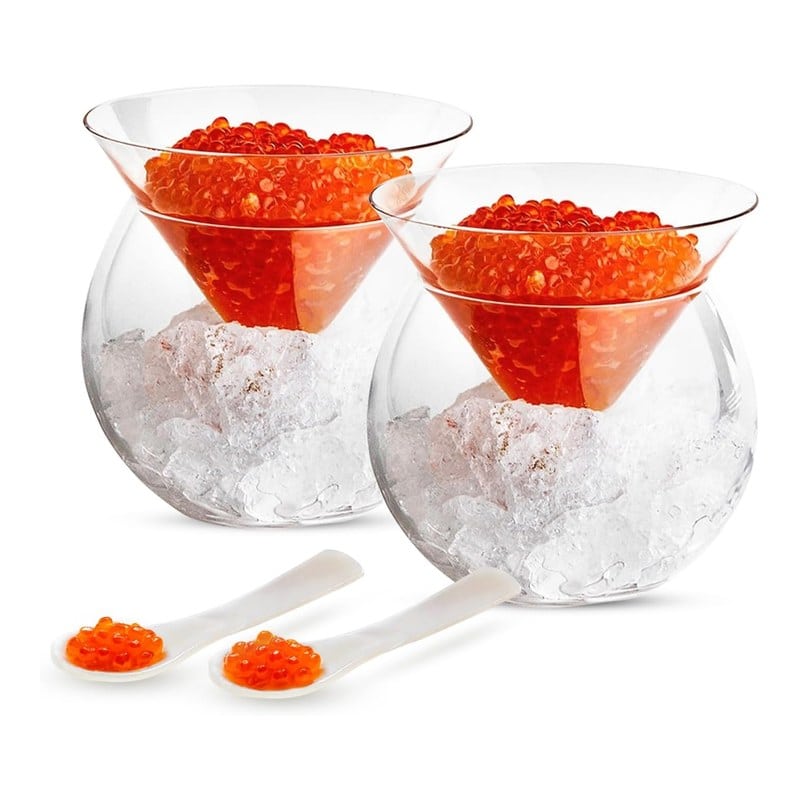
Glass chiller bowls for caviar, oysters or chilled prawns.

Fine crystal shaped for sparkling wine with oysters.
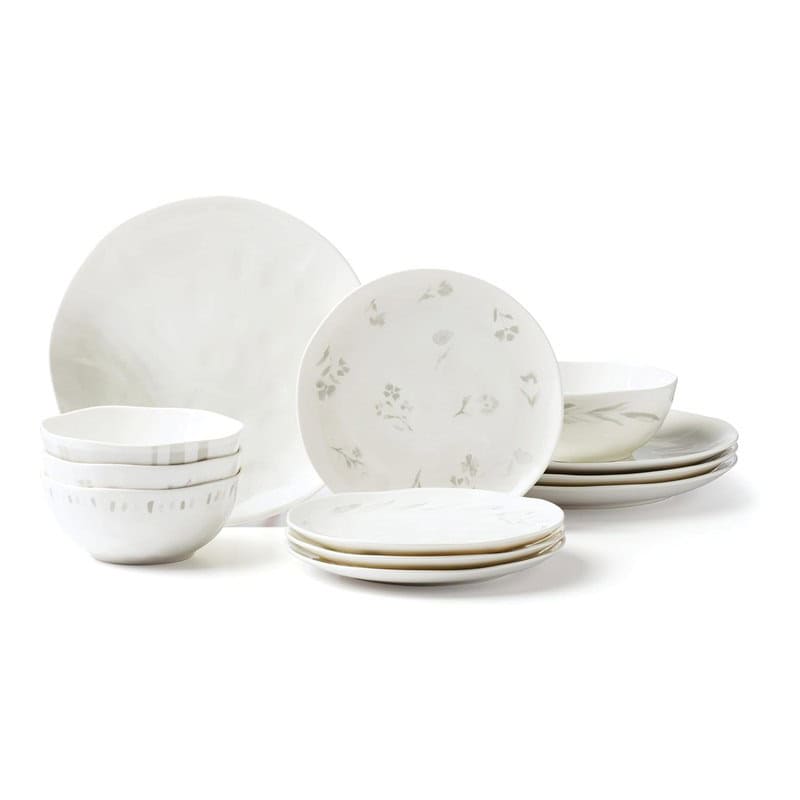
Shell-textured porcelain made for coastal entertaining.
Tasmanian salmon and abalone
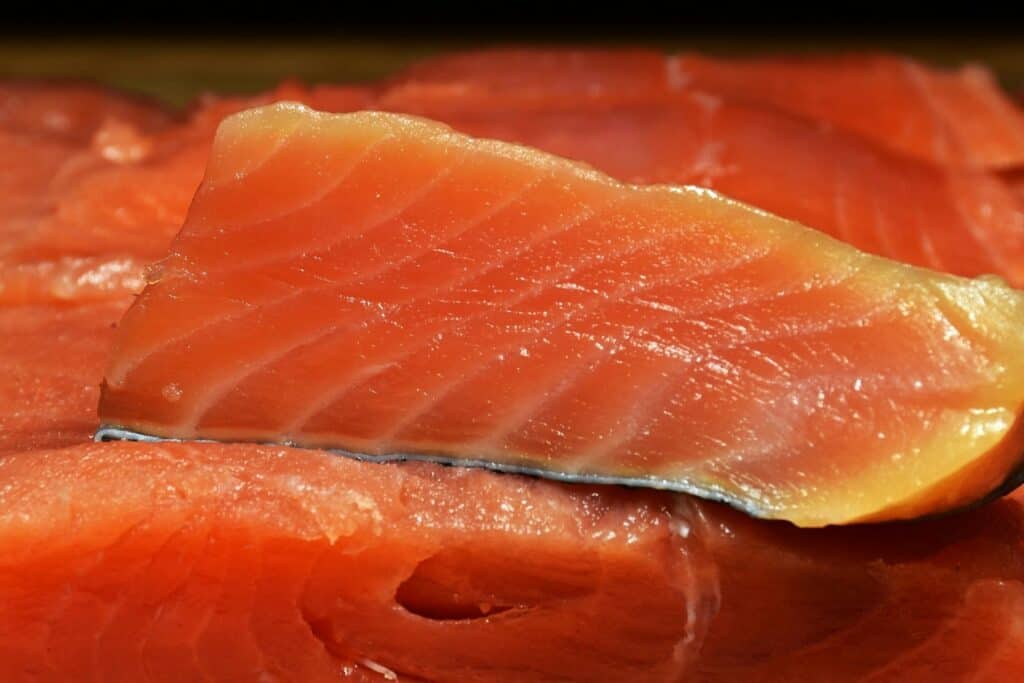
Tasmania has the cold, clean water that salmon and abalone need. The salmon industry is a modern success story. According to the Tasmanian government, farming of Atlantic salmon and ocean trout grew from a 56 tonne harvest in 1986-87 to more than 83,000 tonnes in 2020-21.
That growth has also drawn scrutiny, and rightly so. Environmental debate over farming in the state’s channels and harbors is active. If you want to buy salmon, look for the farm’s name and ask about its practices. The fish is farmed mainly in south-eastern Tasmania and is at its best from October to mid-March.
Abalone is the greater luxury. The Tasmanian Department of Natural Resources and Environment states that the state’s fishery is the largest wild abalone fishery in the world. It provides about 25% of the global wild harvest. The 2026 total allowable catch is 731,500 kilograms, down from 763,000 in 2025.
Most of that is blacklip abalone. Greenlip typically makes up around 5% of the wild harvest, so it is rarer and prized. Chefs cook it for seconds over high heat, or braise it for hours until tender. Sliced thin and served raw, it is also a clean, sweet-edged sashimi.
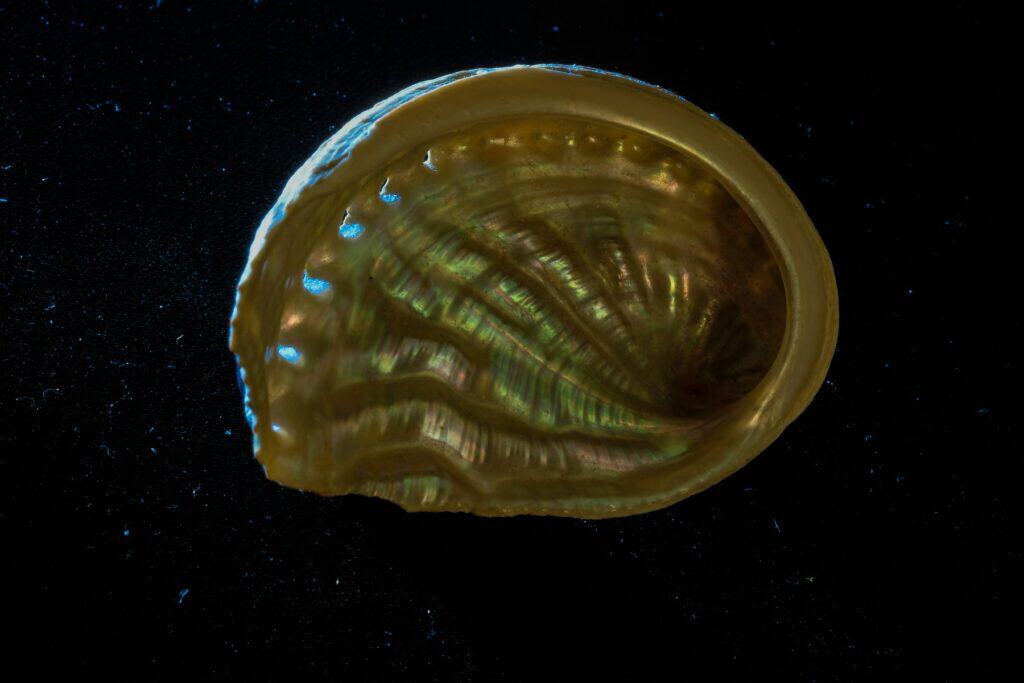
A wild abalone is a slow, careful catch. The fishery runs under a strict annual quota. That is why a plate of it costs what it does, and why it rewards patience at the table.
Tasmania also gives you one of the great oyster stops. Get Shucked sits on Bruny Island Main Road at Great Bay, beside its own oyster leases. Its oysters are harvested, shucked and plated daily, and walk-ins are welcome.
Pair the island with a Hobart stay. Then book a table at a restaurant that serves Tasmanian seafood with local cool-climate wine.
You may also like
Marron and yabbies from fresh water
Not all great Australian seafood comes from the sea. Marron is Western Australia’s own freshwater crayfish. According to the Western Australian government, it is not available elsewhere in Australia. It lives in dams and tree-lined rivers in the South West.
The recreational season is short. In 2025 it ran for four weeks, from 8 January to 5 February, and about 10,000 licences were issued. Dates change, so check the official guide before you plan a trip around it.
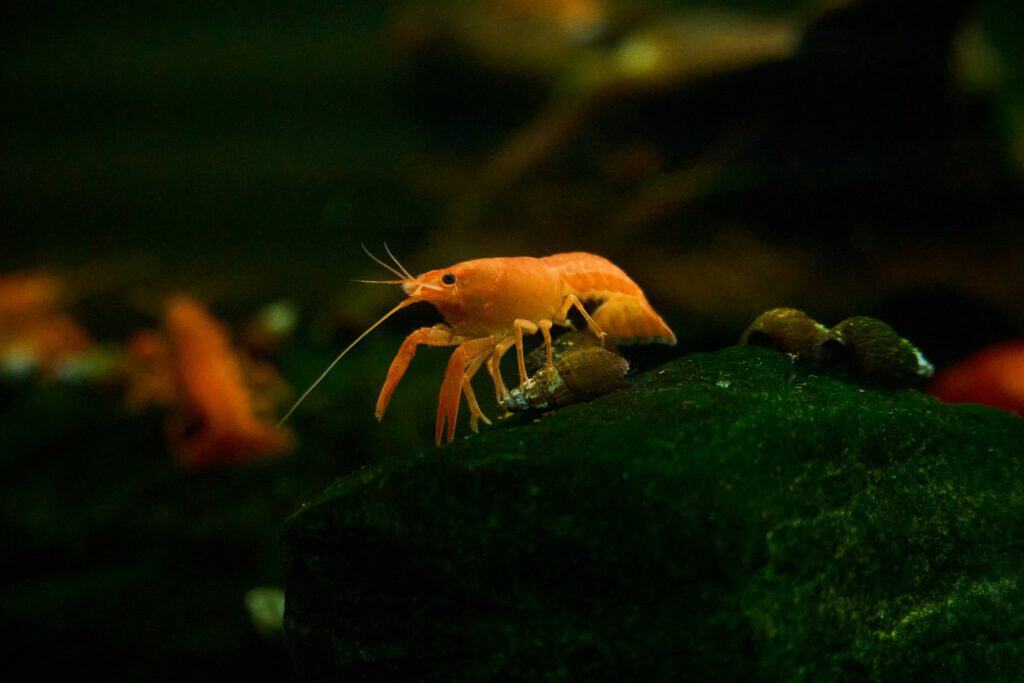
Farmed marron is easier to find. It is also grown on Kangaroo Island in South Australia. The flesh is sweet and delicate, with the claw meat sweetest of all. Look for it on South West menus in season, often simply poached with butter.
Yabbies are the marron’s smaller, scrappier cousin. They are native to Australia and live in dams, creeks and waterholes across the inland southeast. Farmed yabbies are available all year. Wild ones are mostly caught in New South Wales from October to March.
Cook yabbies lightly, because they keep cooking in their own heat. Butter, garlic, lemon and herbs are enough. If your trip takes you to the south-west coast, pair a marron lunch with a surf break. Our guide to Margaret River surfing shows how.
Where to eat and where to visit
A good seafood trip needs a few fixed points. In Sydney, the clear choice is Saint Peter in Paddington. Chef Josh Niland is a James Beard winner, according to Sydney.com, and his restaurant sits in the heritage-listed Grand National Hotel at 161 Underwood Street.
The menu uses lesser-known cuts and a scale-to-tail approach. It runs from seafood charcuterie to desserts. Above the dining room, the hotel has 14 boutique rooms, so you can stay the night.

On the South Coast, book a farm tour first and a long lunch second. The Region X kayak tour at Batemans Bay and the Mooney Mooney tour on the Hawkesbury both suit a morning slot. At Coffin Bay, book a wading tour in the morning, then lunch at 1802 Oyster Bar.
In Tasmania, build a day on Bruny Island around Get Shucked. Arrive before noon, because the kitchen closes in the afternoon. Hours can change, so check before you drive.
For markets, our guide to Australia’s best local food markets lists where to buy fresh fish. For a broader list of top tables, see Australia’s best restaurants.

Japanese tweezers for clean, bone-free fillets.
When to eat what, season by season
Seasons shape every menu. A little planning means you eat each species at its best.
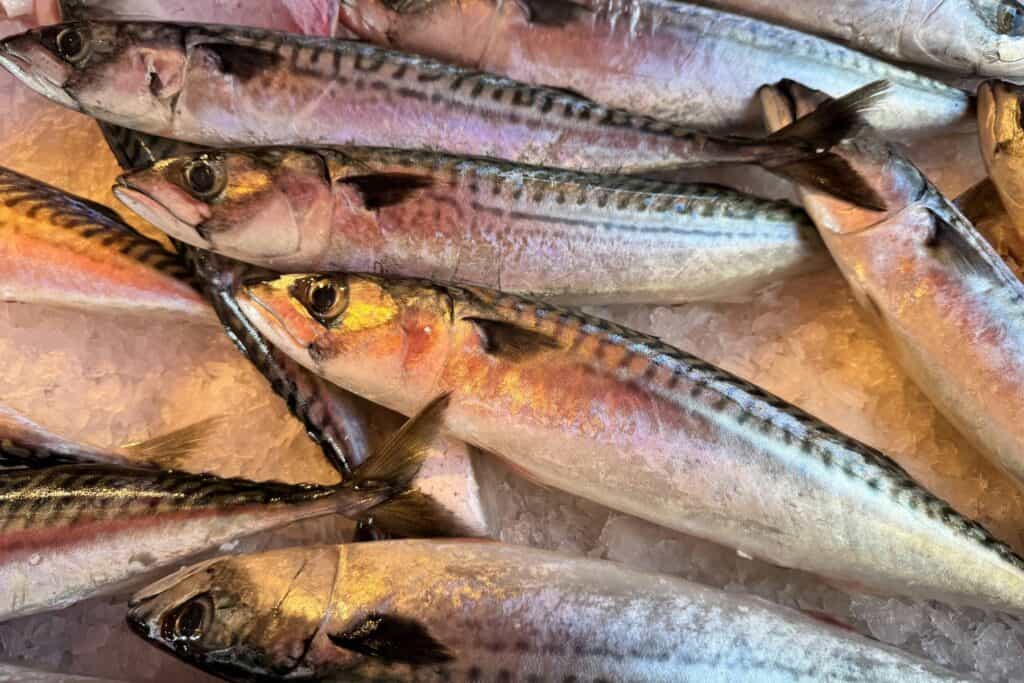
Rock oysters peak from September to March, while Pacific oysters peak from April to September. Salmon is best from October to mid-March.
Wild barramundi runs from February to November, and Moreton Bay bugs peak in autumn. Abalone is harvested wild all year, and farmed abalone mostly comes in summer. Marron and yabbies are mostly farmed, so you can eat them year-round, with wild seasons tightly regulated.
The table below summarizes it. Treat it as a guide, because weather and harvest closures can shift supply. Always ask the restaurant what is best that week.
| Seafood | Best months | Where to look |
|---|---|---|
| Sydney rock oyster | September to March | New South Wales South Coast, Hawkesbury River |
| Pacific oyster | April to September | Tasmania, South Australia, New South Wales |
| Atlantic salmon | October to mid-March | South-eastern Tasmania |
| Wild barramundi | February to May (open February to November) | Northern Territory, Kimberley, Queensland |
| Farmed barramundi | Year-round | Northern Territory, Western Australia, Queensland |
| Moreton Bay bug | Autumn peak, available year-round | Queensland coast |
| Wild abalone | Year-round | Tasmania, Victoria, New South Wales |
| Marron | Year-round farmed; short wild season in January | South West Western Australia |
| Yabby | Year-round farmed; wild October to March | Inland New South Wales, Victoria, South Australia |
Eating Australian seafood sustainably
Australians care deeply about the ocean. It is part of how the country sees itself, from the surf break to the reef. Caring about what lands on your plate is the same instinct.
The national picture is encouraging. The 2024 Status of Australian Fish Stocks reports, published at fish.gov.au, reviewed 155 species and 503 stocks. Of the 390 stocks that could be assessed, 85% were classed as sustainable or recovering.

Good news does not remove the need to choose well. The same report cannot cover every fishery or every farm. That is why the Australian Marine Conservation Society runs GoodFish, which rates species and methods so you can choose with confidence.
A few habits help. Ask where the fish was caught, and by what method. Prefer farmed species from named producers. Choose a variety of species rather than only the famous ones, as Chef Niland’s whole-fish cooking shows.
Oysters are a gentle choice by nature, because shellfish farms rely on clean water. That gives growers a strong reason to protect their estuaries. It is part of why many farms now run tours.
Ocean conservation also shapes how Australians eat. Surfers, divers and fishers are often the loudest voices for healthy reefs and estuaries. A visitor who eats well and asks good questions joins that conversation. It makes Australian seafood better for everyone who follows.
Planning your Australian seafood trip
The best Australian seafood trip is a short chain of coastal stops. Pick one region and go deep. Or link three over a week or two.

For a first visit, fly into Sydney and drive the South Coast for two nights. Then fly to Adelaide and Port Lincoln for Coffin Bay. Finish in Hobart with a day on Bruny Island. Add Western Australia in January if marron season suits you.
Book the farm tours early, because they run in small groups. Ask each restaurant for its catch of the day. Then let the table lead you.
Pack light and dress for the water. A pair of sandals, a light jacket and a hat will carry you through most of these days. Keep an evening free for each region, so the trip leaves room for the long lunch that always runs into the afternoon. Australian seafood rewards a slow itinerary far more than a full one.
For the wider story, return to our guide to Australian food. For another taste of the coast, read about modern Australian cuisine.
Take our short quiz and find the city, coast and table that suit you best.
Take the quizQuestions worth asking
What is the best seafood in Australia?
It depends on the coast. Sydney rock oysters and Coffin Bay oysters lead for shellfish, Tasmanian abalone for luxury, and barramundi for fish. Eat each in its region and season for the best result.
What is popular seafood in Australia?
Oysters, prawns, barramundi, salmon, Moreton Bay bugs and mud crab are among the most loved. Fish and chips on a harbor wall remains a national ritual. At a higher level, abalone and marron are the prized ingredients.
What is an Australian seafood delicacy?
Abalone is the standout. Tasmania runs the largest wild abalone fishery in the world. Moreton Bay bugs and marron are also seen as delicacies, though each is best bought with some care about sourcing.
What are the best Australian seafood dishes?
Oysters natural or with shallot vinegar, grilled barramundi with crisp skin, butter-poached marron and lightly seared kingfish are all worth seeking out. Seared abalone with a little butter is a classic of the south.
When is the best time to eat seafood in Australia?
Rock oysters are fullest from September to March, and salmon peaks from October to mid-March. Barramundi peaks from February to May. The table above lists each species by month.
Is Australian seafood sustainable?
Mostly, yes. The 2024 national report found that 85% of assessed stocks were sustainable or recovering. Some species still need care, so use the GoodFish guide when you order.