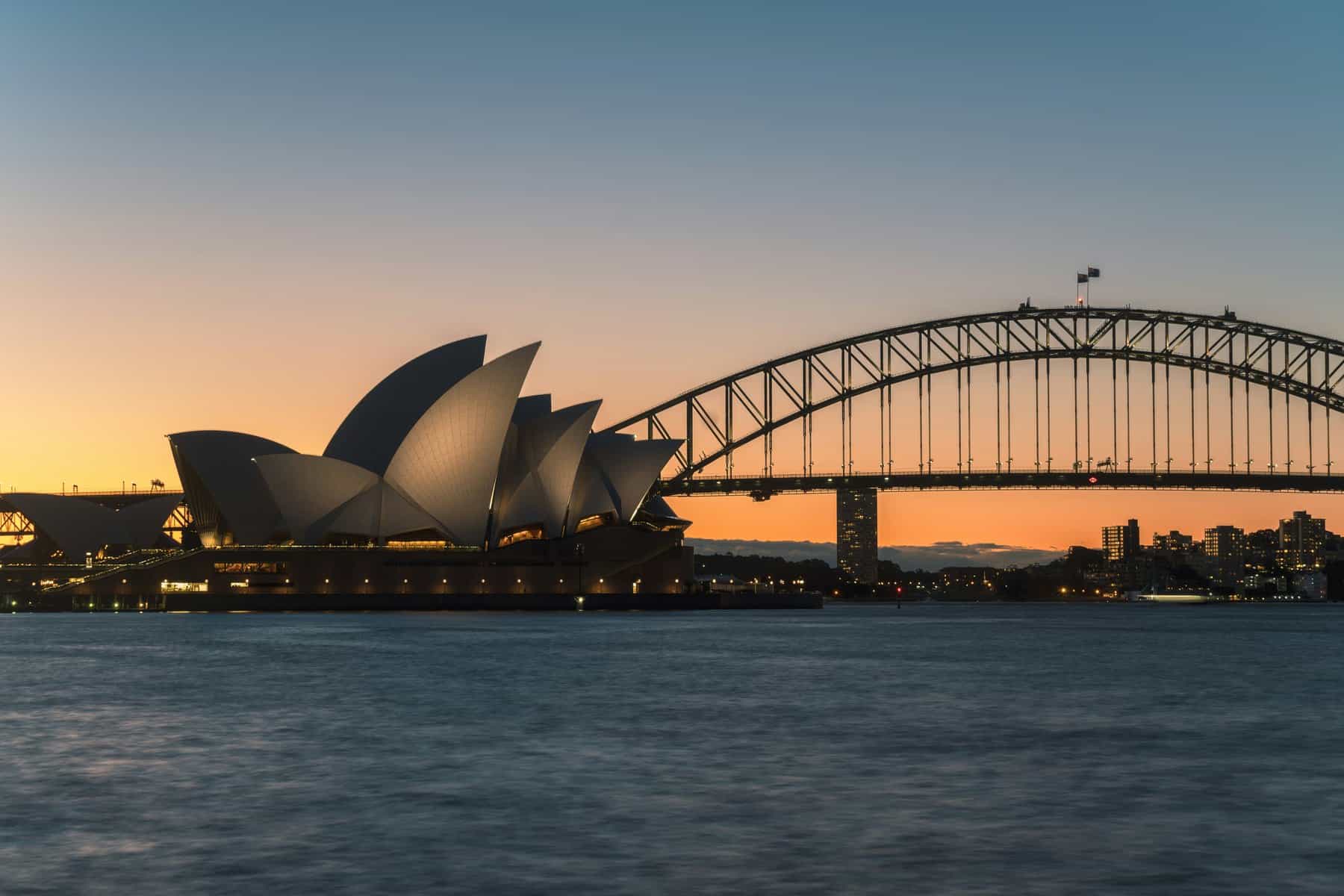
Modern Australian cuisine is a style of cooking that blends the country’s migrant food traditions with exceptional local produce and, increasingly, native ingredients. It took shape in the 1980s and 1990s, when chefs left the British meat and three veg model behind. Today modern Australian cuisine is produce-led, seasonal and unmistakably of its place.
What modern Australian cuisine really means
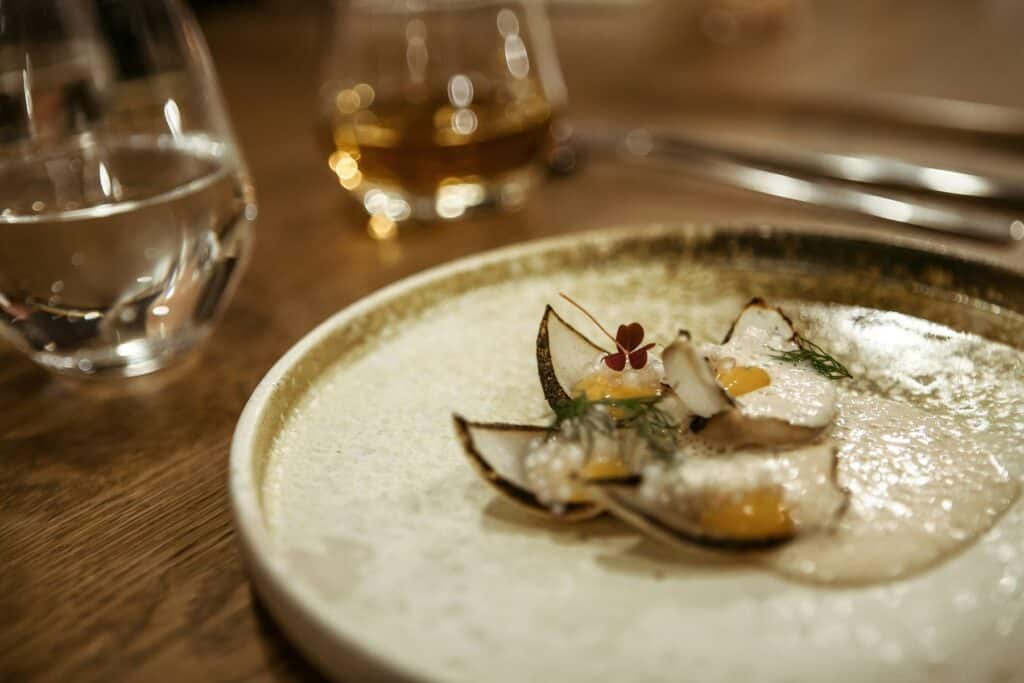
Modern Australian cuisine is easier to taste than to define. It is a way of cooking that starts with the best local ingredient and borrows technique from anywhere on earth. A single menu might pair Japanese restraint, French sauce work and a native finger lime. That openness is the point.
Chefs here do not cook from a rulebook. They cook from a pantry that stretches from tropical Queensland to cool Tasmania, and from a population that arrived from almost everywhere. The result tastes generous, bright and confident. It also tastes distinctly like the place it came from.
This guide follows the story from the postwar dinner table to the world’s best dining rooms. It sits inside our larger look at how Australian food became one of the world’s great cuisines. Knowing the history changes how a meal tastes. Once you understand why a dish exists, a tasting menu in Melbourne or a lunch in the Barossa reads like a story rather than a list.
Meat and three veg, the postwar table
For much of the twentieth century, the Anglo-Australian dinner followed a script. A cut of meat sat beside three vegetables, with gravy poured over all of it. Sunday meant roast lamb. Weeknights meant chops, boiled potato and peas.
The picture is not the whole truth. Food historian Andrew Junor argues that Australian cooking before the 1950s was not limited to meat and three veg. A wave of Italian migration in the 1920s had also introduced some Australians to Mediterranean food. Still, the roast remained the national default, and the pantry was largely British.
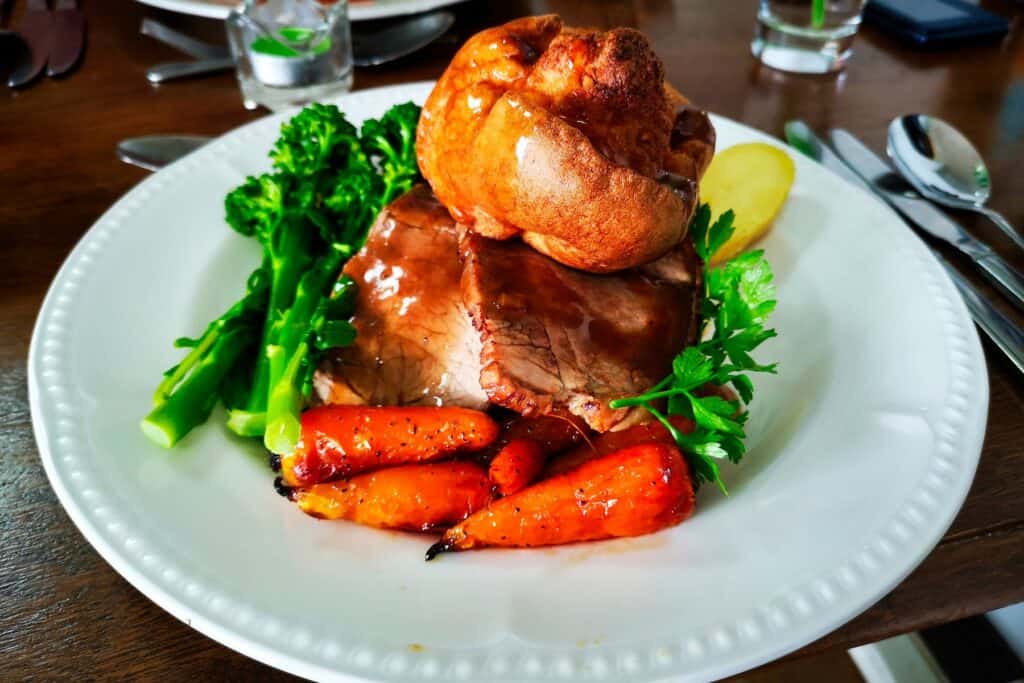
That default is worth respecting. Good lamb, a proper pie and a well-made roast remain part of the culture, and the best chefs in the country still cook them with pride. Our guide to the Australian meat pie shows how a humble classic earns its place at a refined table. The story of modern Australian cuisine is not a rejection of that past. It is a long, delicious expansion of it.
Consider what a Sunday looked like. The family gathered, the oven ran for hours and the whole house smelled of rosemary and roast fat. It was a ritual of care, and it taught Australians that a shared meal is worth the effort. That instinct survived every later change in the cuisine.
Why the roast mattered
Meat was cheap, farming was strong and the climate favored sheep and cattle. The roast made sense. What the postwar table lacked was variety, and variety was about to arrive by ship.
STRAAYA may earn a commission when you buy through these links, at no extra cost to you.
Melbourne’s master of Middle Eastern flavor on his roots.
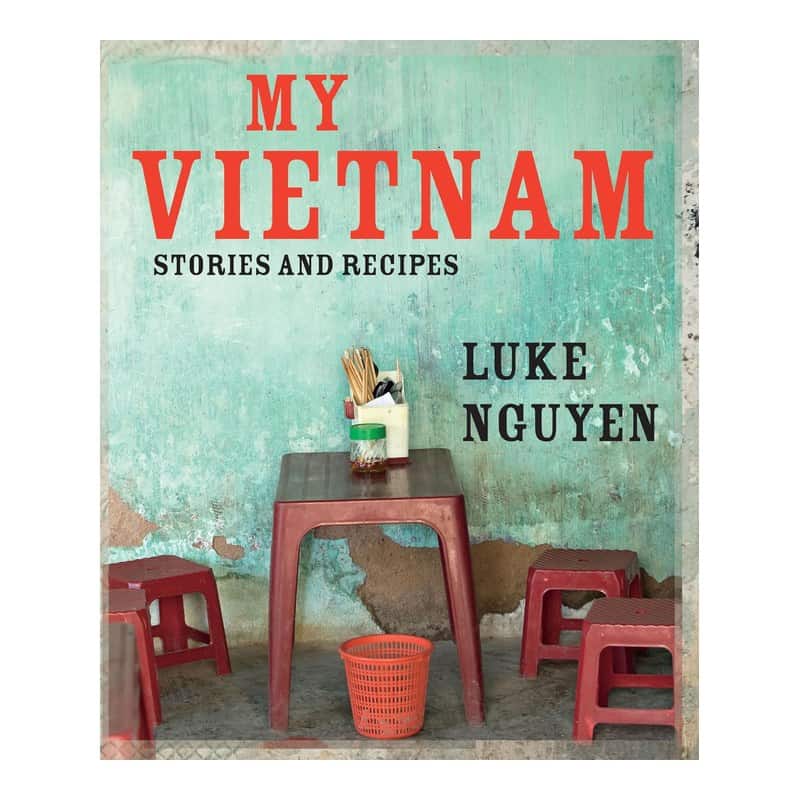
The Sydney chef’s love letter to Vietnamese home cooking.
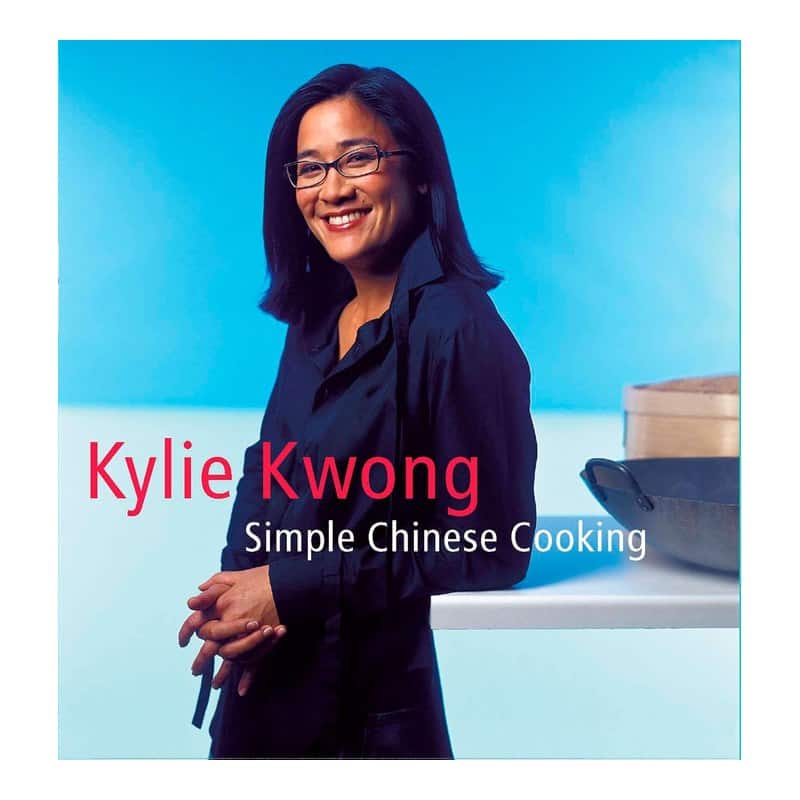
How migration rewrote the menu
The shift began with a government decision. After the Second World War, Australia believed it needed to grow, and fast. The National Museum of Australia records the thinking in blunt terms: there was an urgent need to “populate or perish”. It also notes that between 1945 and 1965 two million immigrants arrived in Australia.
Many came from Greece, Italy and across Europe, and they brought their kitchens with them. Migrants hunted for olive oil, good cheese, garlic and espresso beans in a country that barely stocked them. Then they opened delis, cafes and restaurants of their own. Slowly, a suburb at a time, the average Australian palate changed.
The pace of that change is easy to underestimate. A family that once ate chops and peas on Tuesday might now share a plate of pasta at a neighbor’s table. A child who grew up on boiled vegetables discovered grilled eggplant and fresh bread. These small moments shaped a generation of cooks and diners.
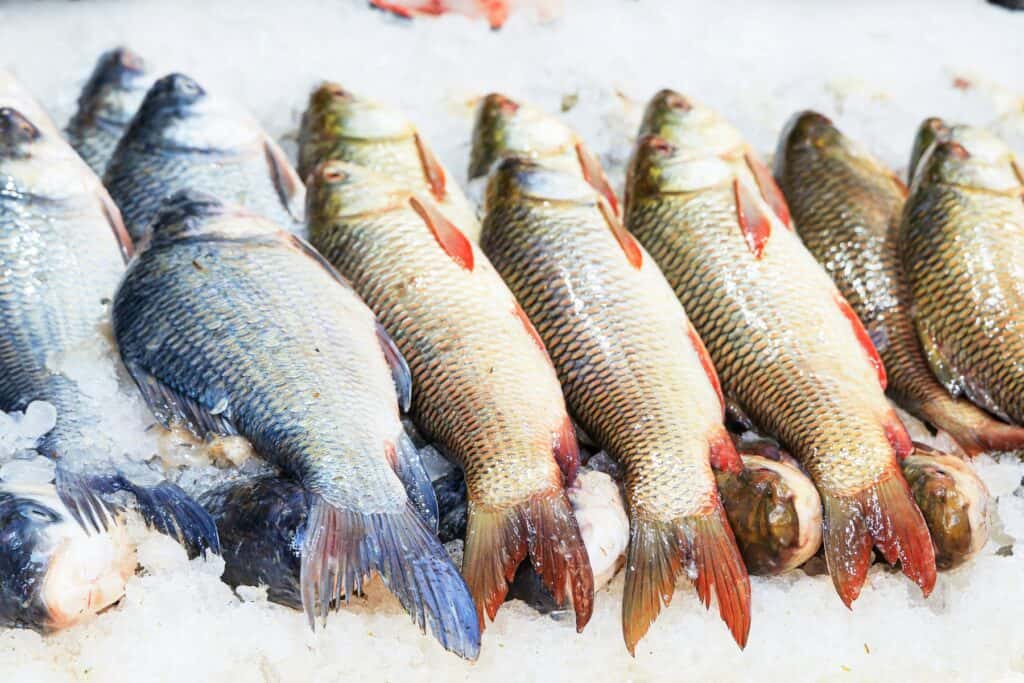
The effect is still visible in the numbers. The Australian Bureau of Statistics reports that at 30 June 2025, Australia’s population included 8.8 million people who were born overseas. That is 32.0 percent of the country. Few places on earth have so many kitchens living side by side, and that is the raw material of modern Australian cuisine.
The doors that opened in the 1970s
The second great wave came after the rules changed. In 1966, the Holt government changed migration law so that migrants were chosen for their skills rather than their race or origin. The National Museum of Australia calls this “the most important step toward abolishing the White Australia policy”. Then, in 1973, the Whitlam government established a policy of multiculturalism.
For the table, the consequences were enormous. Cooks from across Asia and the Middle East began to settle in Sydney and Melbourne. They opened restaurants, ran market stalls and taught neighbors how to use lemongrass, fish sauce and fresh herbs. What had been exotic became everyday.
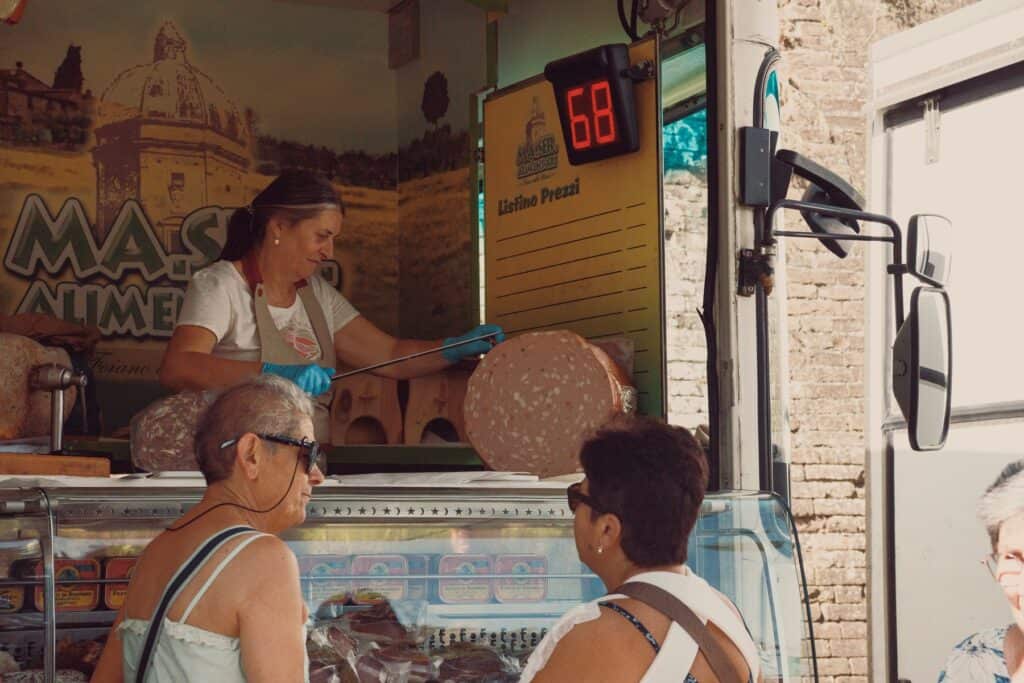
This is the moment the future chefs of modern Australian cuisine were growing up. They ate a Greek lunch at school, a Chinese banquet on weekends and a roast on Sunday. They learned that flavor had no single home. That upbringing explains why the cooking that followed felt so natural, and so unforced.
A table shaped by Asia
Geography mattered as much as people. Australia sits close to Asia, and its chefs have long cooked with that neighbor in mind. Fresh chili, ginger, soy and lime were never foreign to a Sydney kitchen. They were simply nearby.
You may also like

The birth of Mod Oz in the 1980s and 1990s
By the 1980s, a new generation of chefs was ready to cook differently. Many had trained in France or Britain, and they came home with sharp technique. They found extraordinary produce in their own backyard and a dining public hungry for something new. What emerged was soon nicknamed Mod Oz.
The label was never precise. Yet it captured a real change. Menus stopped copying Europe and started describing Australia. Local seafood, native herbs and migrant flavors appeared beside French sauces and Japanese technique.

The movement did not arrive in a single moment. It grew across kitchens in Sydney, Melbourne and Adelaide through the 1970s, 1980s and 1990s. Some chefs cooked in tiny dining rooms. Others opened glamorous harbor-side restaurants. All of them were asking the same question: what does Australian food taste like?
Modern Australian cuisine, in other words, is a conversation rather than a recipe. Each chef answers it differently. That is why the best tables still feel personal, even after four decades.
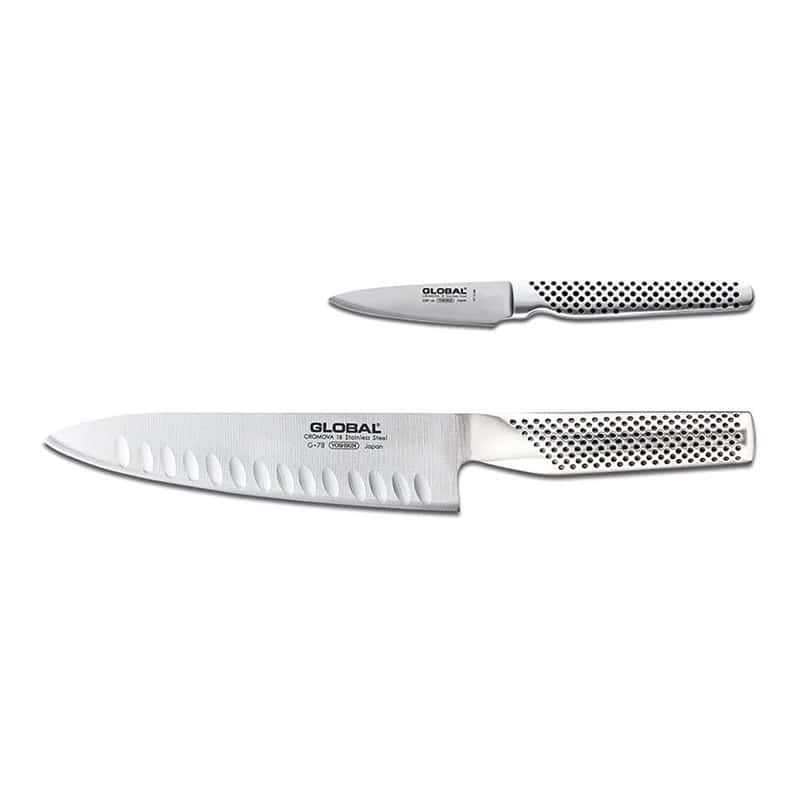
The Japanese steel found in countless Australian kitchens.


Char lines on lamb and vegetables, indoors.
The chefs who defined it
Several names stand at the center of this story. The first is Cheong Liew, who made his name in Adelaide. In the 1970s he opened Neddy’s, a restaurant where he bought fresh ingredients at the market and wrote the menu on a blackboard. In an interview with the ACH Group, he recalls that when he first came to South Australia the popular restaurant was the pizza shop. Liew changed that expectation. His East-meets-West cooking, shaped in a city we explore in our Adelaide food and wine guide, became a template for what followed.
The second is Neil Perry. He opened Rockpool in Sydney in 1989, and the National Portrait Gallery notes that the restaurant later earned 66 hats from the Good Food Guide before it closed in 2016. Perry has described how his generation was “really influenced by that whole Asian explosion of flavours”. His menus drew on Chinese, Thai, Japanese and Korean flavors, set beside superb local seafood.
Perry and the produce
Perry also credits his childhood, when his family grew fruit and vegetables and his father cooked and fished. He says his career of being obsessed with produce was set up without his realizing it. That idea runs through the whole movement. Great Australian cooking begins in the paddock, the garden and the sea.
Other cooks followed with their own voices. Peter Gilmore joined Quay in Sydney in 2001 and built a cuisine around nature and respect for Australian growers. Ben Shewry at Attica in Melbourne turned to native ingredients. Dan Hunter at Brae built a restaurant around a working farm. Each belongs to the lineage that Liew and Perry began.
Their legacy reaches well beyond a single dining room. Many of today’s most celebrated cooks trained under them, then opened places of their own. Perry has said he hopes the cooks who passed through his kitchens learned that suppliers are pivotal to making great restaurants. That lesson spread through the whole industry.
Why these names matter to a traveler
You cannot eat at every restaurant on this list, and several have closed. You can, however, taste their influence anywhere good food is served. A Sydney bistro that uses fresh herbs, a Melbourne dining room that lists its growers and an Adelaide chef who cooks with an Asian hand all trace back here.
Produce first and the farm to table shift
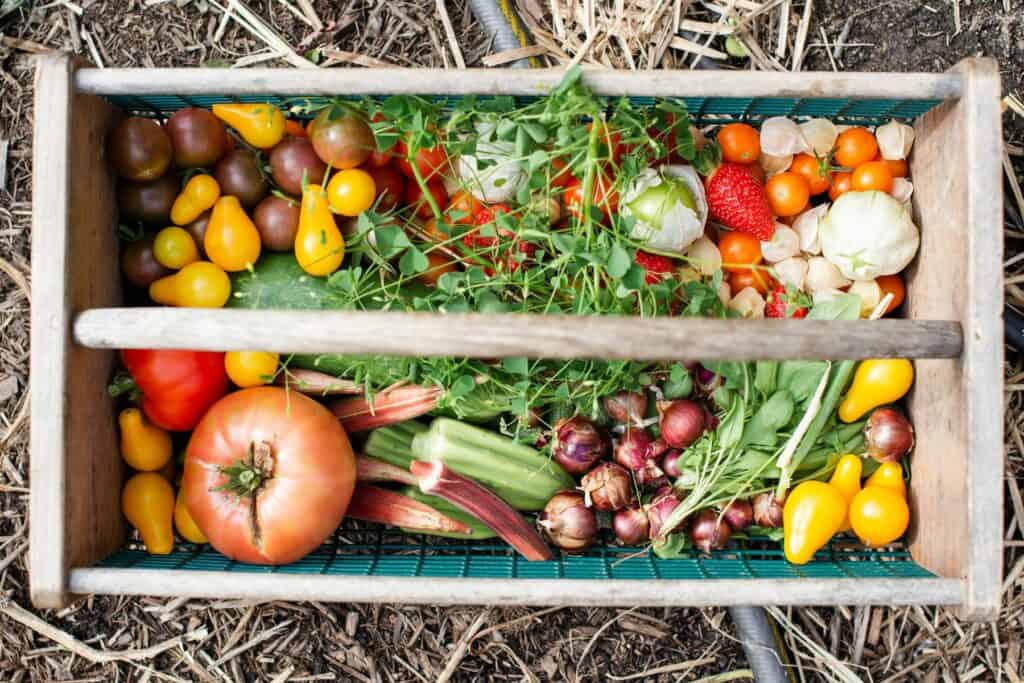
If one idea defines modern Australian cuisine, it is that the ingredient leads. The best chefs here do not hide produce under sauce. They find the finest farmer, fisher or forager and then step back. A tomato, a scallop or a lamb loin is allowed to taste of itself.
The shift to farm to table cooking made this literal. Chefs began to visit farms, then to buy farms, then to build restaurants on them. The seasonal menu stopped being a marketing idea and became a daily discipline. If the beans were not ready, they were not served.
Few places show this better than Brae, near Birregurra in Victoria’s Otways. Visit Victoria describes a restaurant set within native gardens on a productive 20-acre organic farm, where chef and co-owner Dan Hunter creates a seasonal multi-course menu grounded in locality. The same page reports that ninety percent of the plants served are grown organically onsite. Guest suites mean you can stay on the farm and wake up to the same landscape you ate.
In Tasmania, The Agrarian Kitchen pushes the idea further. Tourism Australia calls it “more than a restaurant”, because it is also a garden and a school. Guests learn how food is grown, fermented and cooked over wood. For travelers, that is a rare chance to see the whole chain, from soil to plate.
Fire, restraint and the new kitchen
Not every great modern Australian cuisine restaurant relies on a garden. Some build their identity on a method. At Firedoor in Sydney, Tourism Australia notes, the kitchen runs without gas or electricity. Chef Lennox Hastie cooks everything over wood and fire.
The result is food that tastes smoky, direct and quietly sophisticated. A piece of fish or a leek is cooked over embers and served with little more than salt. It looks simple. It takes a lifetime of skill.

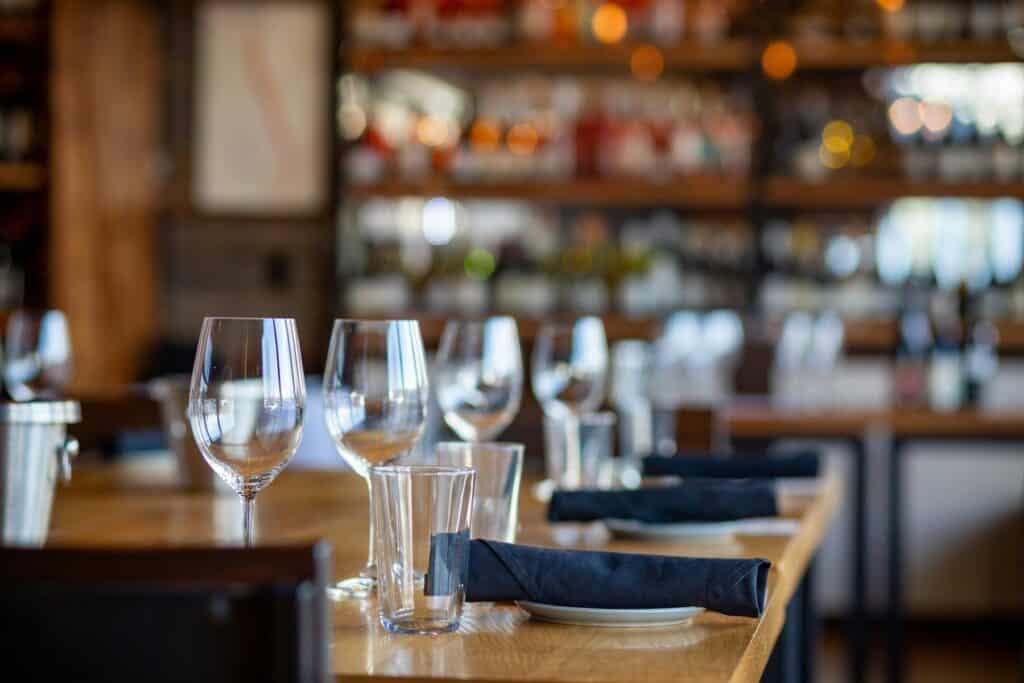
This restraint is another hallmark of the movement. Early Mod Oz could be busy, with many ingredients on every plate. Today’s cooking is edited. Chefs remove, simplify and let two or three flavors speak. The luxury is in the confidence.
When you book, ask whether the restaurant has a chef’s counter. Sitting near the pass lets you watch that discipline at work. It is also the best seat for questions, and most chefs enjoy answering them.
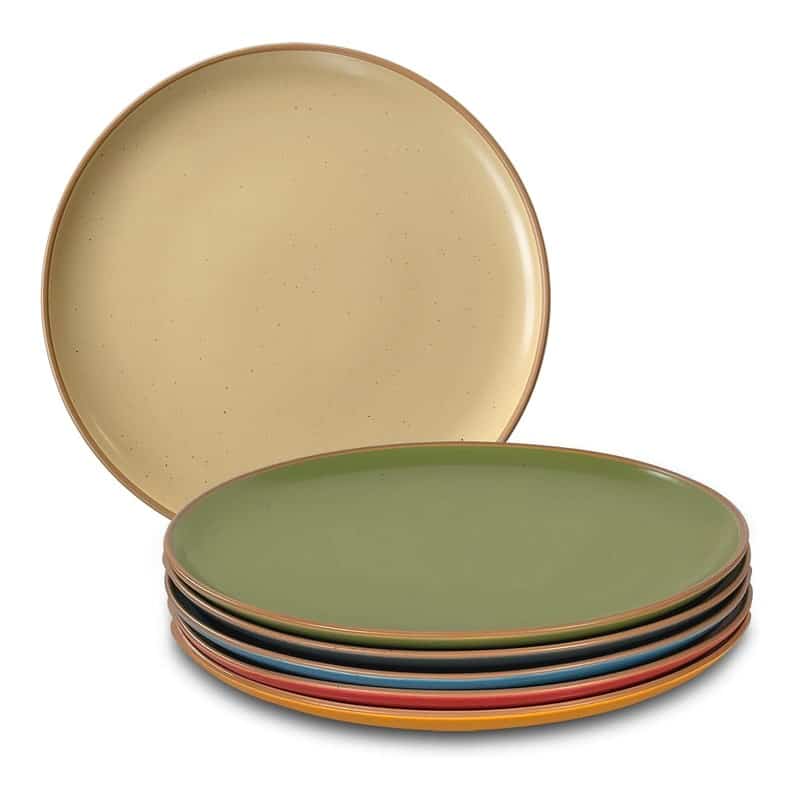
Matte stoneware in earthy colors that lets bright produce shine.

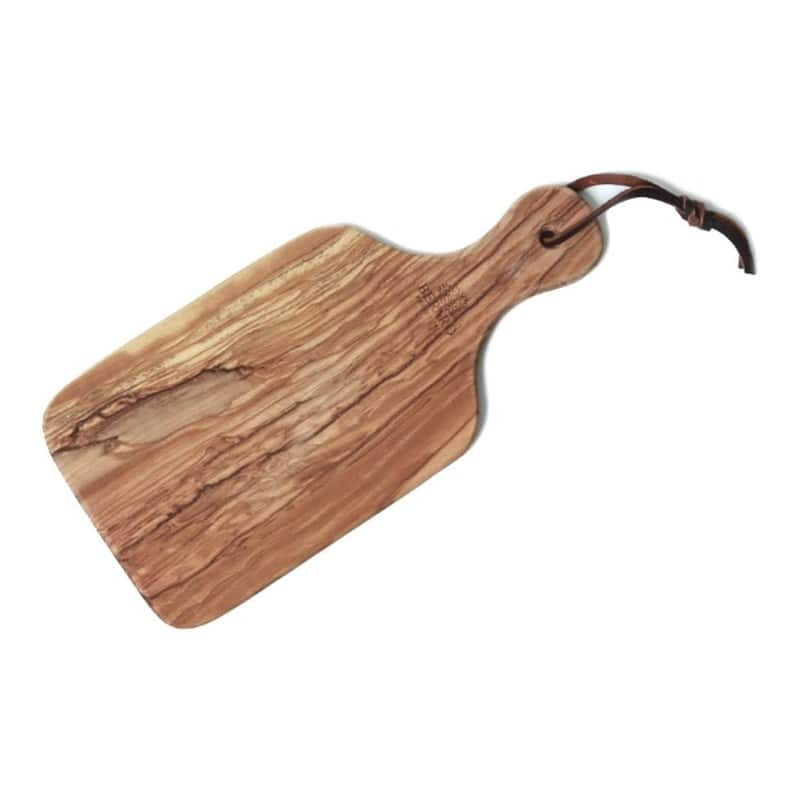
Native ingredients and a deeper story
The newest chapter looks back to the oldest foods on the continent. Aboriginal and Torres Strait Islander peoples have cooked with native plants and animals for tens of thousands of years. For a long time, restaurants ignored that knowledge. Now many chefs treat it as the foundation of an Australian cuisine.
At Attica, Tourism Australia says, chef Ben Shewry has built a degustation-only menu to hero native ingredients. In Perth, Wildflower follows the local Noongar calendar. Tourism Australia notes that head chef Paul Wilson works with sandalwood nuts, finger lime, wattle seed and strawberry gum. In Adelaide, Restaurant Botanic serves marron, green ants and bunya branches inside the Adelaide Botanic Garden.
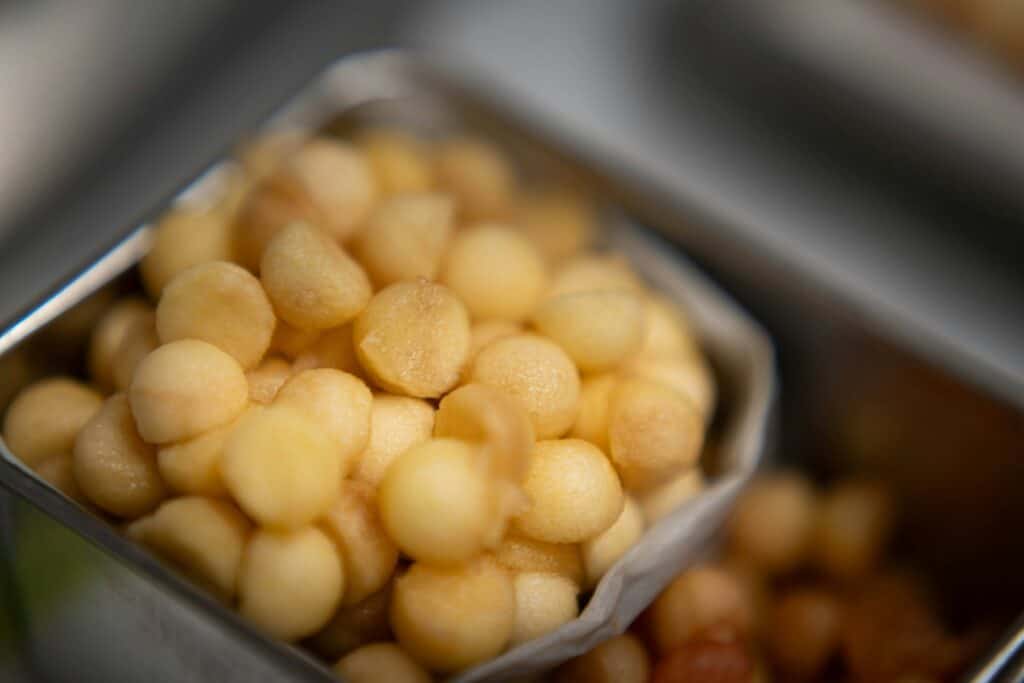
These flavors are new to most visitors, and they reward curiosity. Finger lime pops like citrus caviar. Wattle seed tastes of roasted coffee and hazelnut. Saltbush brings a gentle, savory salinity. We explore each in depth in our guide to native Australian ingredients.
The best chefs approach this food with humility. They work with Aboriginal growers, give credit and pay fairly. That respect is part of the story, not a footnote. As a guest, you taste the food and you also support a more honest cuisine.

Where it is going now
The future of modern Australian cuisine is more local, more plant-led and more Asian than ever. Chefs are cooking with what grows within a short drive. They are using fire, ferments and preserves to stretch the seasons. They are also looking harder at waste and the oceans.
Change brings loss as well. Sydney’s Quay, one of the most influential restaurants of the past quarter century, served its final dinner on 14 February 2026. Destination NSW records that it held three hats in the Good Food Guide for 23 consecutive years under Peter Gilmore. Its closing feels like the end of an era. Yet the ideas it championed now live in a new generation of dining rooms.

Those rooms are increasingly diverse. Vietnamese, Korean, Lebanese and Cantonese cooks are leading some of the most exciting kitchens in the country. If you want the full picture, read our guide to Australian fusion food. It follows the thread from the first migrant restaurants to the tables defining 2026.
Sustainability now sits at the center of the conversation. Chefs speak openly about reef health, soil and the fisheries that feed them. Our guide to Australian seafood worth traveling for shows how the ocean has become part of the story. For Australians, caring for land and sea is part of the culture, and it now reaches the plate.
Meanwhile, the audience has changed. International diners now plan trips around a single reservation. Regional Australia, from the Great Ocean Road to the Tasmanian midlands, has become a destination for food. The next chapter of modern Australian cuisine may be written far from the capital cities.
You may also like


How to eat modern Australian cuisine well
Start with the question of time. A tasting menu at a top restaurant takes three hours or more, so plan nothing else that evening. Book well ahead, since the most sought-after tables fill months in advance. Many restaurants release dates at set times, so check their sites.
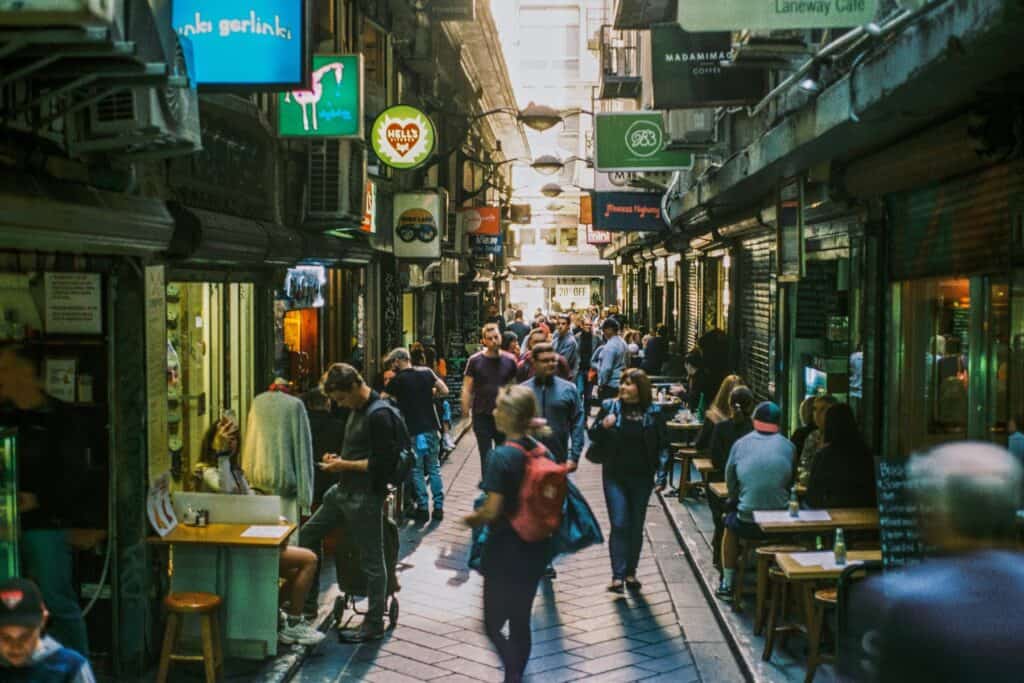
Choose by region as well as by name. Sydney offers harbor views and polished service. Melbourne offers laneway rooms and deep wine lists. Adelaide and the Barossa pair beautiful produce with some of the country’s best wine, as our wine tasting guide explains.
Then add contrast. After a night of elaborate cooking, eat simply the next day. Visit a market, as described in our guide to the best local food markets in Australia. Taste the produce raw before you meet it on a plate. The comparison sharpens your palate.
Finally, ask questions. Where did the fish come from? Which farm grew these leaves? Staff at the best restaurants know, and they like to tell you. That conversation is part of the meal, and it is why understanding the cuisine makes every dinner taste better.
A timeline of the cuisine
The table below gathers the main turning points in one place. Use it as a quick reference before you plan which restaurants to visit.
| Period | What changed | Where to taste the legacy |
|---|---|---|
| 1945 to 1965 | Two million immigrants arrive and bring new foods | Italian and Greek delis in Melbourne and Sydney |
| 1966 to 1973 | Migration rules open and multiculturalism begins | Vietnamese, Lebanese and Chinese restaurants |
| 1970s | Cheong Liew opens Neddy’s in Adelaide | Adelaide’s East-meets-West tables |
| 1980s | Chefs trained abroad begin cooking with local produce | Harbor-side fine dining in Sydney |
| 1989 | Rockpool opens in Sydney | Sydney’s seafood-led restaurants |
| 2000s | Gilmore and others build nature-led menus | Sydney fine dining |
| 2010s | Farm restaurants rise across Victoria and Tasmania | Brae and The Agrarian Kitchen |
| 2020s | Native ingredients move to the center of the menu | Attica, Wildflower and Restaurant Botanic |
| 2026 | Quay closes and a new generation takes over | Emerging chef-owned rooms |
Fish, fire and the Australian coast
The coast shaped modern Australian cuisine as much as migration did. Perry’s early Blue Water Grill opened at Ben Buckler Point in Bondi in 1987. He described it as “surf, sand and sauvignon blanc.” The idea was simple: serve superb seafood in a relaxed, sun-filled room.
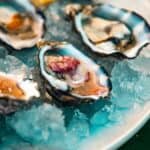
That spirit still defines the best seaside dining. Oysters, prawns and whole fish are cooked with restraint and served with a view. The line between a casual beach lunch and a refined meal is thin. Australians cross it easily.
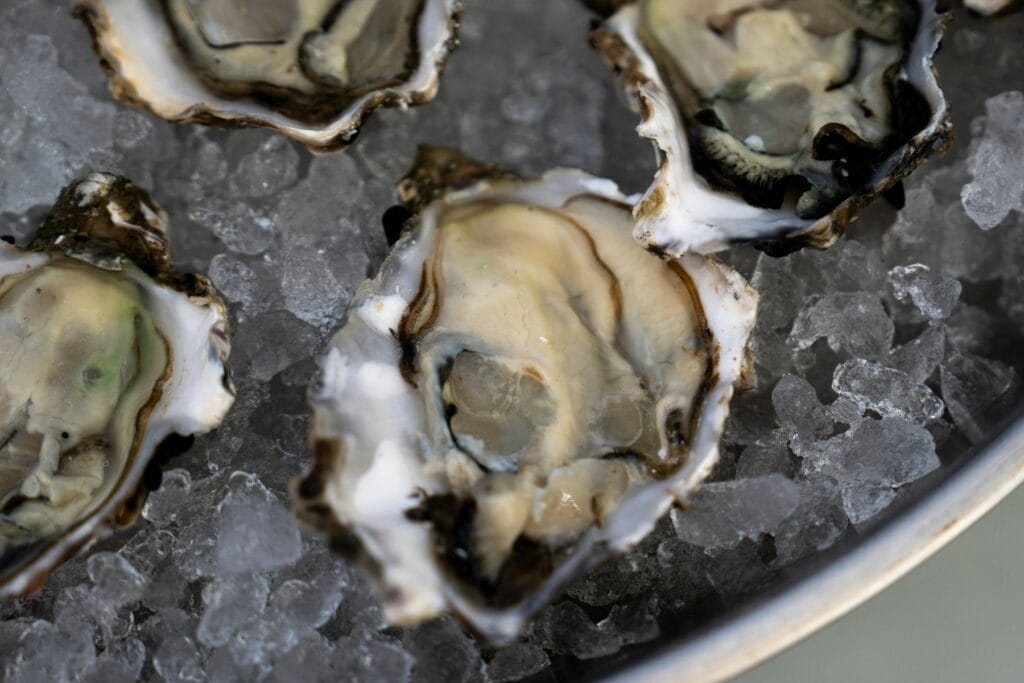
If seafood is your focus, read our seafood guide. It covers the oyster farms and fish restaurants that sit at the heart of the cuisine. A lunch at the water’s edge teaches more about Australian cooking than any lecture.
The same lens applies to lamb and beef. Our guide to Australian lamb shows how the old roast has become a symbol of quality produce. The meat that once defined the dull dinner now anchors some of the best plates in the country.
Surf, sun and a relaxed table
Our surf coverage shows another side of the culture. Along the coast, the beach and the table are close neighbors. Read about Australian surf culture to see how the lifestyle that shaped Mod Oz also shapes a day on the sand.
Coffee, wine and the supporting cast
No account of the cuisine is complete without coffee and wine. Postwar Italian and Greek migrants brought espresso machines, and the cafe culture that followed is now a national passion. Our guide to coffee in Australia tells that story and recommends where to drink it.
Wine grew in parallel. The same chefs who sought local produce also championed local winemakers. A modern Australian list now mixes Margaret River chardonnay, Barossa shiraz and Tasmanian sparkling. The pairing of food and wine here is among the finest in the world.
Together, these pieces form a complete experience. A morning flat white, a market lunch and a tasting menu with matched wines can fill a single day. It is a rhythm worth building into any itinerary.

Planning your own tasting of Australia
You now have the map. Begin with one great dinner in each city you visit, and add a farm or market day between them. Mix a landmark restaurant with a smaller chef-owned room. Leave space for a pie, a pavlova or a beachside oyster as well. Those humble pleasures belong to the same story, and the best versions in the country are worth a detour.

Choose restaurants that tell you something about where you are. A native-ingredient menu in Perth, a farm lunch in Victoria and a fire-cooked dinner in Sydney give three different views of the same cuisine. Together they show how far the food has come.
Start with the Australian food hub for the full picture. Then see our list of the best restaurants in Australia when you are ready to book. Modern Australian cuisine rewards the traveler who arrives hungry and curious.
Take our short quiz and find the city, coast and table that suit you best.
Take the quizQuestions worth asking
What is modern Australian cuisine?
Modern Australian cuisine blends migrant food traditions, native ingredients and outstanding local produce. It emerged in the 1980s and 1990s, when chefs moved away from British cooking. It is often called Mod Oz.
What does Mod Oz mean?
Mod Oz is the nickname for modern Australian cooking. It describes menus that draw freely on Asian, Mediterranean and European technique while celebrating Australian produce. Many chefs now prefer to describe their food simply as Australian.
Who are the most important chefs in the history of modern Australian cuisine?
Cheong Liew in Adelaide and Neil Perry in Sydney are central figures. Peter Gilmore, Ben Shewry and Dan Hunter later built on their work. Each shaped the way chefs cook with local produce.
What is meat and three veg?
It is the classic Anglo-Australian meal of roast or grilled meat with three vegetables. It dominated the postwar table. Many Australians still serve a roast on Sundays.
Where can I try native ingredients at a high level?
Attica in Melbourne, Wildflower in Perth and Restaurant Botanic in Adelaide all feature native foods. Book well ahead, since seats are limited. Each restaurant treats the ingredients with care and gives context at the table.
How did migration shape Australian food?
Two million immigrants arrived between 1945 and 1965, and later waves came from Asia and the Middle East. They opened delis, cafes and restaurants that changed what Australians ate. Today almost a third of the population was born overseas.