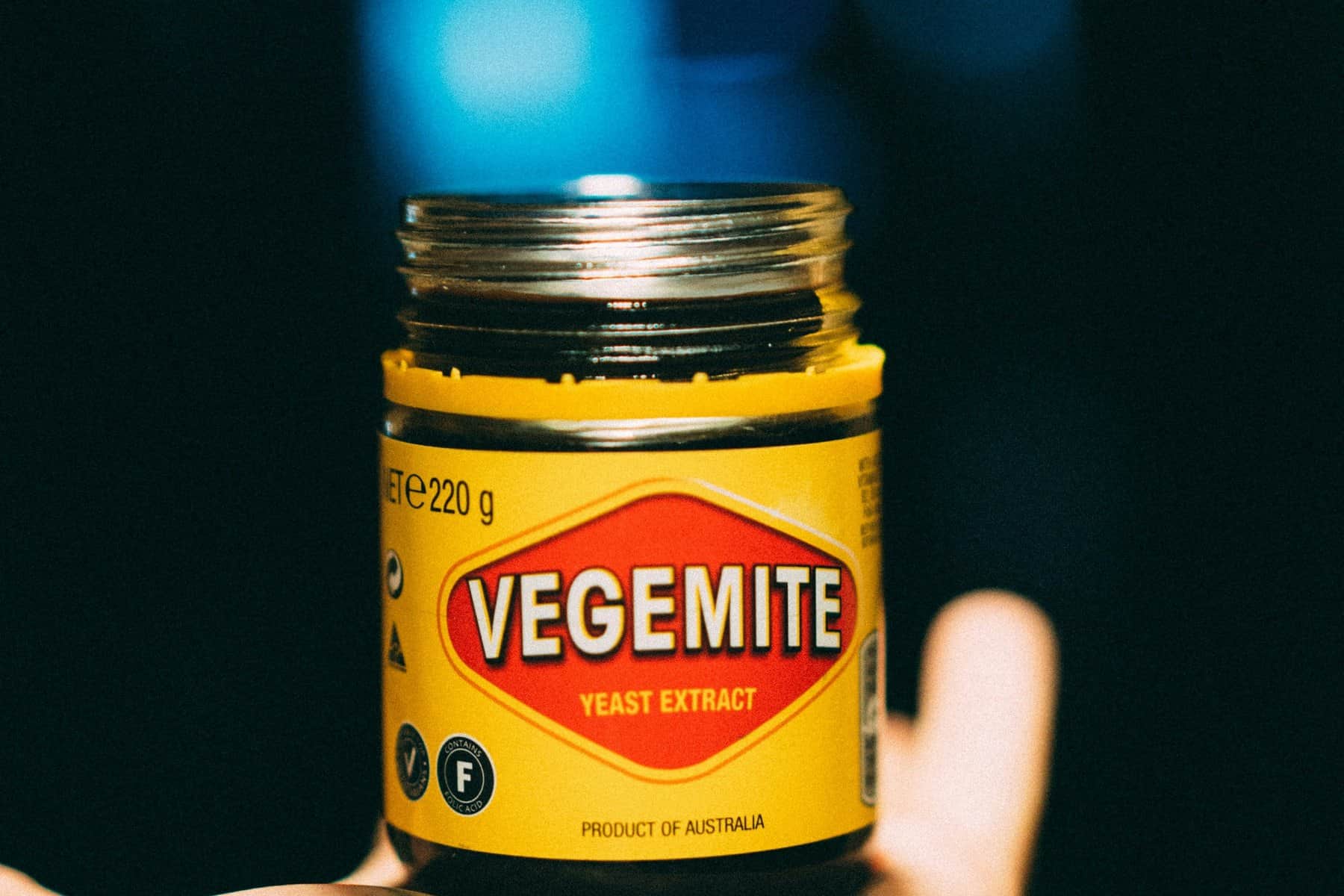
Vegemite is a dark, salty spread made from brewer’s yeast extract, and it has been made in Port Melbourne since the 1920s. Australians eat it in a very thin layer on buttered toast. It tastes of deep savory umami, closer to a concentrated broth than to anything sweet. Today it also appears in pastry, butter and sauces on serious menus.
The spread Australians grow up with
Few foods divide visitors as quickly as Vegemite. Australians eat it at breakfast, pack it into school lunches and miss it badly when abroad. Visitors often meet it as a joke and leave as converts. That arc is worth planning for.
This guide sits inside our look at how Australian food became one of the world’s great cuisines. Vegemite is the quietest chapter of that story. It is also one of the most revealing.
The spread is dark, glossy and very salty. It is not a jam, and it is not a chocolate paste. Many visitors make that mistake first. Think of it as a seasoning that happens to spread. So the right approach is the one a good chef takes with salt or anchovy, which is to use less than you expect.
The word luxury is fair here. A pea sized scrape of a century old recipe, on warm toast with good butter, is the opposite of excess. It is craft, restraint and place in one bite. Later sections show how serious chefs cook with it.
Australians know this by instinct. They also know that the first taste decides everything. This guide begins with the story. Then it moves to technique. Only after that does it reach the tables where the spread has become a luxury ingredient.
Where Vegemite began in 1922
Our story starts in Melbourne. The brand’s own heritage page says its story began in 1922 at the Fred Walker Company. The firm then hired a young chemist, Dr. Cyril P. Callister. His task was to build a spread from brewer’s yeast, one of the richest natural sources of Vitamin B.

The timing needs a careful sentence, because the maker dates the start to 1922. The Victorian Government says the yeast extract first came off the production line in 1923. So 1922 is the start of the work and 1923 is the start of the jar.
The market was crowded. Marmite, a thick dark English spread, already dominated Australian shelves, and shoppers were reluctant to try a local rival. The company then asked the public to name its product, and the name Vegemite won.
Sales stayed slow at first. In 1928 the maker briefly renamed the spread Parwill, a pun on Marmite, and sold it only in Queensland. It failed, and the original name returned. Australians then took the spread to heart.
Today the story is told with real affection. A Melbourne visitor can walk the same streets where the company grew, then drive west to Beaufort to see the inventor’s hometown. Both stops give the jar on your breakfast table a sense of place.
Callister himself was born near Beaufort in Victoria. The ABC records that he won a scholarship to Melbourne University before joining the company. It is a very Australian origin, with a country boy, a brewing byproduct and a city laboratory.
STRAAYA may earn a commission when you buy through these links, at no extra cost to you.

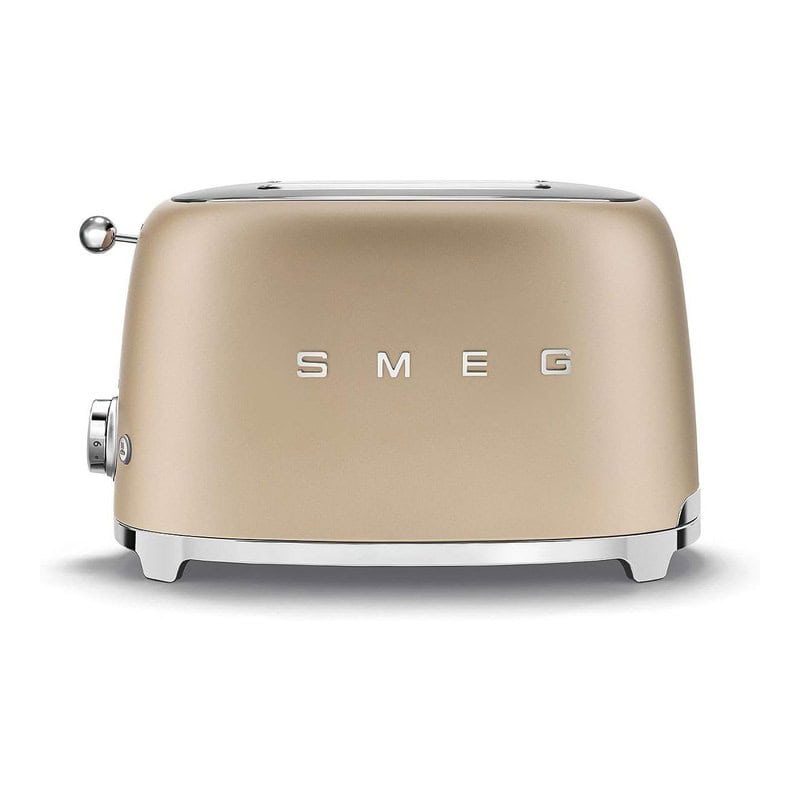
The Australian maker’s toaster, with a lift-and-look lever.
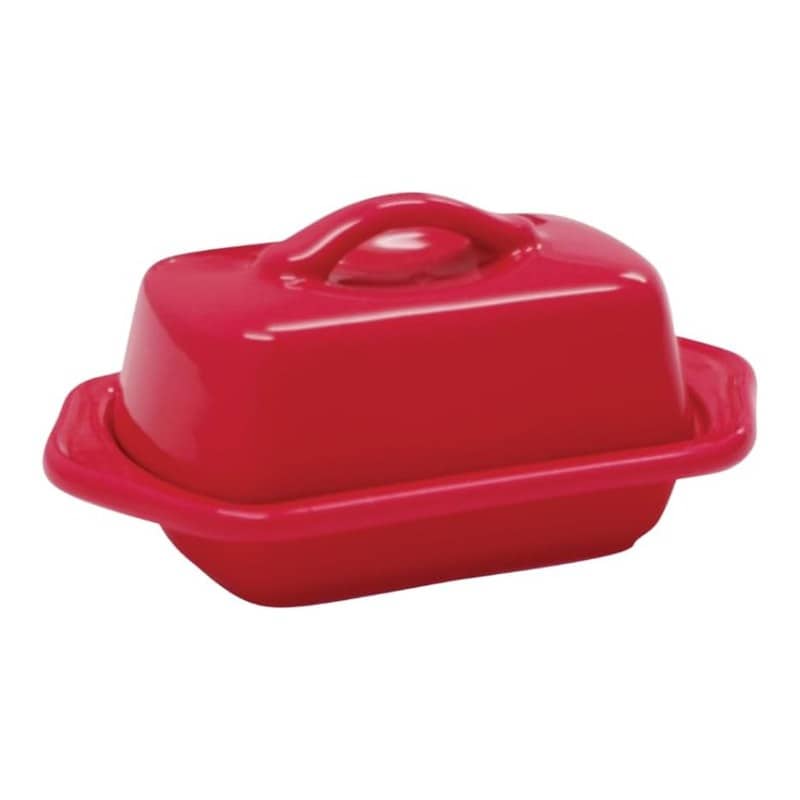
A small covered dish that keeps butter soft for spreading.
What Vegemite actually is
Vegemite is a yeast extract. Brewers grow yeast to make beer, and the yeast cells are then broken down so that their contents dissolve. What remains is concentrated, savory and rich in the compounds that cooks call umami.
Flavor is where visitors need help. Vegemite is not bitter in the way coffee is, and it is not sweet. It tastes of roasted grain and savory stock, with a faint yeasty tang. Australians describe it as moreish, which means you want another bite even when you cannot say why.

The maker calls its recipe a closely guarded secret, and says the ingredients have not changed since 1923. It adds that the spread is rich in B vitamins and contains virtually no fat. It is also suitable for vegans and vegetarians, and a gluten free version exists.
Salt is the other big fact. The maker notes that an average five gram serve has a sodium level similar to one or two slices of bread. That small serve is the whole point. The portion is tiny because the flavor is huge.
Production has stayed in Victoria. The company says Vegemite’s home is the plant in Port Melbourne. More than 22 million jars are made there each year. So a jar in a Sydney or Perth hotel has traveled from Melbourne.
The Victorian Government adds that Vegemite is now in eight out of ten Australian pantries and fridges. For a country of this size, that is an extraordinary reach for one black jar.
Who owns Vegemite today
For most of its life, Vegemite was not Australian owned. The Fred Walker Company merged with J.L. Kraft in 1926, and the brand stayed in American hands for the better part of a century. Many Australians knew this and loved the jar anyway.

That changed in 2017. On 4 July 2017, Bega Cheese told the Australian Securities Exchange that it had completed buying Mondelez International’s Australia and New Zealand grocery and cheese business. That business included Vegemite.
Ownership also changed how Australians talk about the brand. Many of them see it as a small piece of national identity, not only a pantry item. When a traveler says they enjoyed it, Australians notice and smile. It is one of the fastest ways to earn goodwill at a breakfast table.
Bega’s executive chairman called it a historic day for the company. For Australians, the news was simple. Their national spread was home again. The maker now lists Bega Cheese Limited as the owner of the trade mark.
That detail matters for travelers because it shapes what you buy. The jar you take home is made in Port Melbourne by an Australian company.
It also explains why the story sounds proud when Australians tell it. They are not defending a snack. They are defending a piece of shared memory that returned to local hands after about ninety years.
You may also like


Why first timers get Vegemite wrong
The classic mistake is the spoon. A visitor sees a jar, thinks of peanut butter, and spreads it a quarter inch thick. The result tastes like a salt lick. The visitor then tells the table that Vegemite is terrible.
Australians wince when they see it, because they know the spread was never meant to be eaten that way. A thick layer hides everything good about it.
The second mistake is the bread. Cold, soft bread gives the spread nothing to work with. Salt needs fat and warmth to soften it. So the spread should meet butter and heat at the same moment.
The third mistake is the expectation. Visitors brace for something sweet or something medicinal. Vegemite is neither. It tastes of roasted malt, deep broth and a little bitterness, with a long salty finish.
A fourth, smaller error is the knife. Use the tip, not the blade. The goal is a glaze, not a layer. When you see the toast through the spread, you have it right.

The right way to eat Vegemite
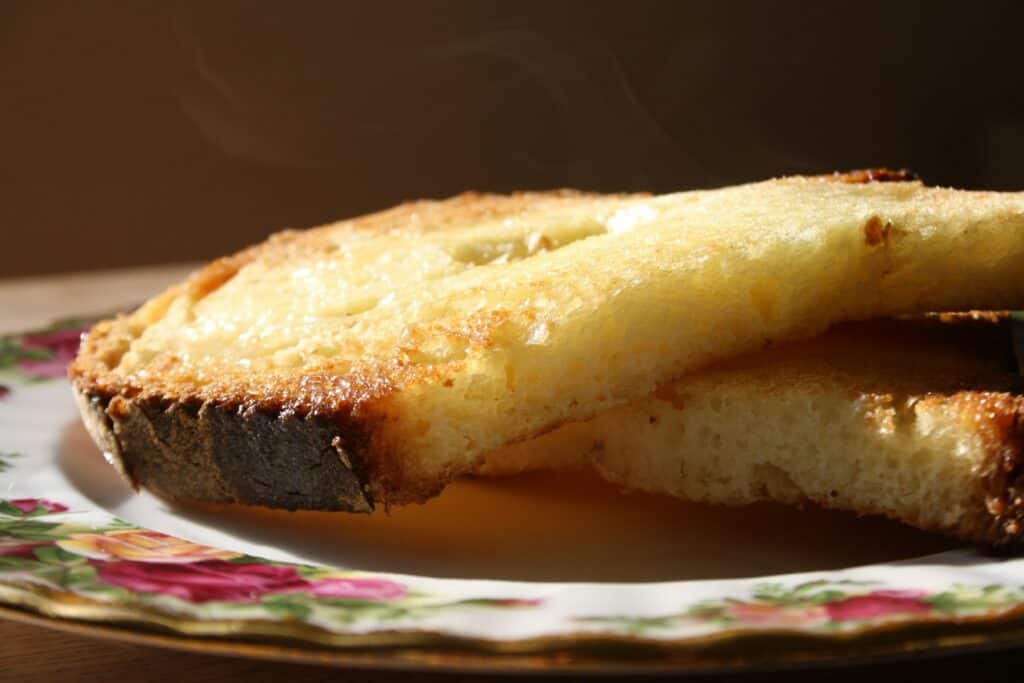
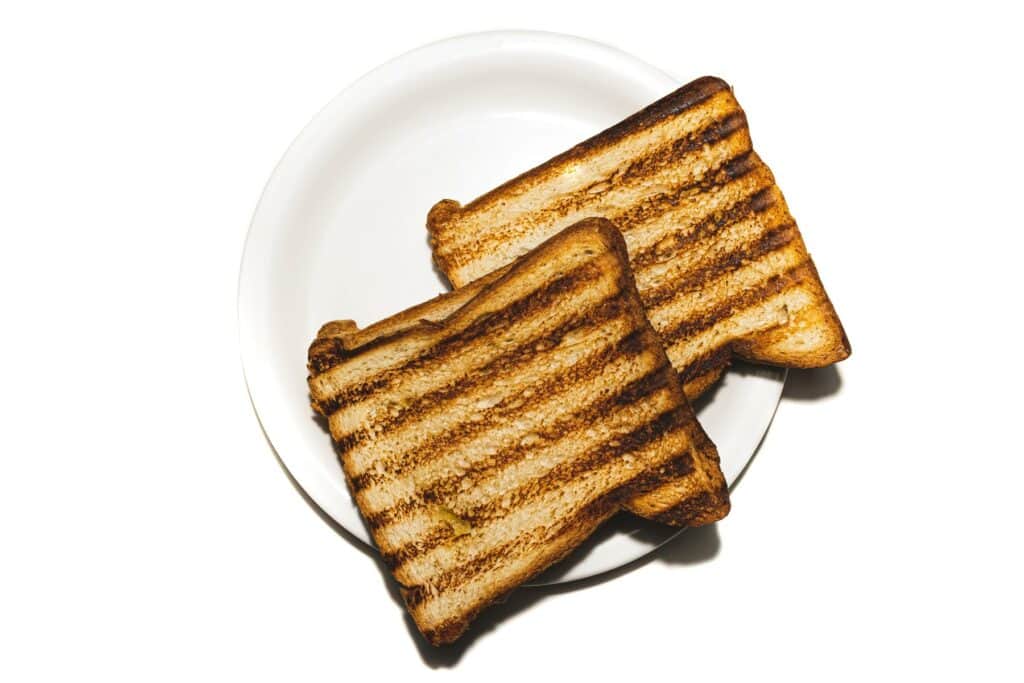
The method is simple, and the discipline is in the details. Start with good bread, ideally a sturdy loaf with some crumb. Toast it until it is hot and crisp at the edges.
Butter the toast at once, while it is still steaming. Use real butter and be generous. The butter melts into the surface and becomes the cushion for what follows.
Then dip the tip of a clean knife into the jar. Take a pea sized amount, no more. Scrape it across the toast in a very thin layer, from edge to edge. Done well, the spread should look like a stain, not a coat.
Take the first bite slowly. Butter arrives first. Then comes the salt, then the deep malty savor, and finally a faint sweetness from the toasted bread. That sequence is the reason Australians love it.
Variations worth knowing
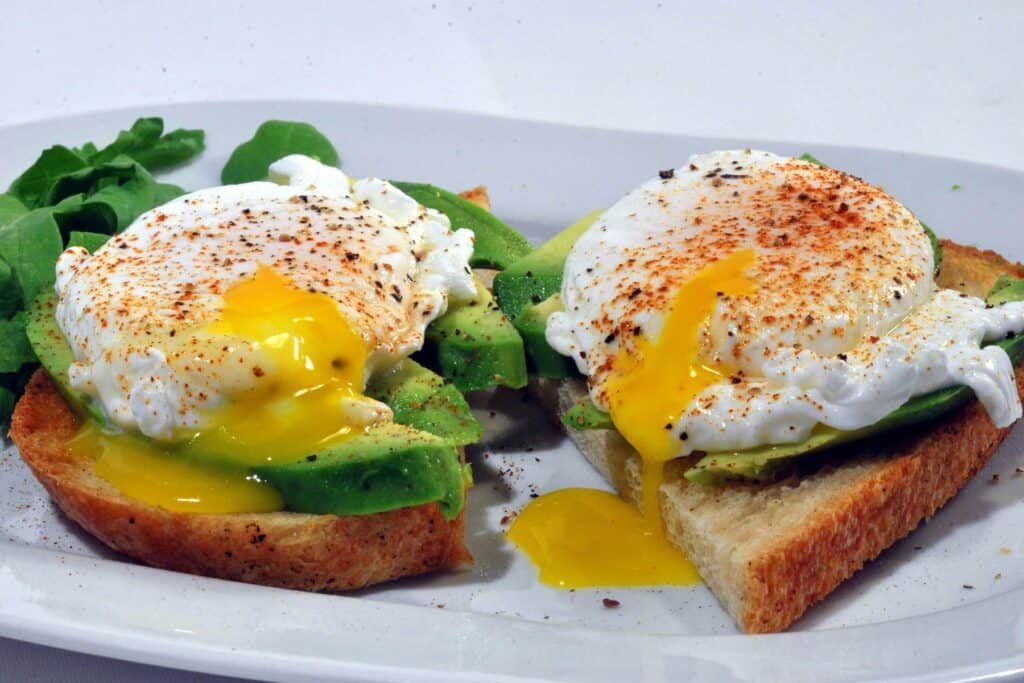
Some Australians add sliced avocado, which gives creamy fat against the salt. Others add a slice of cheese, which turns the toast into a small savory meal. A few add a poached egg. All of them keep the spread thin.
The ABC quotes Jamie Callister, the inventor’s grandson, on his own habit. He says he loves it on fresh bread, and butter and toast. When the family of the inventor eats it plainly, a visitor can do the same.
How Vegemite fits an Australian breakfast
Breakfast in Australia is a serious meal, and the spread has a place at the best tables. A hotel breakfast in Melbourne, Sydney or Hobart will often include it quietly beside the marmalade. Ask for it, and a good kitchen will bring the jar and hot toast.
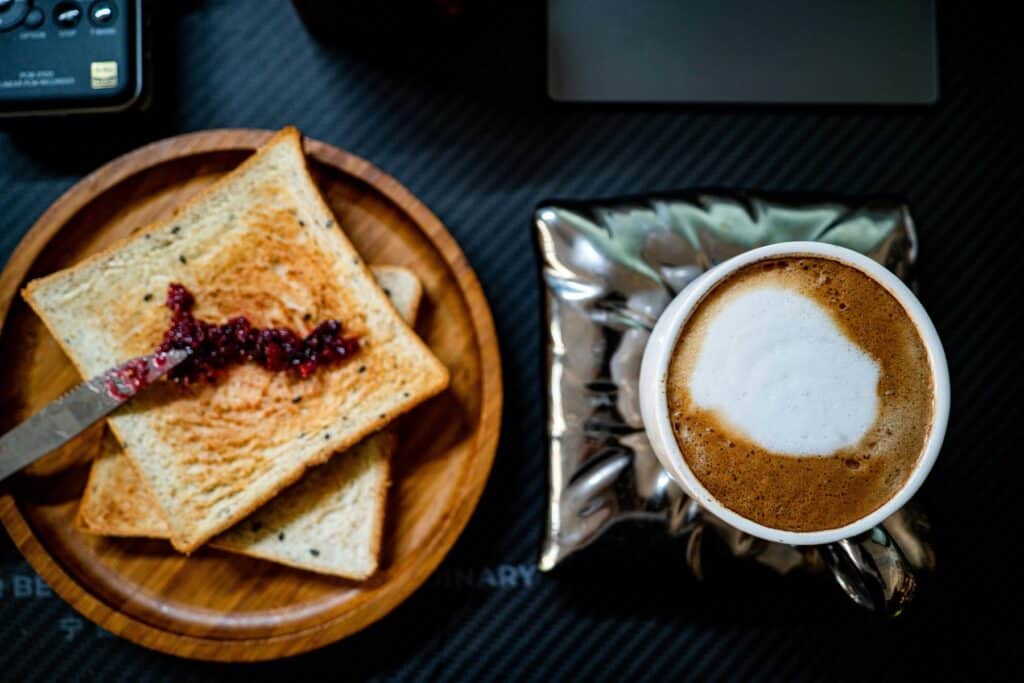
The pairing with coffee is the clever part. Strong coffee, particularly a flat white, cuts through the salt. Our guide to coffee in Australia explains why the country’s café culture suits a savory start to the day.
Then there is the question of tea. A cup of strong tea is the older companion, and many Australians still prefer it. The bitterness of tea and the salt of the spread balance each other without effort.
Service matters as much as the plate. In a good hotel, the toast arrives in a rack so that it stays crisp, and the butter is soft enough to spread. Ask for both, and ask for the jar to stay on the table. A well run dining room will do this without comment.
For a more generous morning, ask for toast with a soft egg and ripe avocado. Most kitchens will make it. It is a gentle way to meet the spread.
Travelers who start the day at a market should read our guide to the best local food markets in Australia. Many stalls sell fresh bread and good butter, which are the only two things you need.
Cheese and Vegemite scrolls
If toast is the classic, the scroll is the great bakery variation. A cheese and Vegemite scroll is a spiral of soft yeast dough, with the spread rolled through the layers and cheese melted across the top. It is salty, buttery and faintly sweet from the bread.

Every Australian bakery has a version. Most are good, and a few are memorable. In Melbourne, the bakery Sunny Day at 423 Little Collins Street makes a Vegemite and cheese scroll. Broadsheet describes it as a pillowy version of the Aussie bakery classic. Its co-owners are Joe La and Brian Taing.
Eat a scroll warm, and eat it the day it is baked. The cheese should still be soft, and the base should pull apart in strands. A cold scroll loses half its charm.
Look for three signs of a good one. The dough should be golden, never pale. The cheese should be browned at the edges, with a little blistering. And the spiral should hold a thin, even line of spread, so that every bite carries a trace of salt. A heavy hand makes a scroll taste harsh.
The scroll also makes a very good travel snack. It survives a morning on the road better than most baked goods. So if you are driving out of Melbourne toward wine country, buy two and stop at a lookout.
For the larger picture of what to taste, see our checklist of iconic Australian foods. The scroll belongs near the top of it.



Why chefs now cook with Vegemite
The luxury hook is simple. A cook who understands umami sees Vegemite as a pantry ingredient of the first rank. It brings salt, depth and a roasted bitterness in one spoonful. In that sense it sits close to miso, anchovy and aged soy.
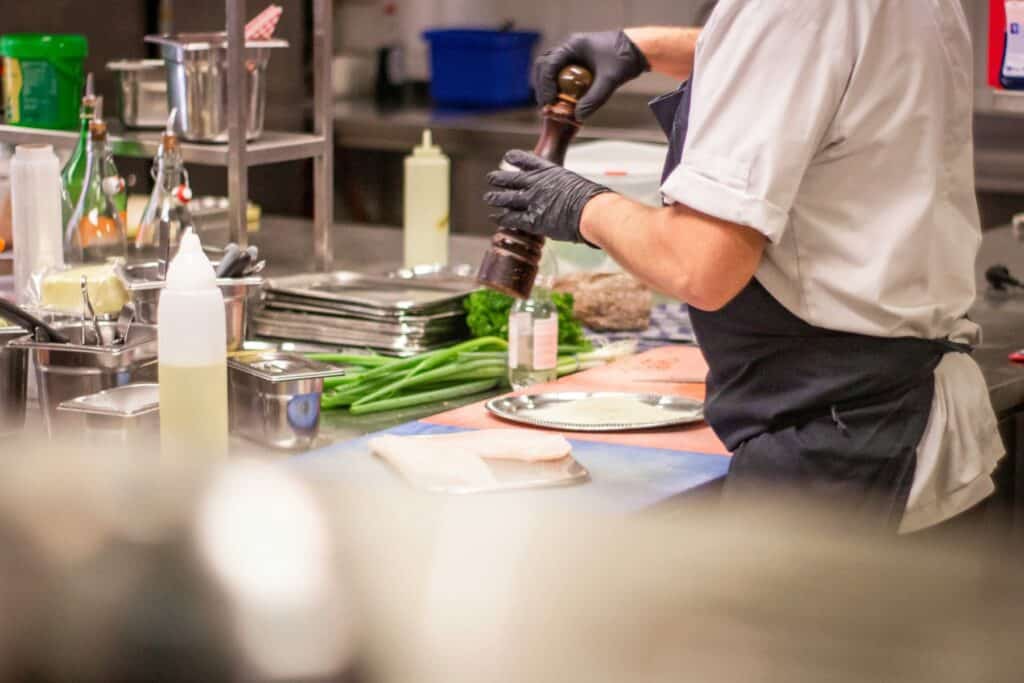
Chef Khanh Nguyen, who opened Sunda in Melbourne in 2018, learned this at Noma. He told SBS that the team there made their own version of Vegemite, and that it is very umami and adds a real richness and depth to dishes. Broadsheet recorded that Sunda opened with a Vegemite curry on the menu.
Other kitchens followed. In 2017, Dinner by Heston Blumenthal in Melbourne served a dessert titled simply Vegemite Ice Cream. Chef Ashley Palmer-Watts told SBS that he tasted caramel, chocolate, yeast and of course, saltiness in the spread. The dish arrived with caramel poured from a Vegemite jar.
Gourmet Traveller surveyed the trend in 2018. Ben Shewry at Attica in Melbourne served a house made version with black garlic. Anchovy in Richmond served a tempura cube of cheese custard infused with Vegemite. Paper Bird in Sydney filled its pastry case with cheese and Vegemite twists.
Menus change quickly, and some of these dishes are now history. Treat them as proof of a movement, not as a booking list. The lesson for travelers is simple. Ask what the kitchen is doing with the spread, because many good ones are doing something.
A short guide to Vegemite pairings
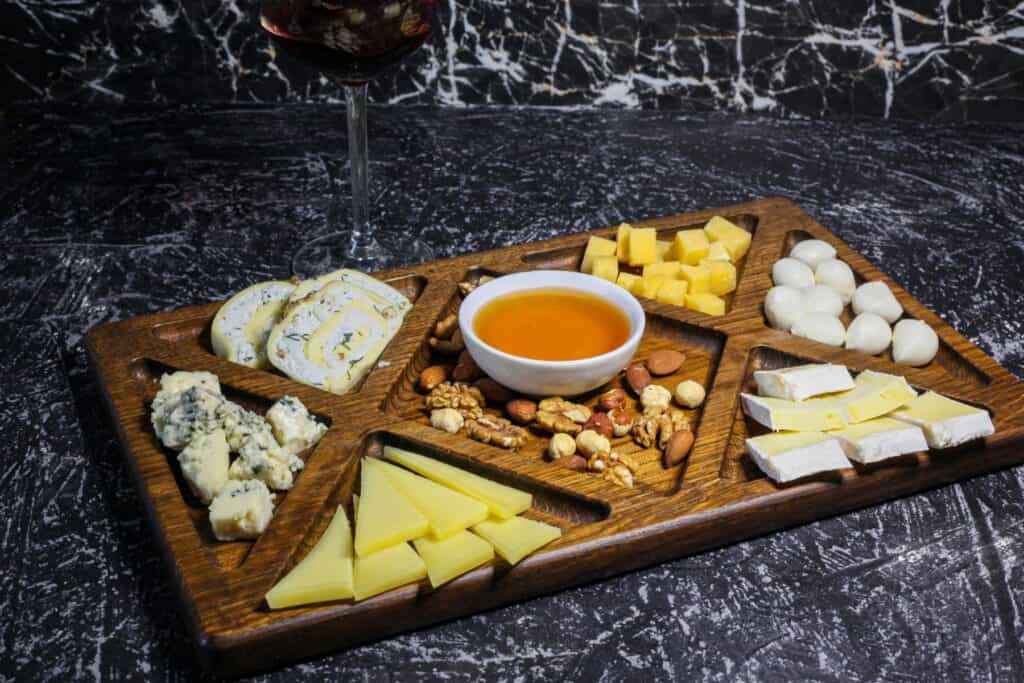
The table below gathers the combinations that work best. It is a reference for the breakfast table and the kitchen alike. In each case, the spread stays thin and the partner carries the fat.
Start with the first three rows. They teach the core principle, which is that fat and acid or cream and salt keep the spread in balance. Once that clicks, the rest of the table follows naturally.
| Pairing | Method | Why it works |
|---|---|---|
| Hot buttered toast | Butter at once, scrape thinly | Fat softens the salt |
| Avocado toast | Spread first, then avocado | Cream balances the bitterness |
| Aged cheddar | Thin layer under melted cheese | Salt meets nutty sweetness |
| Soft egg | Spread on toast, egg on top | Yolk rounds the flavor |
| Scroll | Rolled in dough with cheese | Dough tempers the intensity |
| Compound butter | One teaspoon to a stick | Melts over steak or vegetables |
| Ricotta | Stirred in lightly | Fresh dairy lifts the umami |
| Mayonnaise | A small spoonful | Works with grilled fish |
| Stew or Bolognese | One teaspoon at the start | Adds a long braised depth |
None of these needs special equipment. They need only restraint and good ingredients. If you can taste the spread first and the partner second, the proportions are wrong.
Vegemite butter, glazes and sauces
The most useful technique to take from chefs is the compound butter. Soften good butter, beat in a small amount of Vegemite, and chill it. The result melts over steak, roasted vegetables or hot bread, and it tastes like a long braise.
Gourmet Traveller reported other uses in 2018. Chase Kojima at Sokyo in Sydney used the spread in roasted almonds, robata lamb chops and Vegemite toast croutons with Moreton Bay bugs. He said it gives a depth that ordinary miso does not.
According to the same report, d’Arenberg Cube in McLaren Vale paired hot smoked barramundi with Vegemite mayonnaise. High Road in Canberra stirred it into ricotta for breakfast. Each idea is modest, and each works.
At home, the rule is the same as at the table. Use a very small amount and treat it as seasoning. A teaspoon is enough for a pot of stew, a tray of roast potatoes or a pan of mushrooms. The maker itself promotes cooking with the spread, including in a Bolognese.
When you cook after your trip, treat the jar as a pantry staple. Our guide to modern Australian cuisine shows how the country’s chefs use salt and bitterness with care.
You may also like


Where Vegemite meets wine and beer
It is no accident that Vegemite began with brewing yeast. Its salty depth pairs naturally with beer, and a cold lager with a savory scroll is an easy match. The same logic applies to wine.

A dry sparkling wine suits the spread well. The bubbles and acidity cut through salt and fat, in the same way they do with fried food. A crisp white such as a dry Riesling also works, as does a light red with fine tannins.
Some Australians also match it with a dry cider or a pale ale. The malt in the beer echoes the roasted note in the spread. A tasting at a regional brewery is a fine way to test the idea, with a plate of warm cheese toast on the side.
Australia’s wine regions offer an obvious route. Our guide to world class wine tasting experiences covers the best places to taste. A scroll from a good bakery, eaten on a cellar door lawn, makes a very Australian lunch.
South Australia is the other natural stop. In Adelaide, the food and wine culture is deep and unhurried, and our guide to Adelaide shows how to plan it. It is an easy place to taste the spread with a local wine.
The principle holds across the country. Salt wants acid and fat, and Australia has both in abundance. So the next time a bottle is open, bring the toast.
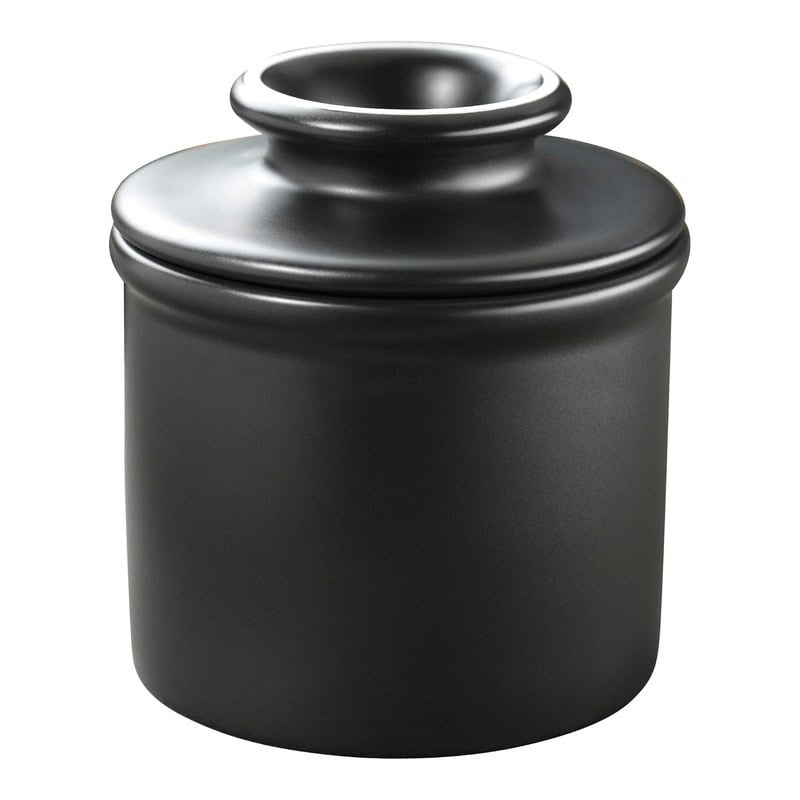
Keeps butter soft and spreadable on the counter.
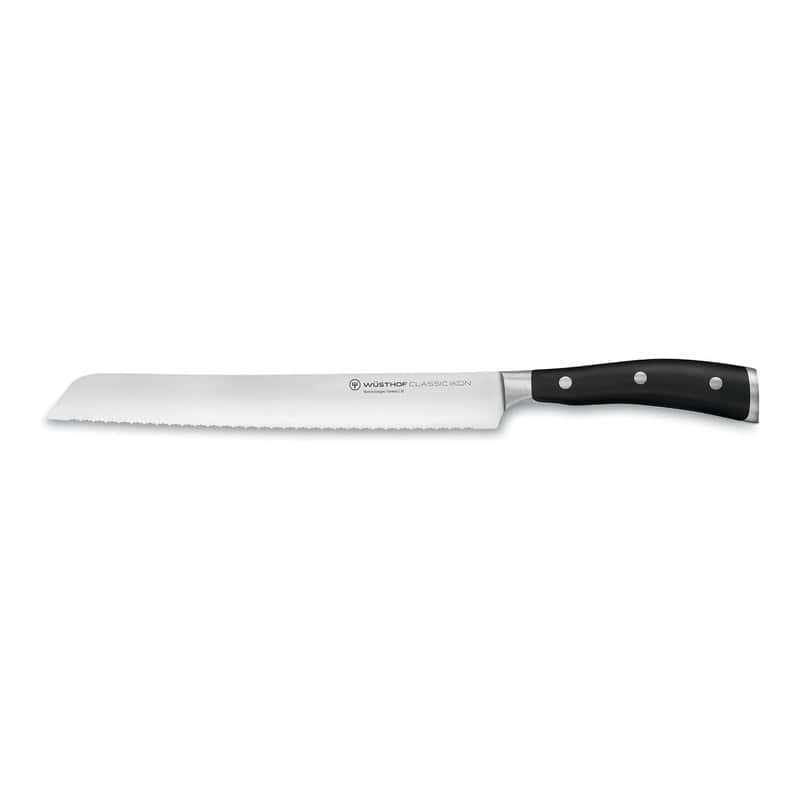
Slices a crusty loaf cleanly for even toast.
Where to buy the best jar to take home
A jar of the spread is the easiest souvenir in Australia. It is light and sturdy, and supermarkets stock it. For most travelers, the best jar is a fresh one from a good grocer in Melbourne, Sydney or Perth.
Check the label for the maker, which should read Bega Cheese Limited. Choose the classic jar for yourself. Add the gluten free version if a guest needs it, since the company makes one with gluten free yeast.
A word on gifts. Friends who have never tried it will taste it badly unless you teach them. So write the method on a card: hot toast, real butter and a pea sized scrape. That small kindness turns a joke gift into a good memory. It also keeps the tradition alive for the next generation of converts.
Pack the jar in your checked luggage, wrapped in a soft cloth. Food import rules differ by country, so check your home customs guidance before you fly. United States travelers should confirm current rules with customs.
For something more personal, visit the source. The Cyril Callister Museum in Beaufort, in Victoria’s Pyrenees, sits in a former 1950s service station. The Victorian Government says the Cyril Callister Foundation, established in 2019, launched it. It makes a quiet detour on a drive west from Melbourne.
Pair the jar with a loaf from a local bakery and a good dish for the butter. A gift of this kind says more about Australia than most souvenirs.
How to taste Vegemite on your trip
Begin simply. On your first morning, order hot buttered toast and ask for the jar on the side. Take a pea sized scrape and chew slowly. If you dislike it, you will know within two bites, and you will have lost nothing.

On your second day, try the scroll. Then look for the spread in a restaurant dish, even if it is just a butter or a sauce. Ask the server whether the kitchen uses it. Australian chefs are usually pleased to be asked.
Throughout the trip, keep the portion small and the bread hot. That rule alone will turn most skeptics. Visitors who start the week as doubters often leave with a jar.
A trip planned around food rewards this kind of curiosity. Our overview of Australian food lays out the larger itinerary. Our guide to the Australian meat pie is a natural companion for your first bakery stop.
Vegemite will not suit every palate, and Australians know it. They do not mind. They simply ask that you try it properly, with warm toast and a light hand. That is a reasonable request, and a rewarding one.
Take our short quiz and find the city, coast and table that suit you best.
Take the quizQuestions worth asking
What does Vegemite taste like?
Vegemite tastes intensely salty and savory, with roasted malt, a little bitterness and a long umami finish. It is closer to a concentrated broth than to a sweet spread. Used thinly on buttered toast, the saltiness softens and the flavor becomes rounded.
Is Vegemite vegan?
Yes. The maker says Vegemite is suitable for both vegans and vegetarians. A gluten free version also exists, made with gluten free yeast.
How do you eat Vegemite properly?
Toast good bread until hot, butter it at once, then scrape a very thin layer of Vegemite across the top with the tip of a knife. The toast should show through the spread. Australians often add avocado, cheese or an egg.
Who owns Vegemite now?
Bega Cheese, an Australian company, owns Vegemite. It confirmed on 4 July 2017 that its acquisition of Mondelez International’s Australian and New Zealand grocery business had completed. The brand was previously owned by Kraft and then Mondelez.
Where is Vegemite made?
The maker says Vegemite is made at its plant in Port Melbourne, Victoria. More than 22 million jars are produced there each year.
Can you take Vegemite home from Australia?
Vegemite is a sealed, shelf stable spread and is easy to pack in luggage. Import rules vary by country, so check your home customs guidance before you travel. United States travelers should confirm current rules with customs.