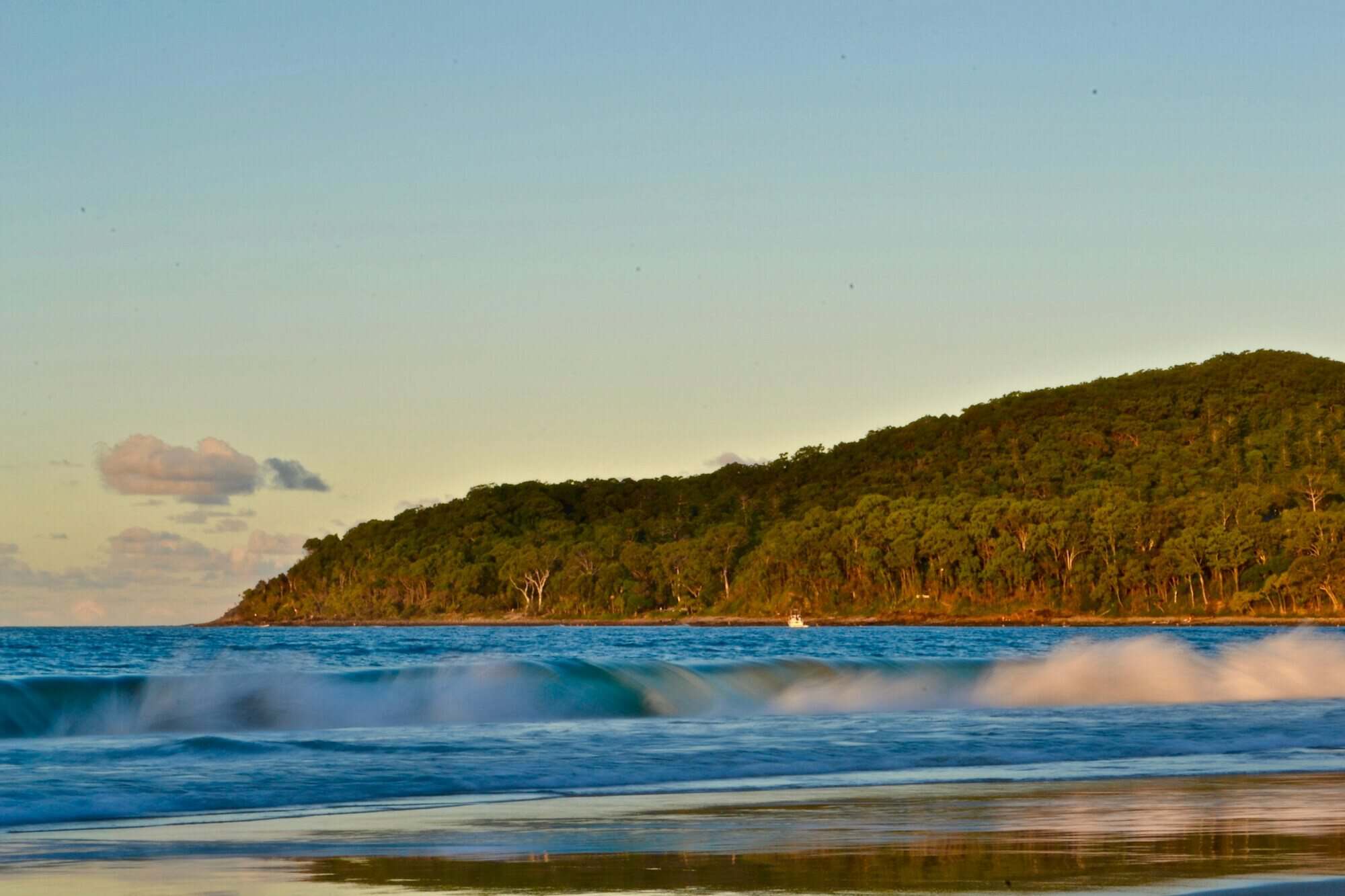
Yes. Noosa has a chain of long, gentle right-hand point breaks inside Noosa National Park, and they suit longboards and graceful surfing. The best waves arrive from about February to May. In 2020 the coast became a World Surfing Reserve, so the breaks are protected for good.
Why surfing Noosa feels different
Surfing Noosa is less about conquest and more about glide. The waves peel slowly along a forested headland. On good days, the water is clear enough to see your feet. Longboarders cross-step to the nose while turtles drift beneath them. It is surfing as an art form, practiced in one of the prettiest settings in Australia.
Noosa also sits at the gentle end of Australian surf culture. There are no heavy reefs or crowds of hard-charging professionals on most days. Instead, the line-up mixes local veterans, visiting couples and children on soft boards. That balance makes Noosa the ideal first chapter of any surf journey in Australia.
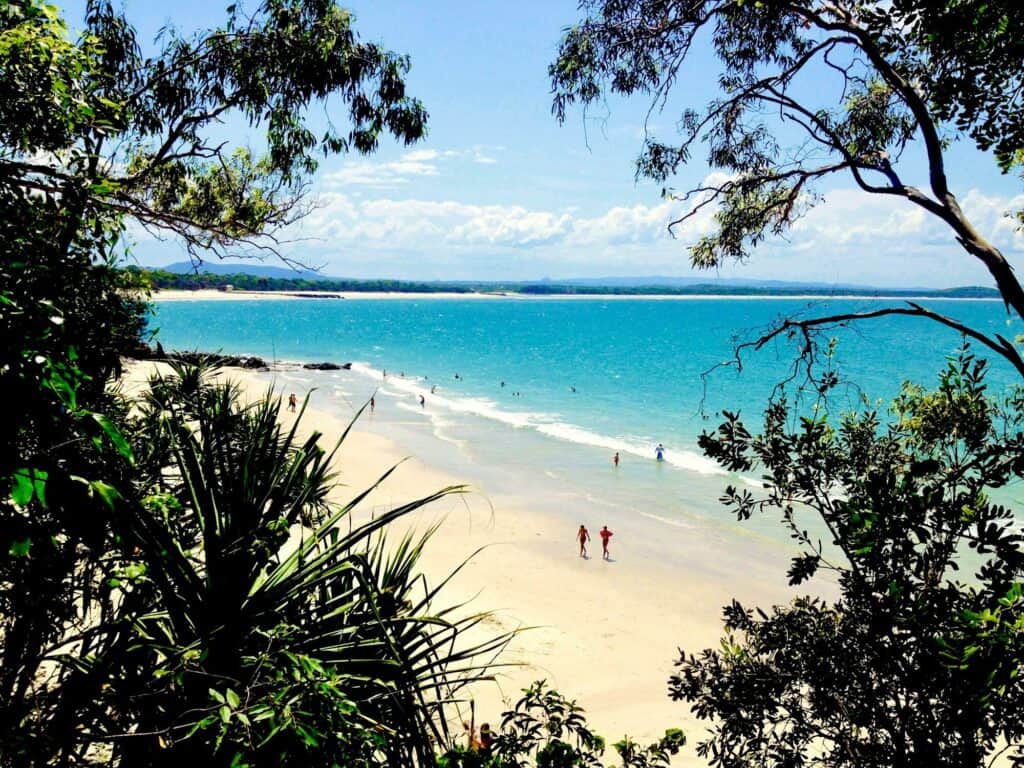
Just as importantly, Noosa does luxury with restraint. Hastings Street offers fine hotels and restaurants, yet nothing towers over the beach. Low-rise buildings sit behind a screen of pandanus and gums. After a morning on the points, you can walk barefoot to lunch in a matter of minutes.
The town has protected that scale on purpose. Building heights are limited, and the national park runs right to the edge of the shops. As a result, the view from the water is mostly trees, rock and sand. Few beach towns anywhere have kept such a natural face.
This guide covers every part of a surf trip to Noosa. It explains the points and when they work, then turns to coaches, stays and tables. It also covers rest days, wildlife and the World Surfing Reserve. By the end, you should know exactly how to plan a week on these waves.
The points of Noosa National Park
The magic of Noosa lies in its points. A series of rocky headlands and coves faces north, sheltered from the prevailing southeast wind. When a swell wraps around the headland, each point produces long, peeling right-handers. On the best days, the waves link together for hundreds of yards.
First Point and Main Beach
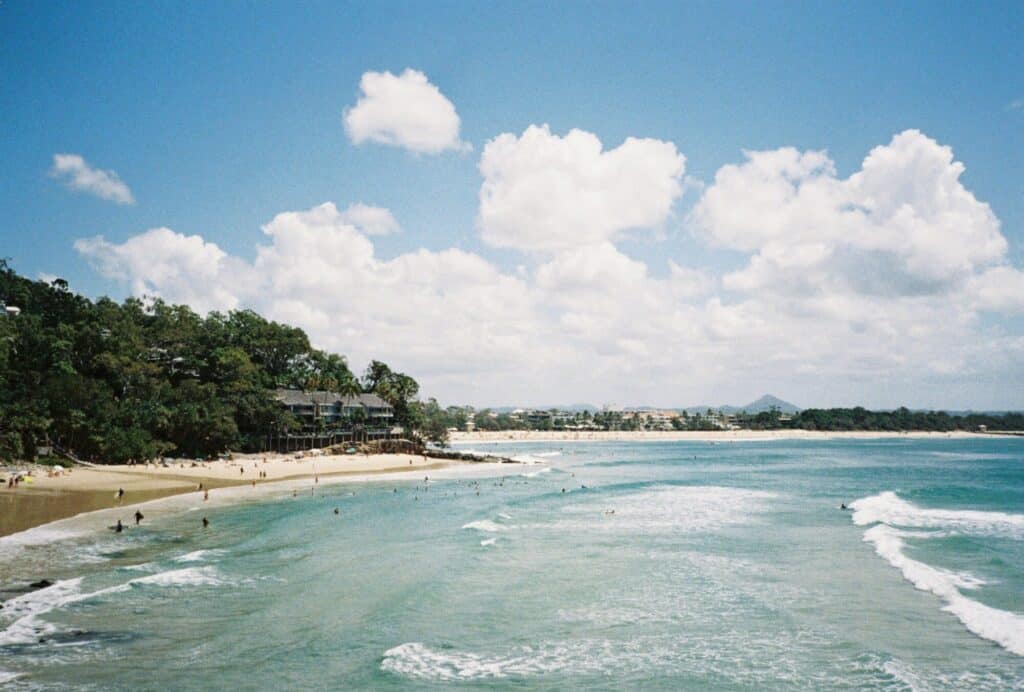
First Point is the heart of Noosa longboarding. It breaks at the eastern end of Main Beach, right below the boardwalk. The wave is soft and forgiving, so it suits beginners and stylish old hands alike. Consequently, it can also be crowded, especially on weekends and school holidays.
Johnsons, Little Cove and Ti Tree Bay
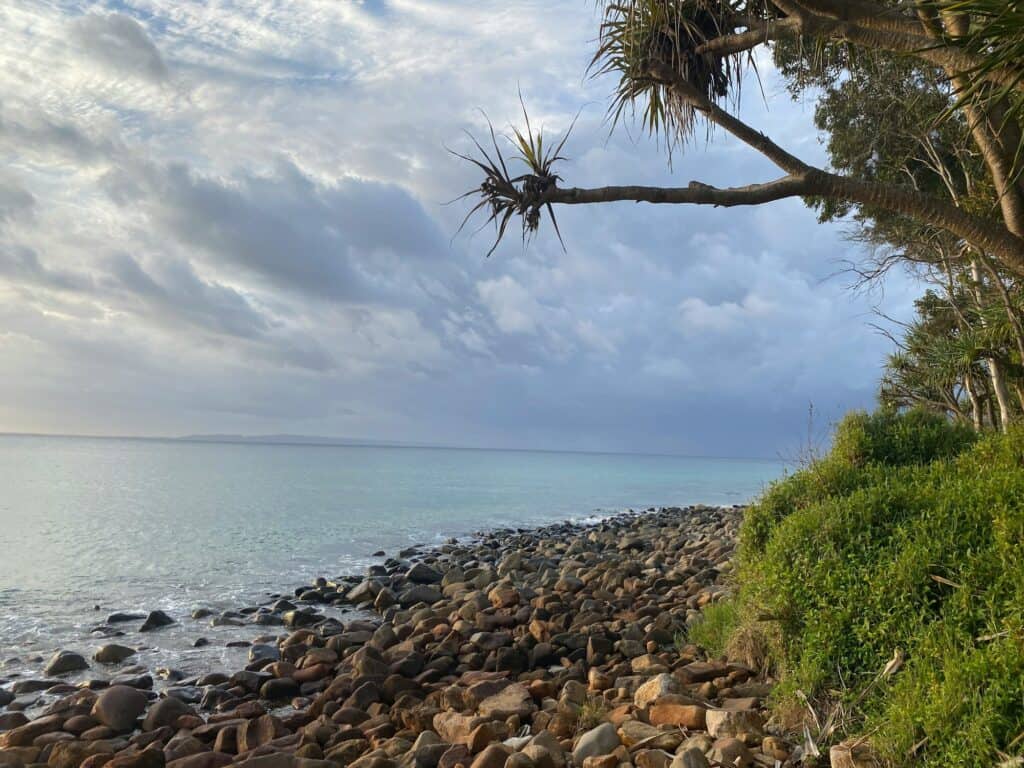
Further around the headland, Johnsons and Little Cove offer slightly more push. Then comes Ti Tree Bay, a beautiful cove reached only on foot through the national park. Its wave is long and mellow, and the setting feels almost private on a weekday morning. Carry your board along the coastal track and enjoy the walk.
Little Cove deserves a special mention for families. Its small beach is sheltered from the wind, and the water is often glassy. Children can swim in the shallows while parents surf the point just outside. Moreover, the cove sits only a few minutes’ walk from the end of Hastings Street.
Granite Bay and Nationals
Granite Bay and National Park, known locally as Nationals, are the outer points. They need more swell to work, and they reward experienced surfers. On a big cyclone swell, Nationals can produce some of the best right-handers on the east coast. Meanwhile, the boulders and currents demand respect, so surf here with a guide if you are new.
Reading the points takes practice. Each one breaks best on a different tide and swell direction. Locals often surf two or three points in a single morning as conditions change. A good coach or guide will move you between them so you always catch the best waves.
STRAAYA may earn a commission when you buy through these links, at no extra cost to you.
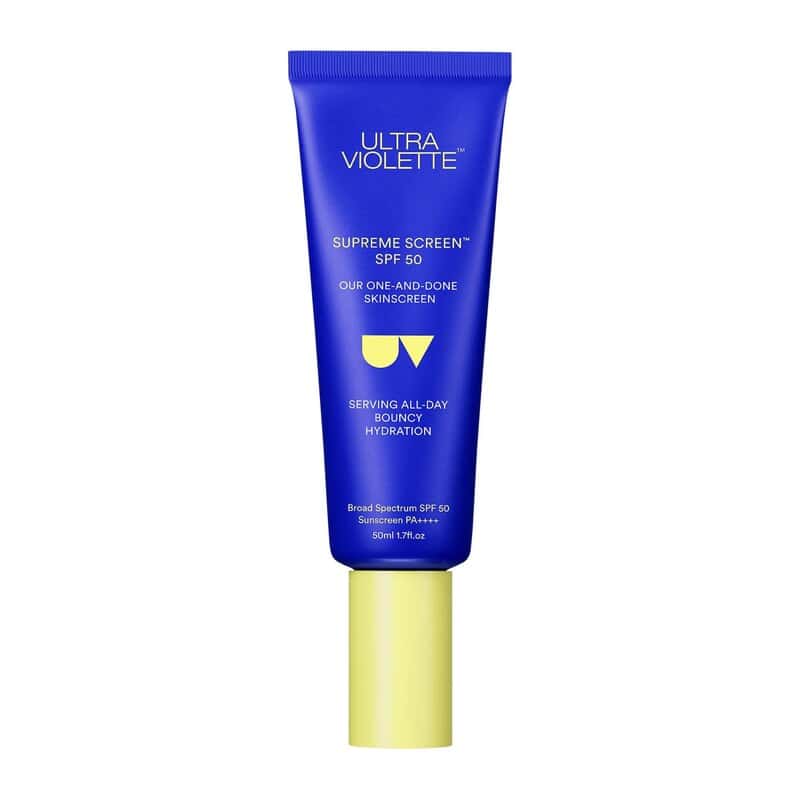
An Australian skinscreen that doubles as a moisturizer and primer.
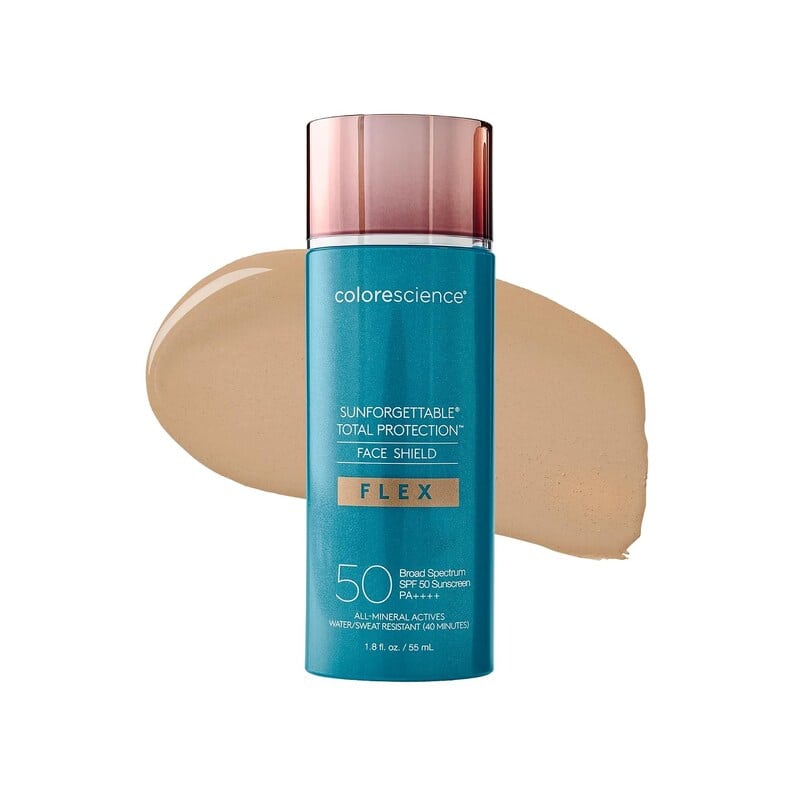
A tinted mineral shield that adapts to your skin tone.
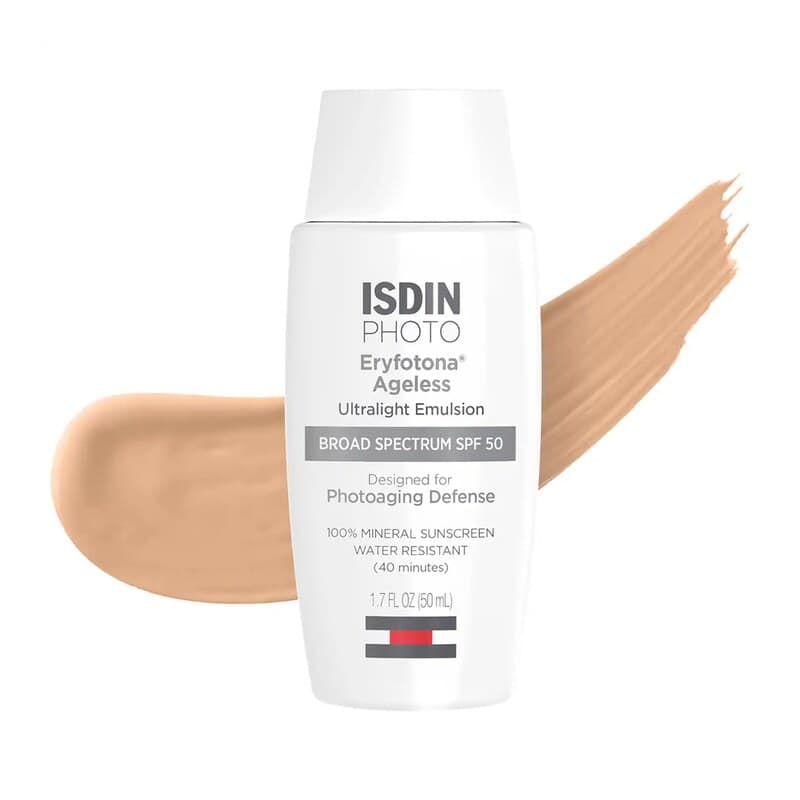
A sheer mineral fluid loved by dermatologists for daily wear.
The Queensland sun is strong even on cloudy days, and the water reflects it straight back. Reapply sunscreen between sessions, especially on long longboard rides.
The Noosa longboard tradition
Noosa’s surf culture grew up around the longboard. In the 1960s, surfers from Sydney and beyond drove north to find these long, warm points. Many stayed, and they built a community around style rather than aggression. That heritage still shapes the way people ride the waves today.
Surfing Noosa well means embracing that style. Watch the best local riders at First Point. You will see unhurried footwork, long nose rides and graceful turns. Speed matters less than flow. Consequently, the classic single-fin log remains the board of choice for many regulars.
The tradition is celebrated every year. The Noosa Festival of Surfing brings longboarders from around the world to the points each March. Even outside the festival, local board makers shape classic logs in small workshops nearby. Ordering a custom longboard here makes a beautiful souvenir, and most shapers can ship it home.
For a deeper look, visit the surf shops along Hastings Street and Noosa Junction. Several stock vintage boards, local art and photography. Staff are usually happy to share stories of past swells and famous sessions. It is the easiest way to feel the history of surfing Noosa.
Beyond the points, from Sunshine Beach to the North Shore
When the points are flat or crowded, Noosa has other options. Sunshine Beach, a short drive south, faces the open ocean and catches more swell. Its beach breaks suit shortboards and bodyboards, and the village behind it has excellent cafes. Many visitors find it a relaxed alternative to Hastings Street.
Sunshine Beach also has its own surf club, one of the most scenic on the coast. Its deck looks straight down the beach toward the national park. Visitors are welcome for a drink or a casual meal at sunset. It is a fine place to watch the evening surfers.
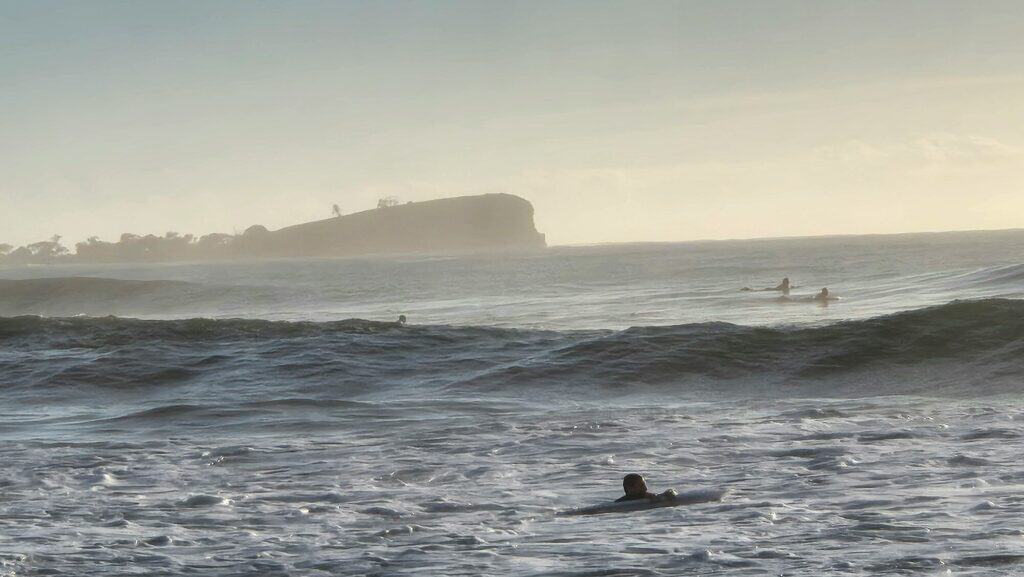
North of the river mouth, Noosa North Shore offers wilder surf. A short car ferry crosses the river, and then a long beach runs north toward Double Island Point. You need a four-wheel drive and a beach permit to explore it. Alternatively, book a guided tour that handles the logistics for you.
The North Shore is also part of a wider protected landscape. Great Sandy National Park covers much of the coast to the north, with towering dunes and colored sand cliffs. Many visitors combine a surf with a drive along the beach to Double Island Point. On a clear day, dolphins often ride the waves beside the surfers.
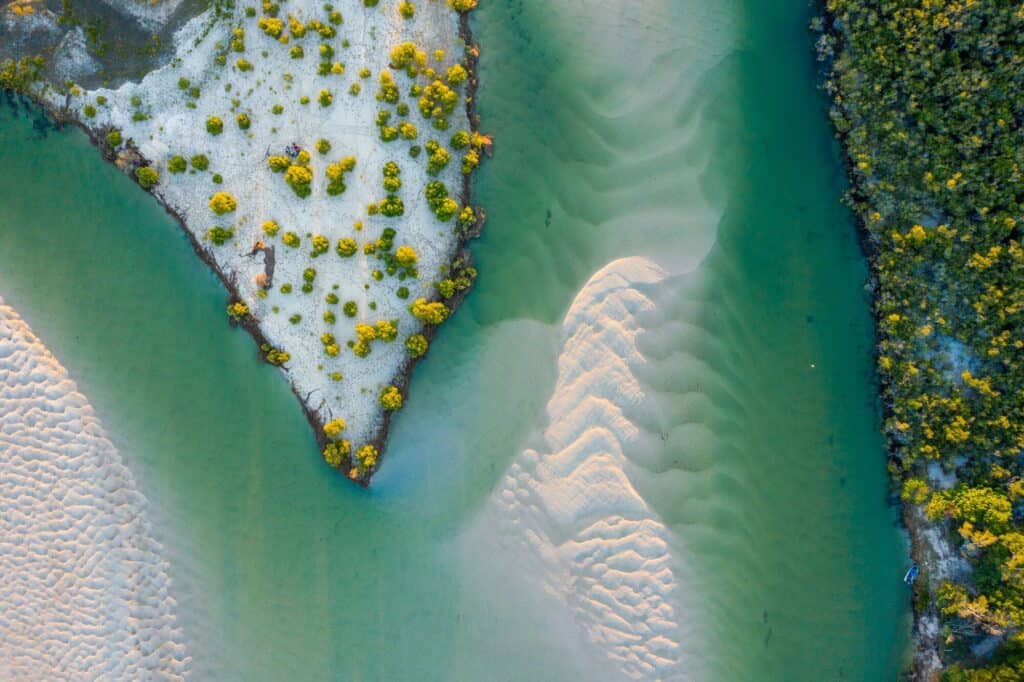
You may also like

When the swell arrives in Noosa
Timing matters more in Noosa than almost anywhere else in Australia. The points need swell from the east or northeast to break properly. Those swells usually come from tropical systems in the Coral Sea. As a result, the best months for surfing Noosa run from about February to May.
Winter, from June to August, brings sunny days and glassy mornings. However, the points can go flat for long stretches. Spring often sees onshore winds in the afternoon, so plan to surf early. Summer is warm and busy, with occasional cyclone swells that light up every break at once.
Wind matters as much as swell. A light southeast breeze blows offshore across the points, which keeps the waves clean. In contrast, a northerly wind can spoil the surf quickly. Therefore, check the forecast each evening and plan the next morning around it.
| Break | Wave | Best for | Notes |
|---|---|---|---|
| Main Beach | Soft beach break | First lessons | Patrolled between flags |
| First Point | Long, gentle right | Longboards | Busiest point |
| Johnsons | Right-hand point | Longboards and mid-lengths | Needs a bit more swell |
| Little Cove | Sheltered right | Intermediate surfers | Short walk from Hastings Street |
| Ti Tree Bay | Long, mellow right | Longboards | Reached on foot |
| Granite Bay | Rocky right-hand point | Experienced surfers | Boulders and currents |
| Nationals | Powerful right-hand point | Experienced surfers | Best on cyclone swells |
| Sunshine Beach | Open beach break | Shortboards | Works when the points are flat |
Water temperatures stay comfortable year round. Most surfers wear boardshorts or a light top from October to April. In winter, a thin spring suit is usually enough for an early session.
Crowds follow the calendar too. Australian school holidays in late December and January bring the busiest line-ups of the year. Easter is also popular, especially if a swell arrives at the same time. By contrast, May and early June often combine good waves with quieter beaches and mild days.
Booking a private longboard coach
A private coach transforms a Noosa trip. They know which point will work on each tide and wind. More importantly, they teach the local customs that keep a crowded line-up friendly. Many coaches specialize in longboarding, from first waves to advanced footwork.
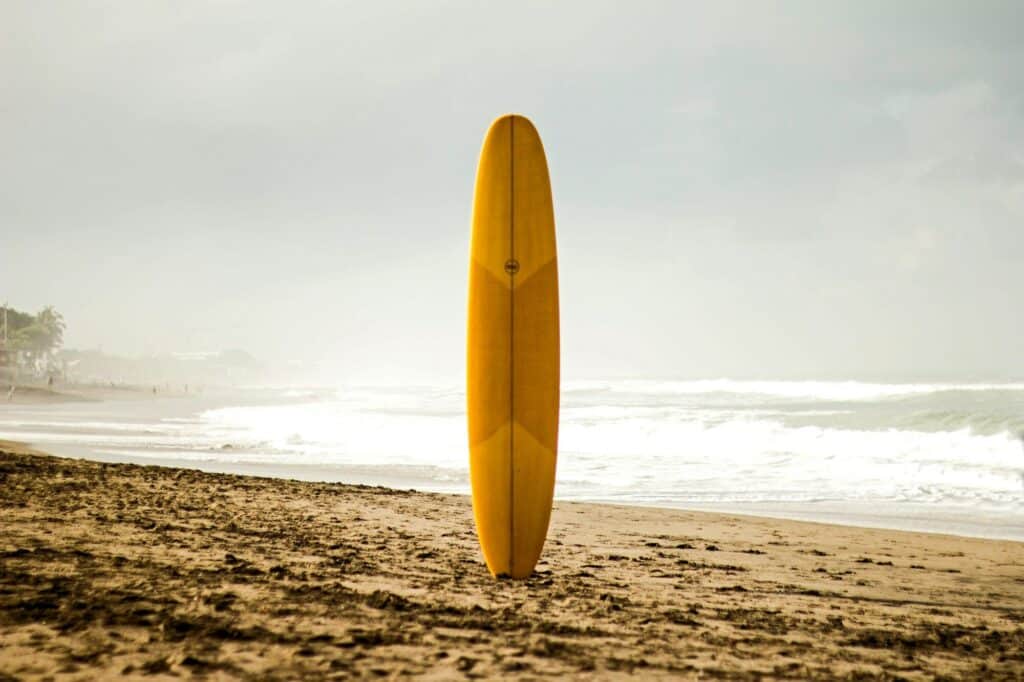
Look for a coach accredited by Surfing Australia, the national body for the sport. Sessions usually run for about two hours, timed to the best tide. Your hotel concierge can arrange a coach, a board and a wetsuit if needed. For advanced surfers, ask for video analysis, since many coaches now film each session.
Beginners often start at the gentle end of Main Beach, away from the busy point. Then, as confidence grows, the coach moves you toward First Point. By the end of a week, many visitors are riding long, smooth waves with real style. That progression is the quiet joy of learning in Noosa.
Experienced surfers benefit too. A coach can refine your trim, your turns and your board choice. Some even offer sessions on classic single fins to teach the traditional Noosa style. It is a rare chance to learn from surfers who have ridden these points for decades.
Where to stay on Hastings Street and beyond
Hastings Street is the address for surfers who want everything within walking distance. Netanya Noosa sits right on Main Beach, with apartments that open onto the sand. Further along, Sofitel Noosa Pacific Resort faces the river side of the strip. Both let you walk to First Point with a board under your arm.
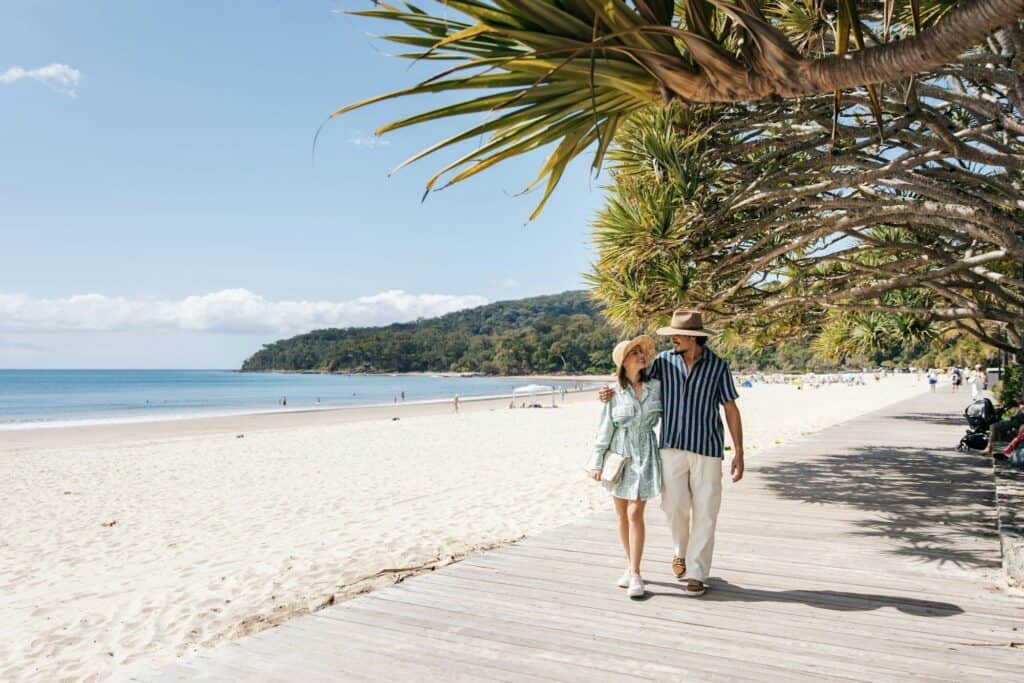
For more space, look at private villas in Sunshine Beach or the hills above Noosa Heads. Many come with pools and ocean views, and some include a daily housekeeper. Alternatively, stay beside the Noosa River in Noosa Sound, where the water is flat and the sunsets are long.
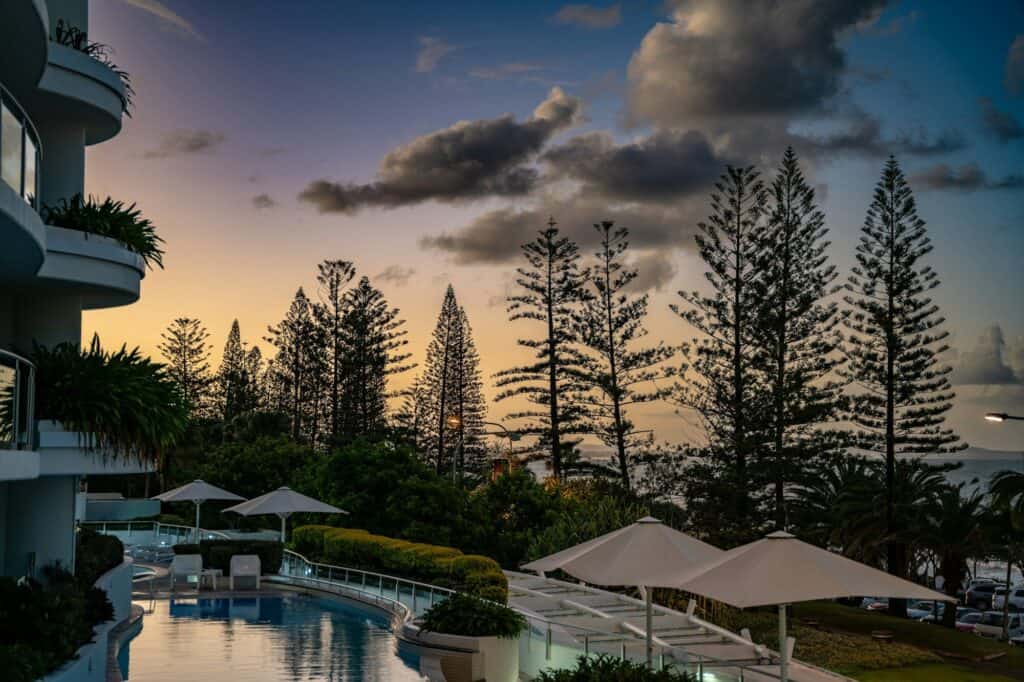
Fairshore Noosa offers spacious beachfront apartments in the middle of Hastings Street. Many suites have large balconies facing Laguna Bay. For families, apartment stays are especially useful, with full kitchens and laundries. Book early, because the best beachfront rooms sell out months ahead in summer.
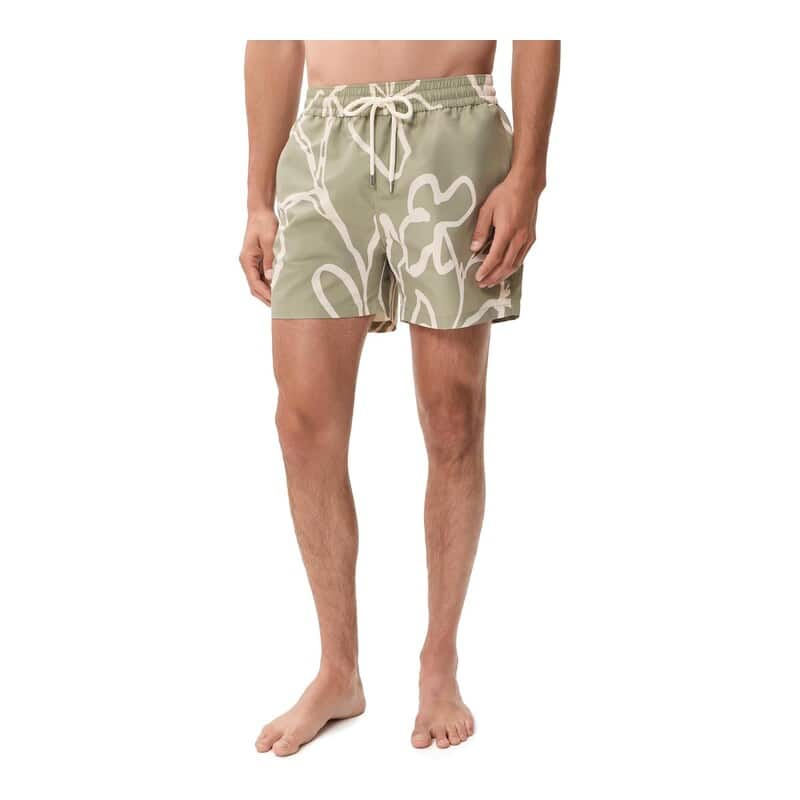
Tailored swim shorts with a soft botanical print.
The Noosa table
Noosa takes its food seriously, and the produce is remarkable. Spanner crab, Mooloolaba prawns and hinterland produce appear on nearly every menu. Start with lunch at Sails, which looks straight onto Laguna Bay from Hastings Street. Then, for dinner, book Wasabi on the river for refined Japanese cooking.
Wine lists lean toward Australian producers, with plenty of Queensland and New South Wales bottles. Many restaurants also pour natural wines from small makers in Victoria and South Australia. Ask for a recommendation to match the local seafood. A crisp riesling or a light rosé suits the climate perfectly.
Season Restaurant, also on Hastings Street, serves breakfast with a view of the morning surfers. Rickys River Bar offers long lunches beside the water in Noosa Sound. Meanwhile, the Noosa Farmers Market runs on Sunday mornings, a local ritual worth joining after an early surf.
The hinterland supplies much of what Noosa eats. Small farms around Eumundi and Cooroy grow macadamias, avocados, citrus and coffee. Local chefs build menus around them, often changing dishes weekly. Ask your server what came in that morning, and order accordingly.
For a special occasion, many Noosa restaurants will arrange a private table on a terrace or by the river. Ask your concierge a few days ahead. Some chefs also offer tasting menus built around the week’s catch. It is the perfect way to celebrate a great day of surfing Noosa.
A day in the life of a Noosa surfer
The Noosa day starts before sunrise. Surfers gather at the car park above First Point, coffee in hand, to check the waves. By six, the line-up is full of longboards and soft greetings. Most locals surf for an hour or two, then head to work or breakfast.
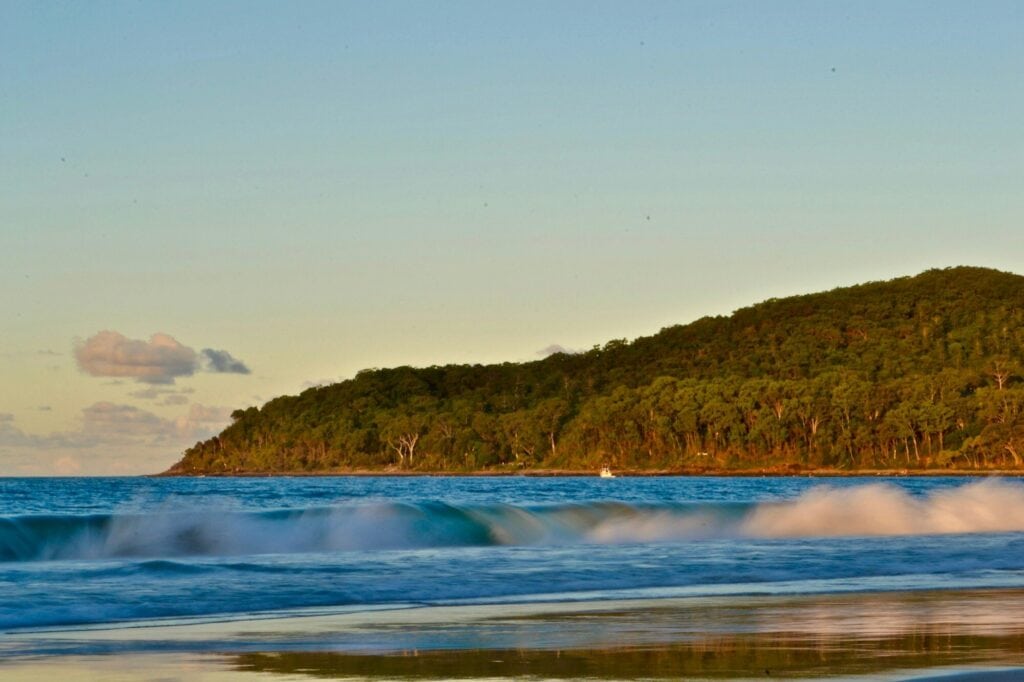
Mid-morning belongs to swimmers and families on Main Beach. Later, when the afternoon breeze arrives, many surfers swap boards for the river. They paddle, swim or simply sit under the trees at Noosa Woods. Then, at sunset, the whole town seems to drift toward the water again.
That rhythm is the secret of surfing Noosa well. Surf early, rest through the heat and return for the evening glass-off. Above all, there is no need to rush, because the waves and the town reward patience.
Evenings in Noosa are relaxed and social. Couples stroll Hastings Street after dinner, while families buy gelato by the river. Most restaurants close by late evening, since the town wakes early. In other words, the whole place runs on surf time.
The national park walk and its wildlife
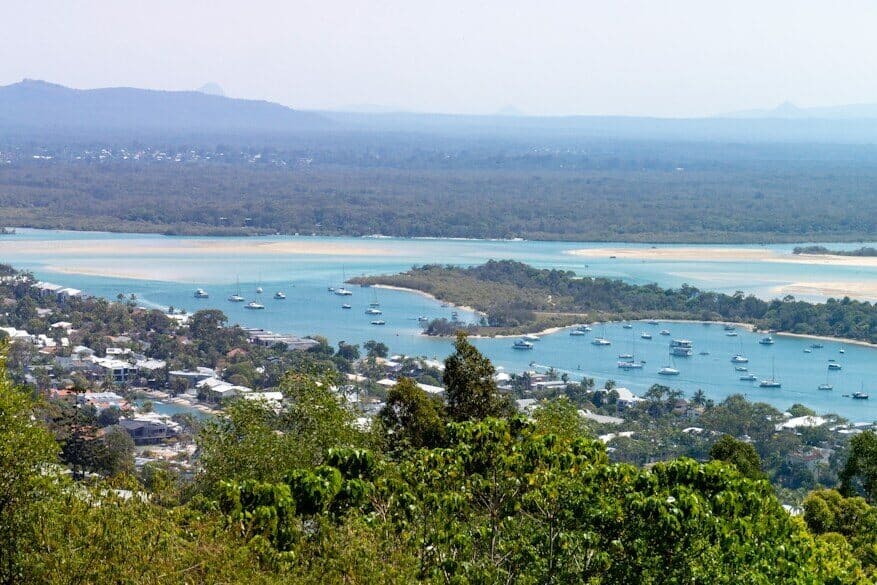
Noosa National Park wraps around the headland above the points. Its coastal track runs from the end of Hastings Street to Hell’s Gates and beyond. Along the way, it passes every surf break and several lookouts. It is one of the finest short coastal walks in Australia.
The park also protects rainforest, heath and eucalypt woodland just behind the beaches. The Palm Grove circuit leads into cool, shaded forest only minutes from the sand. It makes a welcome escape on hot afternoons. Rangers ask visitors to stay on the tracks to protect fragile plants and nesting birds.
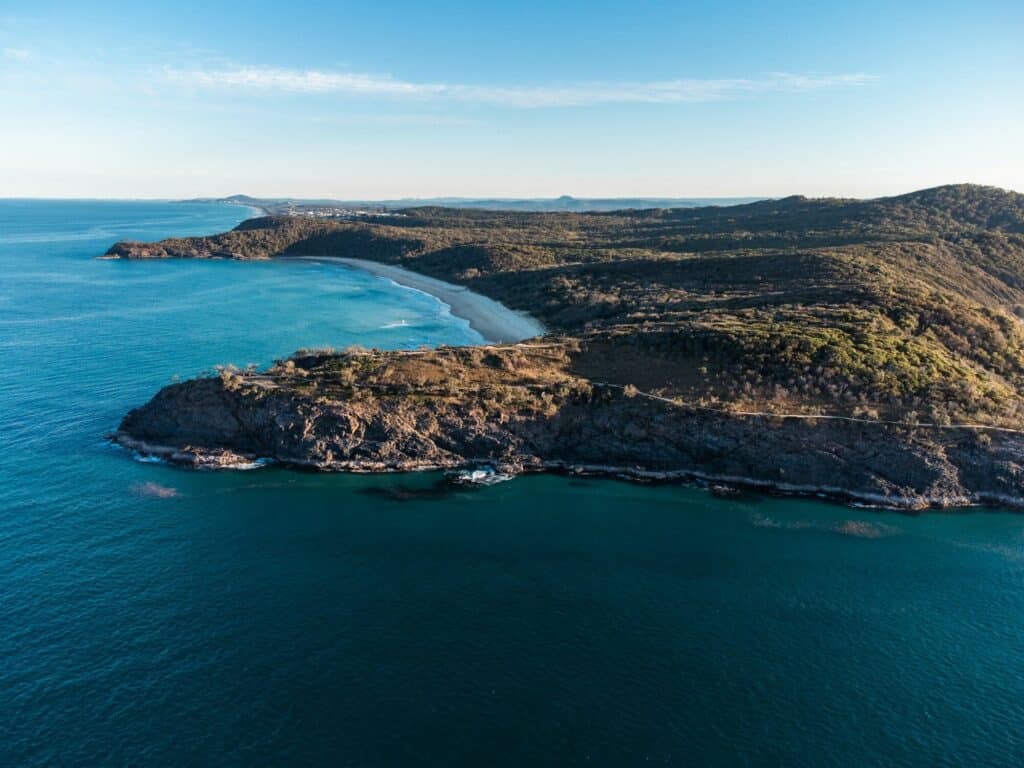
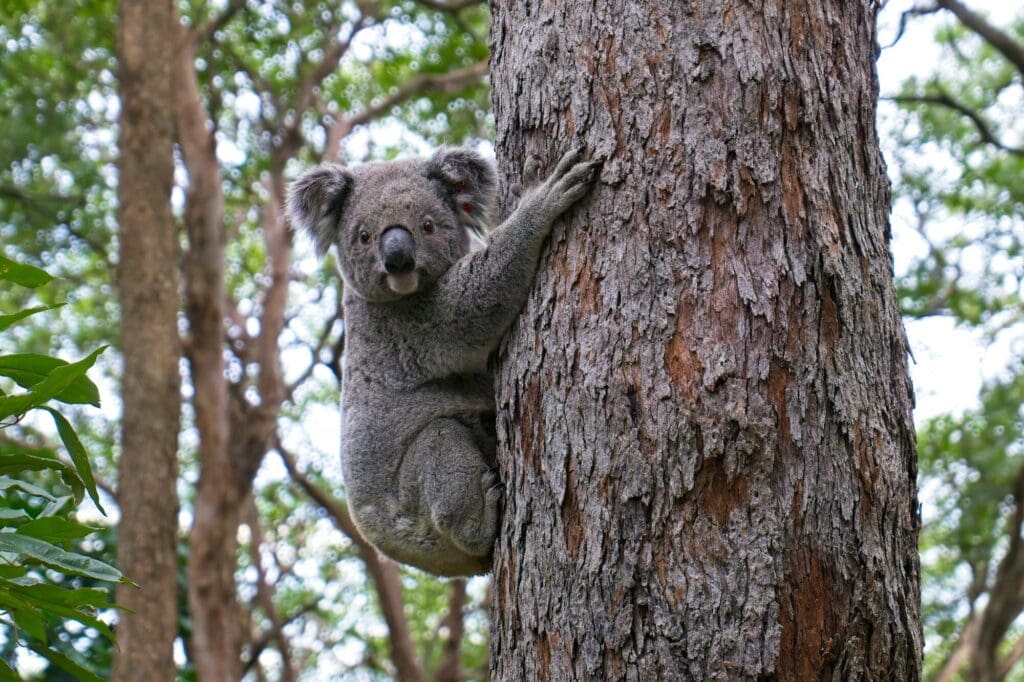
Wildlife is part of the experience. Koalas sometimes sit in the gums above the path, so look up as you walk. Dolphins often feed in Laguna Bay, and turtles surface near the points. From June to October, humpback whales pass offshore on their annual migration.
The walk is easy enough for most visitors. Wear good shoes, carry water and set out early to avoid the heat. In addition, allow time to stop at each lookout and watch the surfers below. A full return walk to Hell’s Gates takes about two to three hours at a gentle pace.
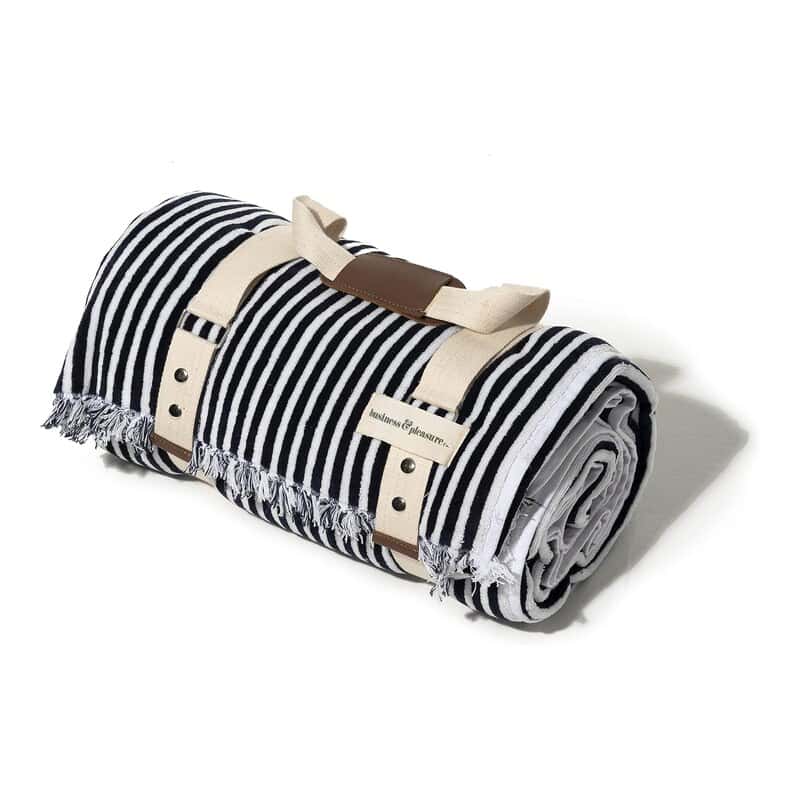
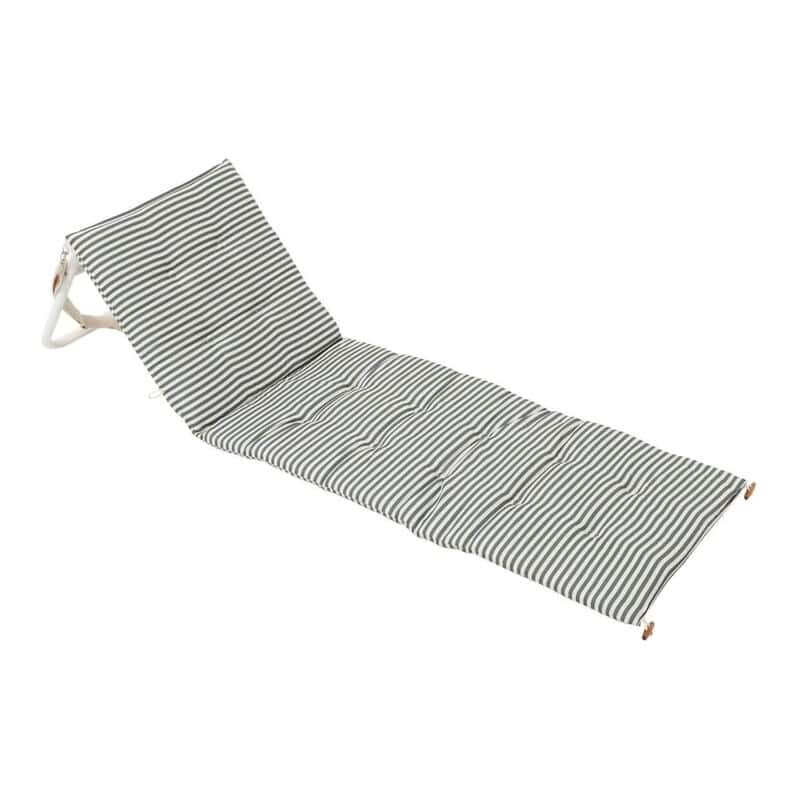
An oversized striped blanket that rolls up with a leather strap.
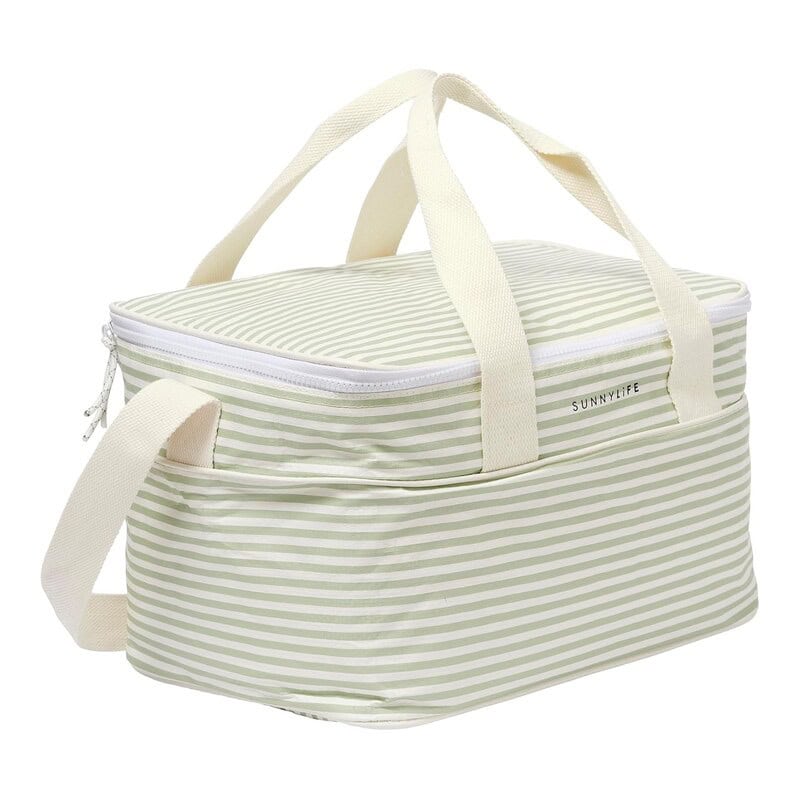
An insulated, collapsible bag for chilled drinks and fruit.
On rest days, a well-chosen beach setup turns a quiet cove into a private retreat. These pieces make a long afternoon on the sand effortless.
You may also like
Rest days on the Noosa River and the Everglades
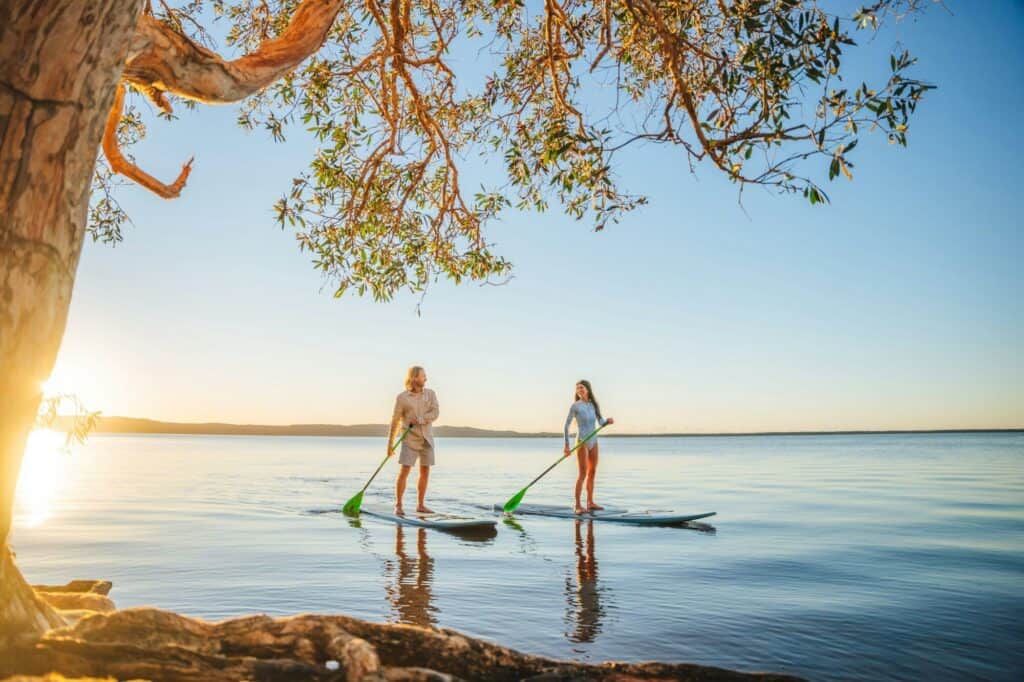
When the surf goes flat, the Noosa River offers a different kind of beauty. Kayaks and paddleboards glide along its glassy channels past mangroves and riverside homes. Early evening is the best time, when the water turns gold and the wind drops.
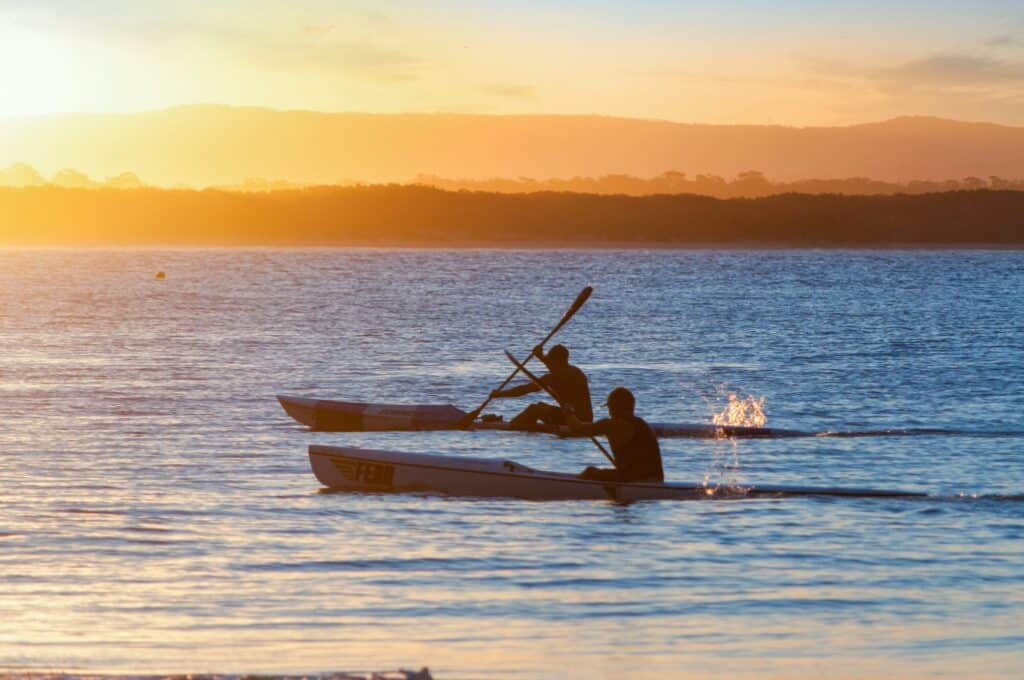
Further upriver lie the Noosa Everglades, a vast system of lakes and tea-colored waterways. Guided boat and kayak tours leave from Boreen Point and Elanda Point. The still water reflects the sky so perfectly that the horizon disappears. For many visitors, it is the most memorable day of the trip.
Closer to town, Noosa Woods offers shade, picnic lawns and a sandy river beach. It is a favorite with families on hot afternoons. Meanwhile, sunset cruises leave from the river wharves for a slow loop past Noosa Sound. Bring a bottle of local wine and watch the water change color.
How Noosa protects its waves
Noosa has long fought to keep its character. Low building heights, protected bushland and a strong local voice have shaped the town for decades. That same spirit led to formal protection for the surf. According to Noosa Shire Council, Noosa was officially designated a World Surfing Reserve in 2020.
The reserve protects more than waves. It also covers the coastal character, biodiversity and community spirit around the breaks. Its stewardship program brings together surfers, Traditional Owners, environmental groups and local businesses. In addition, the council plans to begin work on a Surf Management Plan in early 2027.
Noosa now belongs to a small global club. The Queensland Government notes that Noosa and the Gold Coast are two of the 14 designated World Surfing Reserves. For visitors, the message is simple. Share the waves, respect the reef and take nothing home but memories.
Visitors can play a direct part. Join a beach clean with a local surf club, or support the reserve through its community events. Use reef-safe sunscreen and stay on the marked tracks through the national park. Small actions, repeated by many people, keep Noosa beautiful.
Surf etiquette on the Noosa points
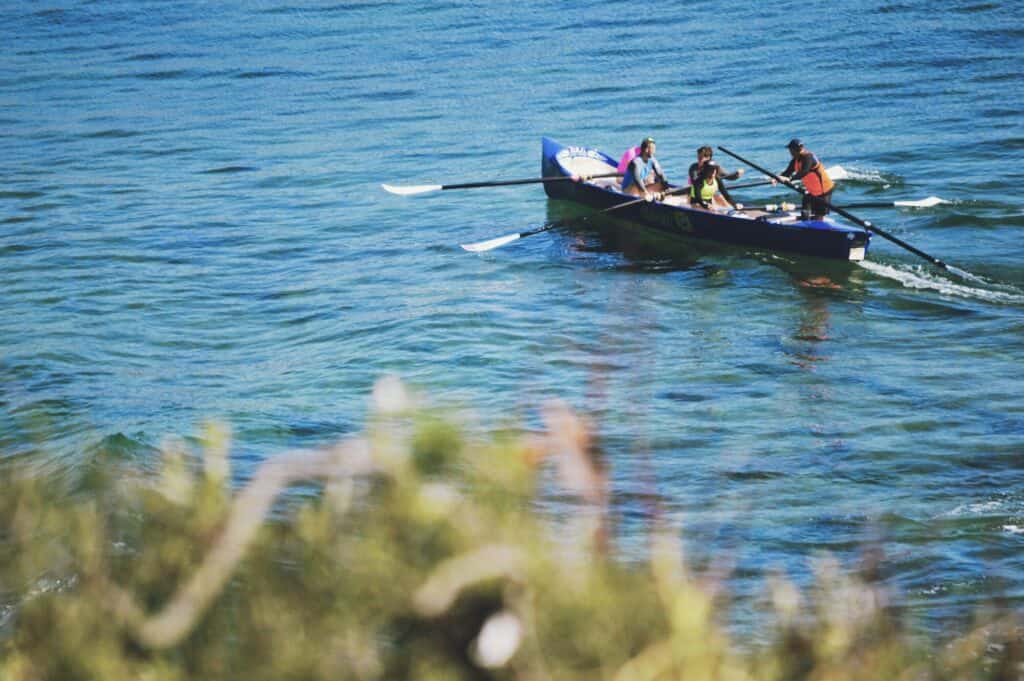
Crowded points need clear customs, and Noosa’s are simple. The surfer closest to the peak has priority, so never drop in on someone already riding. Paddle wide around the line-up rather than through it. Above all, keep control of your board, because longboards are heavy and the rocks are close.
Beginners should start on the inside or on the beach breaks nearby. Then, as skills improve, move gradually toward the busier points. A friendly greeting goes a long way, and locals generally welcome respectful visitors. Swim between the red and yellow flags whenever you are not surfing.
Board choice also shapes etiquette. A longboard catches waves early, so longboarders must share rather than take every set. Likewise, shortboarders should avoid snaking riders from the inside. When in doubt, wait your turn and enjoy the view.
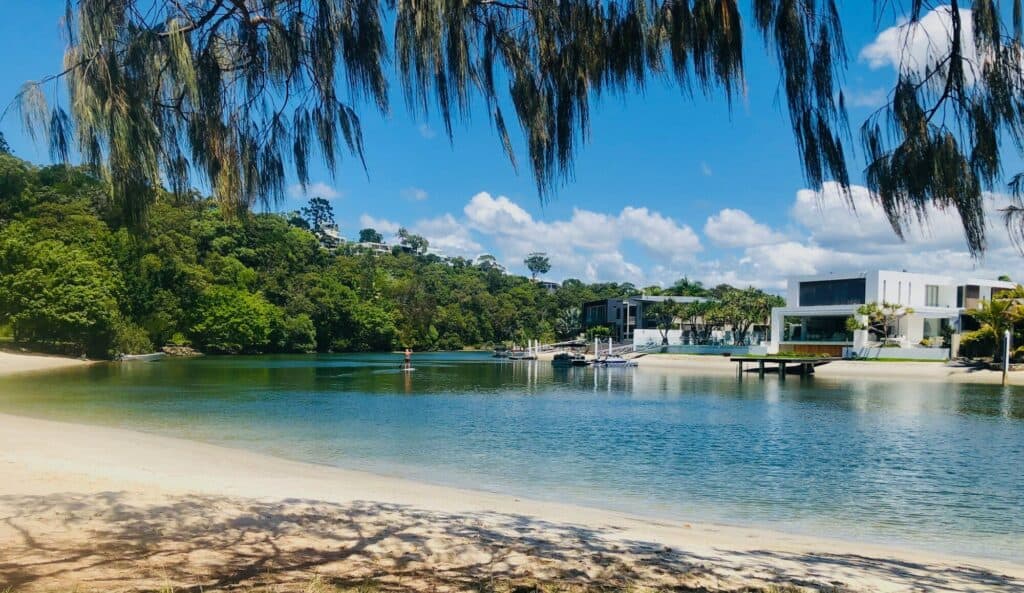
Planning your Noosa surf trip
Noosa is about two hours’ drive north of Brisbane, or a short flight to the Sunshine Coast Airport. Most visitors stay four to seven nights. That gives time for several surf sessions, a day in the Everglades and long lunches in between. Book Hastings Street hotels well ahead for summer and Easter.
Surfing Noosa is also easy to combine with a family holiday. Children can join group lessons while adults surf the points with a coach. Later, everyone meets for lunch on Hastings Street or a swim at Little Cove. Few surf towns make it so simple to please every generation.
A sample week works beautifully. Spend the first three mornings with a coach at First Point and Little Cove. Then explore Ti Tree Bay on foot and spend a day in the Everglades. Finish with a long lunch on Hastings Street. Leave one day free to chase the best swell of the week.
For a longer journey, pair Noosa with Byron Bay or the Gold Coast to the south. Together they form the most elegant surf trip on the east coast. For the wider story, read our guide to Australian surf culture, from Bondi to Margaret River.
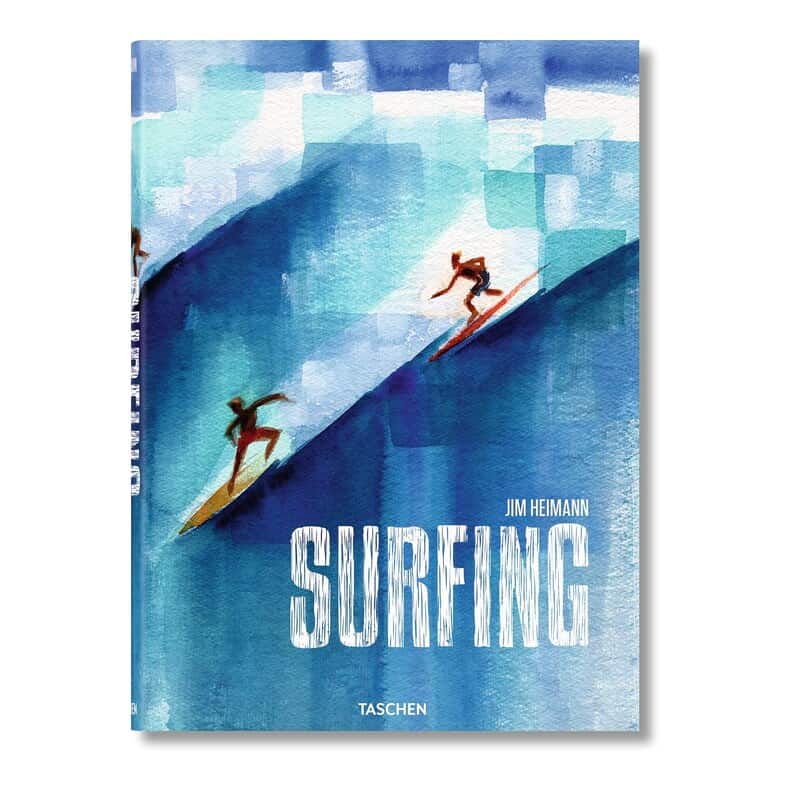
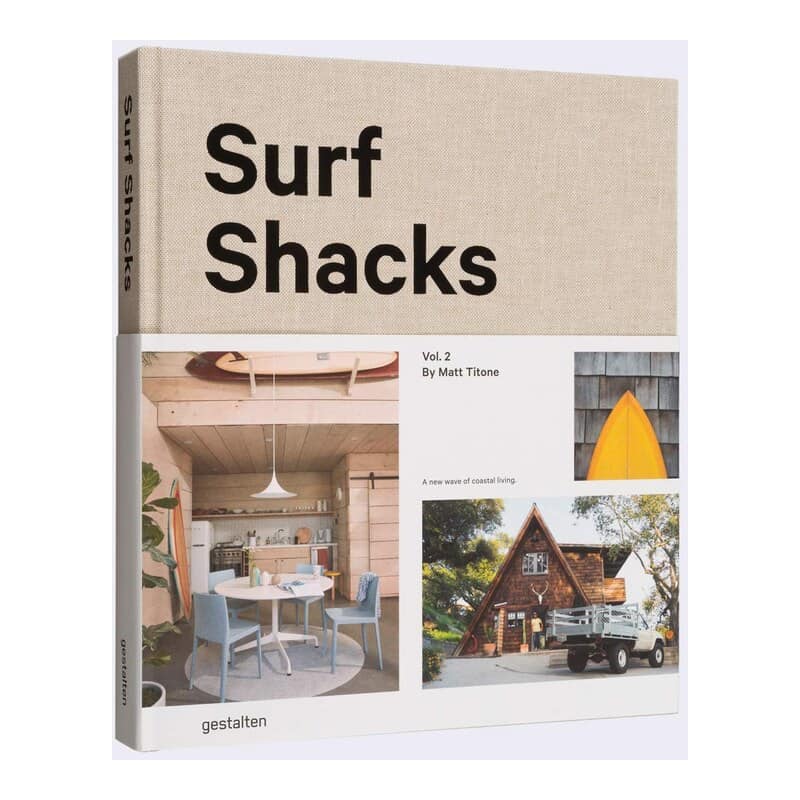
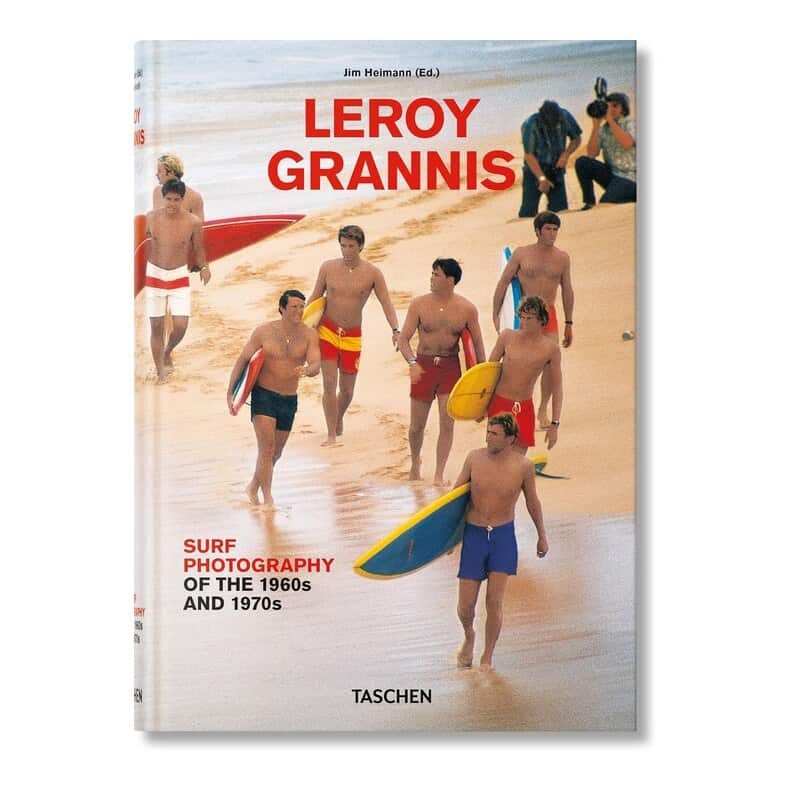
Finally, take a little of Noosa home. These three books capture the style and history that make surfing Noosa so special.
Take our short quiz and find the city, coast and pace of life that suits you best.
Take the quizQuestions worth asking
When is the best time for surfing Noosa?
The best waves usually arrive from about February to May, when tropical swells reach the points. Winter brings clean, sunny mornings, though the points can be flat for long periods.
Is Noosa good for beginners?
Yes. Main Beach and First Point have soft, forgiving waves, and several accredited surf schools work there daily. A private coach can help you progress quickly and safely.
Do I need a wetsuit to surf in Noosa?
Usually not in summer, when boardshorts or a light top are enough. In winter, a thin spring suit keeps you comfortable during early sessions.
Which Noosa break is best for longboarding?
First Point is the classic longboard wave, with Ti Tree Bay and Johnsons close behind. Each offers long, peeling right-handers on the right swell.
Is Noosa a World Surfing Reserve?
Yes. Noosa was officially designated a World Surfing Reserve in 2020, recognizing its environmental, cultural and economic value.
Where should I stay for surfing in Noosa?
Hastings Street puts you within walking distance of Main Beach and First Point. Sunshine Beach and Noosa Sound offer quieter villas and riverside stays.