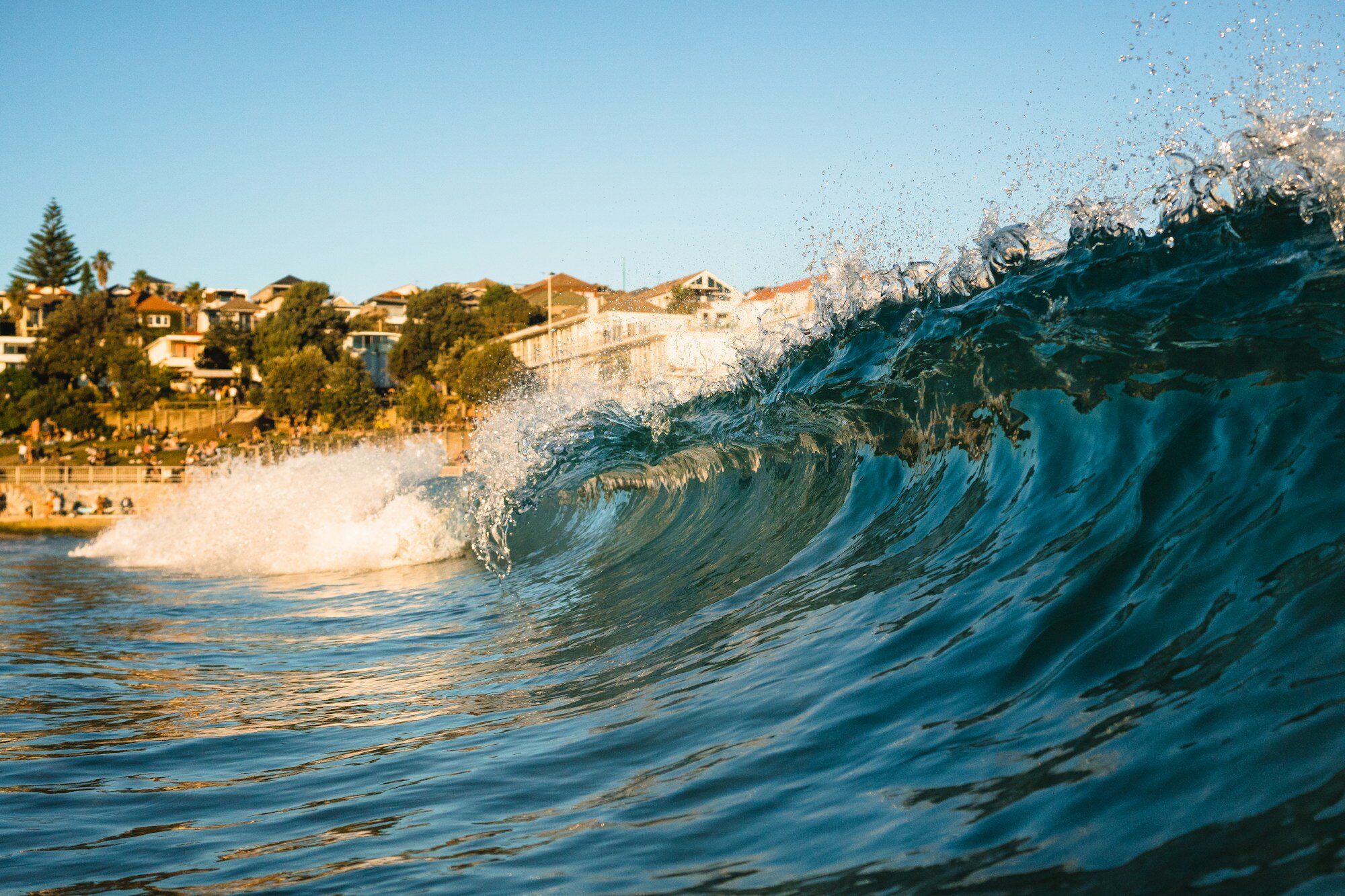
Bondi, Manly and the Northern Beaches up to Palm Beach are the classic Sydney surf beaches. Bondi suits all levels and city stays, Manly is a short ferry ride from the harbor, and the northern peninsula offers quieter breaks and fine dining. Most beaches are patrolled in summer, and autumn usually brings the best waves.
Why Sydney surf beaches are unlike any other city’s
Few great cities live as close to the surf as Sydney. Its eastern suburbs and northern peninsula face the open Pacific along an almost continuous chain of beaches. Each one sits in its own sandstone bay, with a headland at either end. As a result, a world city and a surf town share the same coastline.
Naturally, that closeness shapes daily life. Office workers surf before work, families swim at dusk and ocean pools fill with lap swimmers year round. Meanwhile, the harbor offers museums, galleries and some of Australia’s finest restaurants. For travelers, it means you never have to choose between culture and the waves.
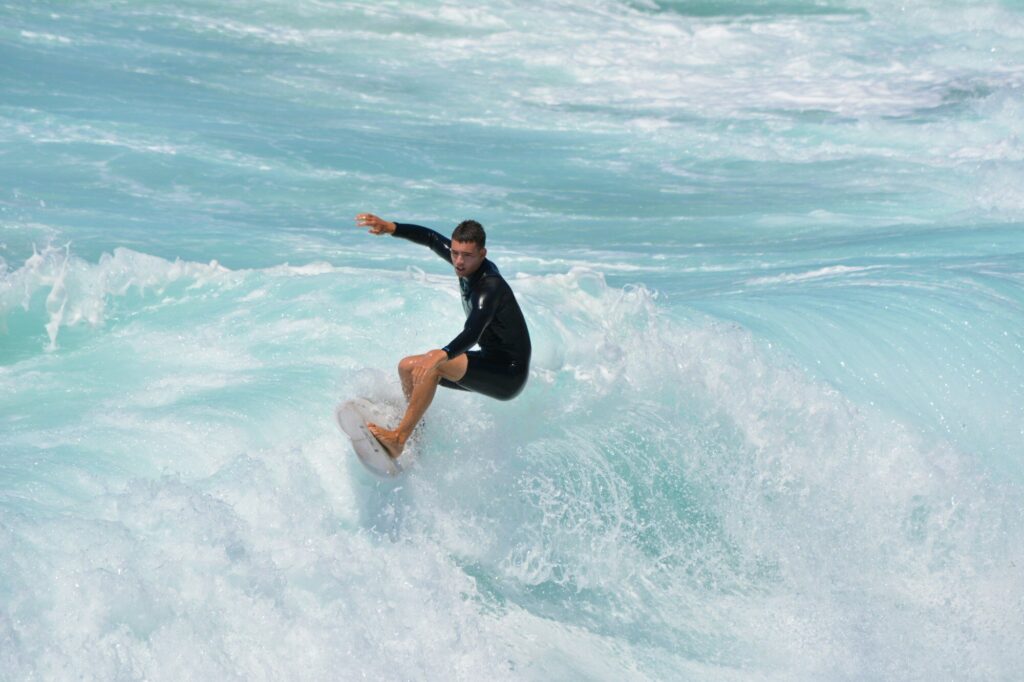
The Sydney surf beaches are also the birthplace of much of Australian surf culture. Surf lifesaving began here, and the first organized clubs patrolled these sands. Ocean pools were carved into the rock by earlier generations. Today, that heritage lives on in every patrolled beach and every early-morning swim.
Beyond the beaches, the culture runs deep in the city’s identity. Sydneysiders measure summer by beach days and judge a weekend by the surf. Meanwhile, newcomers quickly learn the rhythm of dawn swims and long lunches. For visitors, joining that rhythm is the best way to understand the city.
This guide moves from Bondi and the eastern beaches to Manly and the Northern Beaches. It covers when to go, how to book a coach and where to stay and eat. It also explains the ocean pools, the coastal walks and the customs that keep these busy beaches safe.
Bondi, the most famous beach in Australia
Bondi is the image of Sydney surf beaches around the world. Its golden crescent curves between two sandstone headlands, while the city rises close behind. The surf ranges from gentle at the northern end to stronger near the southern rocks. As a result, on most days there is a wave for every level.
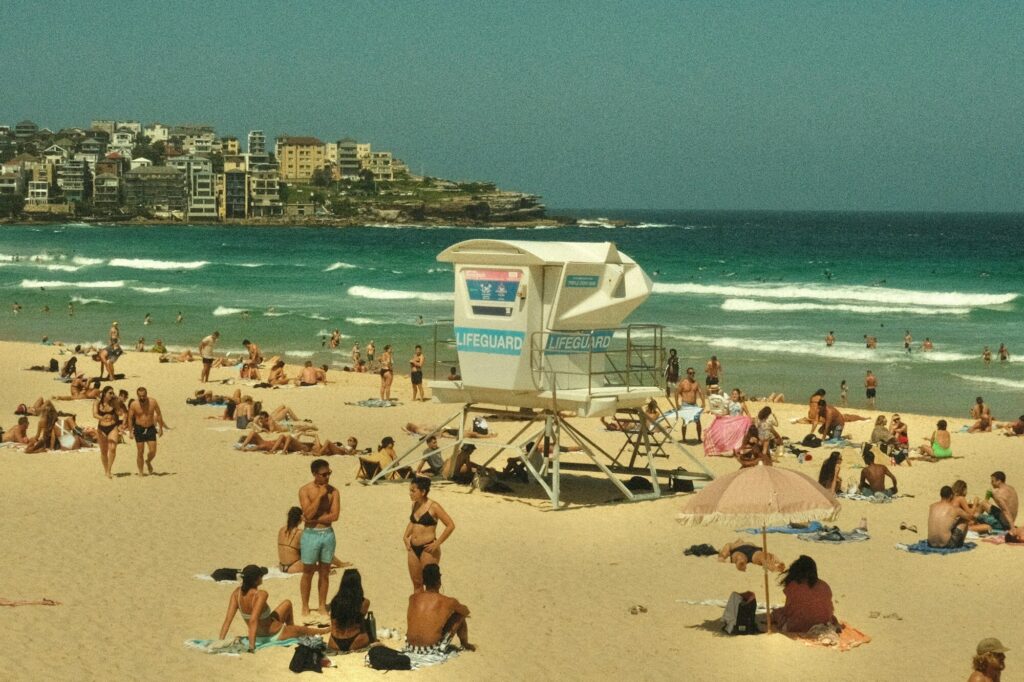
Bondi also holds a special place in surf lifesaving history. According to Waverley Council’s local history archive, Bondi Surf Bathers’ Life Saving Club was founded on 21 February 1907. It is recognized as the oldest official surf club in Australia. The archive also notes that the first council lifeguard began his patrol of Bondi in December 1913.
For surfers, the southern corner, known as Backpackers, offers the best waves on a good swell. The northern end is gentler and better for learning. Meanwhile, the middle of the beach is usually set aside for swimmers between the flags. Follow the lifeguards’ signs, because the zones change with conditions.
Bondi also has a strong creative side. Galleries, design shops and cafes line the streets behind the beach. On Sundays, a market fills the school grounds near Campbell Parade. In other words, there is plenty to do when the surf is flat.
Bondi Icebergs
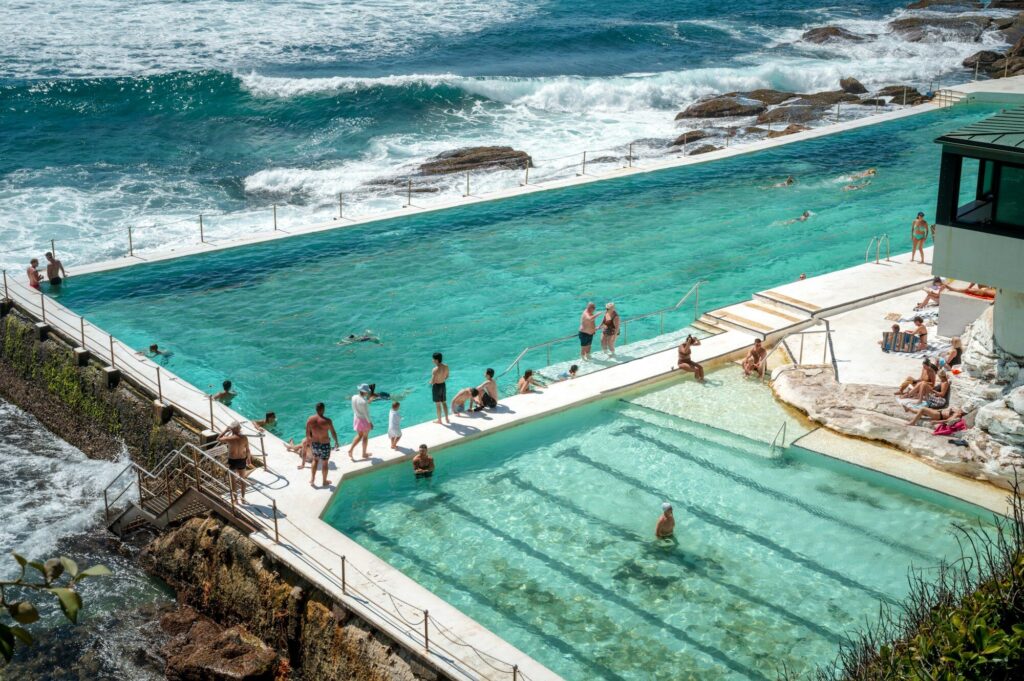
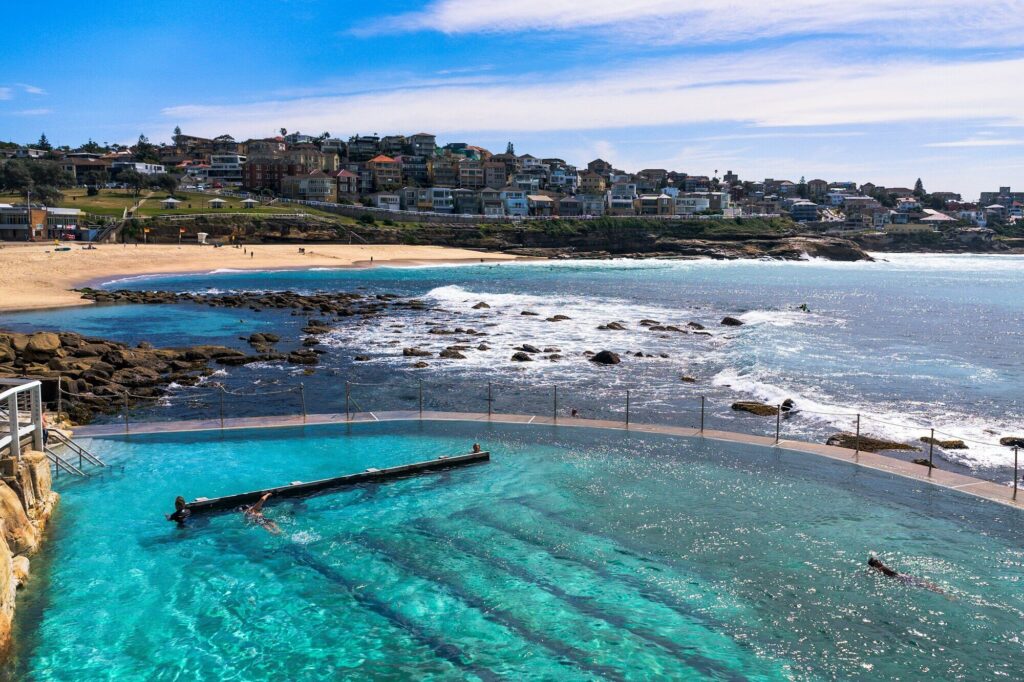
At the southern end of the beach sits Bondi Icebergs. It is one of the most photographed ocean pools in the world. Waves spill over its edge on rough days, while swimmers glide up and down the lanes. Above the pool, Icebergs Dining Room and Bar offers one of Sydney’s great tables. Book a window seat at sunset.
STRAAYA may earn a commission when you buy through these links, at no extra cost to you.
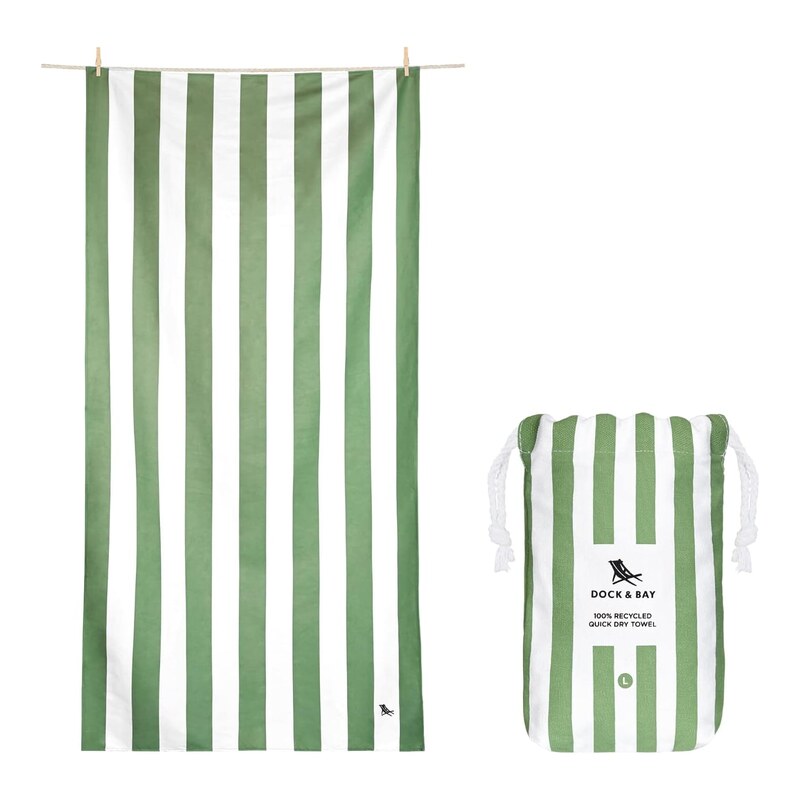
A sand-free, fast-drying towel from the Australian brand.
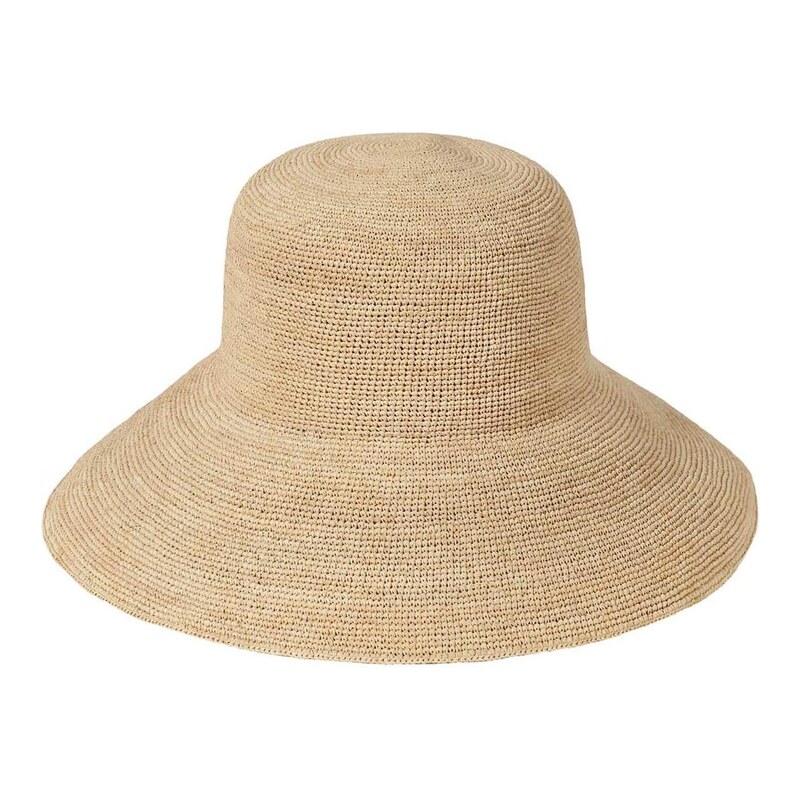
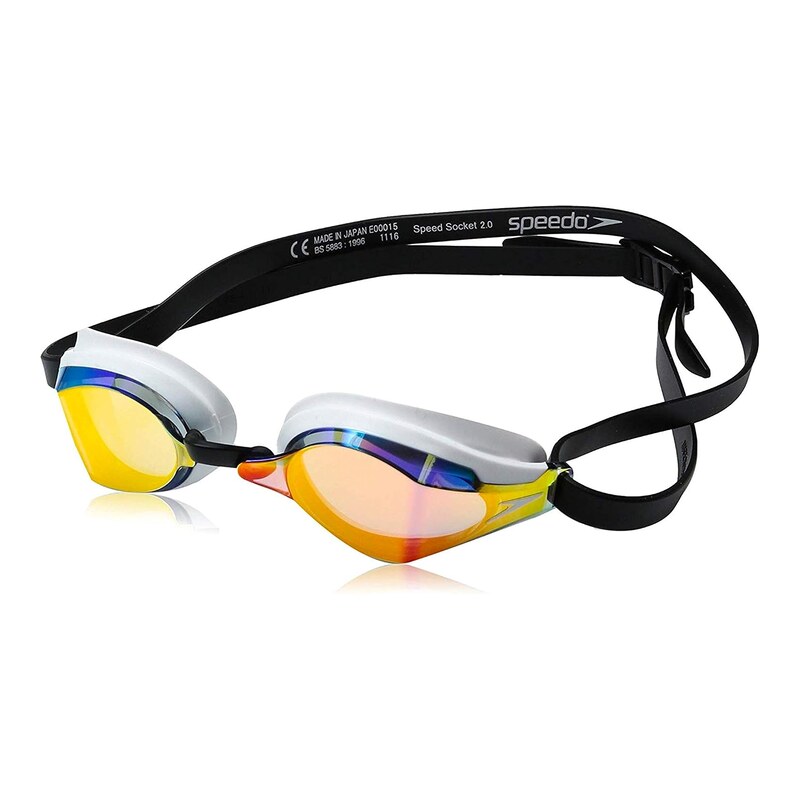
Swimming the ocean pools is a Sydney ritual. Good goggles and a towel that dries fast make every morning swim easier.
Tamarama, Bronte and the eastern beaches
South of Bondi, the coastal walk leads to a string of smaller beaches. Tamarama is a narrow, steep bay with powerful waves. However, it is best left to experienced surfers. Next comes Bronte, wider and more family-friendly, with a park and an ocean pool.
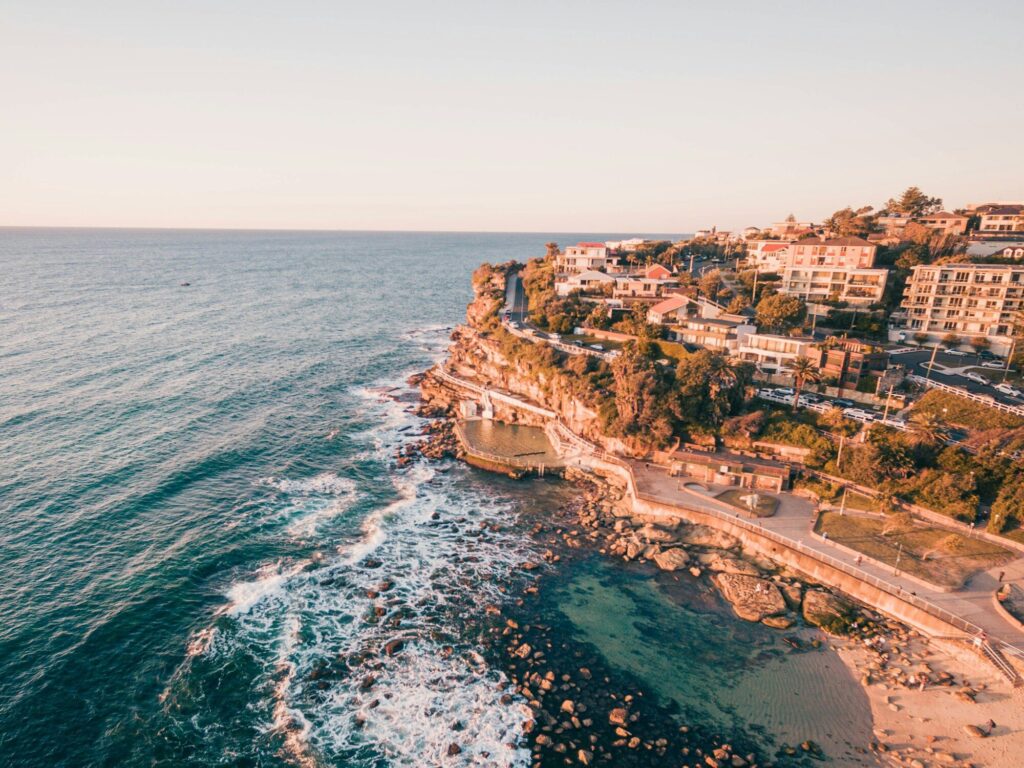
The Bronte Baths sit at the southern end of the beach, carved into the rock shelf. In fact, swimmers use them year round, regardless of the weather. Families picnic on the lawns behind the beach on weekends. In the late afternoon, the light on the sandstone turns golden.
Further south, Clovelly is a sheltered inlet ideal for snorkeling rather than surfing. Coogee offers a lively beachfront and a gentler surf. Beyond it, Maroubra is one of the most consistent surf beaches in the city, with a strong local crowd. Each has its own character and its own loyal regulars.
Cronulla, in the far south of the city, deserves a mention too. It is the only Sydney surf beach reachable by train from the city. Its long beach and reefs produce some of the best waves in Sydney on a good swell. Consequently, it has a proud surf culture of its own.
You may also like
The Bondi to Coogee coastal walk
The coastal walk from Bondi to Coogee is one of the great urban walks in the world. It follows the cliffs past Tamarama, Bronte and Clovelly, with ocean views at every turn. Along the way, it passes ocean pools, lookouts and a historic cemetery on the clifftop. Most people walk it in two to three hours with stops.
Start early in summer, because the sun on the exposed sections is strong. Bring water, a hat and a swimsuit for a dip in one of the ocean pools. In spring, the walk hosts Sculpture by the Sea, a large outdoor art exhibition. At any time of year, it offers a perfect way to explore several Sydney surf beaches in one morning.
For a shorter version, walk from Bondi to Bronte and back. This section takes about an hour and includes the most dramatic cliffs. Afterward, reward yourself with a swim at Bronte Baths and coffee in the park. It is one of the finest mornings Sydney can offer.
Along the way, look for the small details. Aboriginal rock engravings survive on some headlands around Sydney, a reminder of the Gadigal and other coastal peoples. Meanwhile, plaques honor lifesavers and swimmers from earlier generations. These traces add depth to a walk that already feels extraordinary.
Manly and the ferry ride across the harbor
Manly sits on the northern side of the harbor entrance, facing the open ocean. The best way to arrive is by ferry from Circular Quay. The ride passes the Opera House, the Harbour Bridge and the green headlands of the harbor. Few commutes anywhere are so beautiful.
The ferry also gives a sense of Sydney’s scale. Bays, coves and inlets branch off the harbor in every direction. Meanwhile, sailboats and kayaks cross the water around you. By the time you step off at Manly, the city already feels far away.
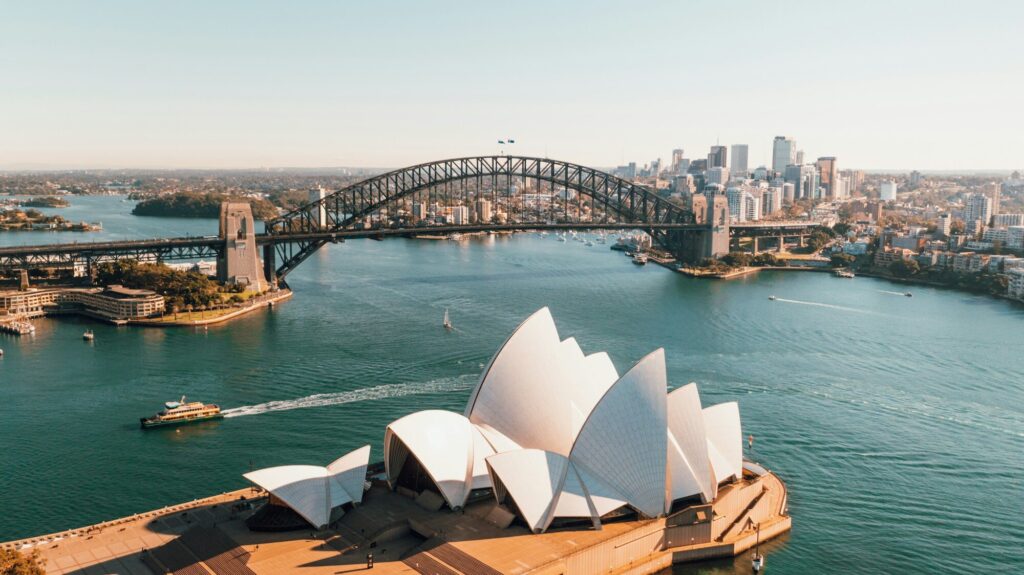
Manly Beach itself stretches north from the Corso to Queenscliff, lined with tall Norfolk pines. In general, its surf is gentler than Bondi’s, especially at the southern end. Several accredited surf schools run lessons here daily. The northern end, near Queenscliff, offers stronger waves for experienced surfers.
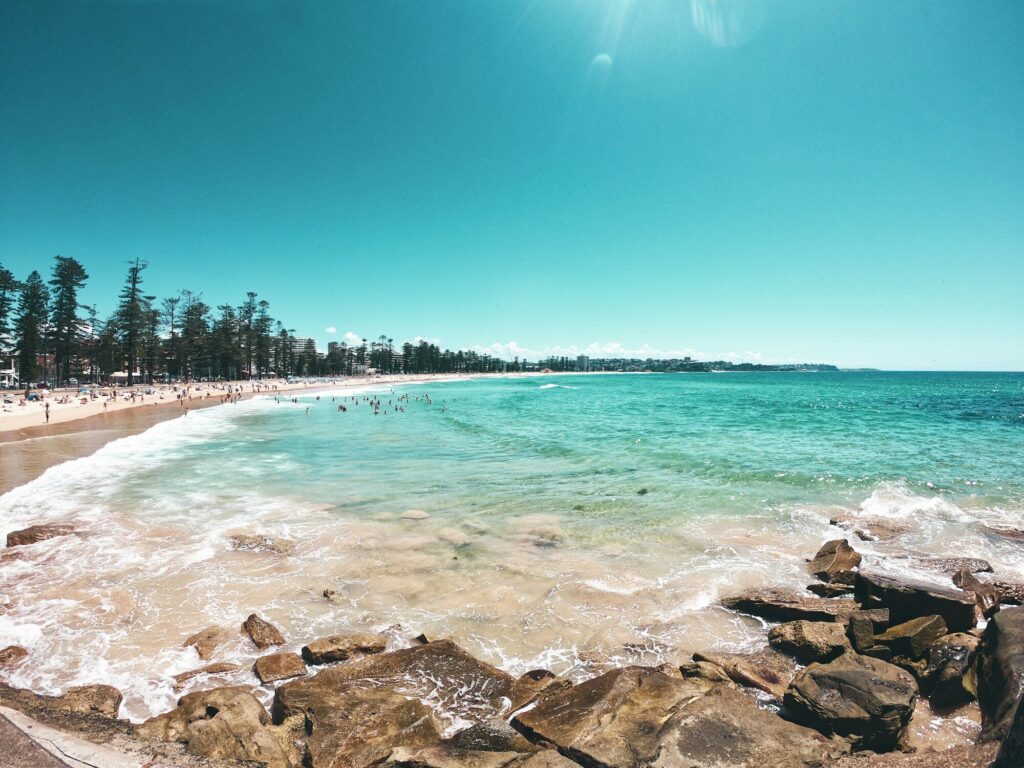
Shelly Beach and Fairy Bower
A short walk south of Manly leads to Shelly Beach. This sheltered cove lies inside the Cabbage Tree Bay Aquatic Reserve. The water is often clear and still, ideal for snorkeling with fish and rays. Along the way, the path passes Fairy Bower and its small ocean pool. According to Northern Beaches Council, Fairy Bower is a 20-meter rockpool built by local residents in 1929.
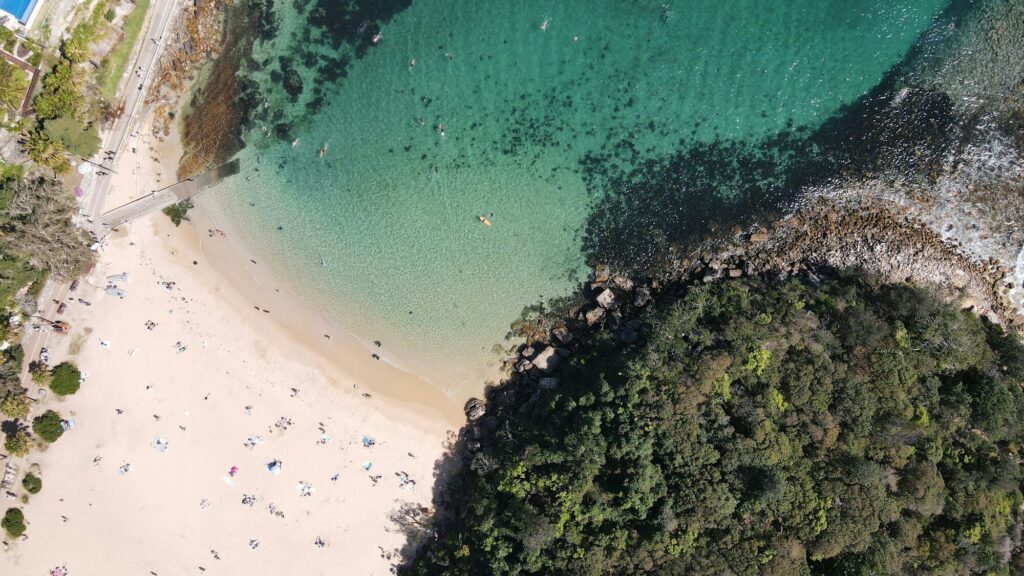
Manly also has a strong place in surf history. It hosted one of the earliest world surfing championships. Today, the surf clubs, cafes and beachfront promenade keep that spirit alive. Spend a day here, and you will understand why so many Sydneysiders never leave the northern side.
Manly is also a good base for exploring further north. Buses run along the peninsula, and a car makes it easy to beach-hop. In addition, the Manly to Spit Bridge walk follows the harbor foreshore through bushland and quiet beaches. It offers a different, gentler side of the city’s coast.
Manly’s culture extends beyond the beach as well. The Corso, a pedestrian street, links the ferry wharf with the ocean. Along it, cafes, bars and shops stay busy into the evening. Therefore, Manly works as well for a relaxed night as for a morning surf.
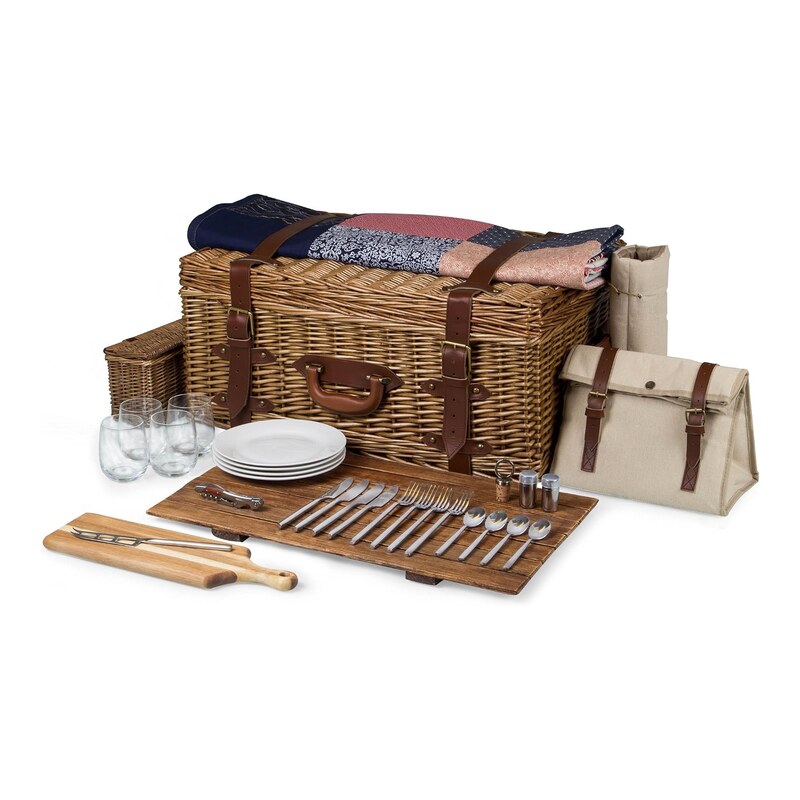
A willow basket set for four with plates and glasses.
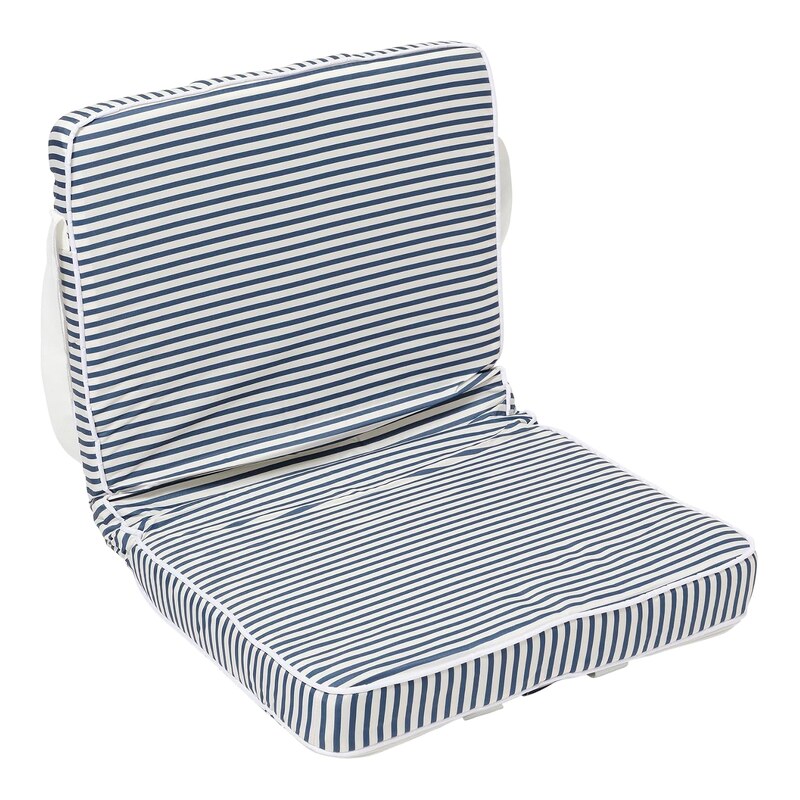
A light, padded chair that folds flat for the walk down.
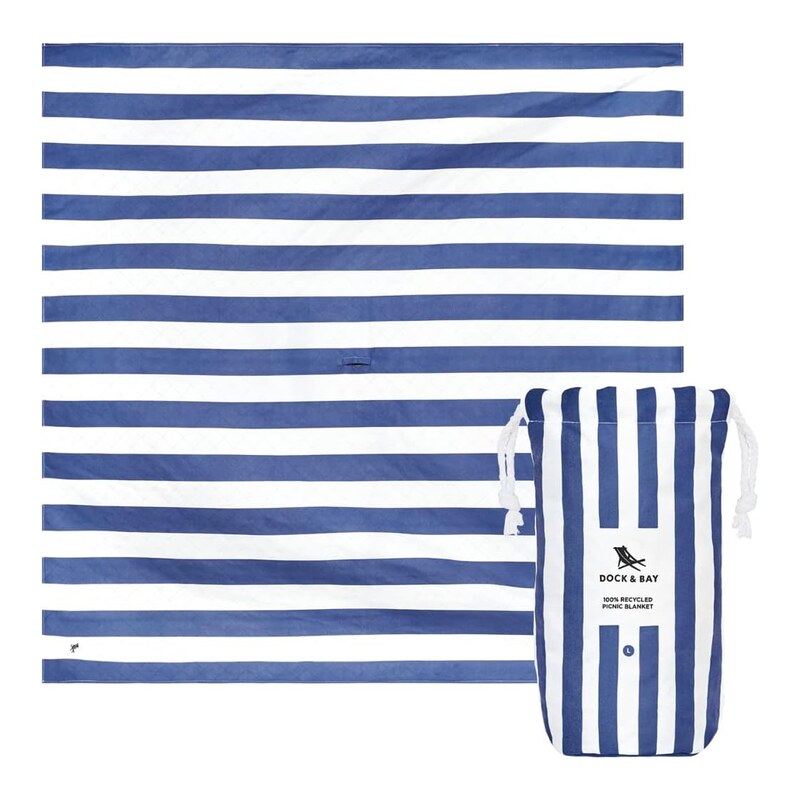
A water-resistant blanket made from recycled materials.
A long afternoon on a northern beach calls for a proper picnic. These pieces make the day effortless.
The Northern Beaches from Freshwater to Palm Beach
North of Manly, the Northern Beaches run for miles up a narrow peninsula. Freshwater comes first, a small bay with a big place in surf history. A statue of the Hawaiian swimmer Duke Kahanamoku stands on the headland. It honors his famous surfboard demonstration here more than a century ago.
Beyond Freshwater, Curl Curl, Dee Why and Long Reef offer consistent beach breaks. North Narrabeen is famous for a long, powerful left-hand wave near the lagoon entrance. Further north, Newport, Avalon and Bilgola feel more like holiday villages than city suburbs. Each beach has its own surf club, ocean pool and loyal locals.
Narrabeen in particular holds a special place in Australian surfing. Its lagoon and point have produced generations of talented surfers. Similarly, Dee Why and Curl Curl have strong board-riding clubs. Watching their members surf on a good morning shows the depth of talent on these beaches.
The Northern Beaches ocean pools are a highlight in their own right. Many sit at the end of the beach, filled by waves at high tide. Locals swim them at dawn in every season. Joining them for a few laps is one of the most authentic Sydney experiences.
Many of these pools have long histories. Some were cut by hand by local residents in the early twentieth century. Others were built by councils to give families a safe place to swim. Together, they form one of the most distinctive features of the Sydney surf beaches.
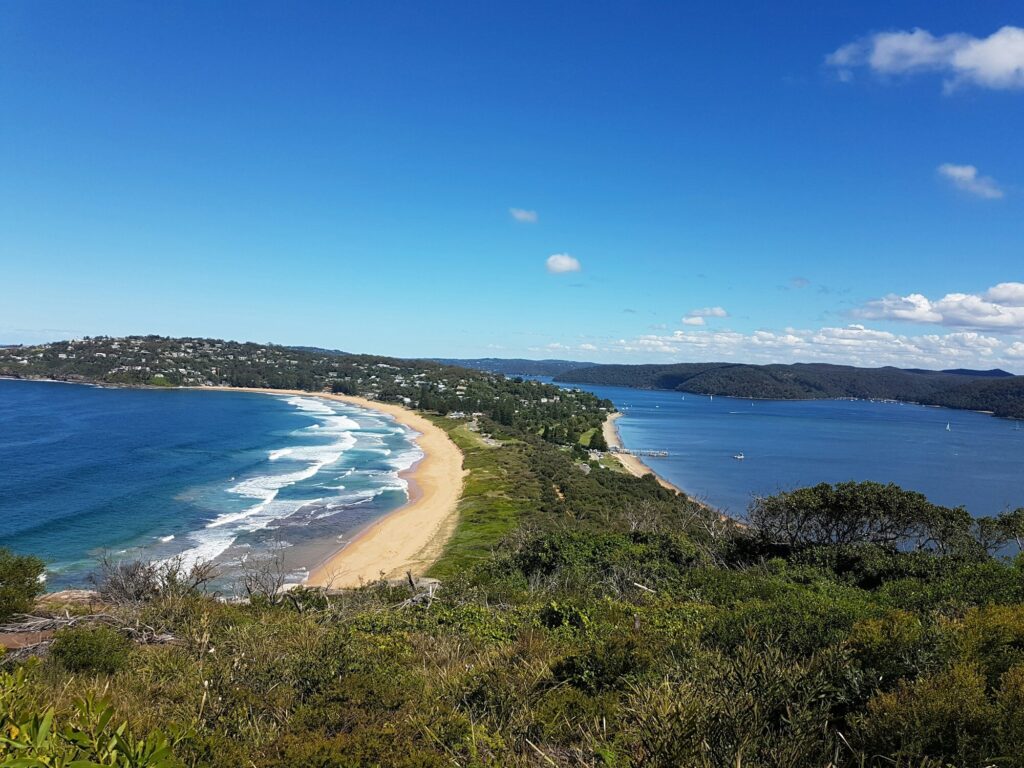
Whale Beach and Palm Beach
At the tip of the peninsula, Whale Beach and Palm Beach are the most exclusive corners of Sydney. Above the sand, grand houses cling to the hillsides. Whale Beach offers good waves in a beautiful, enclosed bay. Palm Beach is longer and more varied. It has surf on one side and the sheltered waters of Pittwater on the other.
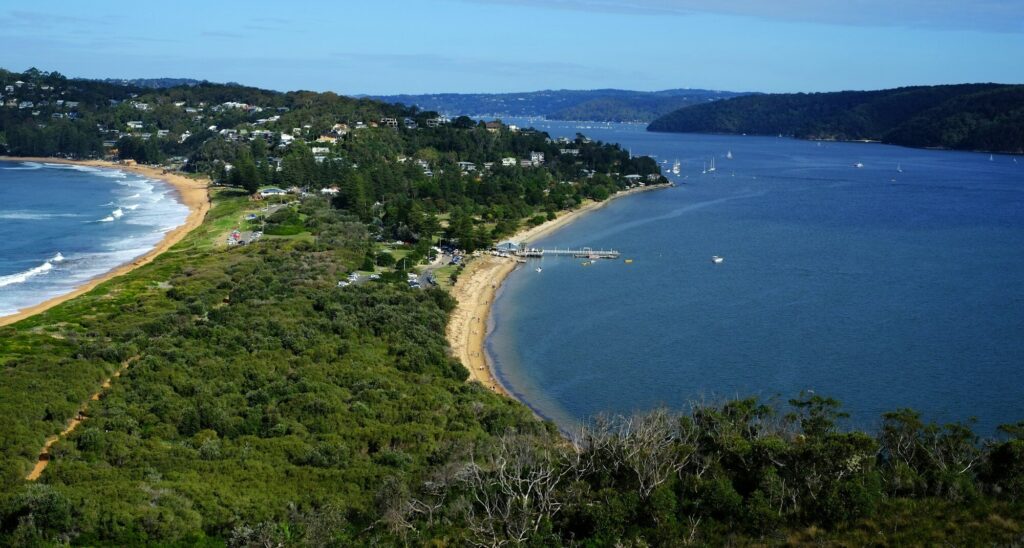
A walk to Barrenjoey Lighthouse is the perfect end to a day at Palm Beach. The track climbs the headland to sweeping views over the ocean, Pittwater and the Central Coast. Although it is steep in places, it is short. At sunset, the views are unforgettable.
Palm Beach also has a long connection with film and television. Its beaches and homes appear in many Australian productions. Even so, the village keeps a relaxed, local feel. On weekday mornings, it is mostly locals walking dogs and surfers checking the waves.

You may also like
When to visit the Sydney surf beaches
Sydney receives swell all year, but autumn is usually the best season. From March to May, the water is still warm and groundswells arrive regularly. Morning winds often blow offshore from the west. As a result, many local surfers consider these months the finest of the year.
Winter, from June to August, brings cooler water and bigger swells. On clear days, moreover, the light is spectacular and the beaches are quiet. Spring often sees northeasterly winds in the afternoon, so surf early. Summer is warm and lively, with plenty of activity but smaller and less consistent waves.
| Beach | Surf | Best for | Notes |
|---|---|---|---|
| Bondi | Beach break, stronger in the south | All levels | Iconic, busy, patrolled |
| Tamarama | Powerful, steep waves | Experienced surfers | Small and dramatic |
| Bronte | Beach break | Families and intermediates | Ocean pool and park |
| Maroubra | Consistent beach break | Intermediate to advanced | Strong local crowd |
| Manly | Gentle to moderate | Beginners | Ferry from Circular Quay |
| Freshwater | Beach break | Intermediates | Duke Kahanamoku statue |
| North Narrabeen | Powerful left | Advanced | Near the lagoon entrance |
| Whale Beach | Enclosed bay | Intermediates | Quiet and beautiful |
| Palm Beach | Beach break | All levels | Barrenjoey Lighthouse walk |
Water temperatures range from about cool in winter to pleasantly warm in late summer. A spring suit or a light full suit covers most of the year. In January and February, many surfers wear only boardshorts or a swimsuit.
Crowds follow the calendar too. Summer weekends and school holidays bring huge numbers to Bondi and Manly. However, weekday mornings outside holidays are far quieter. For the best experience, surf early and spend the busy afternoon hours elsewhere.
Swell direction also changes which beaches work best. Southerly swells favor the more exposed northern beaches and Maroubra. In contrast, northeasterly swells often suit Bondi and Manly. A local coach or surf forecast will point you to the right beach each morning.
Booking a private surf coach in Sydney
A private coach is the fastest way to enjoy the Sydney surf beaches. They choose the right beach for the swell, wind and your level. They also explain the local customs that keep crowded line-ups friendly. Many coaches will meet you at your hotel or at the beach.
Look for a coach accredited by Surfing Australia, the national body for the sport. Beginners usually start at the northern end of Bondi, Manly or Dee Why. Intermediate surfers can explore the reefs and points with expert guidance. For advanced surfers, an early session on the northern peninsula avoids the crowds.
Group lessons are popular and sociable, especially at Bondi and Manly. Nevertheless, a private session offers more attention and faster progress. Many visitors book one private lesson to start, then join group sessions later in the week. Either way, the right coach makes Sydney feel welcoming from the first wave.
Equipment is easy to arrange too. Surf shops at Bondi, Manly and Dee Why rent quality boards and wetsuits by the hour or day. Many coaches also supply soft boards for beginners. As a result, you can travel light and still surf every day.
Where to stay for Sydney surf beaches
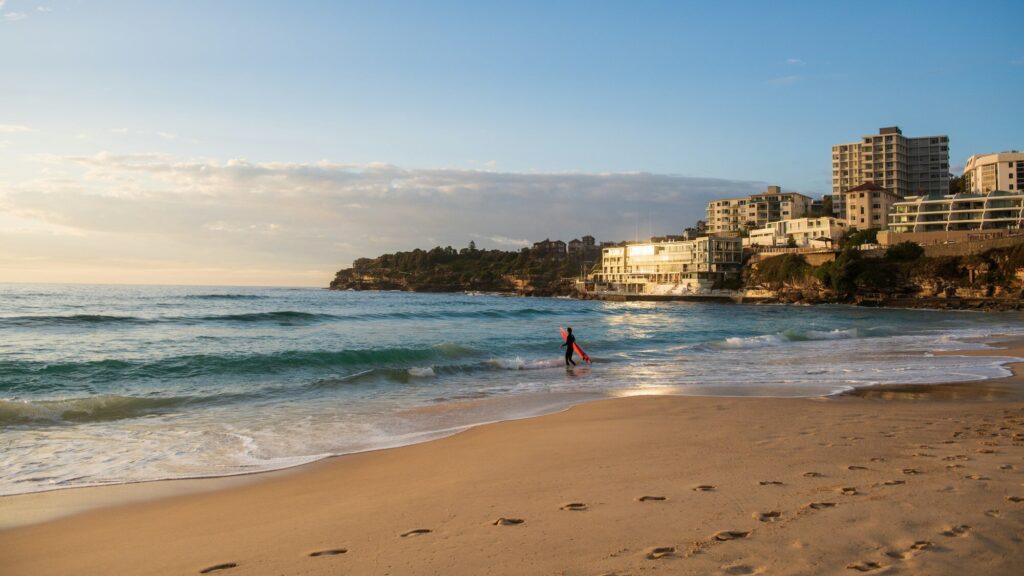
Many visitors base themselves on the harbor and travel to the beaches. Park Hyatt Sydney, beside the Opera House, offers some of the city’s finest rooms and views. Capella Sydney occupies a grand heritage building in the city center. Consequently, both make it easy to combine culture and surf in a single day.
For a beach-first trip, stay at Bondi or Manly. Boutique hotels and apartments sit just above the sand at both. In Manly, Q Station offers rooms in a historic quarantine station on the harbor headland. It combines heritage, nature and quick access to the beaches.
On the northern peninsula, Jonah’s at Whale Beach is a classic retreat. Here, the rooms and restaurant look straight down onto the bay. Many travelers spend a night or two there at the end of their stay. It is the most relaxed way to experience the northern Sydney surf beaches.
Families often prefer apartments with kitchens and space. Bondi, Coogee and Manly all have good options close to the beach. Moreover, the ocean pools and patrolled beaches make these suburbs ideal for children. Book early for summer and school holiday periods.
Wherever you stay, plan your days around the ocean. Check the surf forecast in the evening and choose a beach for the morning. Then leave the afternoons for museums, galleries or long harbor lunches. That rhythm captures the best of the Sydney surf beaches and the city behind them.
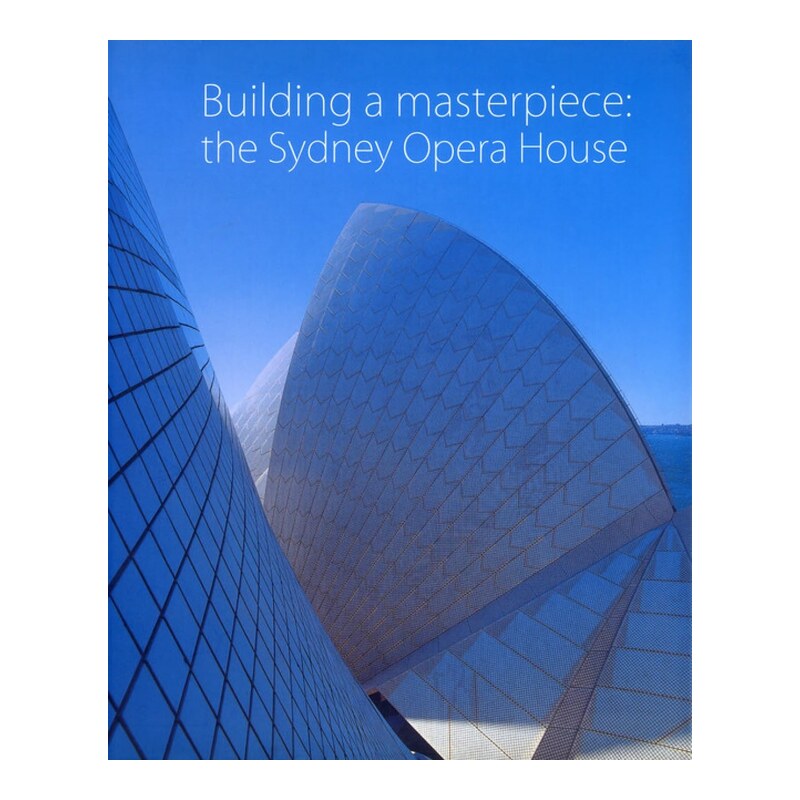
The story of how Utzon’s sails rose over the harbor.

A visual history of Australia’s most famous building.
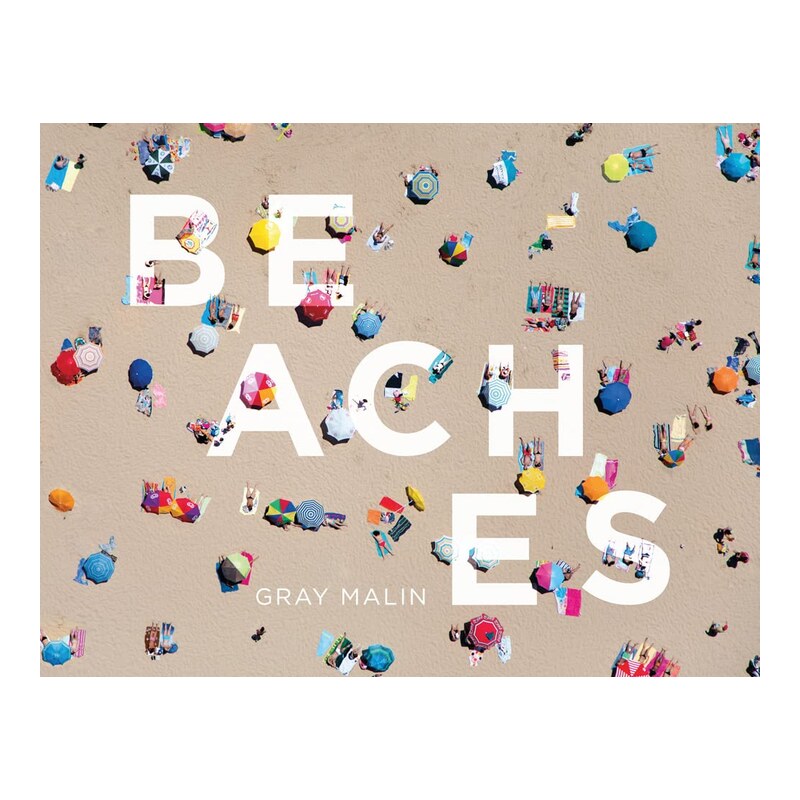
Before or after the beach, Sydney’s great buildings deserve a closer look. These books bring the Opera House and the beaches to life.
The Sydney beach table
Sydney’s beaches have some of the best restaurants in Australia. At Bondi, Icebergs Dining Room and Bar and Sean’s are long-standing favorites. Totti’s offers a lively Italian lunch near the beach. Meanwhile, the cafes along Campbell Parade are perfect after an early surf.
In the north, Barrenjoey House and The Boathouse Palm Beach are classic weekend stops. Jonah’s serves refined dishes with ocean views at Whale Beach. Manly’s beachfront and Corso offer everything from casual fish and chips to fine dining. Book ahead for weekend lunches, especially in summer.
Sydney’s seafood is a highlight. Rock oysters, kingfish and prawns appear on menus across the city. For a more casual experience, the Sydney Fish Market sells fresh seafood daily. Take a platter to a harbor park for an easy, memorable lunch.
Coffee is another Sydney obsession. Specialty cafes sit on almost every corner near the beaches. Locals often grab a flat white after their morning swim or surf. Therefore, start your day the same way, and you will feel at home quickly.
Surf etiquette and safety on Sydney beaches
Sydney surf beaches are busy, so etiquette and safety matter. Always swim between the red and yellow flags, which mark the patrolled area. Surfers must stay outside the flagged zones. If you are unsure of conditions, ask a lifeguard before entering the water.
Rips are the biggest hazard on these beaches. They often look like smoother, darker patches between breaking waves. If you are caught in one, stay afloat and raise an arm for help. Alternatively, swim parallel to the shore. In the line-up, never drop in, and paddle wide around other surfers.
Sun protection is just as important. The Australian sun is intense, even on cloudy days. Wear a hat, sunglasses and high-protection sunscreen, and reapply after swimming. In addition, drink plenty of water during long days on the sand.
Finally, respect the local wildlife and environment. Several stretches of coast are protected as aquatic reserves, including Cabbage Tree Bay near Manly. There, fishing is restricted and marine life is abundant. Take only photographs and leave the rock pools as you found them.
Planning your Sydney surf trip
Sydney Airport sits about thirty minutes from Bondi and the eastern beaches. Ferries and buses link the city with Manly and the Northern Beaches. Most visitors spend five to seven nights in Sydney. That allows time for several beaches, a harbor day and a few memorable meals.
A sample week works well. Spend three nights near Bondi for the eastern beaches and the coastal walk. Then move to Manly or the harbor for two nights of ferries and city life. Finally, finish with two quiet nights at Whale Beach, surfing the northern Sydney surf beaches at dawn.
For a longer journey, fly north to Gold Coast surfing, Byron Bay surfing or surfing Noosa. Each offers warmer water and long point breaks. To see how the Sydney surf beaches fit into the national story, read our guide to Australian surf culture.
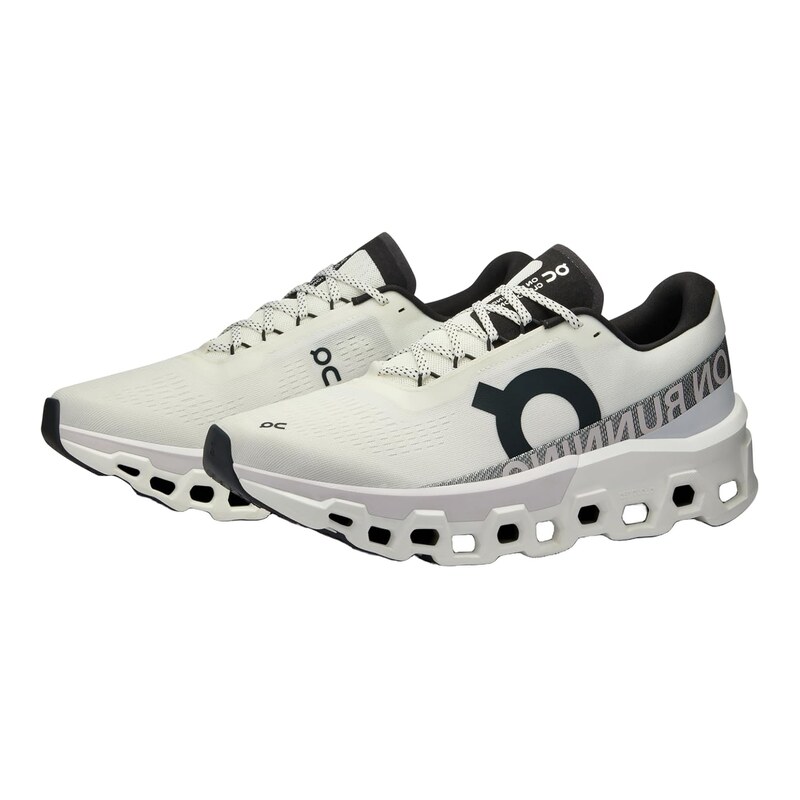
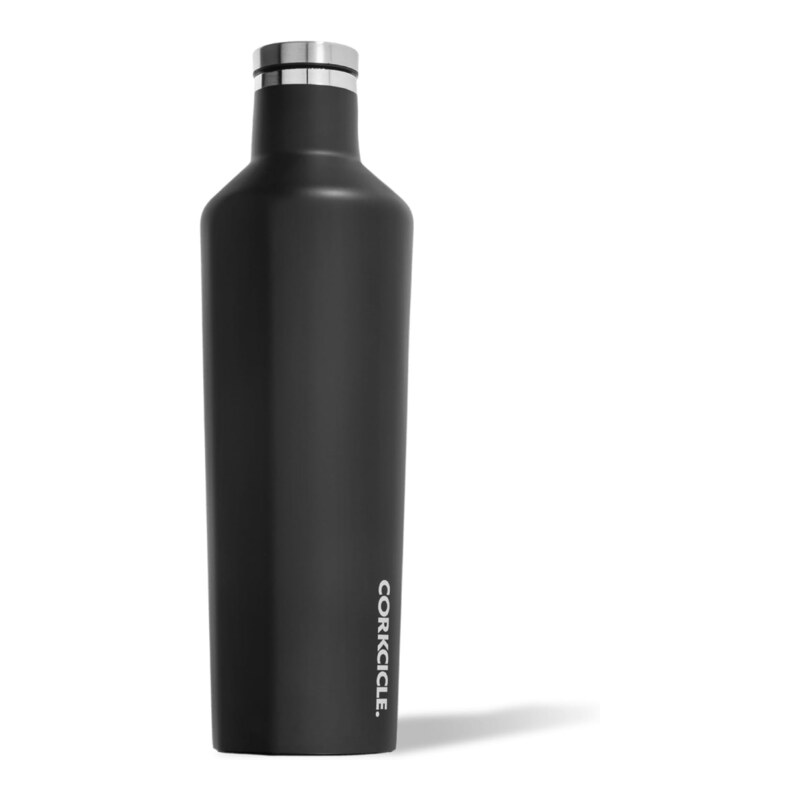
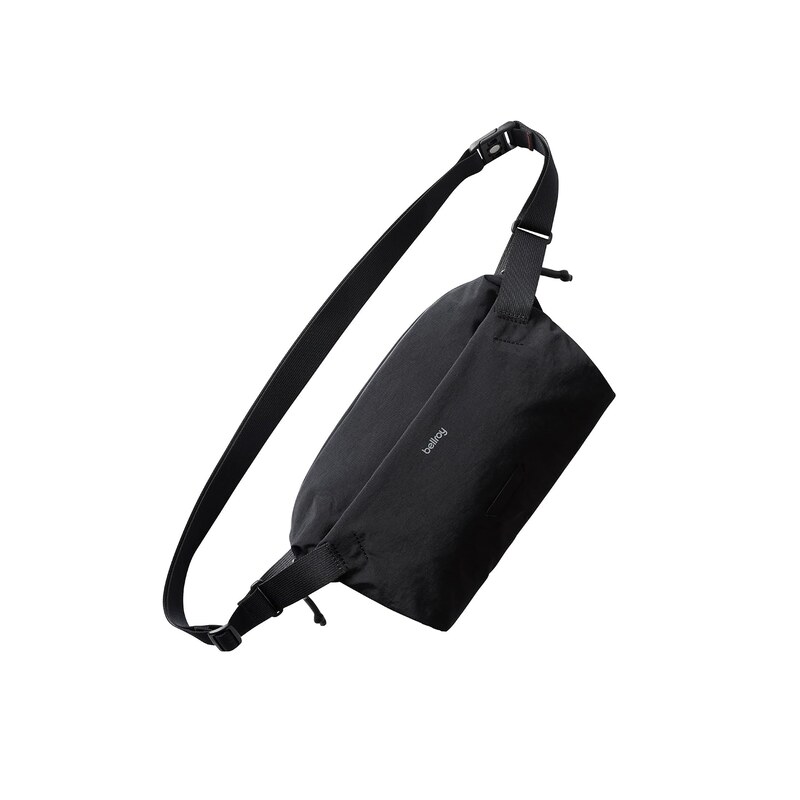
A light crossbody bag from the Melbourne brand for phone, keys and sunscreen.
A day on the coastal walk needs light, comfortable gear. These pieces keep you moving from beach to beach.
Take our short quiz and find the city, coast and pace of life that suits you best.
Take the quizQuestions worth asking
What is the best Sydney beach for beginner surfers?
Manly, the northern end of Bondi and Dee Why suit beginners, especially with an accredited coach. Their waves are usually gentler and their beaches are patrolled.
When is the best time to surf in Sydney?
Autumn, from March to May, usually brings the best combination of warm water, regular swell and offshore morning winds.
How do I get from the city to Manly?
Take the ferry from Circular Quay. The ride passes the Opera House and Harbour Bridge and takes about half an hour.
What is the oldest surf club in Australia?
Bondi Surf Bathers’ Life Saving Club, founded in February 1907, is recognized as the oldest official surf club in Australia.
Are Sydney beaches safe for swimming?
Yes, when you swim between the red and yellow flags at patrolled beaches. Rips are common, so always follow the lifeguards’ advice.
Where should I stay to surf in Sydney?
Bondi and Manly put you on the sand, while harbor hotels like Park Hyatt Sydney suit travelers combining culture and surf. Jonah’s at Whale Beach is a quiet northern retreat.