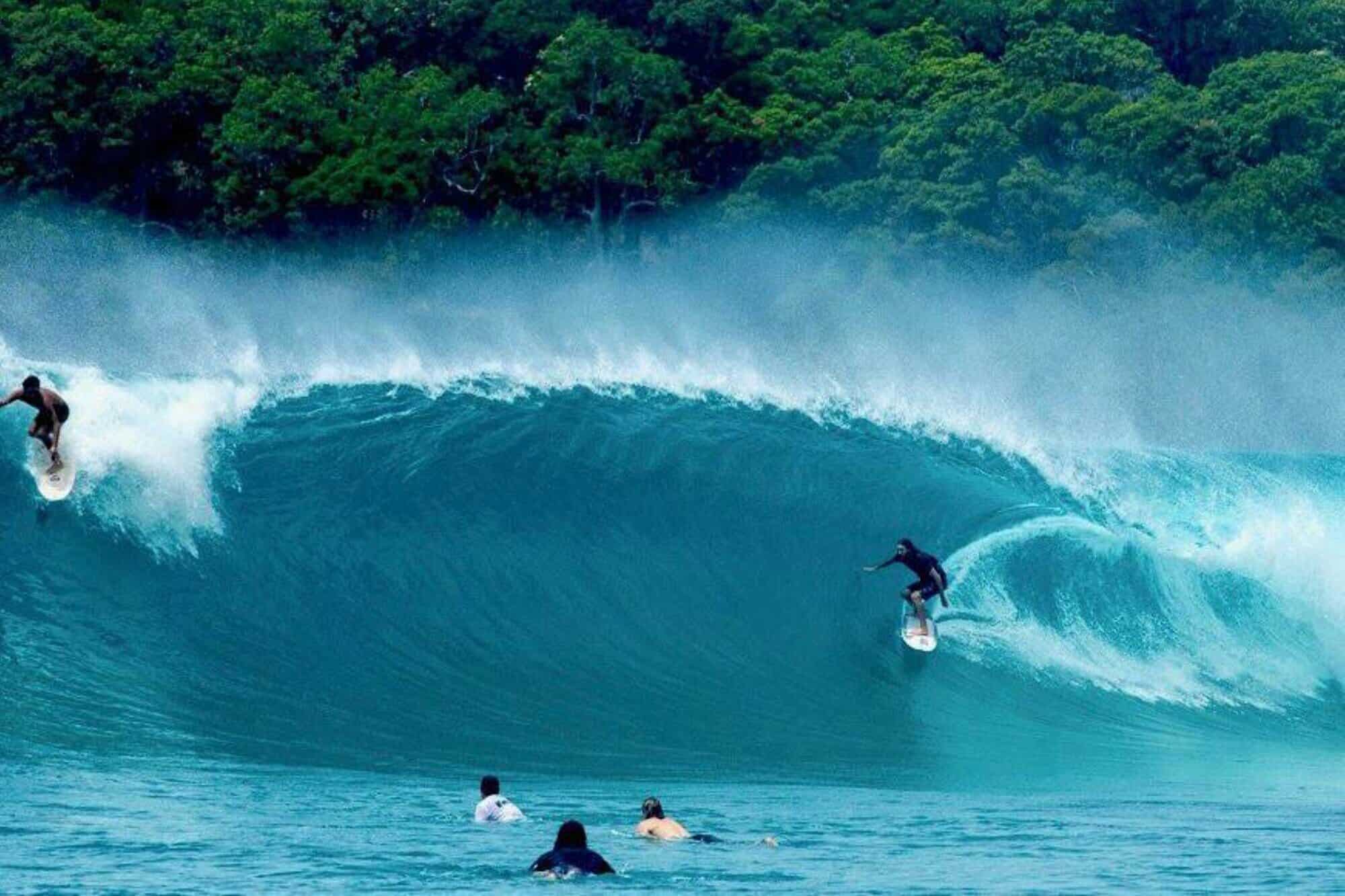
Australian surf culture is the way of life that grew up on the country’s beaches. It joins volunteer lifesavers, board shapers, champions and the families who swim at dawn. It also carries a deep instinct to protect the coast, which is why Australia created the world’s first surfing reserve.
How the ocean shaped Australian surf culture
Most Australians live within reach of the sea, and nearly every beach is public. That simple fact explains a great deal. Here, the coast belongs to everyone, so the surf belongs to everyone too. A judge, a plumber and a teenage grommet can share the same peak at sunrise.
For a visitor, that openness is the first surprise. There are no private beach clubs on the great breaks, no velvet ropes on the sand. Instead, luxury in surf Australia means something quieter. It means a suite above the point and a guide who knows the tides. It also means a long lunch after the session.
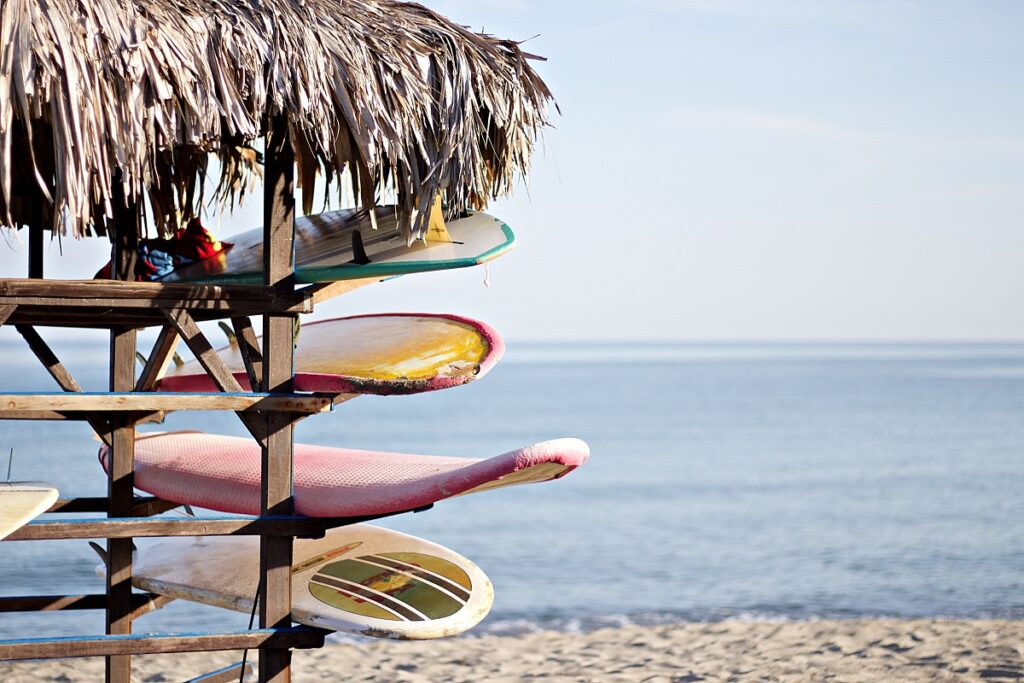
Australian surf culture is best understood at dawn. Long before work, the car parks above the great breaks fill with wetsuits and coffee cups. Older surfers trade news of the swell, while children run the sand in club caps. By eight, most of them are gone, and the beach belongs to swimmers again.
This guide follows the six coasts that shaped Australian surf culture. It begins in Noosa and runs south through the Gold Coast, Byron Bay and Sydney. Then it crosses to Bells Beach in Victoria and ends in Margaret River in the far west. Along the way, it meets the lifesavers, shapers and custodians who made the beach Australian.
Sea Country and the first ocean custodians
Long before Australian surf culture began, the coast was already Country. Aboriginal and Torres Strait Islander peoples call it Sea Country. The term covers water, reef, seabed and the stories that bind them. Many coastal nations still describe themselves as saltwater people.
Bells Beach shows how deep that connection runs. The Wadawurrung People are its Traditional Custodians. They have cared for it for over 65,000 years, according to the Great Ocean Road Coast and Parks Authority. Their name for it is Djarrak, meaning “bended arm”, after the curve of the cliffs.

Meanwhile, in the southwest, the Wadandi people know the Margaret River coast as their own saltwater home. Today, a growing number of guides share that knowledge directly. A cultural walk with a Traditional Owner adds a layer no surf lesson can match. Ask your hotel to arrange one early, since places are limited.
Many coastal nations now manage their Sea Country through Indigenous ranger programs. These teams monitor turtles, dugongs and seagrass, and they care for sacred sites along the shore. Their work is part of the same protective instinct that later shaped the surfing reserves. In other words, the oldest ocean culture on earth still guards these beaches.
Noosa, where the points run long and slow
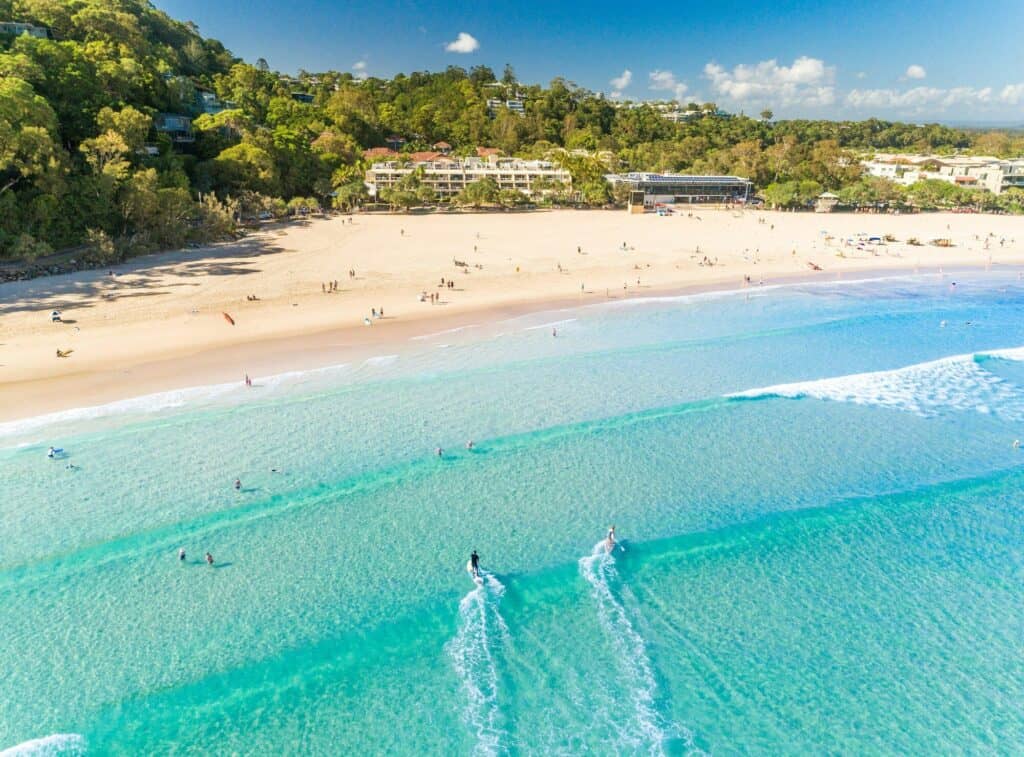
Noosa is the gentlest entry to Australian surf culture, and also one of the most refined. A chain of right-hand points wraps around the headland of Noosa National Park. On a clean swell, each wave peels for what feels like minutes. Longboarders glide from First Point toward Main Beach with unhurried style.
Where to stay and what to book
Hastings Street is the address. Netanya Noosa sits right on the sand, while Sofitel Noosa Pacific Resort faces the river and the strip. Either way, you can walk to the water with a board under your arm. For the best waves, book between February and May, when cyclone swells reach the points.
A private longboard coach is the classic Noosa experience. Sessions usually start at First Point, where the wave is soft and the crowd is friendly. Afterward, walk the coastal track to Tea Tree Bay and Granite Bay. Koalas sometimes sit in the gums above the path.
The table and the conservation story
Dinner belongs on Hastings Street, where Sails looks straight onto Laguna Bay. Order local spanner crab and a glass of Queensland riesling. Then, at dawn, join the swimmers at Main Beach before the surf school vans arrive.
The beach ritual
Noosa’s rhythm is set by the longboard. Each March, the Noosa Festival of Surfing fills the points with classic boards and cross-stepping style. Even outside festival week, the line-up at First Point feels like a moving gallery. Bring a single fin, wax up slowly and let the wave do the work.
Noosa also guards its waves formally. According to the Queensland Government, the Noosa World Surfing Reserve was dedicated in 2020. It joined a small global network of protected surf coasts.
STRAAYA may earn a commission when you buy through these links, at no extra cost to you.
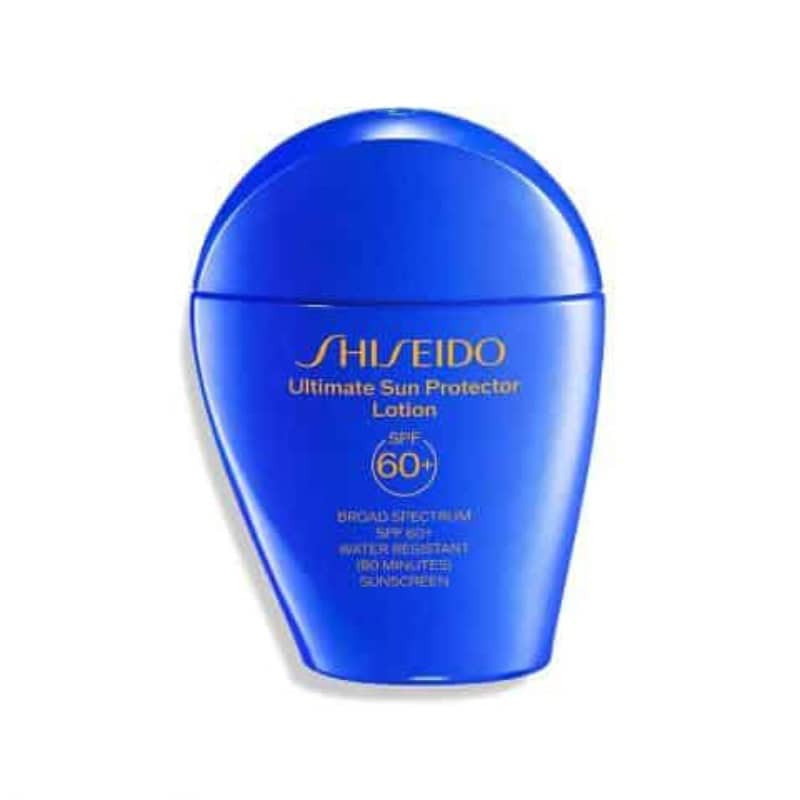
A water-resistant face and body lotion with a light, invisible finish.
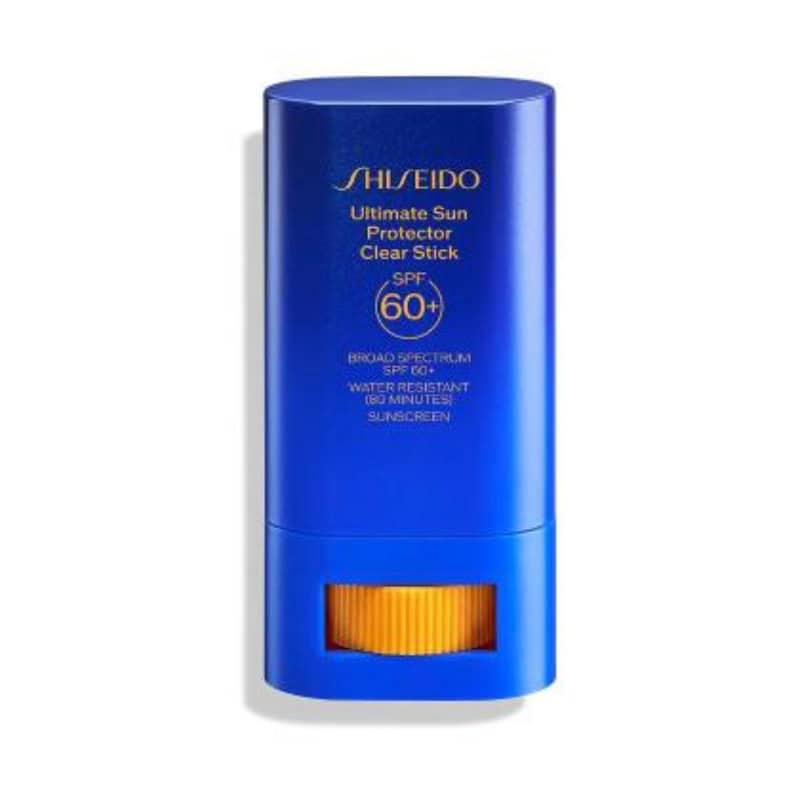
A clear stick for nose, cheeks and ears that slips into a wetsuit pocket.
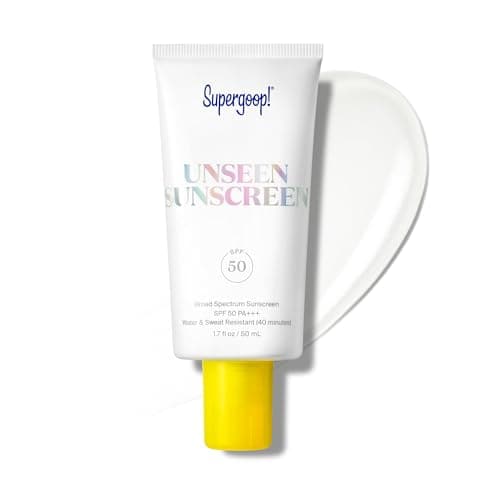
A weightless, scent-free gel that sits invisibly under makeup after the beach.
Sun protection here is not optional, even in winter. The Queensland sun is strong, and the water reflects it straight back.
The Gold Coast and its World Surfing Reserve
South of Brisbane, the mood changes. The Gold Coast is faster, louder and more polished. Yet its points are some of the finest on earth. Snapper Rocks, Rainbow Bay, Greenmount and Kirra form a sand-bottom superbank that can link into one endless ride.
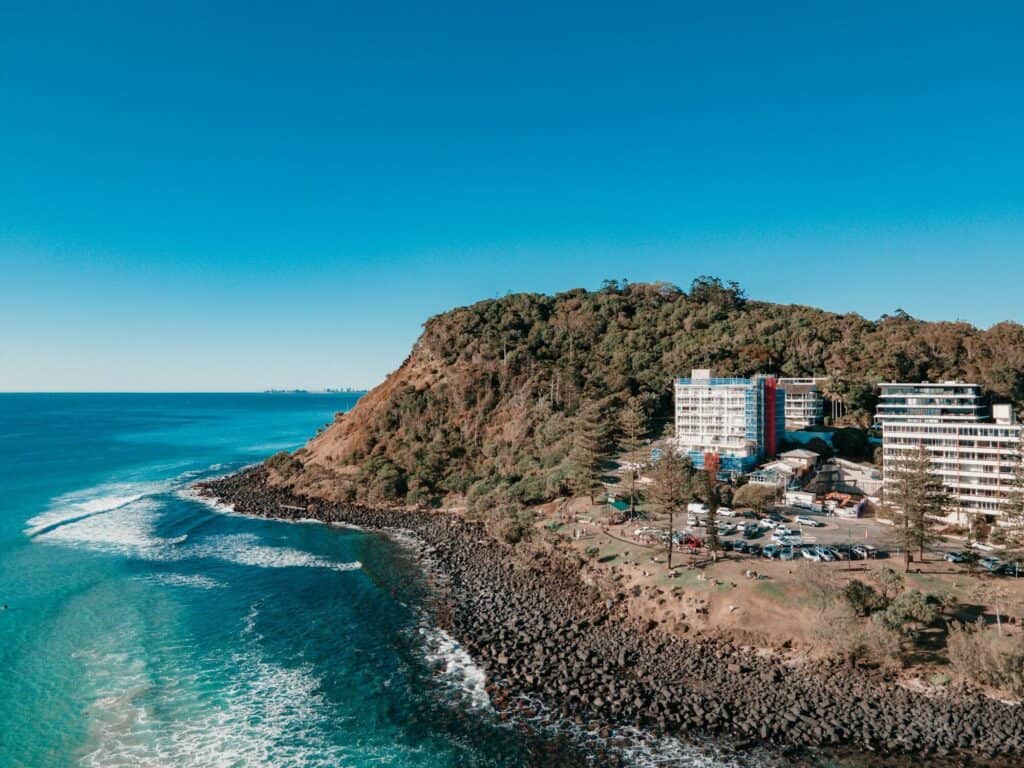
Burleigh Heads offers the best balance of surf and style. Its point breaks off the national park headland, and the beachfront is lined with fine restaurants. Book a table at Rick Shores for the view across the bay. Alternatively, have a late breakfast at Burleigh Pavilion and watch the line-up from the terrace.
For a stay with polish, The Langham, Gold Coast rises above Surfers Paradise. Its suites look up and down the whole coast. However, serious surfers often choose a beach house at Rainbow Bay instead, close to Snapper at first light.
The Gold Coast morning has its own ritual. Surfers gather at Point Danger to read the swell before choosing a break. Then they drift down to Rainbow Bay for coffee as the sun climbs. On big days, watch from the Kirra groyne as the best surfers in the world race through the barrel.
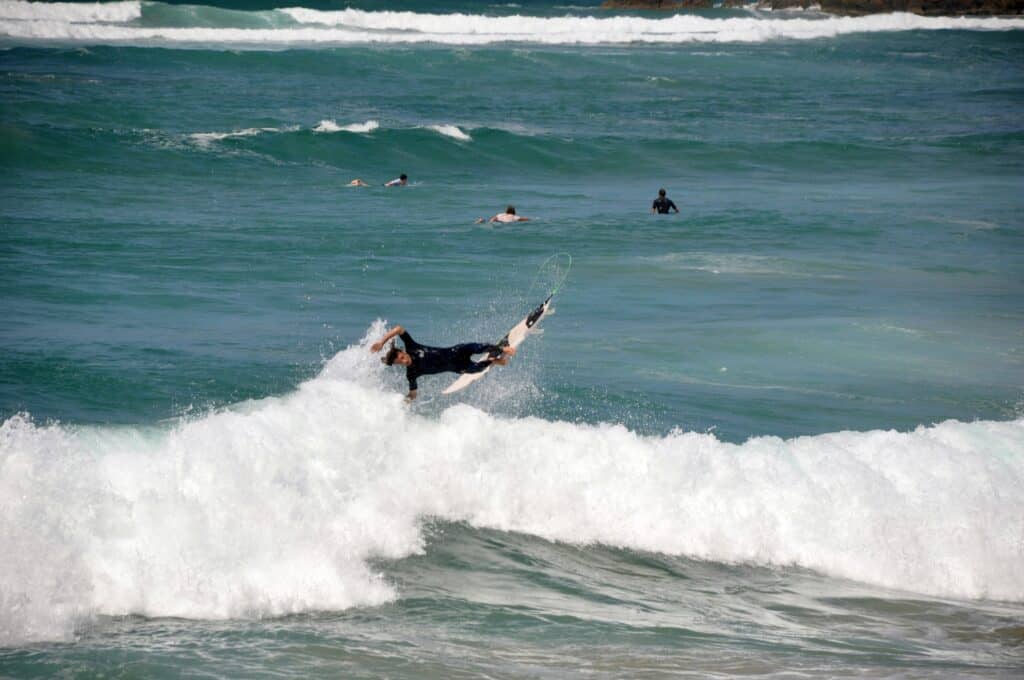
The reserve here came first in Queensland. The Gold Coast World Surfing Reserve was dedicated in 2016, according to the Queensland Government. Local surfers fought for it after years of sand dredging and coastal works. As a result, every major project on this coast must now account for the waves.
You may also like

Byron Bay, between the lighthouse and the hinterland
Byron Bay is where Australian surf culture meets design, food and wellness. The town sits beneath Cape Byron, the most easterly point of mainland Australia. Its lighthouse watches over The Pass, a long right-hander that suits longboards and graceful style.
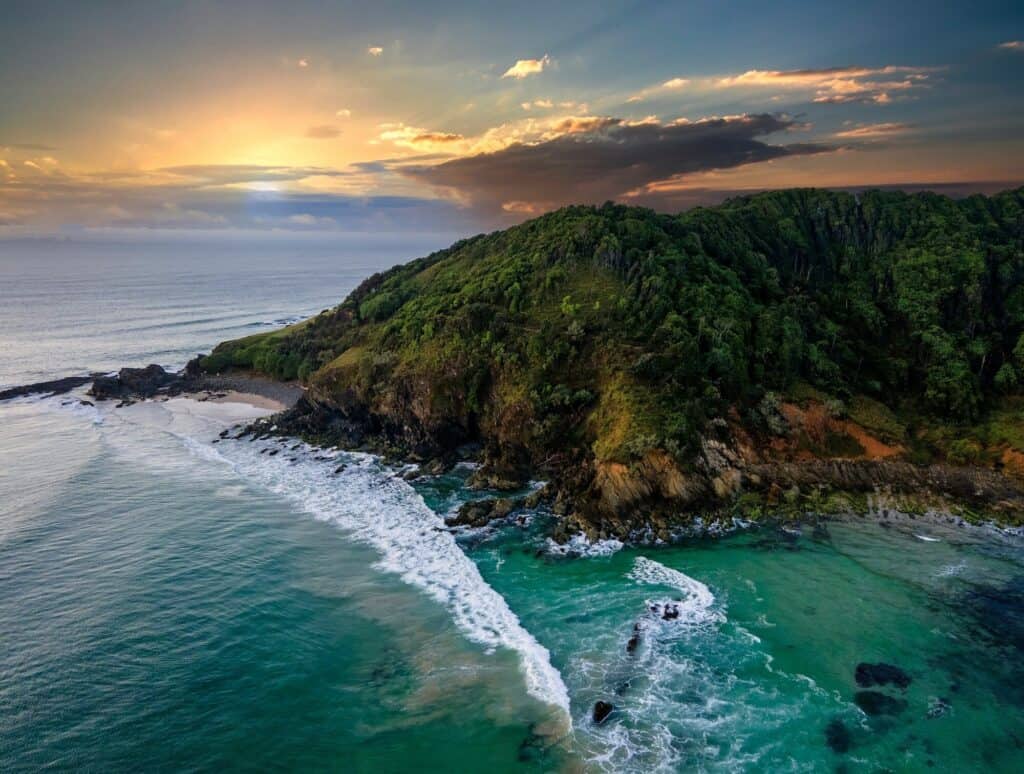
Wategos Beach is the quiet corner, tucked inside the cape. Raes on Watego’s sits right above the sand, with a handful of suites and a fine dining room. Book months ahead for summer. If it is full, Crystalbrook Byron offers rainforest villas a short drive from town.
The real luxury, though, lies inland. The hinterland villages of Bangalow and Federal hide some of the best long lunches in the country. After a dawn surf, drive twenty minutes into the green hills. You will find farm tables, local macadamias and wines from the Northern Rivers.
Byron also leads Australia’s wellness scene. Gaia Retreat and Spa, high in the hinterland, offers treatments, yoga and organic dining in total seclusion. Many guests combine three days of surf coaching with two days of rest there. It is the most restorative way to end a surf trip on the east coast.
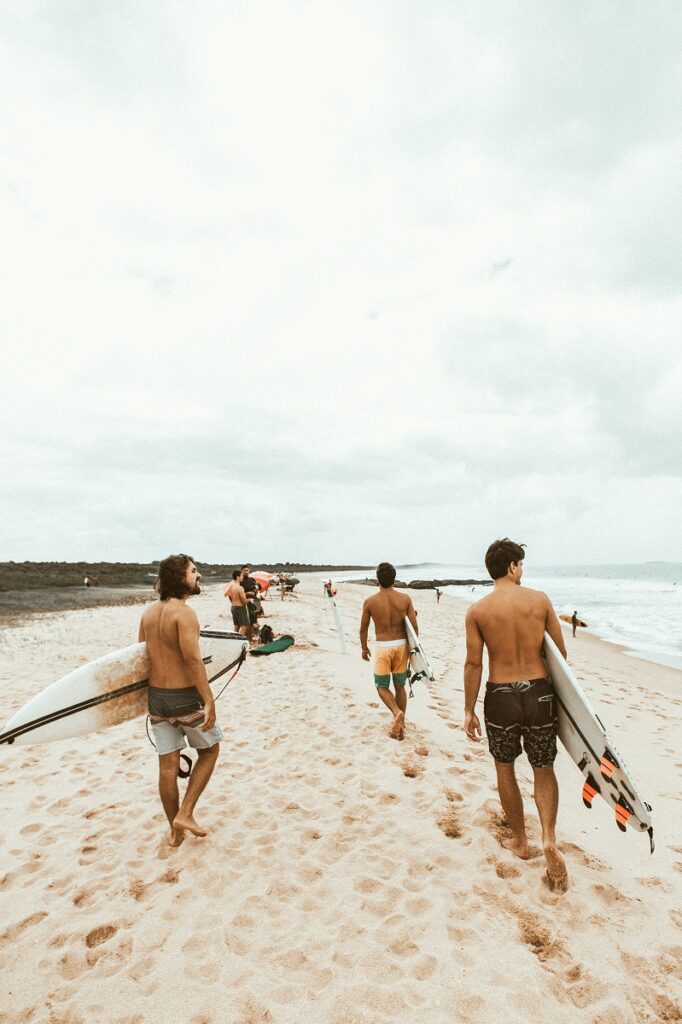
Byron’s conservation story is underwater. Julian Rocks, just offshore, lies inside the Cape Byron Marine Park. Leopard sharks gather there each summer, and turtles feed year round. A guided snorkel or dive is the perfect rest day between surfs.
Sydney’s beaches, from Bondi to Palm Beach
Sydney wears its surf culture inside a great city. Few places let you surf before breakfast, visit a gallery at noon and dine on the harbor at night.
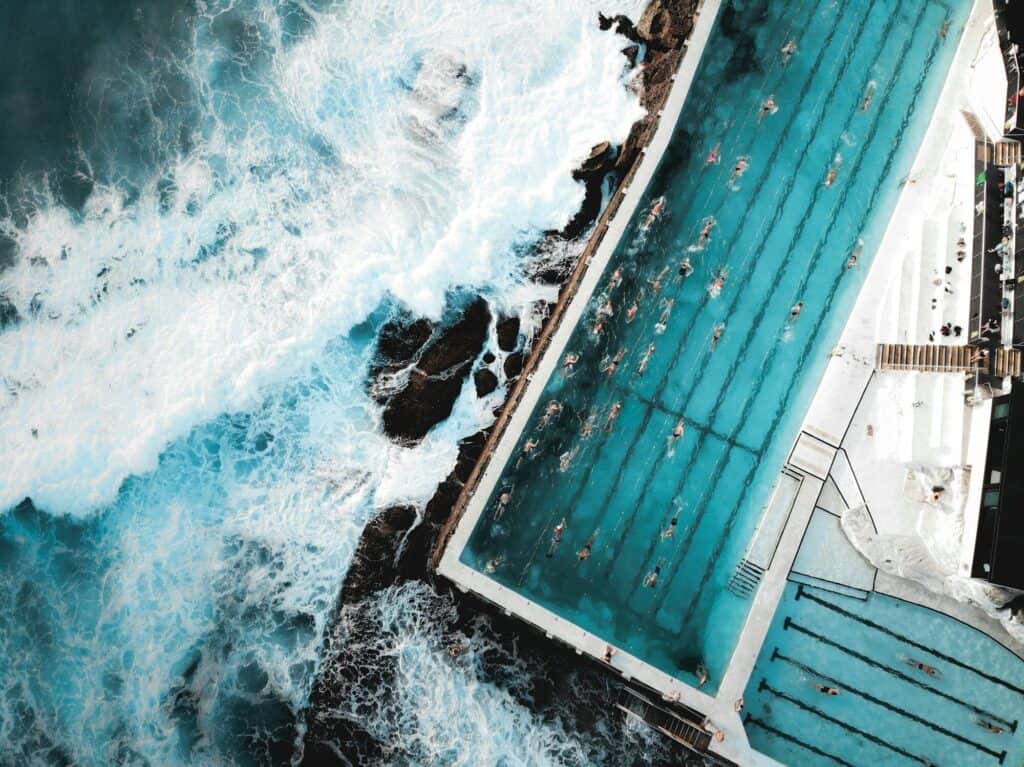
Bondi is the famous one, and it earns the attention. Book a table at Icebergs Dining Room and Bar, perched above the ocean pool. Then walk the clifftop path to Bronte and Clovelly. Along the way, you pass ocean pools carved into the rock by earlier generations.
Further north, Manly and Freshwater hold a special place in surf history. A statue of the Hawaiian swimmer Duke Kahanamoku stands at Freshwater, honoring his famous surfboard demonstration. Beyond them, the Northern Beaches run all the way to Palm Beach. For a slow weekend, stay at Jonah’s above Whale Beach and surf the empty corners at dawn.
Sydney’s ocean pools deserve a morning of their own. Bronte, Clovelly, Bondi Icebergs and Mona Vale were all built into the rock shelf. Locals swim laps in them year round, rain or shine, while waves spill over the edges. For the most memorable approach to Manly, take the ferry from Circular Quay past the Opera House.
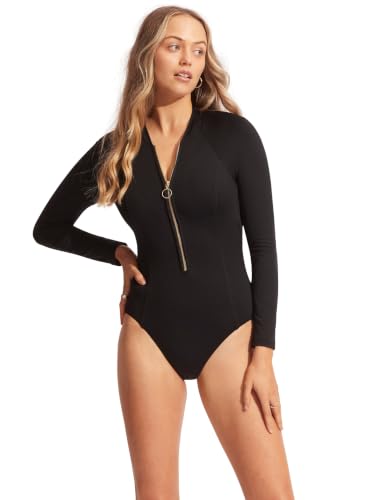
A sleek long-sleeve surfsuit from the Sydney label, cut to stay put in the waves.
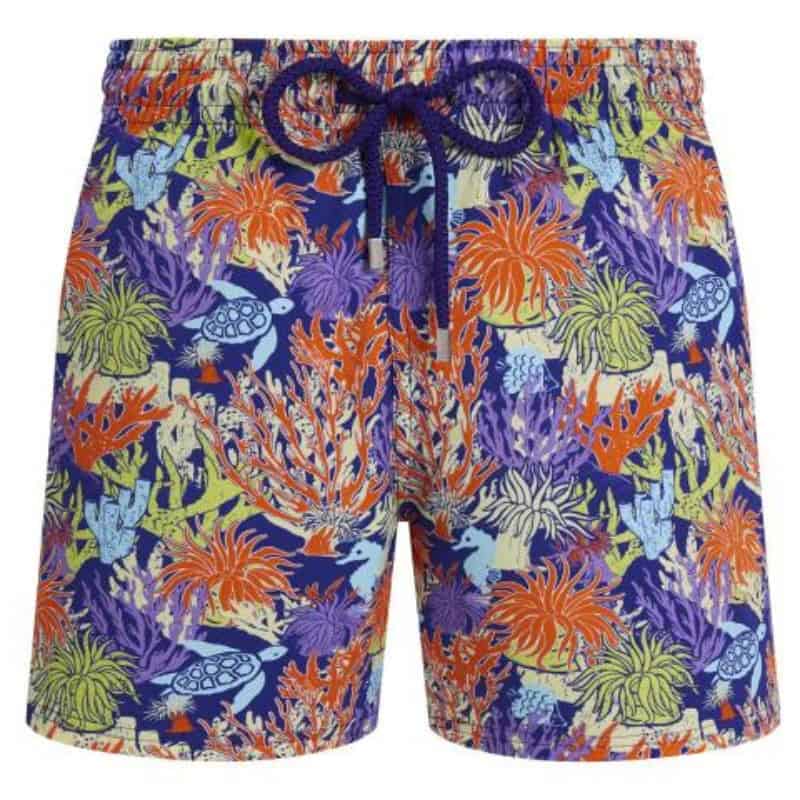
A coral-reef print from the Saint-Tropez house, made for the beach club after the surf.
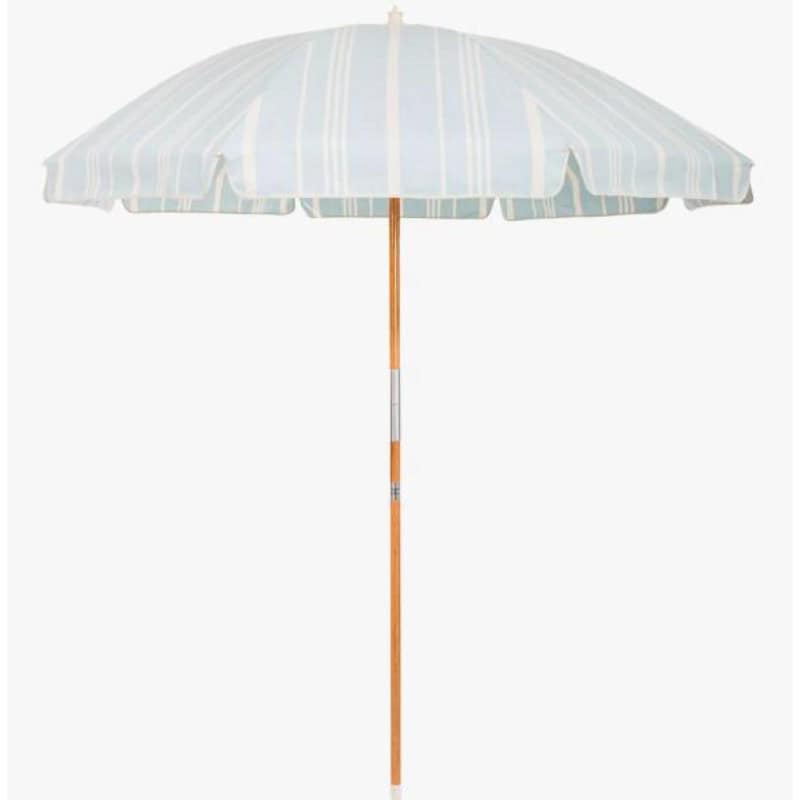
A vintage-striped umbrella on a wooden pole that turns any beach into a private cabana.
The lifesavers who made the beach Australian
No figure in Australian surf culture is more loved than the volunteer lifesaver in a red and yellow cap. Clubs formed along the Sydney beaches in the early twentieth century. Their volunteers patrolled between flags so that ordinary families could swim safely. In time, the movement spread to every state.
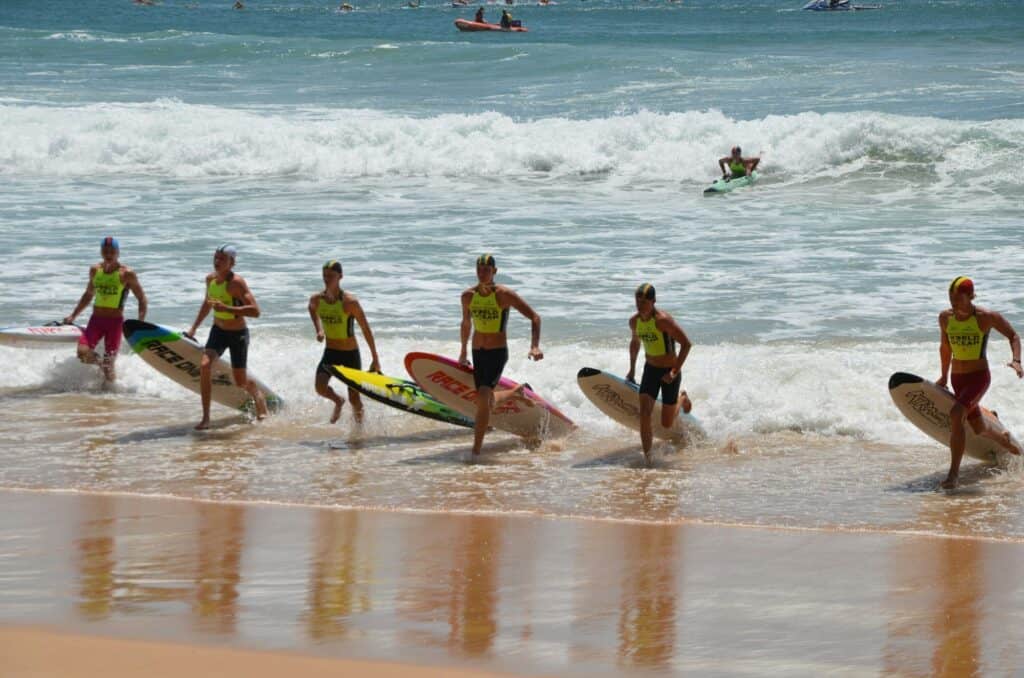
The scale today is remarkable. In its 2023/24 annual report, Surf Life Saving Australia counted 198,916 members across 315 affiliated clubs. Most are unpaid volunteers. They range from young Nippers learning beach skills to veterans who have patrolled for decades.
For visitors, the rule is simple. Always swim between the red and yellow flags, and ask a patrol member about the conditions. On summer weekends, look out for a surf carnival. Watching a boat crew charge through the shore break is pure Australian theater.
The Nippers program is where the culture begins for many Australian children. On Sunday mornings, they learn to read rips, swim in waves and run the soft sand. Later, many go on to patrol as adults. That cycle explains why the red and yellow cap remains such a trusted symbol on every beach.
Club life extends well beyond the patrol. Clubhouses host Sunday breakfasts, fundraising dinners and the famous march past at carnivals. Many welcome visitors for a drink on the deck at sunset. It is one of the easiest ways to feel part of the local community, even for a single evening.
Bells Beach and the Surf Coast
Bells Beach is where Australian surf culture turns serious. The cliffs south of Torquay frame a powerful reef break that fires in autumn and winter. In 1970, Bells hosted the World Surfing Titles, as the Victorian Heritage Database records. Every Easter, the Rip Curl Pro still draws the world’s best surfers here.
Watching the Rip Curl Pro from the clifftop is a rite of passage. Crowds line the wooden stairs and viewing decks above the bowl. The winners ring a bell-shaped trophy, a tradition that gives the contest its unique character. Book Torquay or Lorne accommodation months ahead for Easter week.
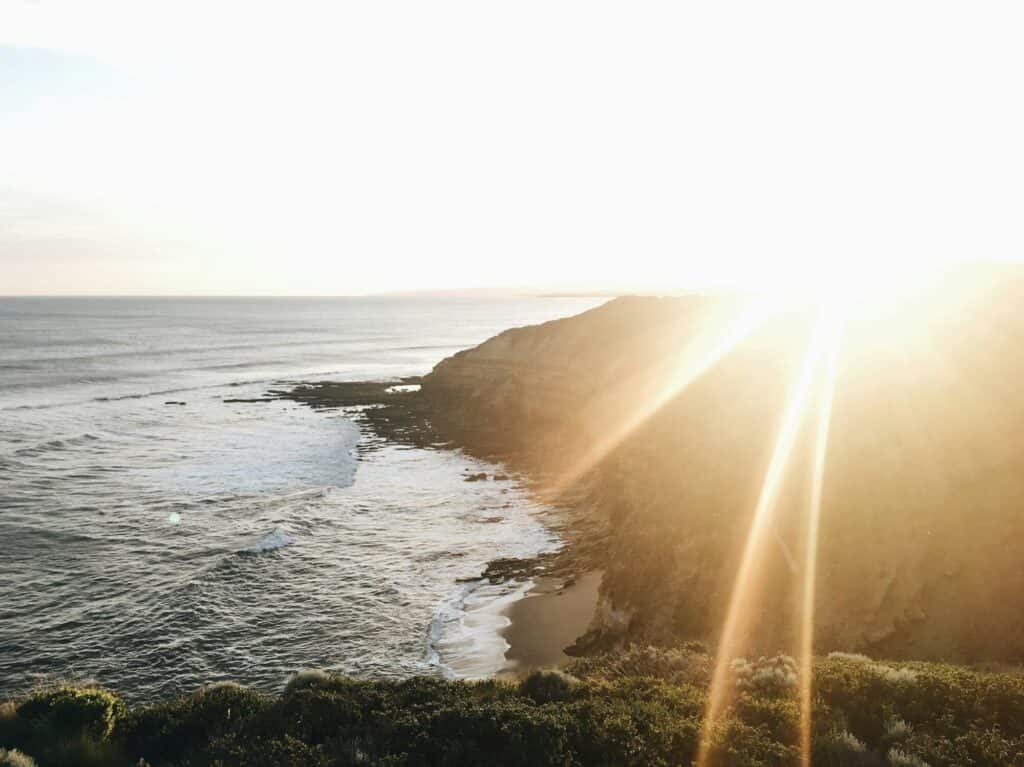
Bells also changed how the world protects waves. By 1971, local surfers worried about damage to the clifftop vegetation. The council became land manager that May, and the reserve name was adopted that November. That made Bells the world’s first surfing reserve, according to the Great Ocean Road Coast and Parks Authority.
Surfers then backed their words with work. In 1971 and 1972, they planted over 400 trees instead of paying an entrance fee. Later, in 1988, locals formed Surfers Appreciating the Natural Environment to keep restoring the heath. Since 1 July 2024, the reserve has been managed by the Great Ocean Road Coast and Parks Authority.
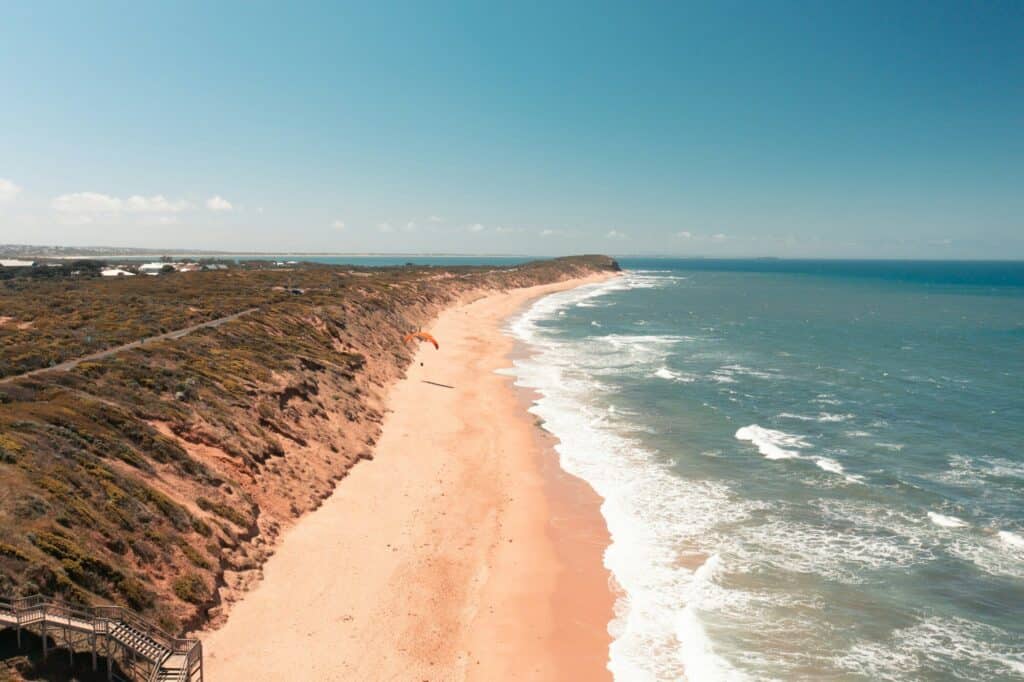
Torquay, five minutes away, is the gateway. Rip Curl and Quiksilver both began here, and the Australian National Surfing Museum tells their story. From Torquay, the Great Ocean Road unrolls west toward Lorne and the Otways. Book a clifftop villa, then plan your surf around the tides at Winki Pop.
Margaret River, where reefs meet cellar doors
Margaret River is the most powerful of the six coasts. Indian Ocean swells travel thousands of miles before they hit its limestone reefs. The result is heavy, beautiful surf at breaks like Main Break, Injidup and Yallingup. This is a place to watch the experts as much as to paddle out.
Each autumn, the Margaret River Pro brings the world tour to Main Break. Outside contest season, the region is quieter and the surf is often bigger. For that reason, intermediate surfers should stick to the gentler waves at Yallingup or Smiths Beach. A local guide will know which reefs suit your level on any given day.
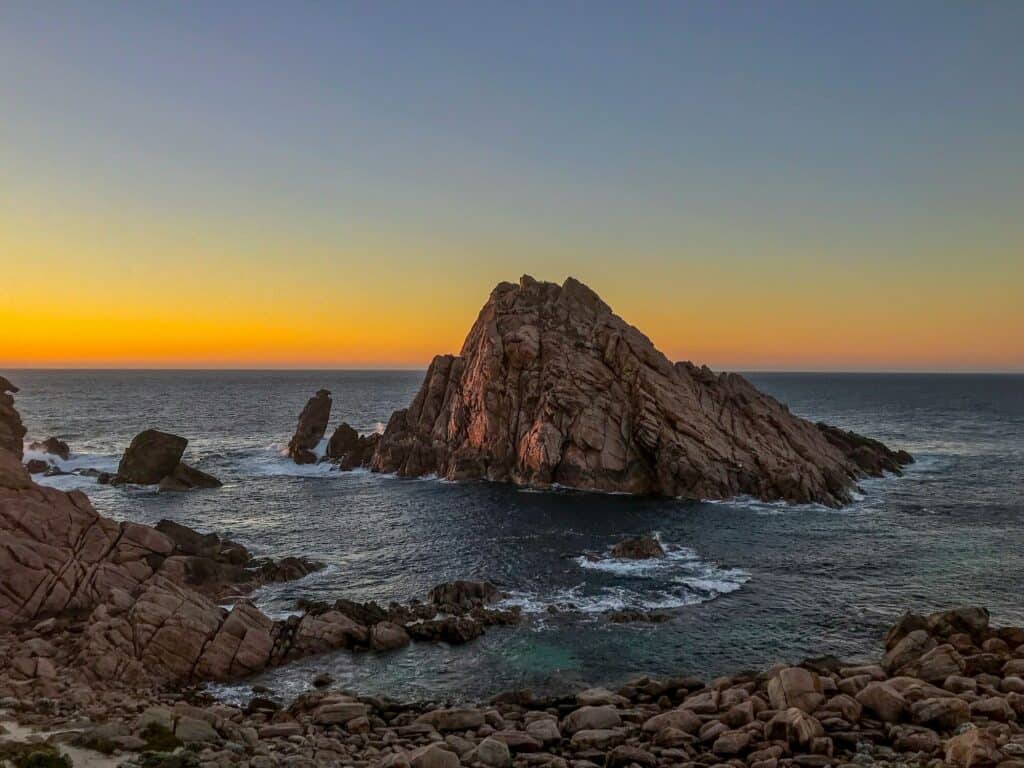
The reward for a big session is the finest table in the surf world. Vasse Felix, Leeuwin Estate and Cullen Wines sit minutes from the coast. Their chardonnays and cabernets rank among the best in Australia. Plan a long lunch at a cellar door after the morning glass-off.
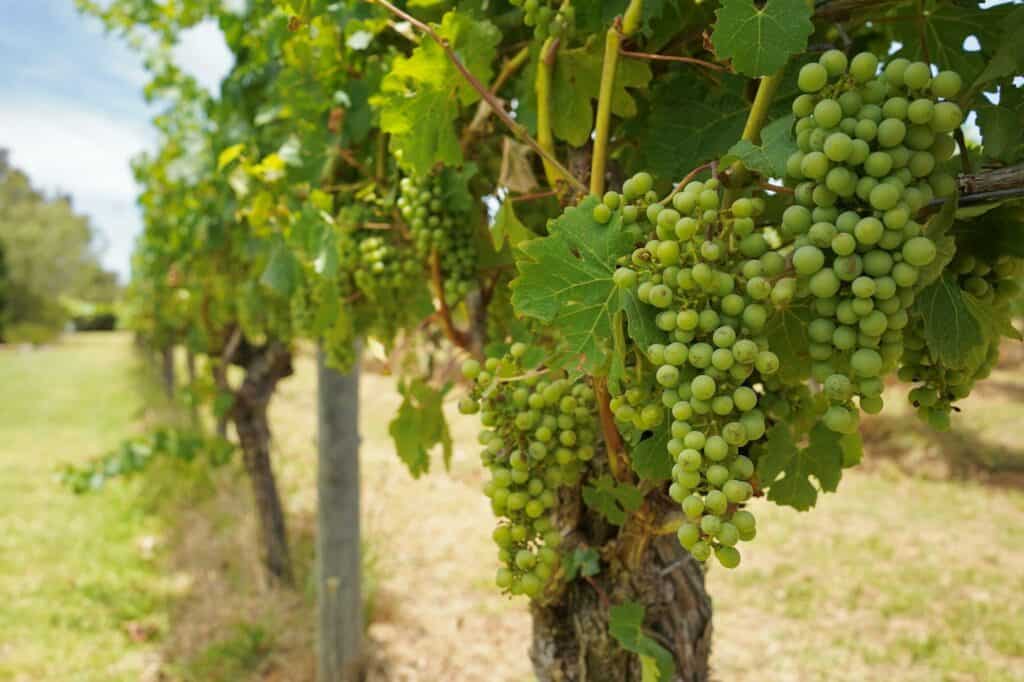
For stays, Cape Lodge offers lakeside suites among the vines. Injidup Spa Retreat perches above the ocean with private plunge pools. In between, walk sections of the Cape to Cape Track. Spring brings wildflowers along the cliffs and passing whales offshore.
To understand the land behind the waves, join a Wadandi cultural walk near Yallingup. Koomal Dreaming leads small groups through coastal bush and into Ngilgi Cave. Guests learn bush foods, songs and the creation stories of this coast. It is one of the most meaningful experiences in Western Australia.
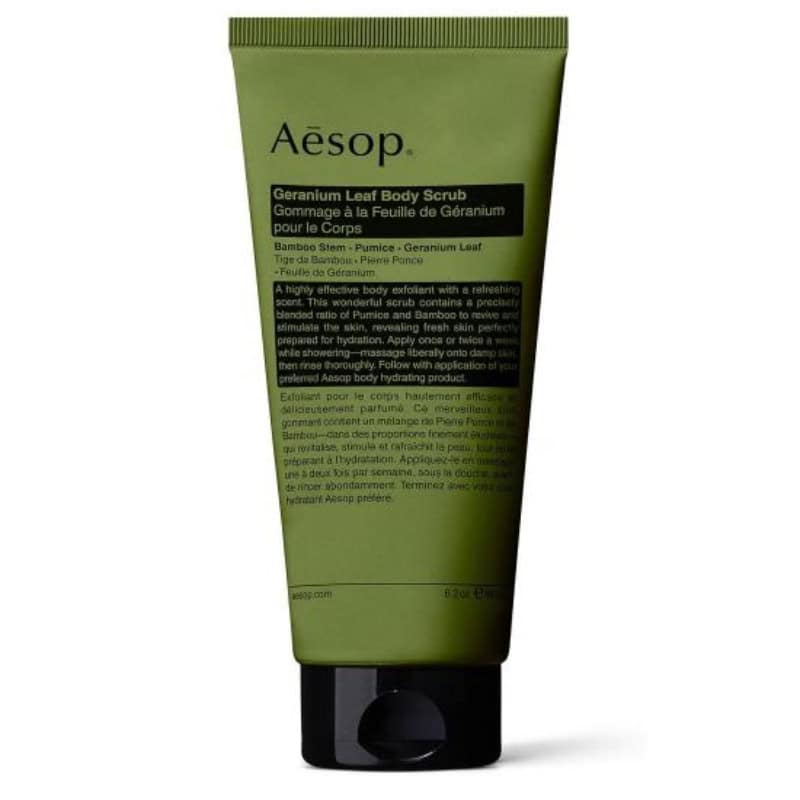
Bamboo stem and pumice lift away salt and sand in the outdoor shower.
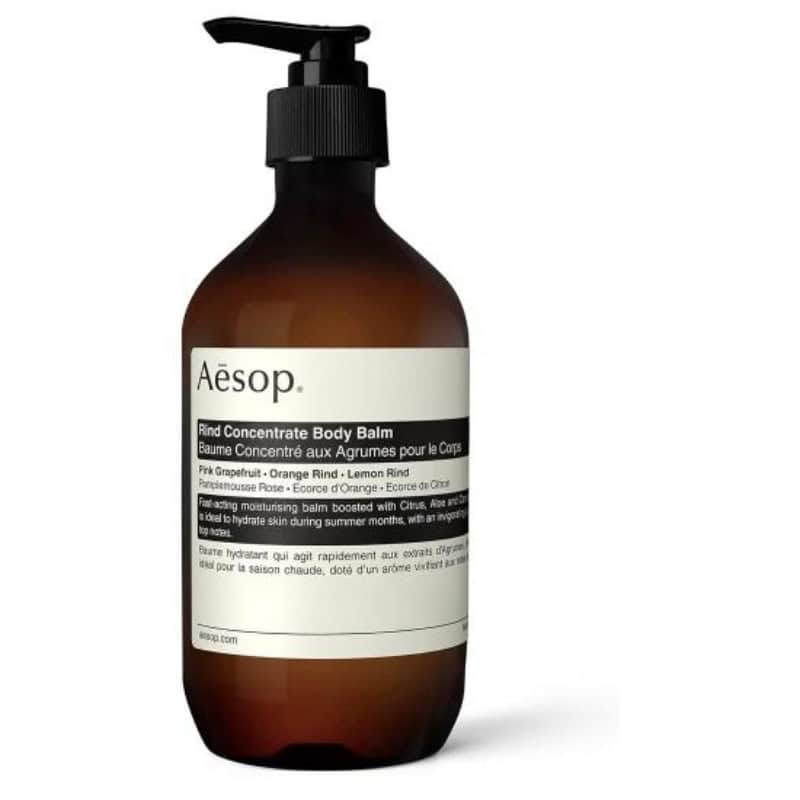
A bright citrus balm with shea butter that restores sun-dried skin.
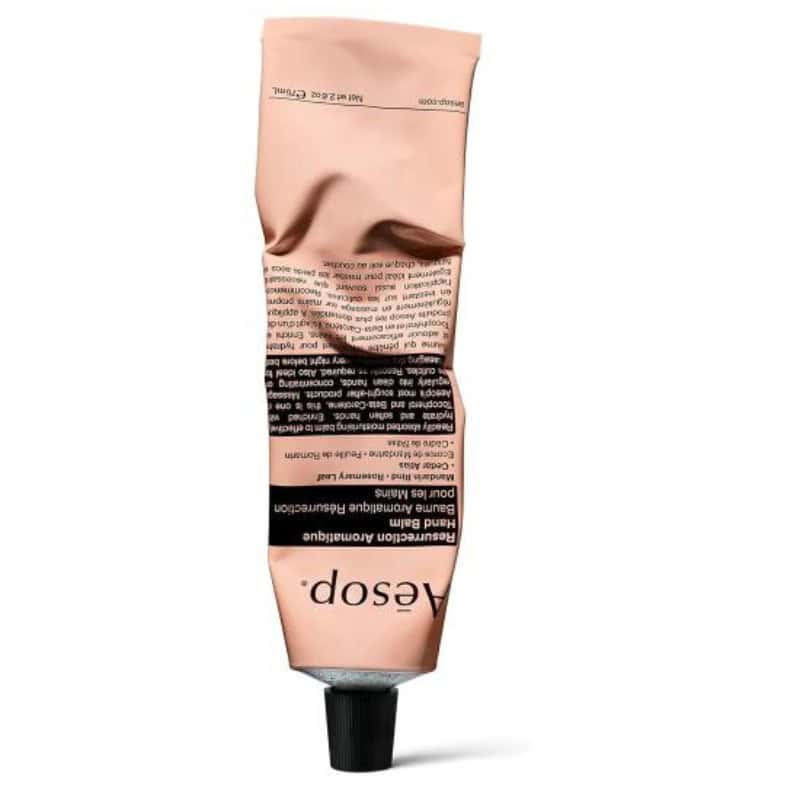
The cult hand balm for hands roughened by wax and rails.
Salt, sun and wind are hard on skin, so a proper after-surf ritual matters. Aesop, founded in Melbourne, makes the most elegant version.
You may also like

Shapers, champions and the art of the board
Behind every great surf coast stands a workshop, and the shaper is a quiet hero of Australian surf culture. Australian shapers helped drive the shortboard revolution of the late 1960s. Their foam-dusted sheds in Sydney, Torquay and the Gold Coast still turn out boards by hand. Commissioning a custom board is the ultimate surf souvenir.
A good shaper begins with conversation. They ask about your weight, your local waves and the way you like to ride. Then they shape the blank by hand, often while you watch from the corner of the bay. Most can ship the finished board home to you, wrapped and insured.
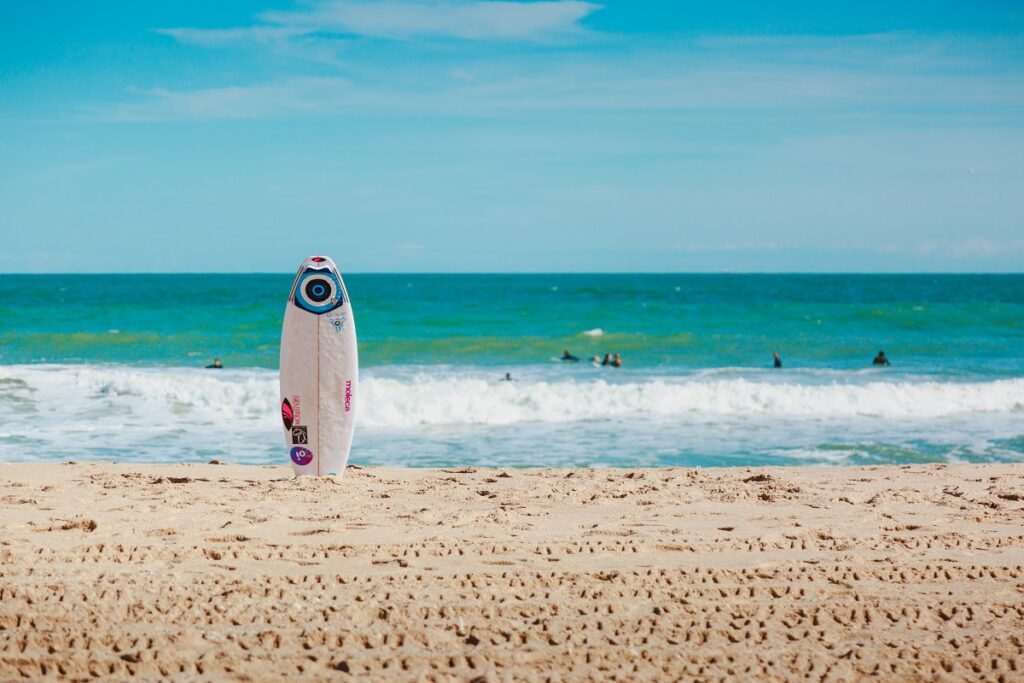
The champions carried that craft onto the world stage. Midget Farrelly won the first world title held in Australia, at Manly. Later, Layne Beachley, Mick Fanning, Stephanie Gilmore and Tyler Wright made Australian names famous. Each one grew up on these beaches, and each one carried Australian surf culture to the world.
The culture also lives in art and film. Surf photography fills galleries in Byron and Noosa. Tim Winton’s novel Breath captures the danger and beauty of the West Australian surf. Meanwhile, the Australian National Surfing Museum in Torquay holds boards, trophies and films from every era.
How surfers became guardians of the coast
Surfers notice change first. They see the sandbar vanish, the water turn murky and the rubbish wash in after rain. That is why so many Australian surfers became conservationists. In Australian surf culture, activism is woven into daily life rather than added to it.
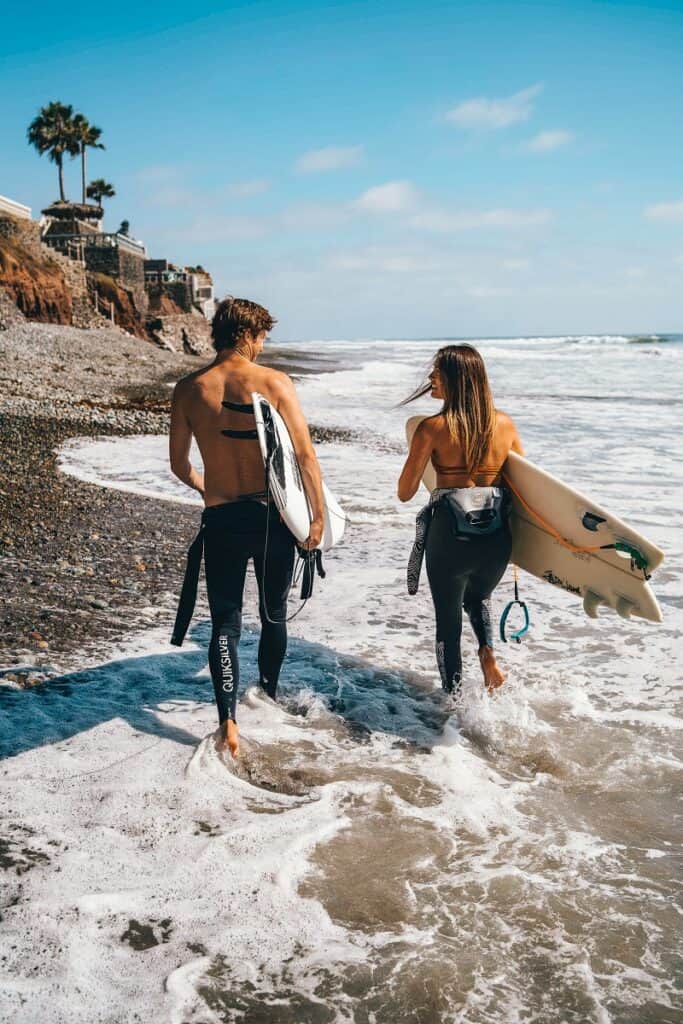
The surfing reserve idea began at Bells and spread worldwide. Today, Noosa and the Gold Coast are two of the 14 designated World Surfing Reserves, says the Queensland Government. National and state reserves protect many more breaks around Australia.
Visitors can help in simple ways. Join a beach clean with a local surf club or conservation group. Choose reef-safe sunscreen, take your rubbish home and stay on marked paths through the dunes. Above all, respect local customs in the water.
Australian organizations make that easy. Take 3 for the Sea began in Australia with a simple idea. Pick up three pieces of rubbish whenever you leave the beach. Surfrider Foundation Australia runs campaigns for clean water and protected breaks. At Bells, the clifftop heath shelters the rare Rufous Bristlebird, so staying on paths really matters.
Booking a private surf guide
A private guide is the single best investment on a surf trip. They read the forecast, choose the right break and handle the boards. More importantly, they know the local customs. That makes your first session at a famous point feel welcome rather than intimidating.
Look for a coach accredited by Surfing Australia, the national body for the sport. Sessions usually run for one to two hours, timed to the tide. Most luxury hotels can arrange a coach, and many guides will collect you at dawn. For advanced surfers, a guide can also secure a boat trip to offshore reefs.
Safety is part of the service. A good coach checks the rips, explains the local currents and keeps you in sight throughout. They will also teach the unwritten customs, such as waiting your turn and never dropping in. As a result, you return to the line-up with confidence long after the lesson ends.
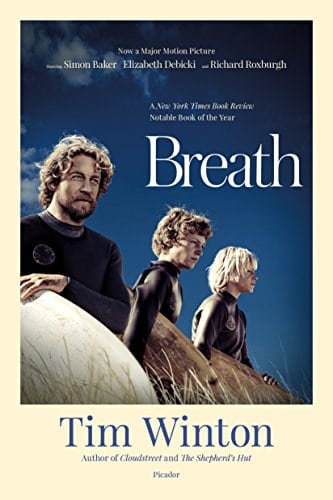
A coming-of-age novel about fear, risk and big waves on the west coast.
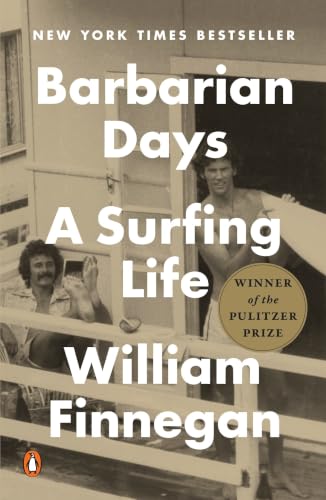
A surfing life told with grace, from Hawaii to the far Pacific.
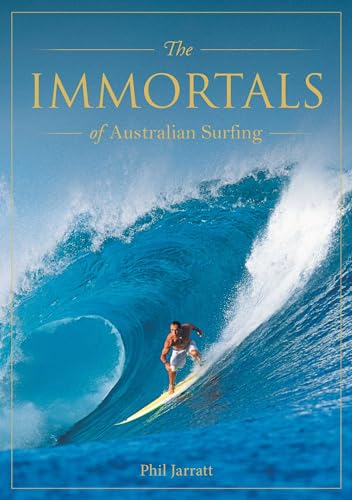
A handsome portrait of the legends who built Australian surfing.
A good surf book is the perfect companion for the hours between tides. These three explain the obsession better than any brochure.
When to go, coast by coast
Australia’s seasons run opposite to North America’s. Autumn falls from March to May, and winter from June to August. As a rule, the east coast is best from late summer into autumn. The southern and western coasts fire hardest from autumn through spring.
| Surf coast | Best months | Wave character | Base yourself in |
|---|---|---|---|
| Noosa, Queensland | February to May | Long, gentle right-hand points | Noosa Heads |
| Gold Coast, Queensland | February to May | Fast sand-bottom points | Burleigh Heads |
| Byron Bay, New South Wales | March to August | Points and beach breaks | Byron Bay |
| Sydney, New South Wales | March to June | Beach breaks and reefs | Bondi or Palm Beach |
| Bells Beach, Victoria | March to August | Powerful reef and point | Torquay |
| Margaret River, Western Australia | March to May, September to November | Heavy limestone reefs | Yallingup |
Water temperature varies widely too. Noosa stays warm year round, while Bells calls for a full wetsuit in winter. Pack accordingly, or let your guide supply the right suit.
Crowds follow the calendar as well. Australian school holidays fill the beaches in late December and January, so book stays early for that window. By contrast, May and September often bring clean waves, mild days and quieter line-ups. Those shoulder months are the connoisseur’s choice on almost every coast.
Planning your surf coast journey
The ideal trip links two or three coasts rather than all six. A week on the east coast might pair Noosa with Byron Bay. Alternatively, fly to Melbourne for Bells and the Great Ocean Road, then cross to Perth for Margaret River. Domestic flights make each leg simple.
A seven-night east coast journey works beautifully. Spend three nights in Noosa for longboarding and the national park. Then drive south to Byron Bay for two nights of surf, spa and hinterland lunches. Finish with two nights in Sydney, surfing Bondi at dawn and dining above the harbor at night.
Whichever route you choose, travel slowly. Surf at dawn, eat well at noon and watch the line-up at sunset. That rhythm is the heart of Australian surf culture. It is also the best way to understand the country itself.
Take our short quiz and find the city, coast and pace of life that suits you best.
Take the quizQuestions worth asking
Why is surfing so important in Australia?
Most Australians live near the coast, and beaches are public. Surfing grew up alongside volunteer lifesaving clubs, so it became part of everyday national life rather than a niche sport.
Where is the best place to surf in Australia for visitors?
Noosa and Byron Bay suit most visitors, with gentle waves and beautiful places to stay. Experienced surfers should add Bells Beach or Margaret River for more powerful reef breaks.
What was the world’s first surfing reserve?
Bells Beach in Victoria. Its name as the Bells Beach Surfing Recreation Reserve was adopted in November 1971, making it the first surfing reserve in the world.
When is the best time of year to surf in Australia?
Late summer and autumn, roughly February to May, suit the east coast. Victoria and Western Australia are best from autumn through spring, when Southern Ocean and Indian Ocean swells arrive.
Can I book a private surf lesson in Australia?
Yes. Look for a coach accredited by Surfing Australia. Most luxury hotels on the major surf coasts can arrange a private session timed to the tide.
How do Australian surfers protect the ocean?
They created surfing reserves, restore dunes and clifftops, and run regular beach cleans. Visitors can help by using reef-safe sunscreen, staying on marked paths and joining a local clean-up.