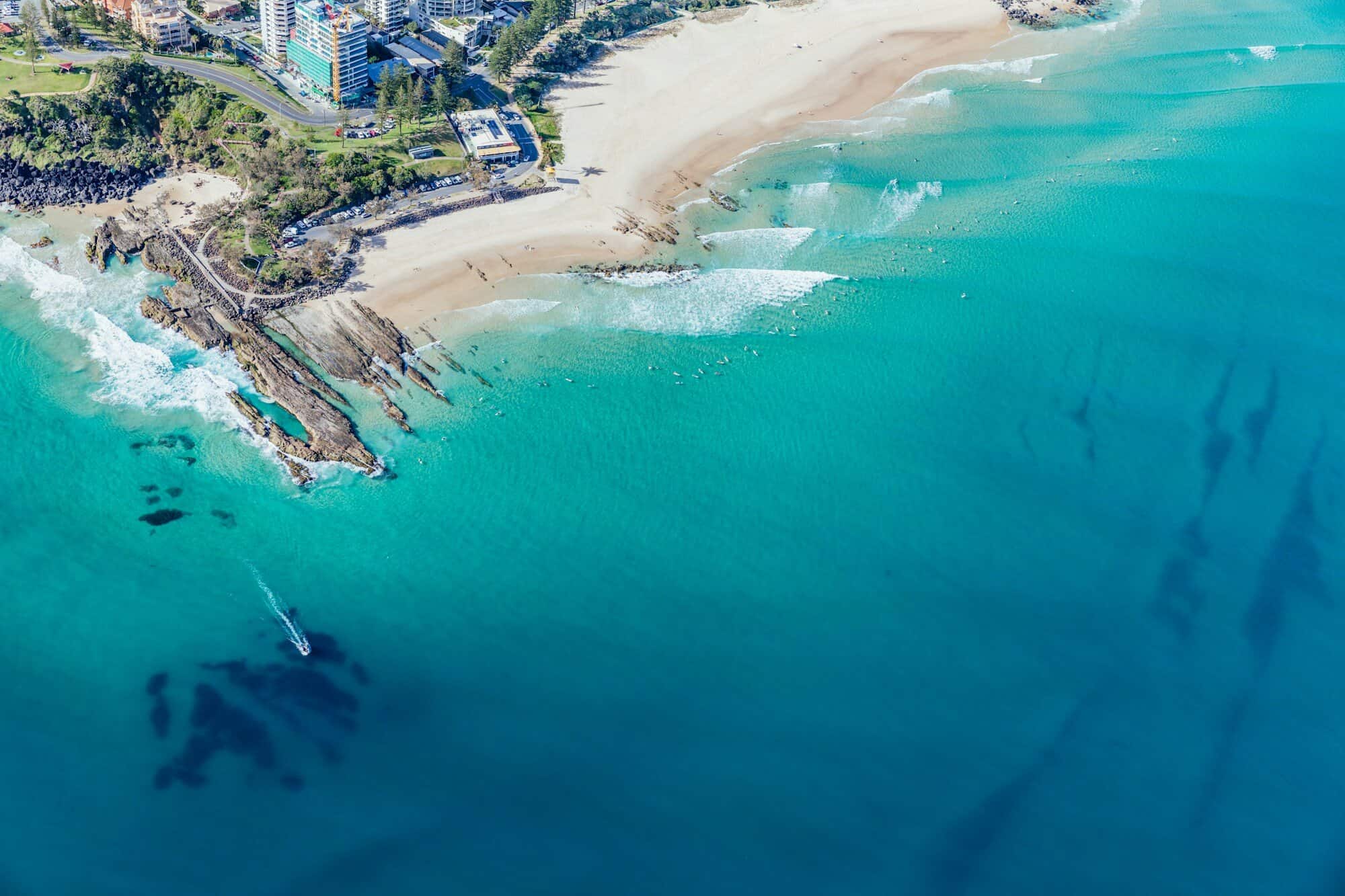
Yes. The Gold Coast has some of the finest point breaks in the world, including Snapper Rocks, Kirra and Burleigh Heads. The stretch from Burleigh to the New South Wales border is a World Surfing Reserve. The best waves usually arrive between February and May.
Why Gold Coast surfing ranks among the best in the world
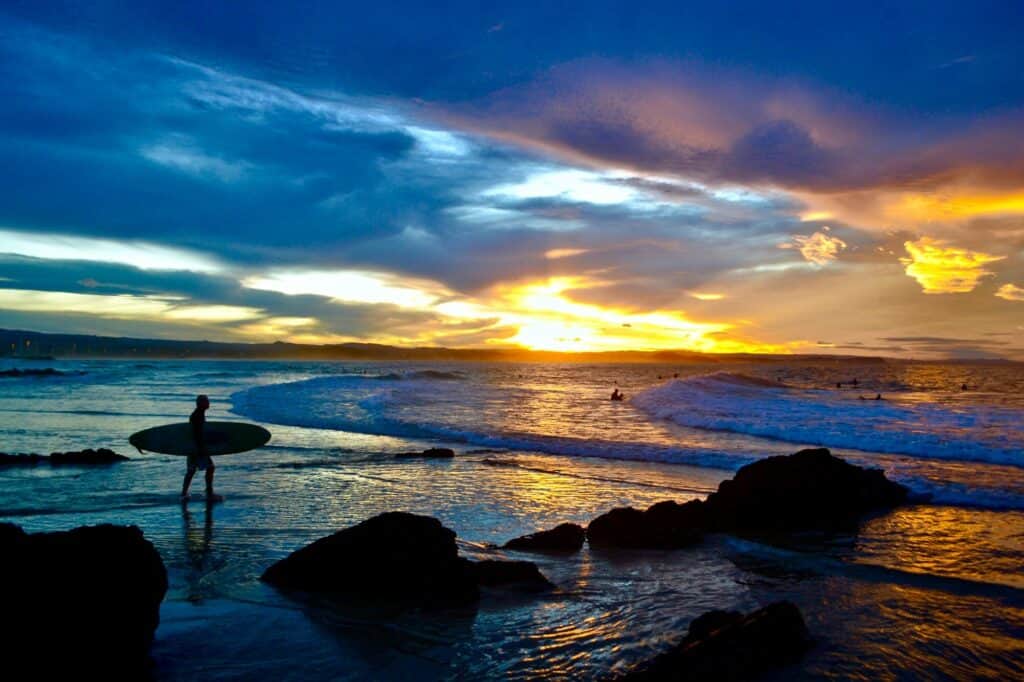
Gold Coast surfing is fast, polished and remarkably consistent. A string of right-hand points runs along the southern end of the city. Each one is shaped by sand and headland. On the best days, waves peel for hundreds of yards past the rocks. Professional surfers travel from every continent to ride them.
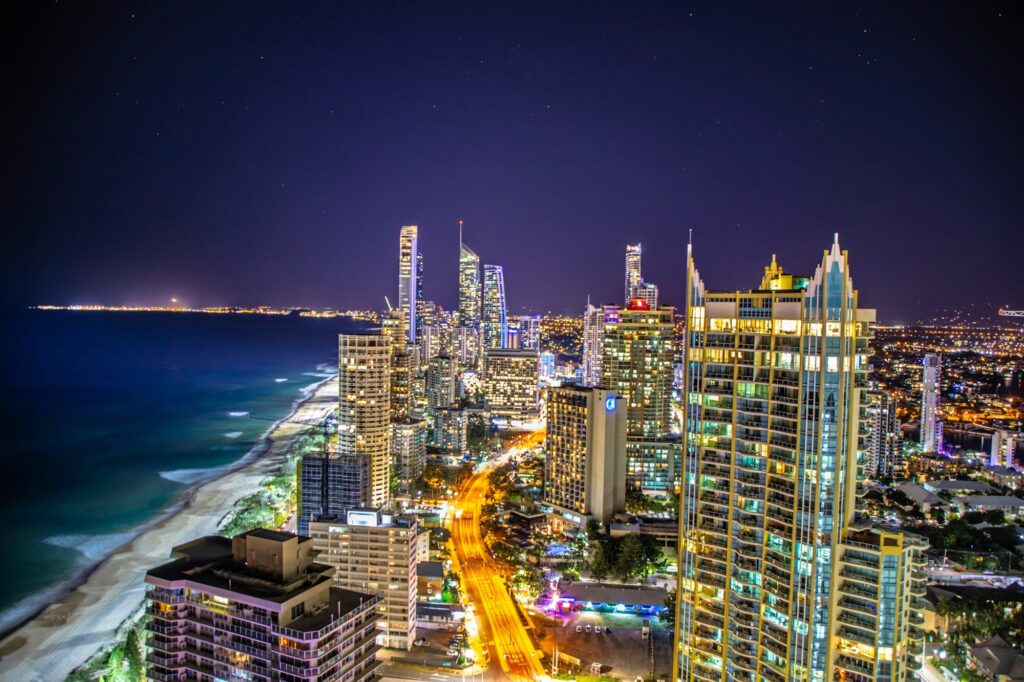
The setting is unique too. Behind the beaches rise the towers of Surfers Paradise, while green hills fill the horizon inland. Few surf destinations combine world-class waves with such a lively city. As a result, you can surf at dawn, lunch on a terrace and dine in style that evening.
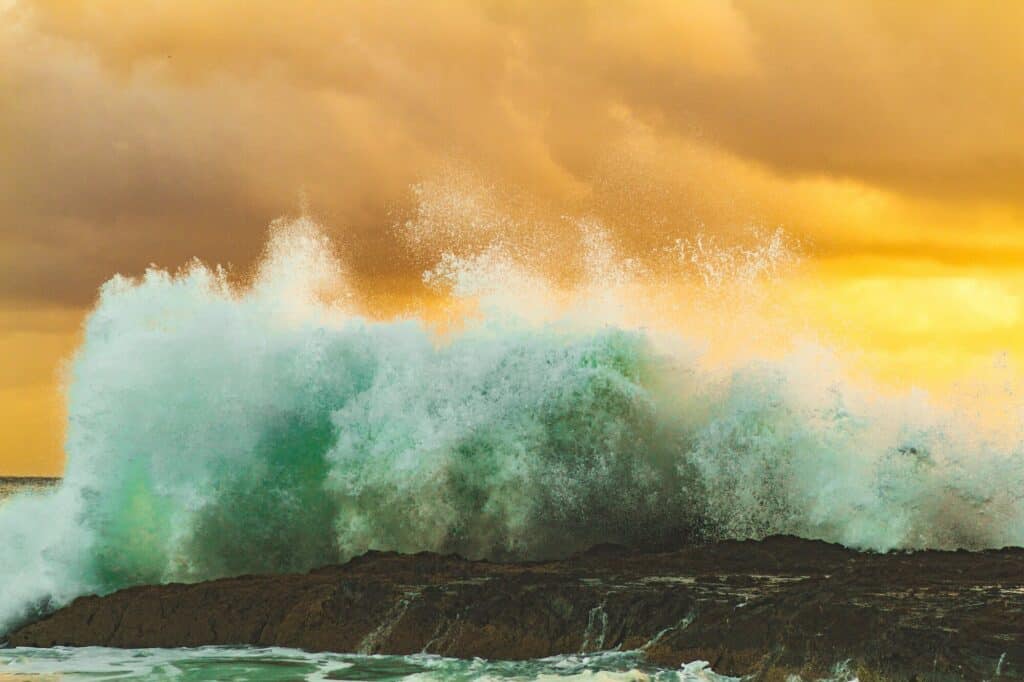
The Gold Coast is also a cornerstone of Australian surf culture. Its southern beaches produced a remarkable generation of champions. Its surf clubs are among the busiest in the country. And its line-ups show the sport at its most competitive and skilled.
This guide explains the breaks from Snapper Rocks to Burleigh Heads, then turns to seasons, coaches and safety. It also covers the best stays, tables and rest days in the hinterland. By the end, you will know how to plan a refined surf trip to the Gold Coast.
The famous points from Snapper Rocks to Burleigh
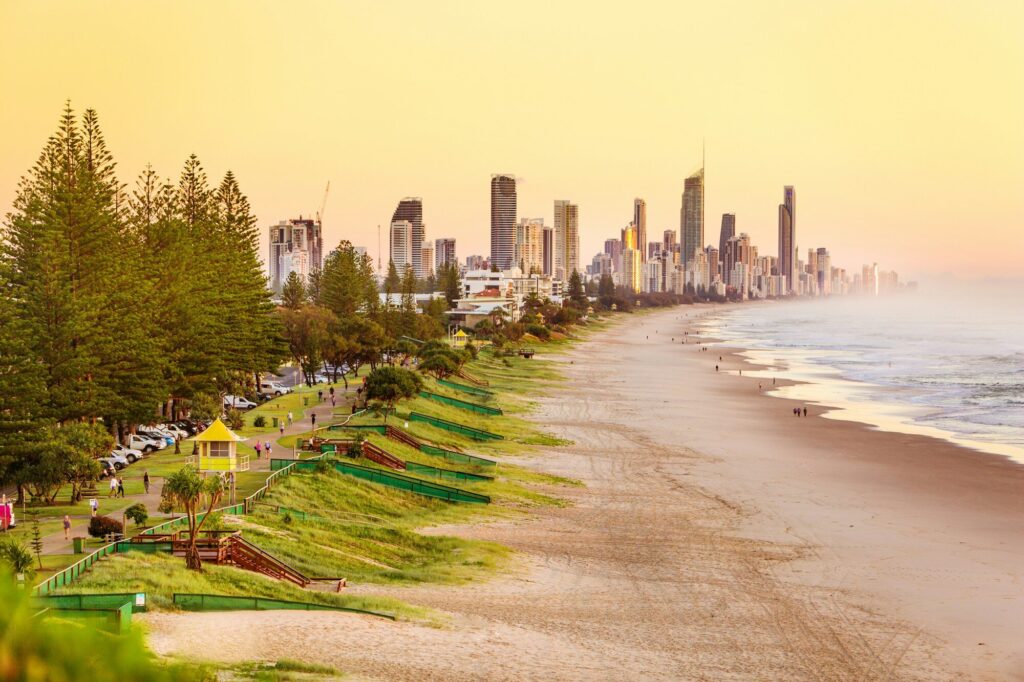
The magic lies in the southern points. Here, a series of headlands faces north, sheltered from the prevailing southeast winds. When swell arrives from the south or east, it wraps around each headland and peels down the beach. Moreover, the sand flowing north along the coast keeps the banks in near-perfect shape.
Snapper Rocks and Rainbow Bay
Snapper Rocks is the starting point of the famous Superbank. The wave breaks off the rocks at Point Danger. On the best days, it runs through Rainbow Bay and beyond. It is fast, crowded and extremely high in quality. For that reason, it hosts one of the opening events of the professional world tour most years.
Rainbow Bay, just inside Snapper, offers a softer version of the same wave. Families swim at its patrolled beach while surfers ride the outer banks. The village behind it has cafes and a surf club with sweeping views. Meanwhile, Greenmount sits just around the corner with its own long, gentle right-hander.
Coolangatta itself has a relaxed, small-town charm. Its esplanade is lined with cafes, surf shops and apartment towers facing the sea. In the evenings, families stroll along the beachfront path toward Kirra. It is a lovely base for travelers focused on the southern points.
Kirra
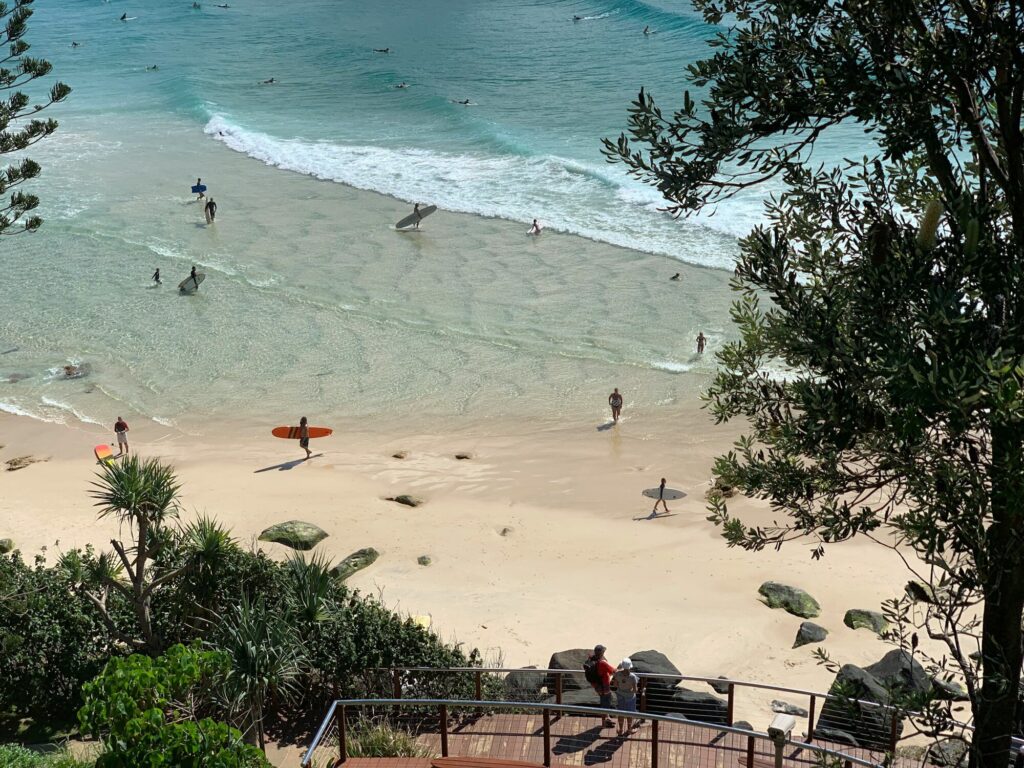
Kirra is one of the most famous barrels in surfing. When the sand and swell line up, the wave throws a hollow tube along the groyne at North Kirra. Those days are rare, yet legendary. On most days, Kirra offers a fun beach break and a lovely stretch of sand.
Currumbin and Palm Beach
Further north, Currumbin Alley breaks beside the creek mouth below a rocky headland. Its gentle waves suit beginners and longboarders. Palm Beach, just beyond, offers beach breaks and a relaxed neighborhood feel. Together, they provide quieter options away from the busiest points.
Currumbin also has one of the coast’s most scenic surf clubs, perched above the creek mouth. Its deck looks across the Alley toward the headland. In addition, the nearby rock pools and sheltered creek are ideal for children. Many families spend a whole day here between surf sessions.
Burleigh Heads
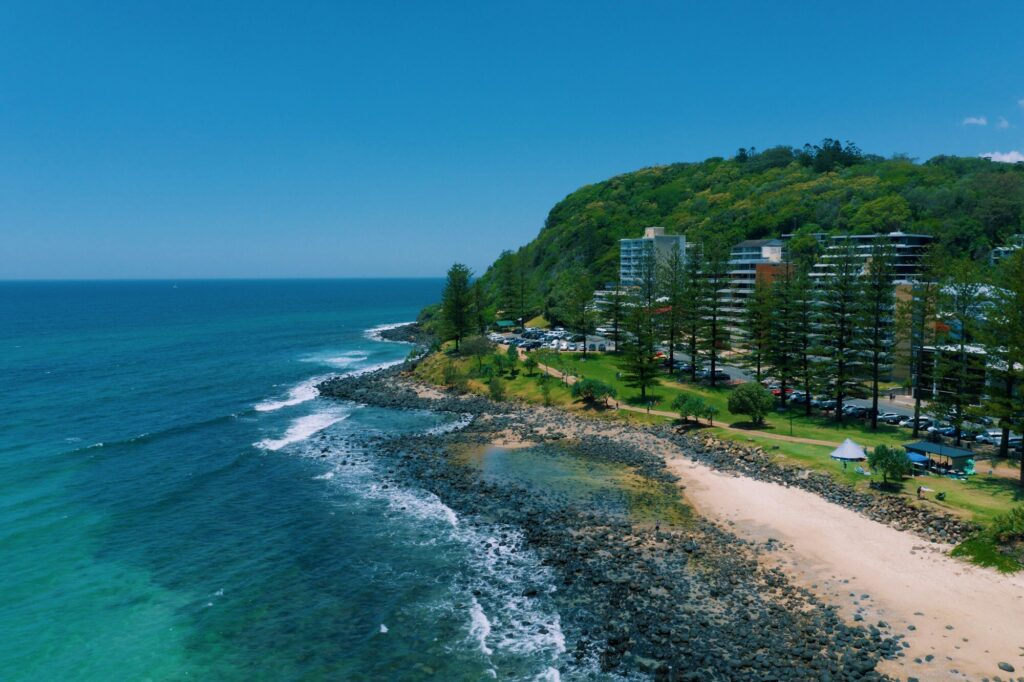
Burleigh Heads closes the reserve at its northern end. The point breaks off the national park headland and produces long, powerful right-handers. It is a wave for experienced surfers, especially on a big swell. Yet the beachfront park and cafes make it a favorite for everyone.
Burleigh’s national park deserves a walk of its own. A track circles the headland through rainforest and pandanus, with lookouts over the point. Afterward, coffee at one of the beachfront cafes completes the morning. It is one of the most beautiful short walks on the coast.
STRAAYA may earn a commission when you buy through these links, at no extra cost to you.
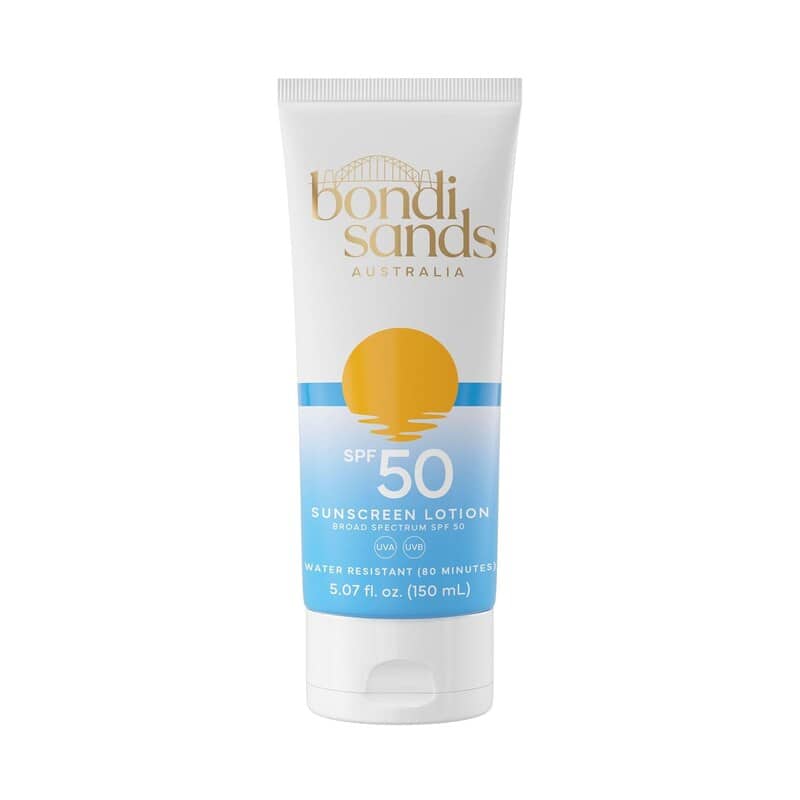
A light, water-resistant lotion from the Australian sun care brand.
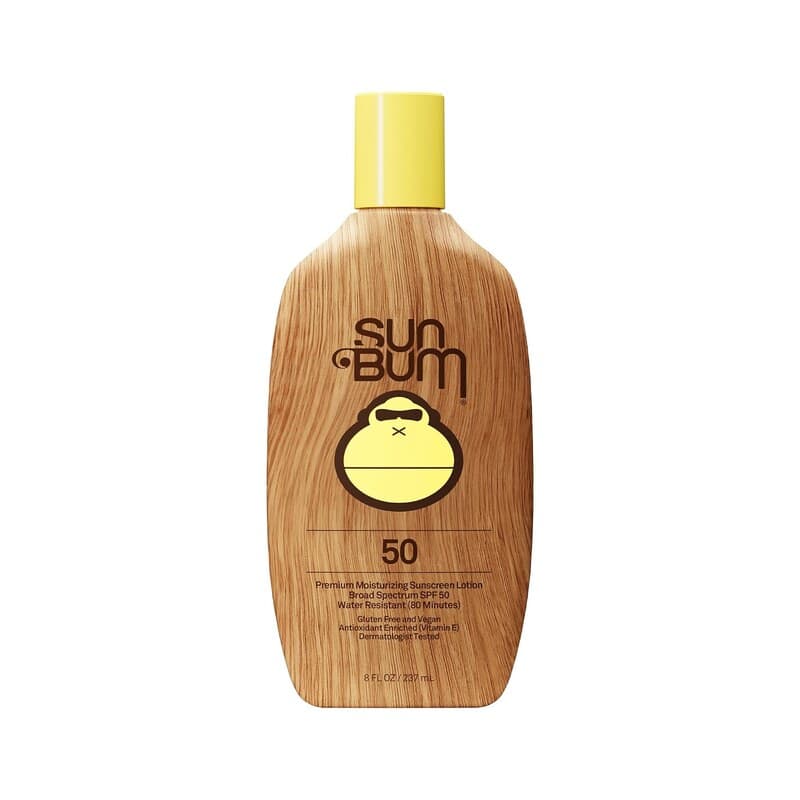
A surfer favorite with a sheer, non-greasy finish.
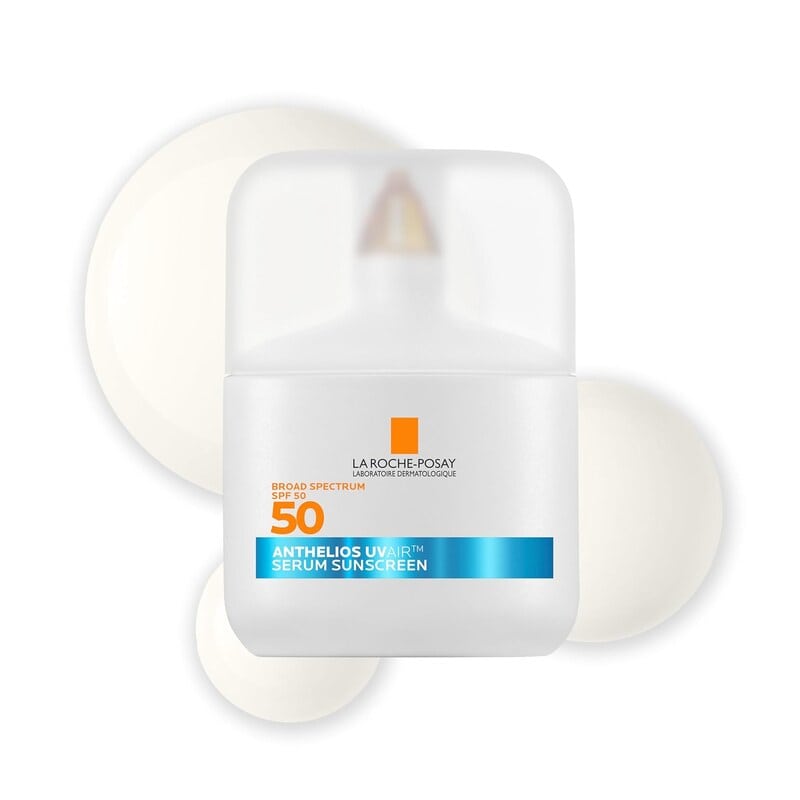
A weightless serum that sits invisibly under a cap.
The Queensland sun is strong year round, and the water reflects it straight back. Reapply sunscreen between every session.
The Gold Coast World Surfing Reserve
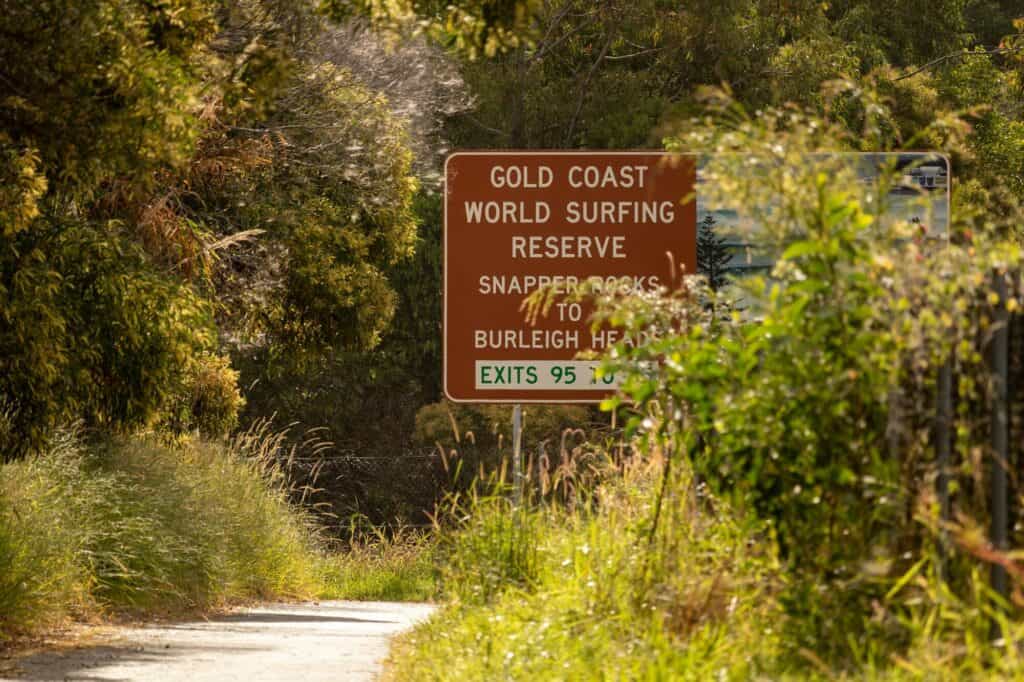
The southern Gold Coast is officially protected as a World Surfing Reserve. The City of Gold Coast says the reserve runs from Burleigh Beach to the New South Wales border. It was declared in 2015. The Queensland Government notes that it was dedicated in 2016. It is one of only two such reserves in Queensland, alongside Noosa.
The reserve protects more than the waves. It also recognizes the cultural, environmental and economic value of surfing to the region. The council’s surf management plan guides how the coast is managed. As a result, coastal works must now take the breaks into account.
Surfing matters to the local economy as well. A 2020 report for the council put surfing’s contribution at about 1.5% of gross regional product in 2019. The same work found that 71% of surveyed surfers valued living close to the surf. In other words, the waves shape where and how people live.
You may also like
The Coolangatta champions
The southern Gold Coast produced one of the greatest generations in surfing history. Mick Fanning, Joel Parkinson and Stephanie Gilmore all grew up surfing the points around Coolangatta. Each went on to win world titles. Their success turned the Superbank into a global stage.
They were known as the Coolangatta Kids, and they learned together on the same waves. Moreover, they pushed each other daily at Snapper, Kirra and Greenmount. That friendly rivalry raised the standard of Gold Coast surfing for everyone. Today, a new generation follows the same path.
Visitors can feel that legacy simply by watching the line-up at Snapper on a good day. The best local surfers ride with remarkable speed and precision. Equally impressive is the way they share waves in such a crowded place. It is the clearest lesson in Gold Coast surfing culture you will find.
That heritage is visible everywhere. Local surf shops display boards and photos from famous contests. Surf clubs celebrate their champions on the walls. Meanwhile, young surfers fill the line-ups each morning, hoping to follow in those footsteps.
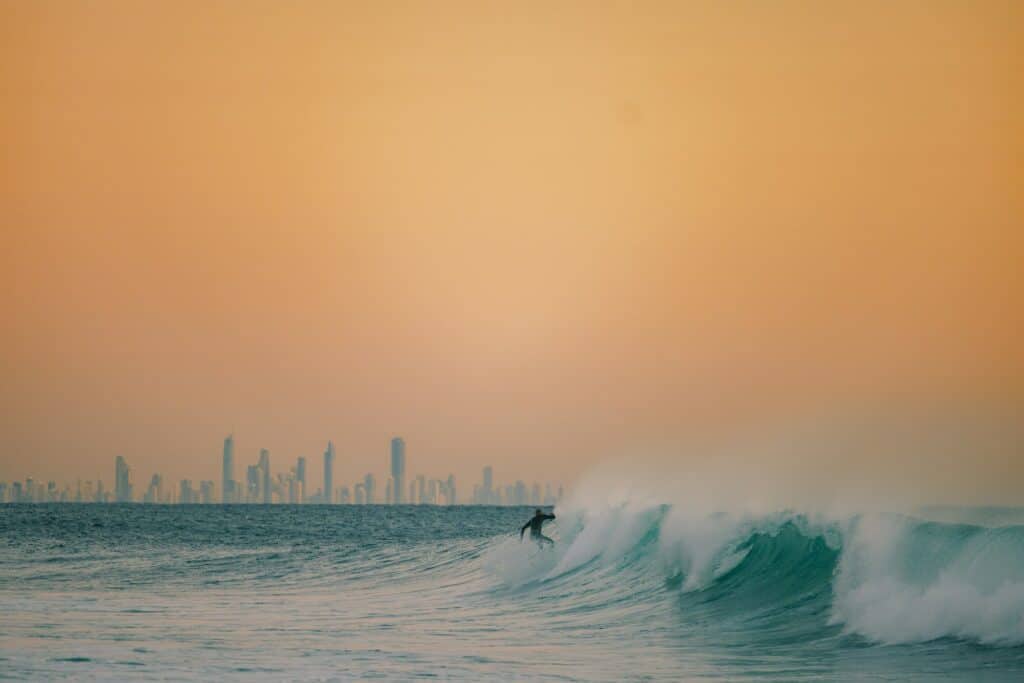
Watching a professional contest at Snapper is an unforgettable experience. Crowds gather on the rocks and the hill at Point Danger. The surfing is breathtaking, with the world’s best riding long, fast walls just yards away. Check the professional calendar before you book, because event dates change from year to year.
Duranbah, the border and the Tweed
Just south of Snapper Rocks, the coast crosses into New South Wales. Duranbah, known to locals as D-Bah, sits beside the Tweed River training walls. Its beach break picks up more swell than the points, so it often works when they are small. As a result, it is a favorite with bodyboarders and shortboarders.
The river mouth also explains the Superbank. A sand bypassing system pumps sand from the Tweed River entrance onto the southern beaches. That steady supply helps build the long sandbanks that make the points so famous. In other words, careful coastal engineering now supports some of the best waves in the world.
Across the border, the Tweed Coast continues south toward Kingscliff and Cabarita Beach. These quieter towns offer good beach breaks and fine boutique stays. Many Gold Coast surfing trips include a day or two exploring them. From there, Byron Bay is less than an hour away.
Point Danger, on the border itself, offers the best viewpoint over the whole southern coast. A lighthouse and memorial stand on the headland above the breaks. At dawn, surfers gather here to check the swell before choosing a spot. It is also a wonderful place to watch whales pass during winter.
Humpback whales migrate along this coast from about June to November. Whale-watching cruises leave from the Broadwater and the southern beaches. Meanwhile, surfers often spot them breaching just beyond the line-up. Few sights capture the magic of Gold Coast surfing so perfectly.
When to go for Gold Coast surfing
The best season for Gold Coast surfing runs from about February to May. During these months, cyclone swells from the Coral Sea often reach the points. Combined with light morning winds, they produce the finest waves of the year. However, cyclone swells are never guaranteed, so a flexible schedule helps.
Wind is just as important for Gold Coast surfing. Southeasterly winds blow offshore at the points, which is why they work so often. In contrast, northerlies can spoil the waves within hours. Therefore, check the forecast each evening and plan an early start.
Winter, from June to August, brings sunny days and clean, smaller waves. It is a pleasant time for beginners and longboarders. Spring often sees northerly winds that make the points messy. Summer is warm and busy, with occasional big swells and plenty of activity on every beach.
| Break | Wave | Level | Notes |
|---|---|---|---|
| Snapper Rocks | Fast right-hand point | Advanced | Start of the Superbank |
| Rainbow Bay | Softer right-hand point | Intermediate | Patrolled beach inside |
| Greenmount | Long right-hander | Intermediate | Beautiful headland setting |
| Kirra | Hollow right on rare days | Advanced | Famous barrel by the groyne |
| Currumbin Alley | Gentle point beside the creek | Beginners | Good for longboards |
| Palm Beach | Beach break | Beginners to intermediate | Relaxed and less crowded |
| Burleigh Heads | Powerful right-hand point | Advanced | Northern end of the reserve |
| Duranbah | Beach break | Intermediate | Just across the border |
Water temperatures stay warm for most of the year. Boardshorts or a light top are enough from about November to May. In winter, many surfers wear a spring suit for early sessions.
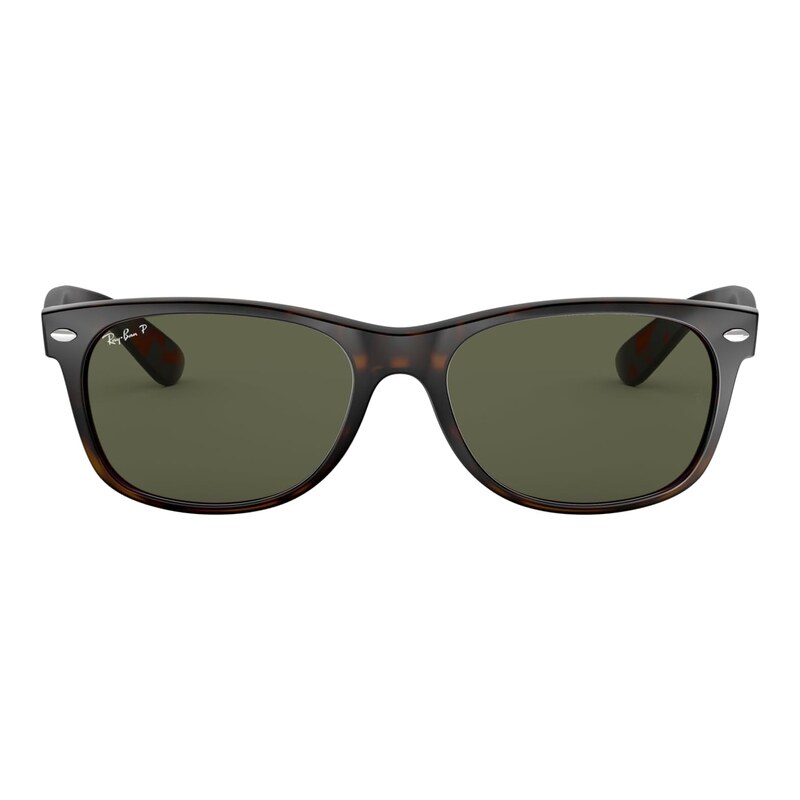
Classic polarized frames that cut glare off the water.

Booking a private coach or surf guide
The Gold Coast’s points are busy and competitive, so a guide makes a real difference. A good coach chooses the right break for your level and the day’s conditions. They also explain the local customs that keep crowded line-ups safe. Many coaches here have competed professionally.
Look for a coach accredited by Surfing Australia, the national body for the sport. Beginners usually start at Currumbin Alley, Rainbow Bay or Kirra on a small day. Intermediate surfers can learn to read the points under expert guidance. For advanced surfers, video analysis and early-morning sessions at quieter breaks are worth booking.
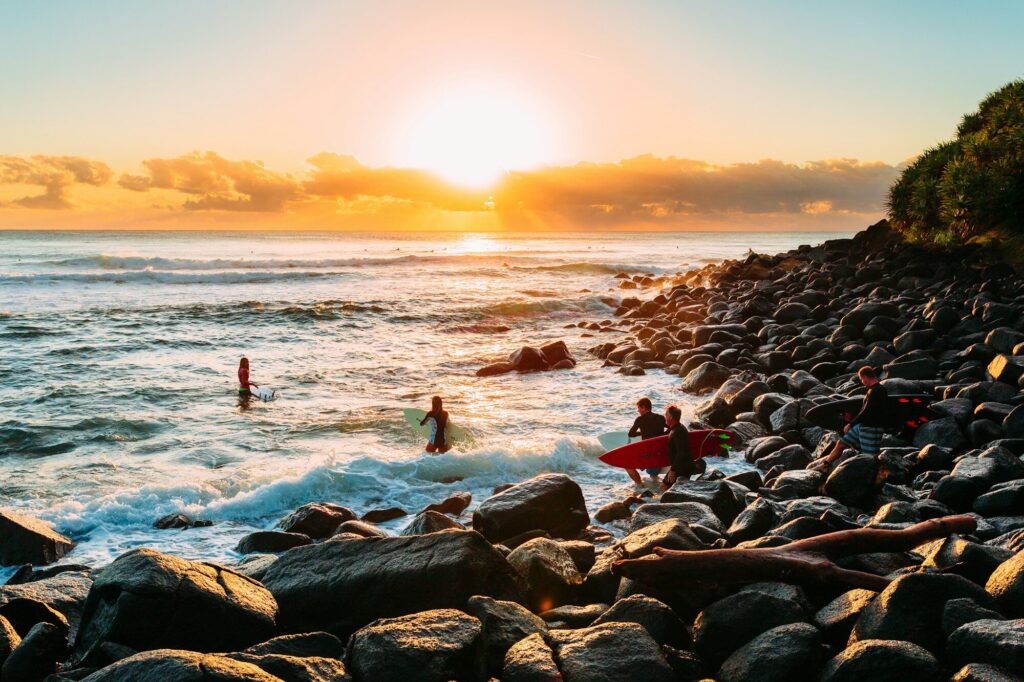
Most hotels can arrange a coach and equipment, often with pickup at dawn. Sessions usually last about two hours. Above all, tell your coach honestly about your experience. That way, they can match you with waves that build confidence rather than test it.
Group lessons suit families and friends traveling together. However, a private session offers far more attention and faster progress. Many visitors book two or three private sessions early in the trip. Then, with new confidence, they explore the gentler points on their own.
Surf clubs and lifesavers
Surf lifesaving is deeply rooted on the Gold Coast. Volunteer lifesavers and professional lifeguards patrol many of its beaches. Red and yellow flags mark the safest places to swim. Always swim between them, especially if you are unfamiliar with Australian surf.
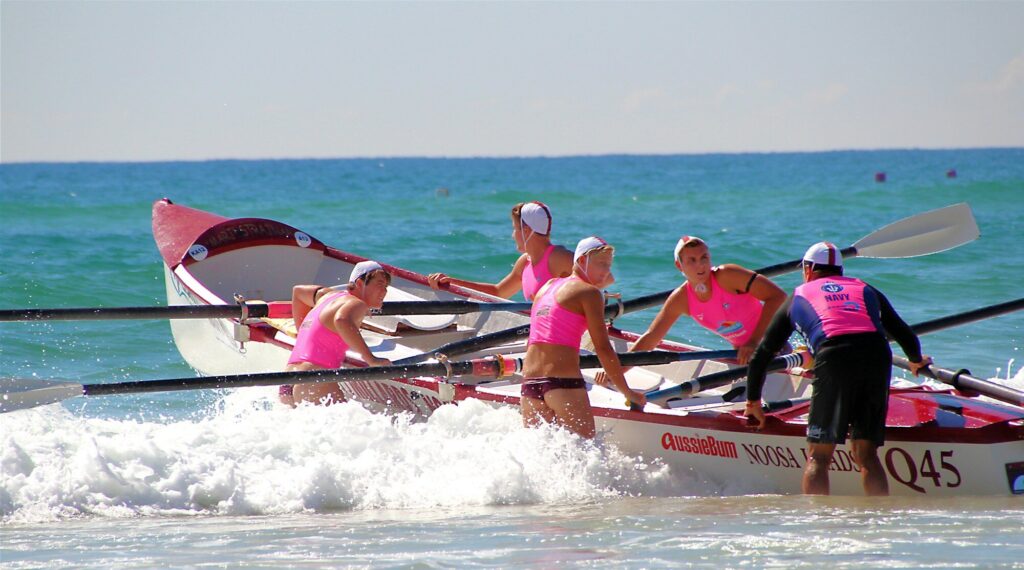
Surf clubs are also social hubs. Many have restaurants and bars with spectacular views, open to visitors. Rainbow Bay, Kirra and Currumbin clubs are especially popular at sunset. On summer weekends, you may also see surf carnivals, with boat crews racing through the waves.
These clubs also explain why Gold Coast surfing feels so welcoming. Generations of local families have volunteered on the same beaches. Consequently, there is a strong sense of community on the sand and in the water. Visitors who respect that spirit are usually greeted warmly.
Where to stay for Gold Coast surfing
For surfers, the southern end of the coast is the place to stay. Beach houses and apartments at Rainbow Bay, Greenmount and Kirra put the points within walking distance. Many have balconies overlooking the waves. They suit travelers who want to check the surf at dawn and paddle out minutes later.
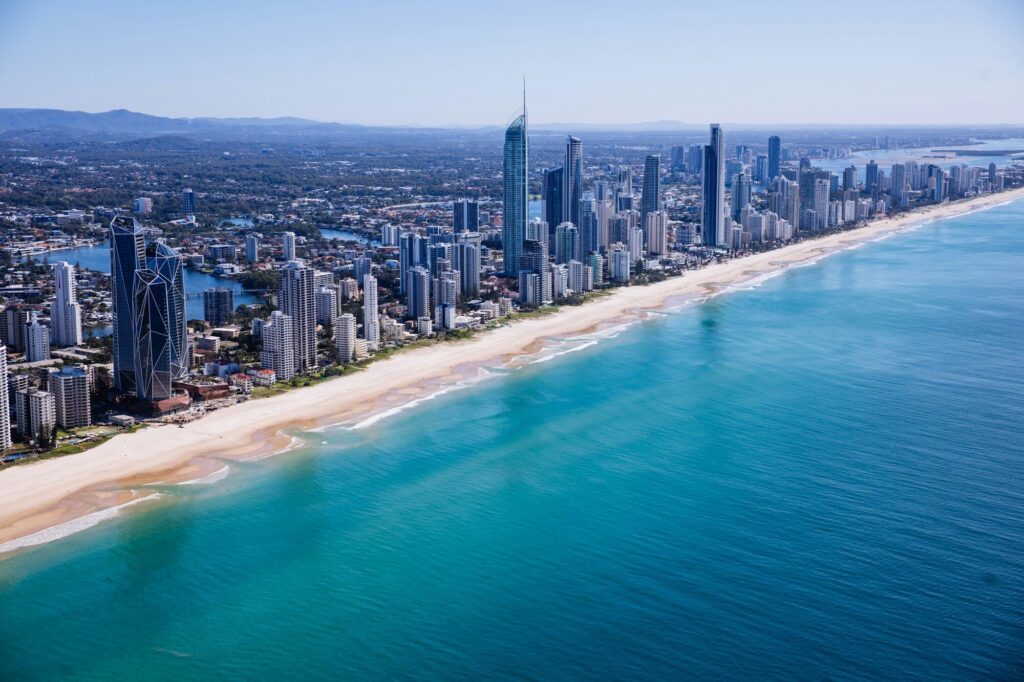
For more polish, look north. The Langham, Gold Coast rises above Surfers Paradise with elegant suites and sweeping ocean views. Imperial Hotel Gold Coast, on the Broadwater at Main Beach, offers grand interiors and a resort atmosphere. Both are a short drive from the points.
Burleigh Heads sits neatly between the two worlds. It offers boutique stays, excellent restaurants and a famous point break. Many travelers base themselves here for a balance of surf, food and style. From Burleigh, the southern points are about twenty minutes away.
Above all, choose a stay that matches your surf plans. If you want to surf every dawn, stay near Snapper or Kirra. On the other hand, a trip that mixes surf with nightlife may suit Broadbeach or Surfers Paradise better. Either way, the whole coast is easy to explore by car.

An iceless, insulated chiller from the Australian drinkware brand.

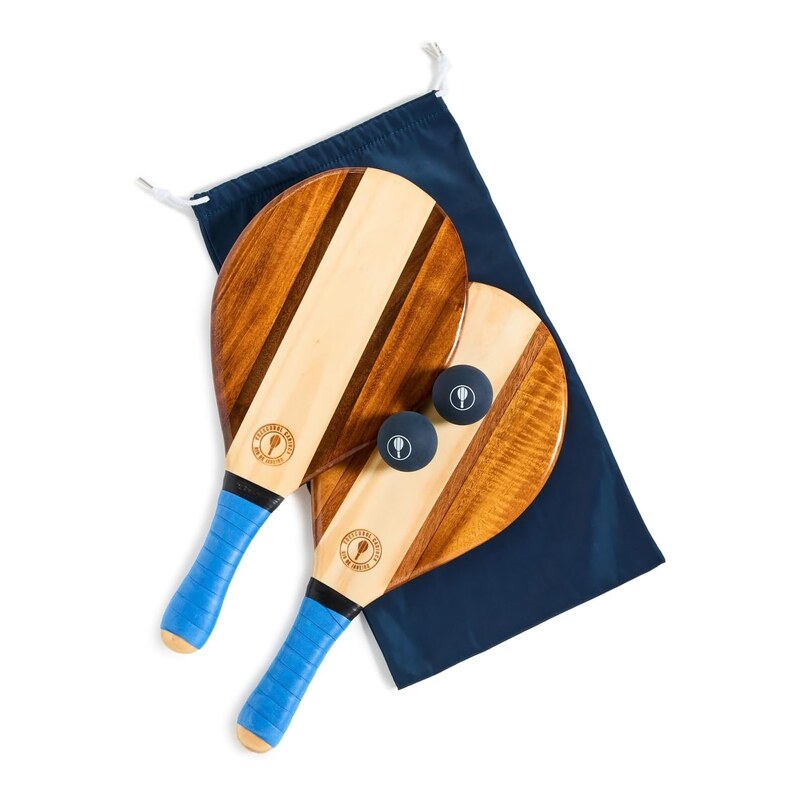
Handmade wooden bats for the classic beach paddle game.
Sunset on a Gold Coast terrace is a ritual in itself. These pieces keep the drinks cold and the evening relaxed.
You may also like
Surfers Paradise and the city by the sea
Surfers Paradise gave the Gold Coast its glamorous image. Its towers rise straight from the dunes, and its beach runs for miles in both directions. The surf here is mostly beach break, best on smaller days. Even so, an early session followed by a swim between the flags is a classic Gold Coast morning.
The city offers more than beaches. Galleries, theaters and shopping precincts fill Broadbeach and Surfers Paradise. HOTA, the Home of the Arts, hosts exhibitions and performances in a striking modern gallery. Meanwhile, the Broadwater at Main Beach offers sheltered water for paddleboarding and boating.
For many visitors, the contrast is the attraction. You can surf a world-class point in the morning and dine in a skyscraper restaurant at night. Few surf destinations offer such variety in such a small area. That balance makes Gold Coast surfing ideal for couples and families with different interests.
The Gold Coast table
The Gold Coast’s dining scene has matured remarkably. Burleigh Heads leads the way, with restaurants that look straight across the bay. Rick Shores serves modern Asian dishes at the water’s edge. Burleigh Pavilion and Labart are also among the coast’s most celebrated tables.

Further south, Kirra Beach House and the surf clubs offer relaxed dining with ocean views. Coolangatta’s cafes are perfect after a dawn session. Meanwhile, Surfers Paradise and Broadbeach have a wide range of restaurants and rooftop bars. Book ahead for weekend evenings, especially in peak season.
Sunday sessions are a local tradition. Many beachfront venues host long afternoons with music and sea views. Meanwhile, markets at Burleigh and Miami showcase local food, art and design. Spending a lazy Sunday this way is a perfect complement to an active week.
Local seafood is the highlight. Moreton Bay bugs, prawns and fresh fish appear on many menus. Pair them with a crisp white from nearby wine regions. Then finish with a stroll along the beachfront as the city lights come on.
Coffee culture is strong here too. Small roasters and cafes line the streets of Burleigh, Palm Beach and Coolangatta. Locals often meet for breakfast after a surf, wetsuits still drying on the car. Join them and you will quickly feel part of the community.
Rest days in the hinterland
When the surf goes flat, the hinterland offers a completely different world. Lamington and Springbrook national parks protect ancient rainforest, part of the Gondwana Rainforests of Australia World Heritage Area. Waterfalls, lookouts and walking tracks fill the ranges. Many visitors are surprised by how green and cool it feels.
Springbrook’s Natural Bridge is especially memorable. A waterfall pours through a hole in a cave roof, and glowworms shine on the rock after dark. Similarly, Lamington’s tree-top walks offer views across the canopy. Both are within easy reach of the coast.
Tamborine Mountain is another favorite, with galleries, wineries and rainforest walks. At night, glowworms light up caves and gorges in several parts of the ranges. Book a guided tour to see them responsibly. It makes a magical end to a rest day.
Wildlife is another highlight. Currumbin Wildlife Sanctuary, close to the southern points, cares for koalas, kangaroos and native birds. In addition, rainbow lorikeets gather there every afternoon in noisy flocks. It is a perfect outing for families between surf sessions.
Surf etiquette and safety on the points
The Gold Coast’s points are among the most crowded waves in the world. Etiquette is essential. The surfer closest to the peak has priority, and dropping in is never acceptable. Paddle wide around the line-up, and keep control of your board at all times.
Beginners should avoid the main peaks at Snapper and Burleigh. Instead, start at gentler breaks and build skills with a coach. Watch for rips, especially near headlands and creek mouths. Above all, swim and surf near patrolled areas whenever possible.
Respect also extends beyond the water. Park legally, take rubbish home and keep the beaches clean. In addition, use reef-safe sunscreen and avoid trampling the dunes. Small habits like these help protect the World Surfing Reserve for future generations.
Finally, remember that conditions change quickly on this coast. A small morning can turn into a solid afternoon swell, or the wind can swing without warning. Therefore, keep an eye on the ocean and on the patrol flags throughout the day. Experienced locals always do.
Planning your Gold Coast surf trip
Gold Coast Airport sits right beside Kirra and the southern points. That makes it one of the most convenient surf destinations in the world. Most visitors stay five to seven nights. That allows time for several surf sessions, a hinterland day and a few long lunches.
Moreover, the airport’s location saves precious time. You can land in the morning and be surfing Kirra before lunch. Hire a car with roof racks, or ask your hotel to arrange board transport. Then simply follow the swell along the coast each day.
For a longer journey, add Byron Bay surfing to the south. Alternatively, head north for surfing Noosa. Our guides to Bells Beach and Margaret River surfing cover the cooler, heavier side of Australia. For the wider story, read our guide to Australian surf culture.
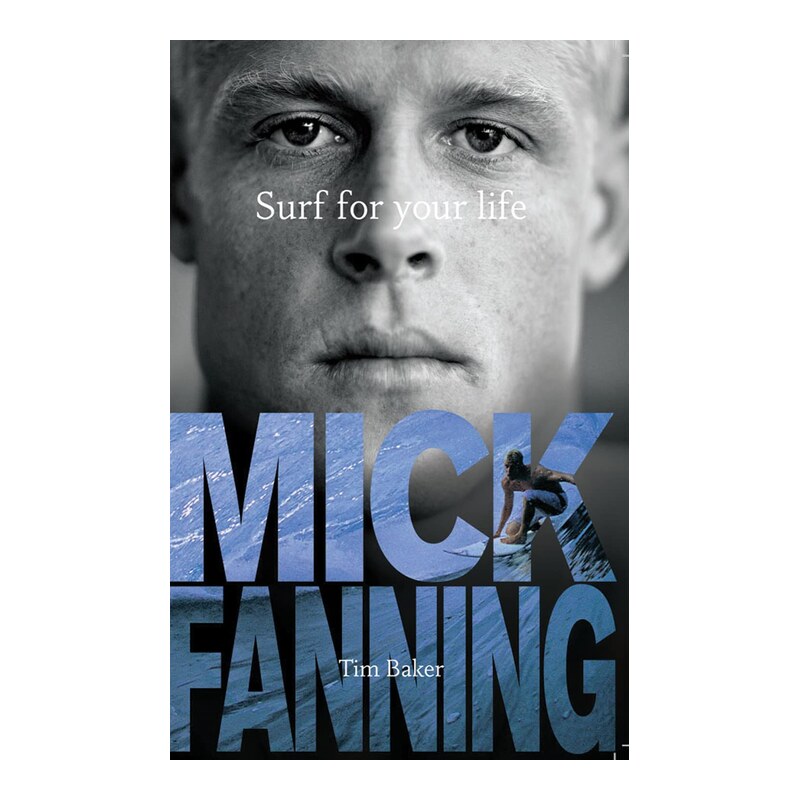
The three-time world champion’s story, from the Coolangatta points.
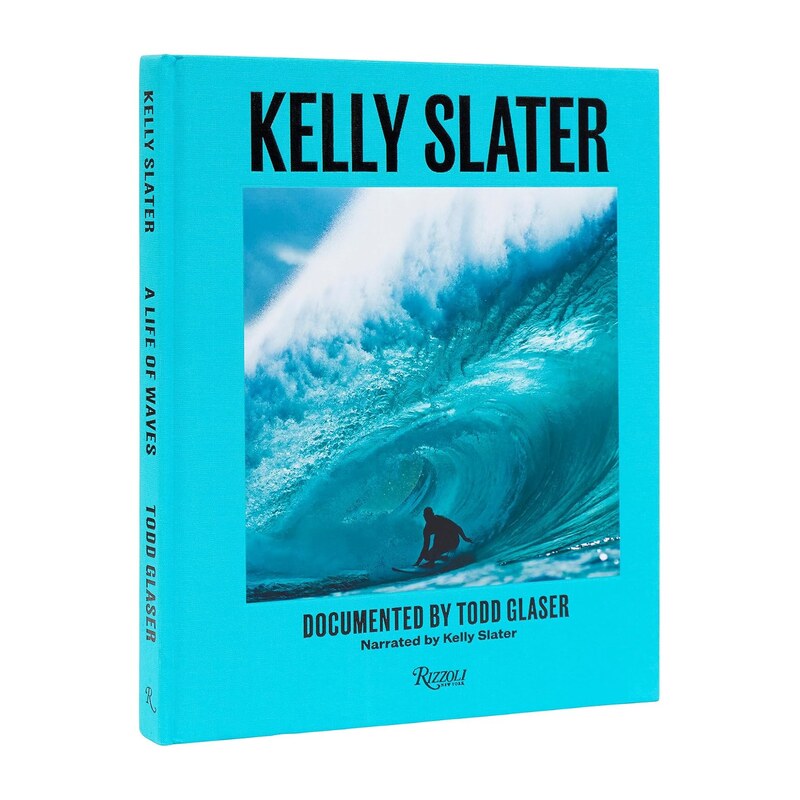
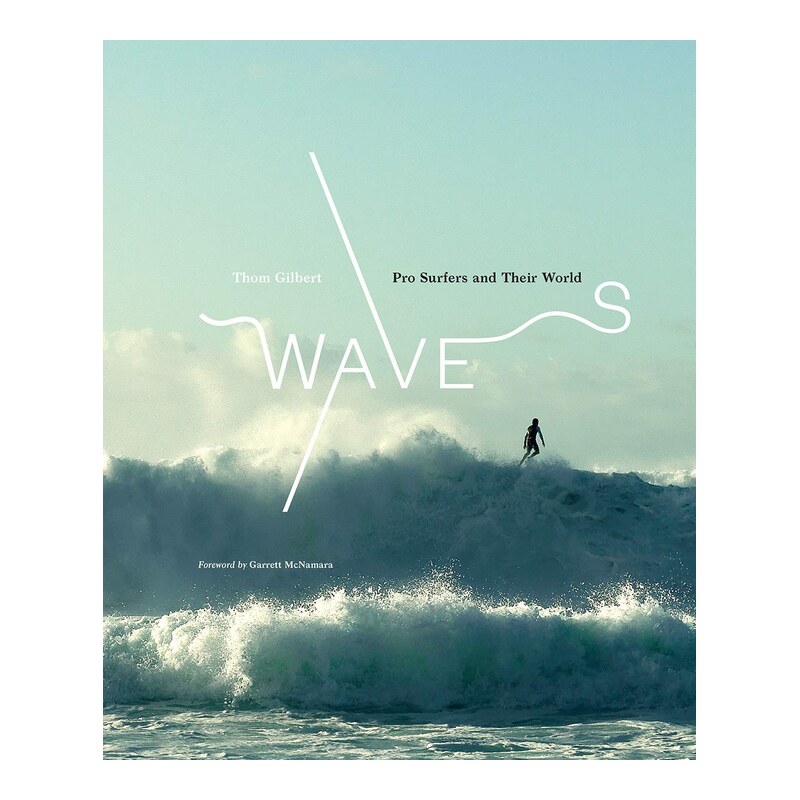
Finally, read the stories behind the waves. These three books bring the champions and the big-wave pioneers to life.
Take our short quiz and find the city, coast and pace of life that suits you best.
Take the quizQuestions worth asking
When is the best time for Gold Coast surfing?
The best waves usually arrive from about February to May, when cyclone swells reach the points. Winter offers clean, smaller waves and sunny weather.
Is the Gold Coast good for beginner surfers?
Yes. Currumbin Alley, Rainbow Bay and Kirra on small days suit beginners, especially with an accredited coach. Avoid the main peaks at Snapper and Burleigh at first.
What is the Superbank?
It is a long sandbank that runs from Snapper Rocks through Rainbow Bay toward Kirra. On the right swell, it produces some of the longest point break rides in the world.
Is the Gold Coast a World Surfing Reserve?
Yes. The stretch from Burleigh Beach to the Queensland and New South Wales border was declared a World Surfing Reserve in 2015.
Do I need a wetsuit on the Gold Coast?
Usually not from November to May, when boardshorts or a light top are enough. In winter, a spring suit is comfortable for early sessions.
Where should I stay for Gold Coast surfing?
Rainbow Bay, Greenmount and Kirra put you close to the points. Burleigh Heads balances surf with dining, while The Langham offers luxury in Surfers Paradise.