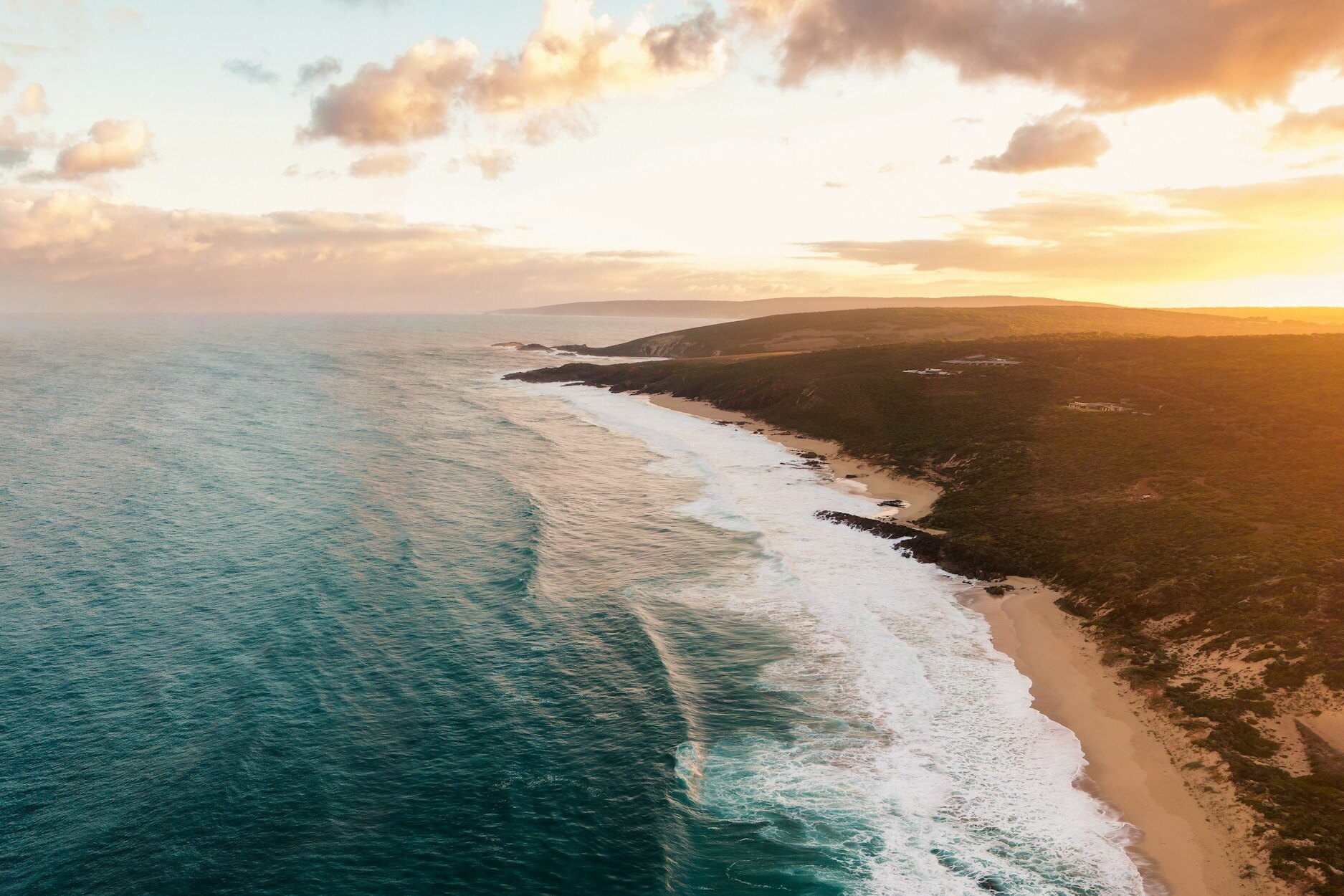
Yes, for confident surfers. Margaret River’s limestone reefs turn Indian Ocean swell into some of the most powerful waves in Australia, especially from March to May. Beginners can learn at sheltered beaches like Smiths and Yallingup, then spend the afternoon at a world-class cellar door.
Why Margaret River surfing is unlike anywhere else
Margaret River surfing is a lesson in raw power. Swells born in the Southern Indian Ocean travel enormous distances before they reach this corner of Western Australia. When they hit the limestone reefs, they rear up into thick, heavy walls of water. As a result, few coasts anywhere deliver such size and strength so consistently.
Then there is the other side of the region. Just behind the beaches lie vineyards, forests and some of the finest restaurants in Australia. After a dawn session, you can be tasting chardonnay at a cellar door by lunchtime. That rare pairing of wild surf and refined living makes Margaret River unique.
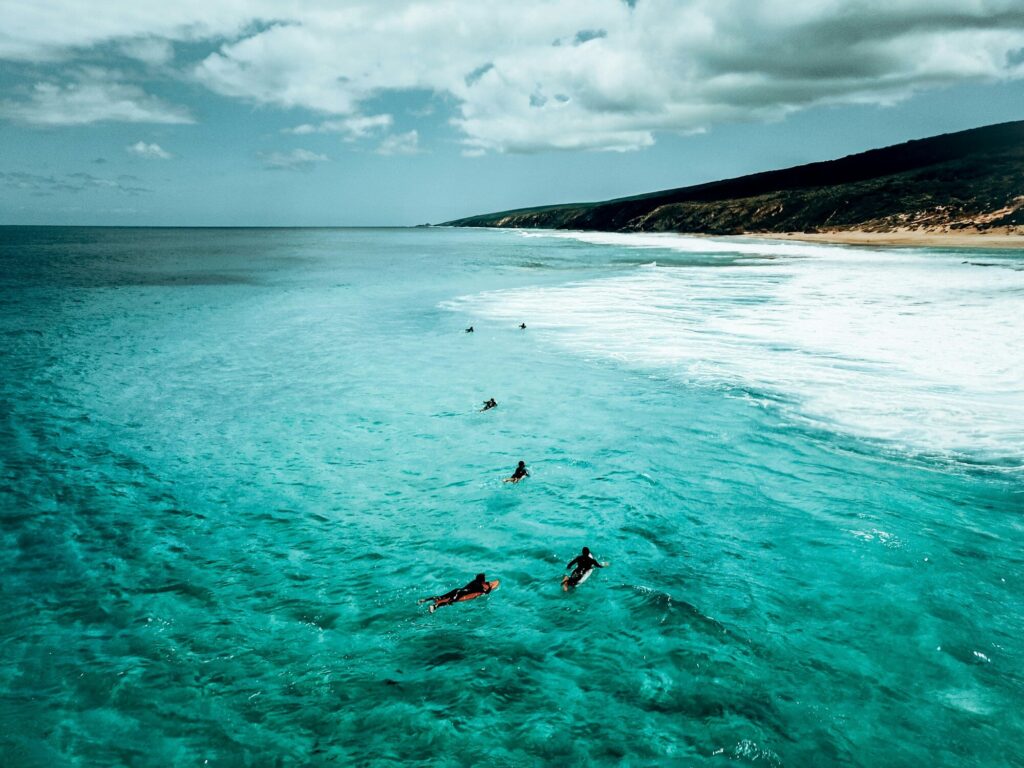
Margaret River also holds a special place in Australian surf culture. Surfers drove south from Perth in the 1960s and found empty, perfect reefs. Many stayed, and over time the region grew around them. Today, it hosts a stop on the professional world tour and a proud local surf community.
This guide covers the breaks, the seasons and the best way to surf them safely. It also explores the wineries, the caves, the Cape to Cape Track and the Wadandi culture of this coast. Use it to plan a week that balances serious waves with long, beautiful afternoons.
Before you go, it helps to understand the scale of the region. The drive from Cape Naturaliste to Cape Leeuwin takes well over an hour. Therefore, choose a base close to the breaks and wineries you most want to visit. For most surfers, Yallingup or Prevelly works best.
The breaks of the Capes region
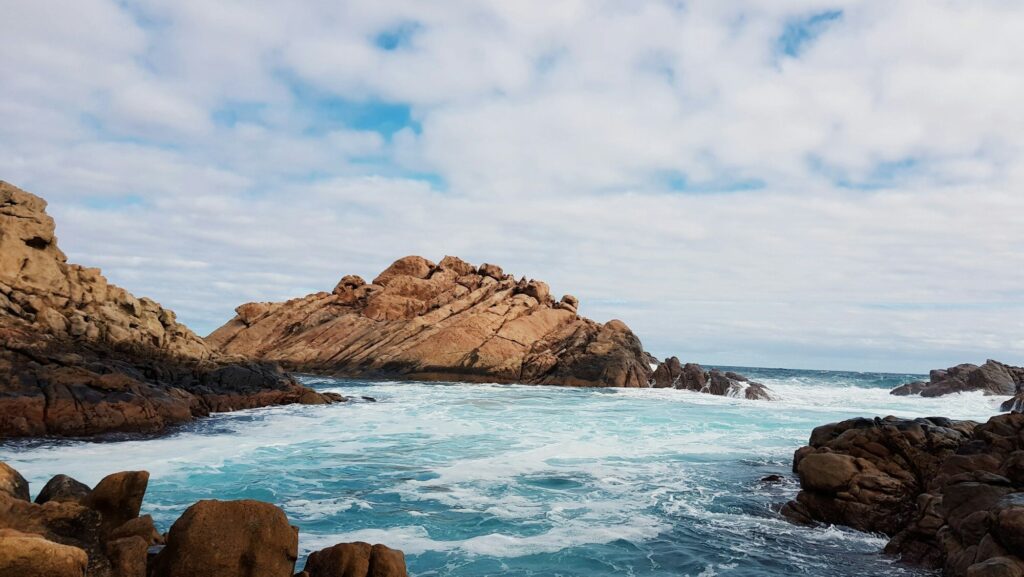
The Margaret River region stretches between two capes, Naturaliste in the north and Leeuwin in the south. Between them, dozens of reefs, points and beaches catch the swell. Naturally, each break has its own mood, from gentle sandbanks to fearsome slabs. Knowing which one suits you is the key to a great trip.
Surfers Point and Main Break
Surfers Point, at Prevelly near the river mouth, is the heart of Margaret River surfing. Main Break is a powerful left and right reef that handles very big swell. In addition, it hosts the region’s professional contest each autumn. On a solid day, watching the experts here is a spectacle worth the trip alone.
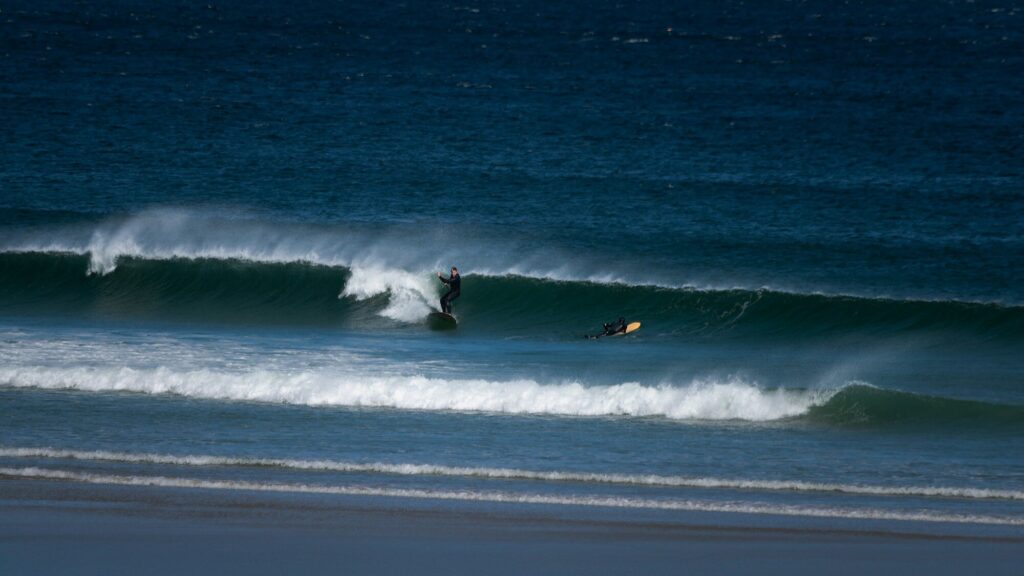
Nearby, The Box is a short, heavy right-hand slab for experts only. Southside and the Rivermouth offer slightly more forgiving options on smaller days. Meanwhile, the car park at Surfers Point is a social hub where locals gather to watch and talk swell. Arrive early on good mornings, because spaces fill fast.
Watching from the cliff is a ritual in itself. Locals gather on the grassy slope above Main Break with coffee and binoculars. Meanwhile, children play on the sand at the river mouth, and dogs run along the beach. In other words, the car park is the town square of Margaret River surfing.
Yallingup, Injidup and Smiths
In the north, Yallingup is one of the region’s most beautiful surf towns. Its main reef works on a range of swells and, consequently, attracts a strong local crowd. Next door, Smiths Beach offers gentle beach breaks ideal for learning. Injidup, a short drive away, has a long right-hand point that fires on bigger days.
Yallingup also has a fine surf heritage. In the early days, surfers camped among the dunes and shared boards and stories. Today, the town keeps that relaxed spirit, even as luxury villas line the hills. Consequently, it remains a favorite base for surfers who want both waves and comfort.
Gracetown and North Point
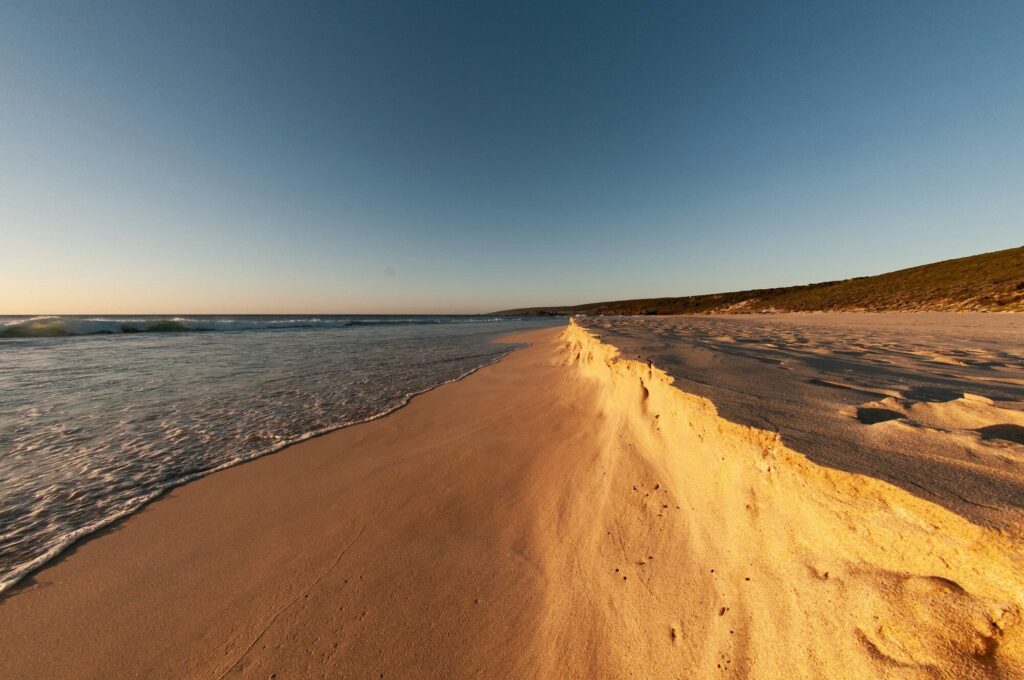
Gracetown, halfway down the coast, is home to some of the heaviest waves in the region. North Point is a powerful right-hand reef that suits only very experienced surfers. Lefthanders, just south, offers a fast left on the right swell. These are waves to watch and admire unless you are truly at the top of your game.
For most visitors, the smart approach is simple. First, watch the heavy breaks from the cliffs to understand the power of the coast. Then surf the gentler options with a guide, building confidence each day. Finally, return to the famous reefs only when the swell and your skills match.
Margaret River surfing also rewards patience with the forecast. Swell, wind and tide must line up for each reef to work well. Consequently, local surfers often wait days for the perfect morning at their favorite break. Visitors who stay flexible usually score the best sessions of their trip.
STRAAYA may earn a commission when you buy through these links, at no extra cost to you.
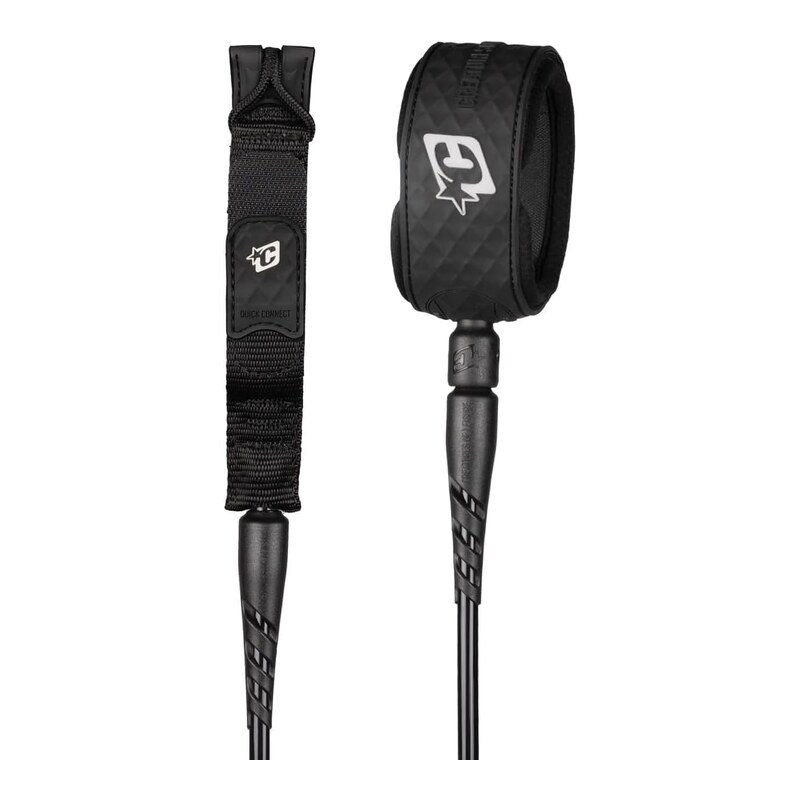
A strong six-foot leash from the Australian surf brand.
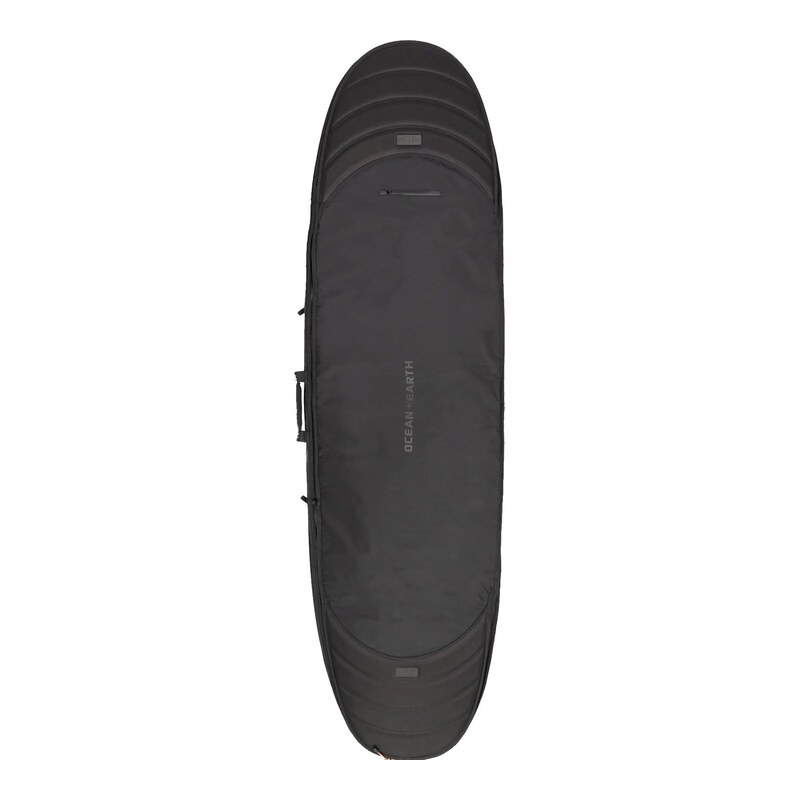
A padded travel bag to protect your board on the flight west.
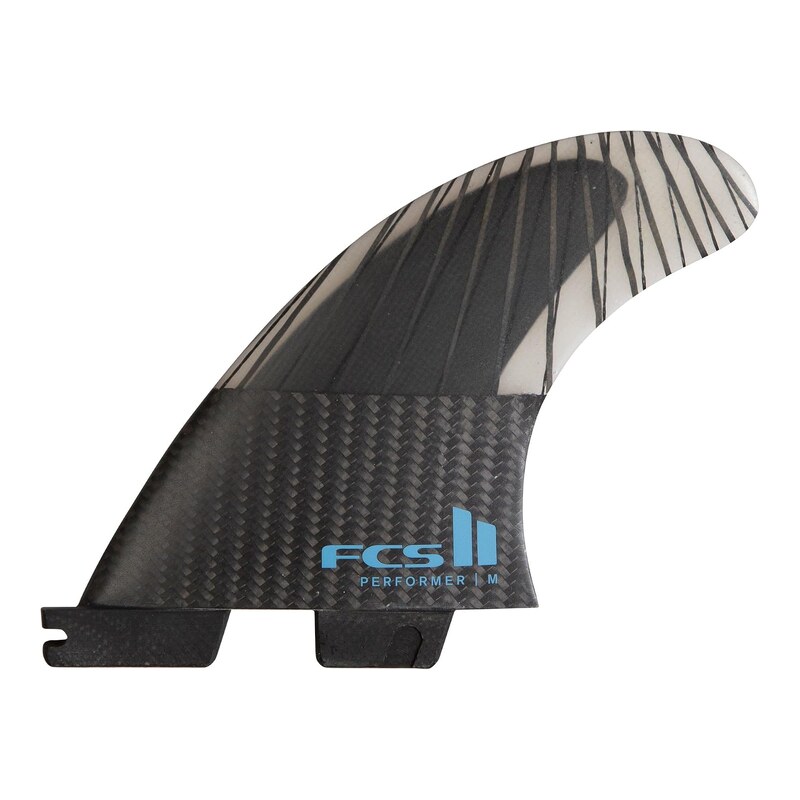
Powerful reefs demand gear you can trust. The best boards, fins and leashes for this coast come from Australian makers.
When to go for Margaret River surfing
Autumn, from March to May, is the classic season for Margaret River surfing. Southern Ocean swells arrive regularly, and morning winds often blow offshore from the east. Better still, the water is relatively warm after summer. As a result, many surfers consider these months the best of the year.
Winter, from June to August, brings the biggest swells and wildest storms of the Margaret River surfing year. On some days, the surf is simply too big and messy. However, between fronts, the reefs can produce perfect, massive waves. Spring, from September to November, offers good swell, cooler water and wildflowers along the cliffs.
Summer is warm and dry, with smaller swells and strong afternoon sea breezes. For that reason, mornings are usually the best time to surf. The season suits beginners, families and visitors who want beaches as much as waves. It is also peak time for wine, food and outdoor dining.
Wind is the other key factor. Easterly winds blow offshore along most of the coast, grooming the waves into clean lines. By contrast, strong afternoon sea breezes can make the surf choppy within an hour. Therefore, plan to be in the water early and spend the afternoons inland.
| Break | Wave | Level | Notes |
|---|---|---|---|
| Main Break | Powerful reef, left and right | Advanced | Hosts the autumn pro contest |
| The Box | Heavy right-hand slab | Expert | Shallow and dangerous |
| Southside | Reef and sand | Intermediate | Option on smaller days |
| Yallingup | Reef break | Intermediate to advanced | Strong local crowd |
| Smiths Beach | Beach break | Beginners | Sheltered and scenic |
| Injidup Point | Right-hand point | Advanced | Best on bigger swells |
| North Point | Powerful right-hand reef | Expert | Gracetown |
| Gnarabup | Beach and reef | Beginners to intermediate | Near Prevelly |
Water temperatures range from cool to cold. A full wetsuit is standard for most of the year, with a thicker suit in winter. In late summer, some surfers switch to a spring suit on warm mornings.
You may also like
Surfing safely with a private guide
A private guide is essential for most visitors new to Margaret River surfing. The reefs are shallow, the currents are strong and conditions change quickly. A local guide knows which break suits your level on any given morning. They also understand the local customs at busy reefs, which matters more than most visitors expect.
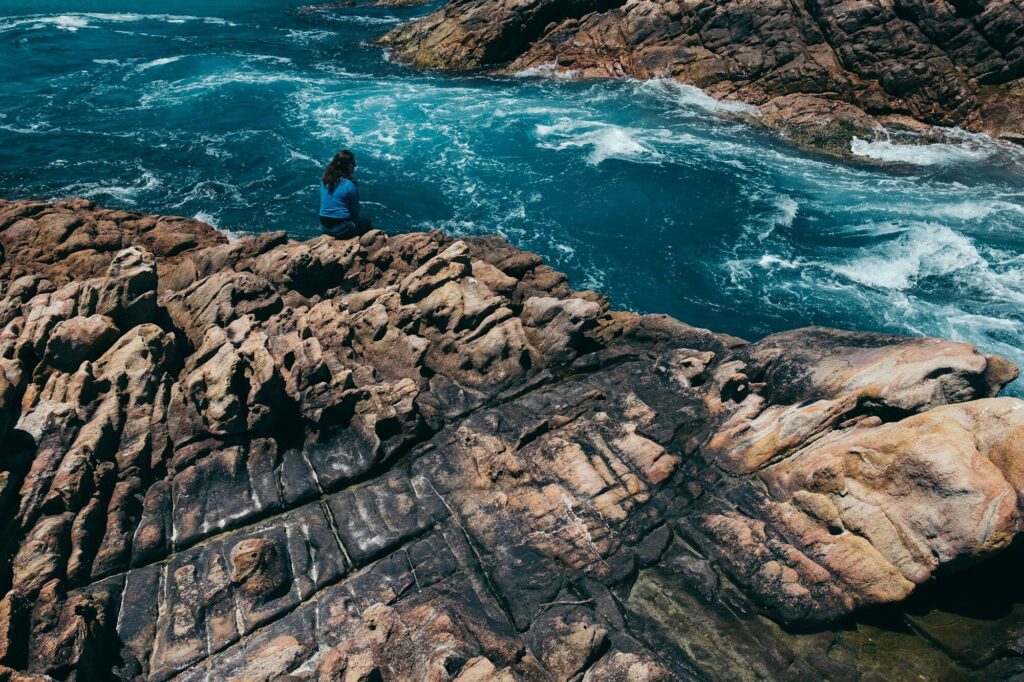
Look for a coach accredited by Surfing Australia, the national body for the sport. Many offer private sessions, video analysis and guided surf tours along the coast. Beginners usually start their Margaret River surfing at Smiths Beach or Gnarabup, where the waves are gentler. Experienced surfers can ask for a guided tour of the region’s quieter reefs.
Safety deserves special attention. Western Australia’s coast is wild, and sharks are present in these waters, as on many coasts. Surf with others, avoid dawn and dusk in murky water and check the SharkSmart WA app before paddling out. Your guide will also brief you on rips and reef hazards.
Families can enjoy Margaret River surfing safely too. Several beaches are patrolled by volunteer lifesavers during summer. Meanwhile, sheltered spots like Smiths and Gnarabup offer gentle waves for children. As a result, Margaret River works for a family trip as well as for serious surfers.
Wadandi Country and the saltwater people
The Margaret River coast is Wadandi Country. The Wadandi people describe themselves as saltwater people, and their connection to this coast runs deep. In fact, their stories explain the landforms, the caves and the movement of the seasons. Learning a little of that knowledge changes how you see the region.
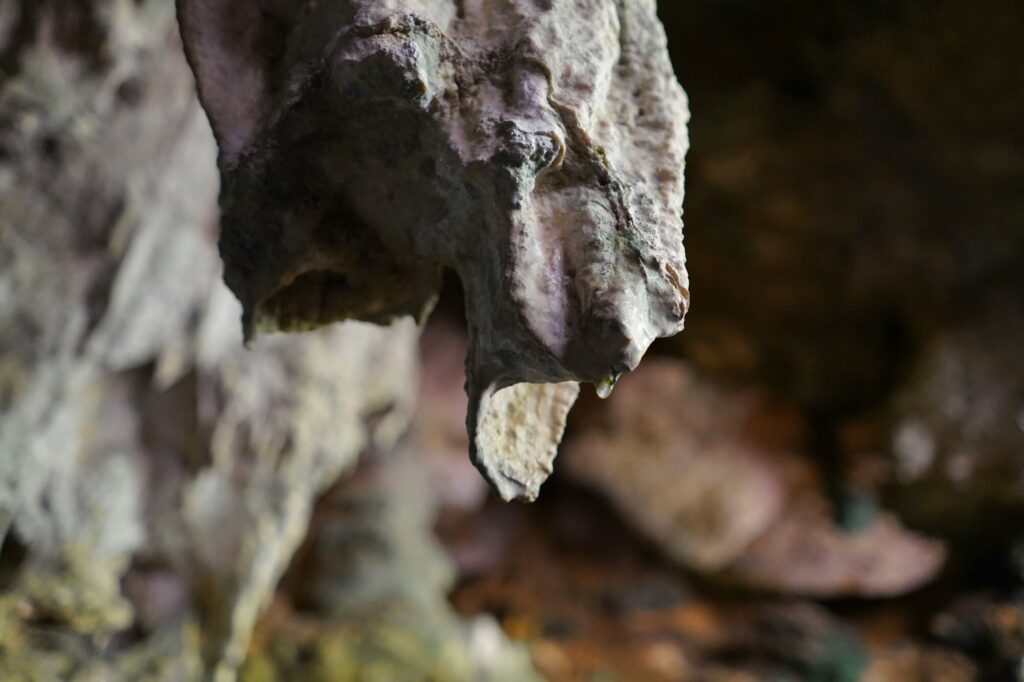
Koomal Dreaming, a Wadandi-owned experience near Yallingup, offers guided walks and cave tours. Guests learn about bush foods, traditional tools and the creation stories of the coast. The tours often end with music echoing through Ngilgi Cave. It is one of the most moving experiences in Western Australia.
Respecting Wadandi Country is part of visiting well. Stay on marked paths, leave rock art and sacred sites undisturbed and listen to local guidance. Many businesses in the region now acknowledge Traditional Owners at the start of tours. That respect is woven into the modern culture of the Capes.
In addition, several local galleries showcase work by Aboriginal artists from the South West. Their paintings often depict the coast, the seasons and the stories of Country. Buying directly from these galleries supports artists and their communities. It also brings home a meaningful piece of the region.
The cellar doors of Margaret River
Beyond the surf, Margaret River is one of Australia’s most celebrated wine regions. It is small by national standards, yet its reputation is global. According to Wine Australia, the region has 5,725 hectares of vineyards. That is just 4% of the national vineyard area.
Instead of quantity, quality defines the region. Wine Australia’s 2024–25 snapshot estimates that 27,905 tonnes of grapes were crushed here in 2025. Chardonnay made up 23% of that crush, followed by sauvignon blanc, semillon and cabernet sauvignon. Those four varieties shape the region’s famous style.
Like Margaret River surfing, the region’s wine success rests on nature: its climate and soils. Ocean breezes keep summers moderate, while ancient gravel soils drain well. As a result, grapes ripen slowly and keep fresh acidity. That balance gives Margaret River wines their elegance and long life in the cellar.
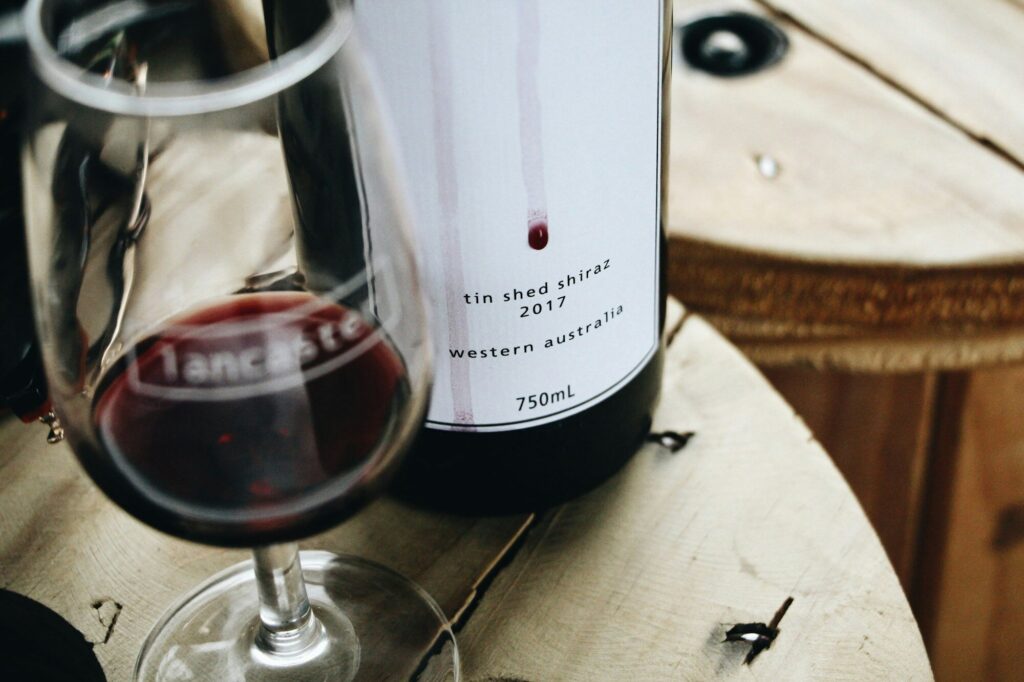
Vasse Felix, Leeuwin Estate and Cullen Wines are the classic names. Each one offers tastings, restaurants and beautiful grounds among the vines. Voyager Estate is known for its gardens and refined dining room. Meanwhile, Wills Domain combines wine, food and contemporary art near Yallingup.
Ideally, plan your tastings around Margaret River surfing sessions. Most surfers paddle out at dawn, then drive to a cellar door for a long lunch. Above all, book ahead, especially on weekends and during school holidays. Better still, hire a driver so everyone can enjoy the wine.
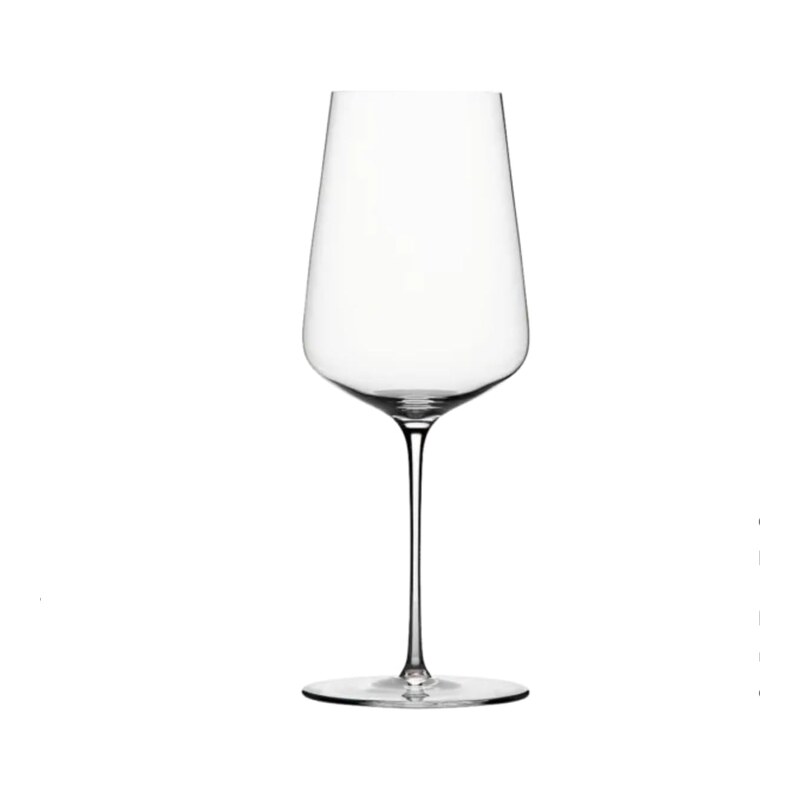
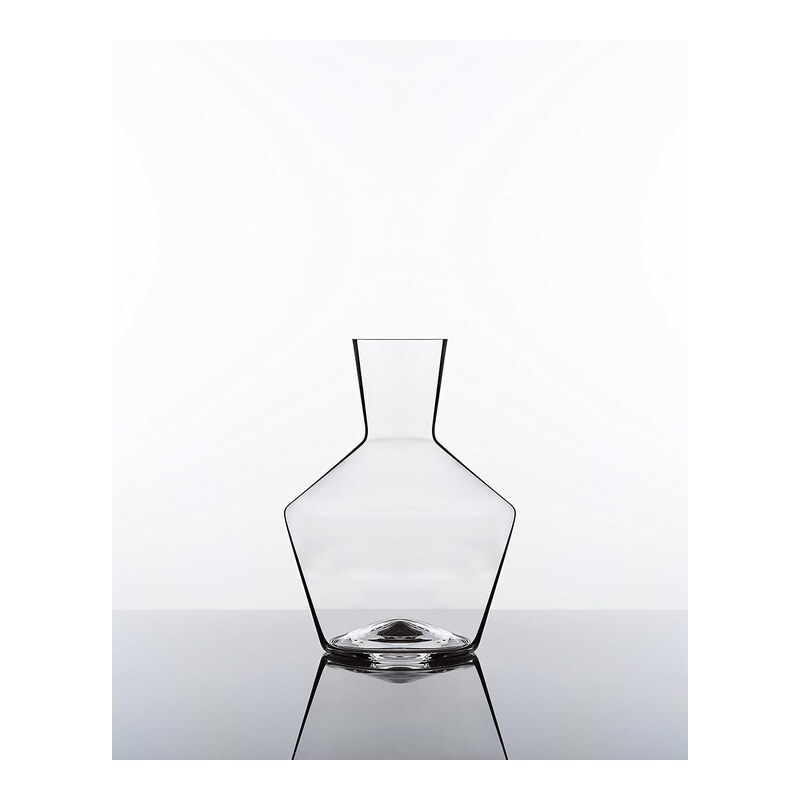
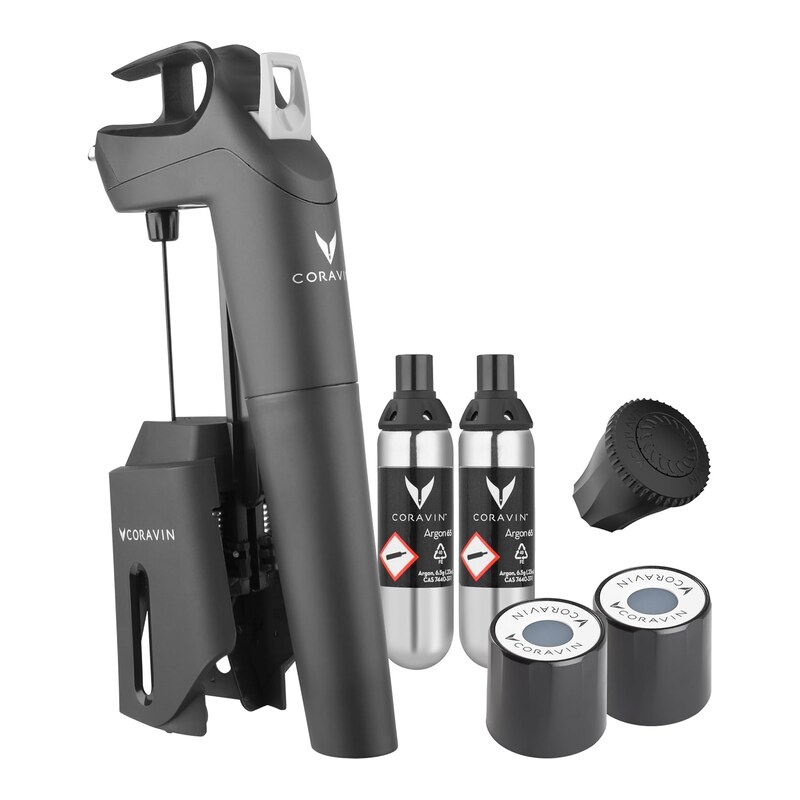
A Margaret River chardonnay deserves crystal that matches its quality. These pieces turn a villa dinner into an occasion.
Where to stay in the Capes
Cape Lodge, near Yallingup, is one of the region’s most elegant retreats. Its suites sit around a lake among the vineyards. The restaurant serves refined dishes built around local produce and wine. It is a perfect base for surfers who want luxury after a big session.
Injidup Spa Retreat offers a different kind of beauty. Here, villas perch above the ocean, each with a private plunge pool. From your terrace, you can watch the waves at Injidup Point. Few places in Australia offer such a direct connection between luxury and surf.
Moreover, many luxury stays in the region arrange private experiences on request. A chef can cook in your villa, and a sommelier can guide a private tasting. Likewise, a surf coach can meet you at the door. In short, the Capes reward travelers who plan ahead and ask for exactly what they want.
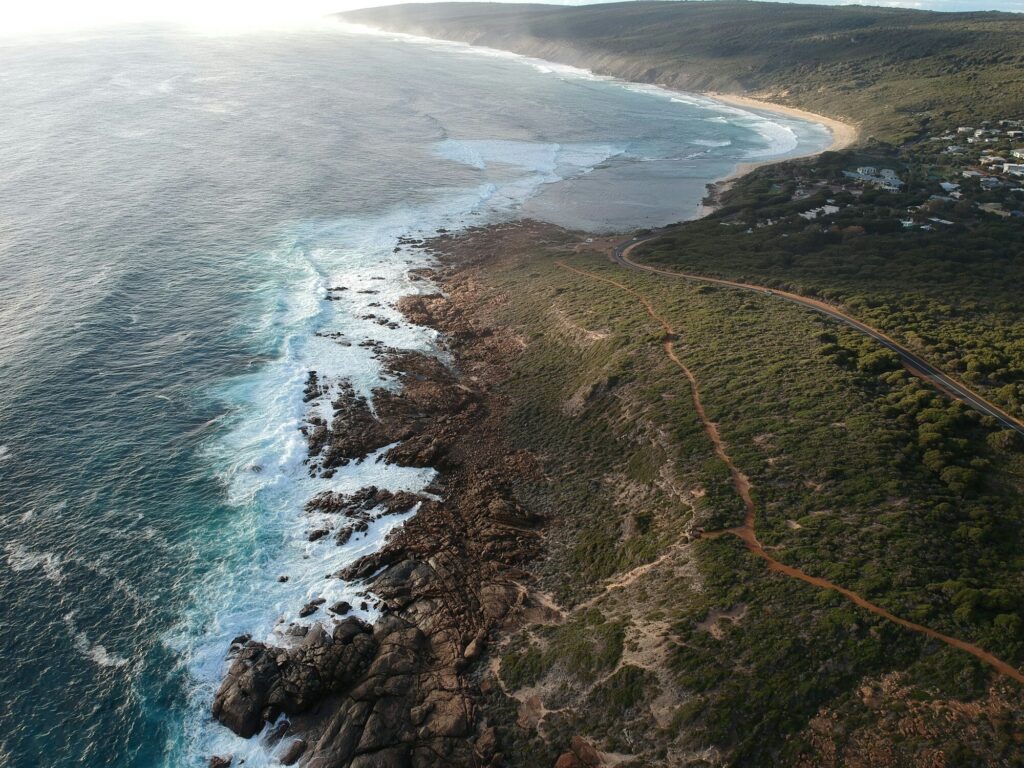
Smiths Beach Resort sits just above the sand at Smiths, ideal for families and beginners. Further north, Pullman Bunker Bay Resort overlooks a sheltered bay near Cape Naturaliste. In both cases, the beaches are within easy reach. For more privacy, many visitors rent a villa among the forests and vines.
The Margaret River table
Not surprisingly, the region’s food matches its wine. Local farms produce beef, lamb, truffles, olive oil and dairy, while the ocean supplies marron, lobster and fresh fish. Chefs build menus around those ingredients with real skill. As a result, many visitors plan their trips around restaurants as much as surf.
Above all, winery restaurants lead the way, with long lunches overlooking the vines. In addition, the town of Margaret River has excellent cafes and casual dining. On weekends, the farmers market showcases local produce and artisan food. A picnic of local cheese and bread on a clifftop makes a perfect afternoon.
Marron deserves a special mention. These large freshwater crayfish are native to Western Australia and appear on many local menus. Similarly, truffles from the nearby southern forests star in winter dishes. Ask your server for the local specialties, and pair them with a regional white.

The Cape to Cape Track
The Cape to Cape Track runs the full length of the region’s coast. According to Explore Parks WA, it covers 130 kilometers, or about 81 miles, between two historic lighthouses. The track traverses Leeuwin-Naturaliste National Park and overlooks the adjoining Ngari Capes Marine Park. Completing it in one trip usually takes five to seven days.
However, most visitors walk shorter sections instead. The stretch from Cape Naturaliste to Sugarloaf Rock is especially beautiful and easy to reach. Further south, the track passes Injidup, Wilyabrup and the cliffs near Gracetown. Each section offers views of surf breaks you may have watched from the water.
Guided walking holidays make the full track effortless. Operators carry your luggage, arrange lodges and prepare gourmet meals each evening. Spring is the most popular season, when wildflowers carpet the heath. It is a wonderful way to see the coast at a slower pace.
Even a short walk between Margaret River surfing sessions rewards you richly. For instance, the coastal path near Yallingup offers sweeping views over the reefs within minutes of the car park. Similarly, the stretch south of Gracetown passes dramatic cliffs and quiet coves. Bring water, a hat and good shoes, because shade is rare along the track.
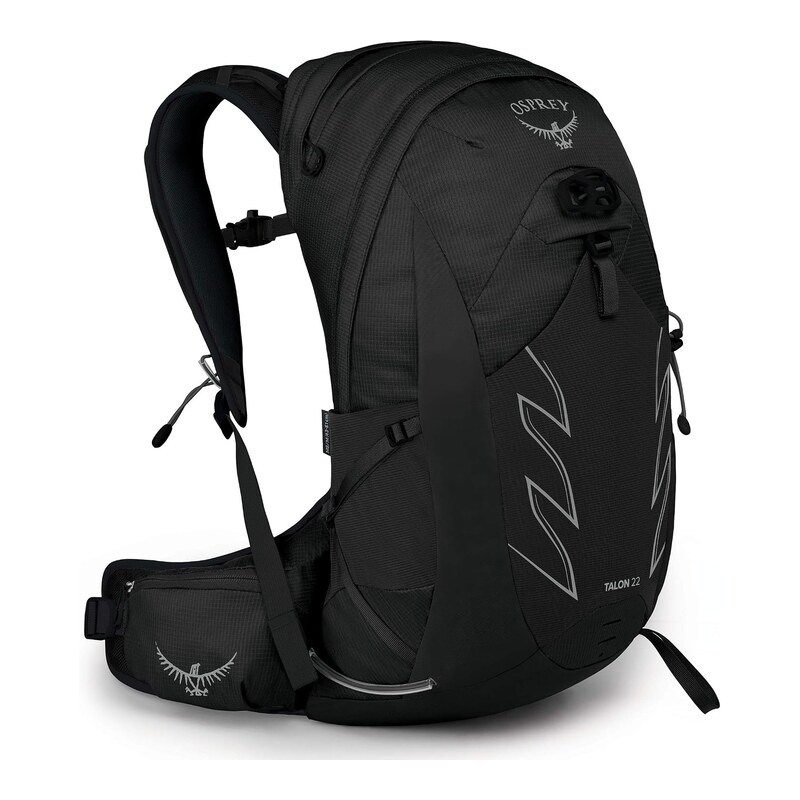
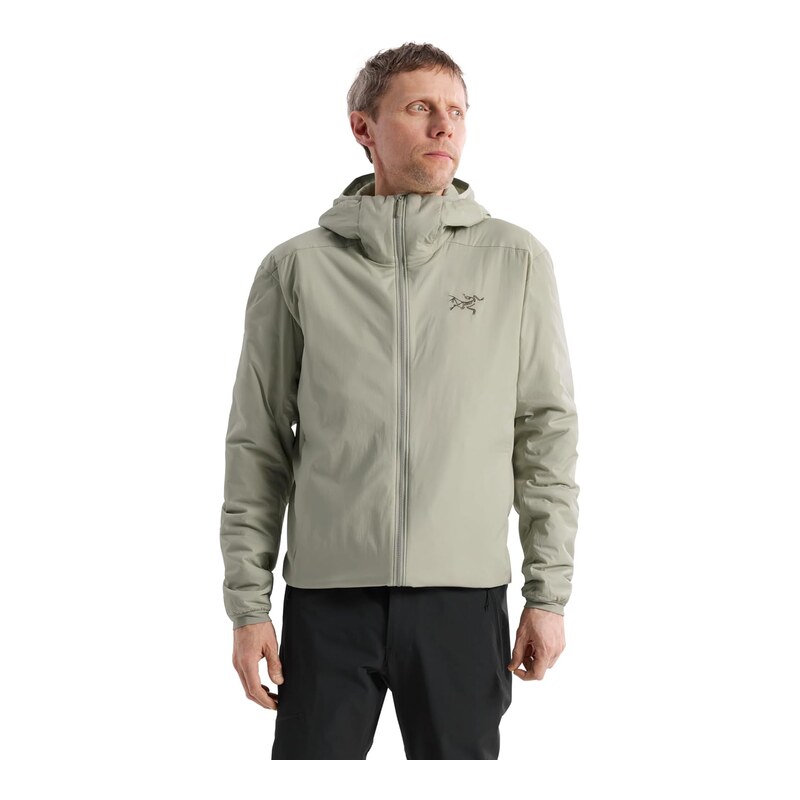

Long walks on the Cape to Cape call for light, reliable gear. These pieces handle wind, sun and changing weather.
You may also like

Caves, rock pools and lighthouses
Meanwhile, flat days reveal another side of the region. Beneath the limestone ridge, meanwhile, lie hundreds of caves. Ngilgi Cave near Yallingup, along with Lake, Mammoth and Jewel caves further south, are open to visitors. Their chambers are filled with delicate formations and cool, still air.
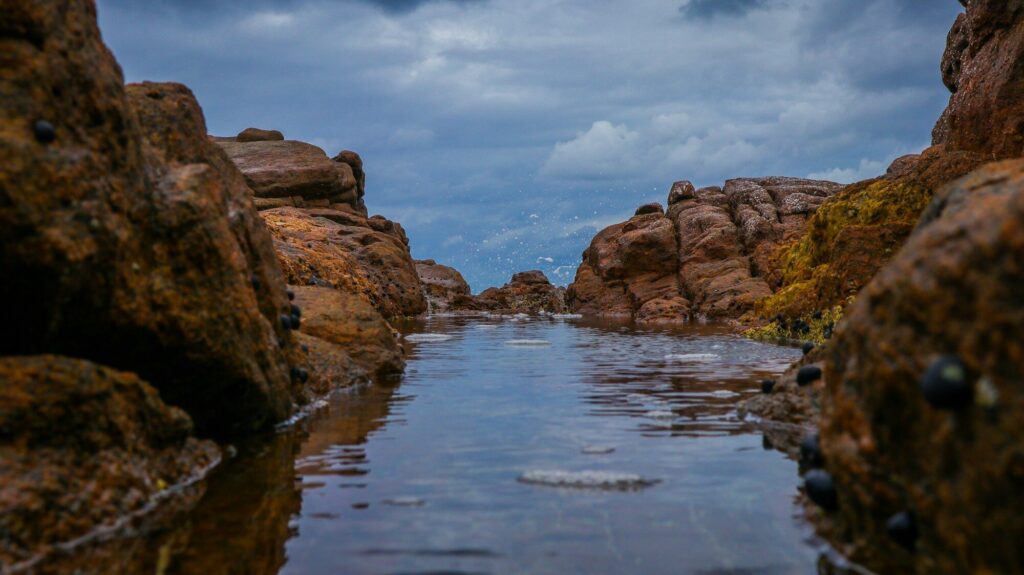
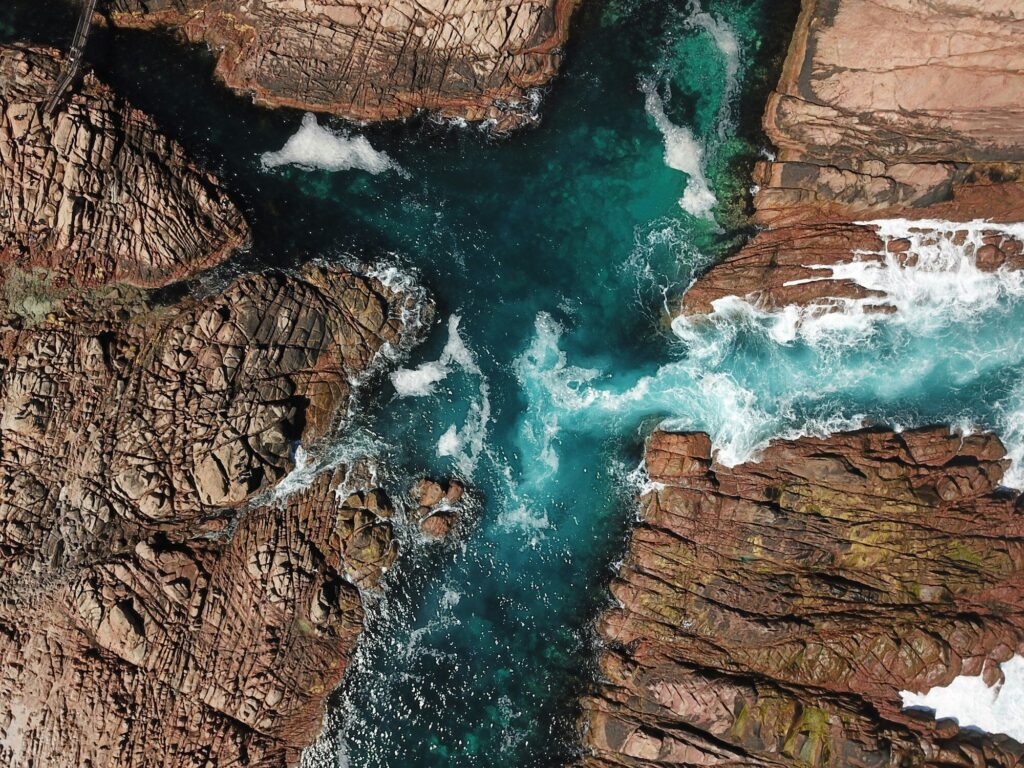
Along the coast, granite formations create natural rock pools and channels. Canal Rocks, near Yallingup, is the most dramatic, with the ocean surging through a narrow gap. On still, flat days, the nearby pools are perfect for swimming and snorkeling. Always check conditions, because waves can surge without warning.
At the southern tip, Cape Leeuwin Lighthouse stands near the meeting of the Indian and Southern oceans. During the cooler months, whales pass close to the cape from about June to December. The lighthouse precinct offers tours and sweeping views. Combined with a visit to Augusta, it makes a fine day trip.
North of the region, Busselton is home to a famous timber jetty stretching far out to sea. An underwater observatory at its end reveals corals and fish beneath the surface. Families especially love the small train that runs along the jetty. It makes a pleasant outing on a rainy or flat day.
Caring for the Capes coast
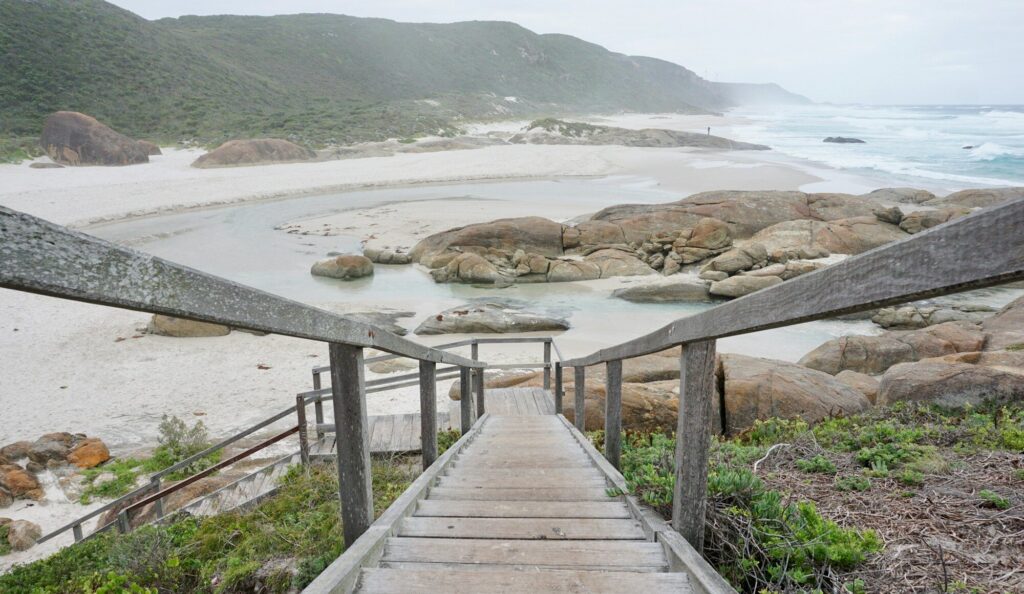
The Capes region protects some of Australia’s richest natural environments. Ngari Capes Marine Park covers the waters along the coast, while the national park protects the land behind it. Together, they shelter whales, dolphins, seabirds and unique coastal plants. Every visitor shares responsibility for keeping them healthy.
Local surfers have long led conservation efforts here, and Margaret River surfing culture is closely tied to that work. For example, community groups monitor water quality, restore dunes and campaign against overdevelopment of the coast. Their work reflects a wider Australian belief that the coast belongs to everyone. Visitors who join in quickly feel part of that tradition.
Fortunately, simple habits make a difference. Use reef-safe sunscreen, take all rubbish home and stay on marked tracks. Respect fishing and sanctuary zones within the marine park. Join a local beach clean, too. You will meet the people who care for this coast every day.
Surf etiquette on the reefs
Margaret River surfing comes with strong local crowds and clear customs. The surfer closest to the peak has priority, and dropping in is never acceptable. Paddle wide around the line-up, and never surf a break beyond your ability. On heavy days, a mistake can be dangerous for you and others.
In the end, respect builds respect. Greet locals in the water, wait patiently for your turn and share the waves on smaller days. If a break looks too crowded or too heavy, choose another one. With dozens of options along the coast, there is always a better wave for you.
Equally important, look after the reefs themselves. Avoid standing on living reef where possible, and never leave broken fins or leashes behind. Likewise, take care when walking across rock platforms at low tide. These habits protect both the coast and your own safety.
Planning your Margaret River surf trip
Margaret River is about three hours’ drive south of Perth. Busselton Margaret River Airport, closer to the region, has domestic connections. Most visitors stay five to seven nights. That allows time for several surf sessions and a few cellar doors. It also leaves room for a walk on the Cape to Cape Track.
Timing your arrival also matters. If you land in Perth in the morning, you can be watching sunset at Yallingup that evening. Alternatively, break the drive with lunch in Bunbury or Busselton. Either way, rent a comfortable car with room for boards and luggage.
For a wider journey, combine the west with the east coast. Our guides to surfing Noosa, Byron Bay surfing and Bells Beach cover the rest of the great surf coasts. To see how Margaret River surfing fits into the national story, read our guide to Australian surf culture.

The definitive guide to the world’s wine regions.


Long evenings in wine country call for a good book. These three cover the region’s two great passions, wine and the West Australian coast.
Take our short quiz and find the city, coast and pace of life that suits you best.
Take the quizQuestions worth asking
When is the best time for Margaret River surfing?
Autumn, from March to May, usually brings the best combination of swell, offshore winds and warmer water. Winter has the biggest waves, while summer suits beginners.
Is Margaret River good for beginners?
Yes, at the right beaches. Smiths Beach, Yallingup’s inside sections and Gnarabup suit beginners, especially with an accredited coach. The famous reefs are best left to experienced surfers.
Do I need a wetsuit in Margaret River?
Yes. A full wetsuit is standard for most of the year, with a thicker suit in winter.
How far is Margaret River from Perth?
It is about three hours’ drive south of Perth, or a short flight to Busselton Margaret River Airport.
What is the Cape to Cape Track?
It is a 130-kilometer coastal walking trail between Cape Naturaliste and Cape Leeuwin, running through Leeuwin-Naturaliste National Park.
Which wineries should I visit in Margaret River?
Vasse Felix, Leeuwin Estate, Cullen Wines and Voyager Estate are classic choices, each with tastings and a restaurant.